Hyper-Personalized Retail: The 2026 Shopper Demand
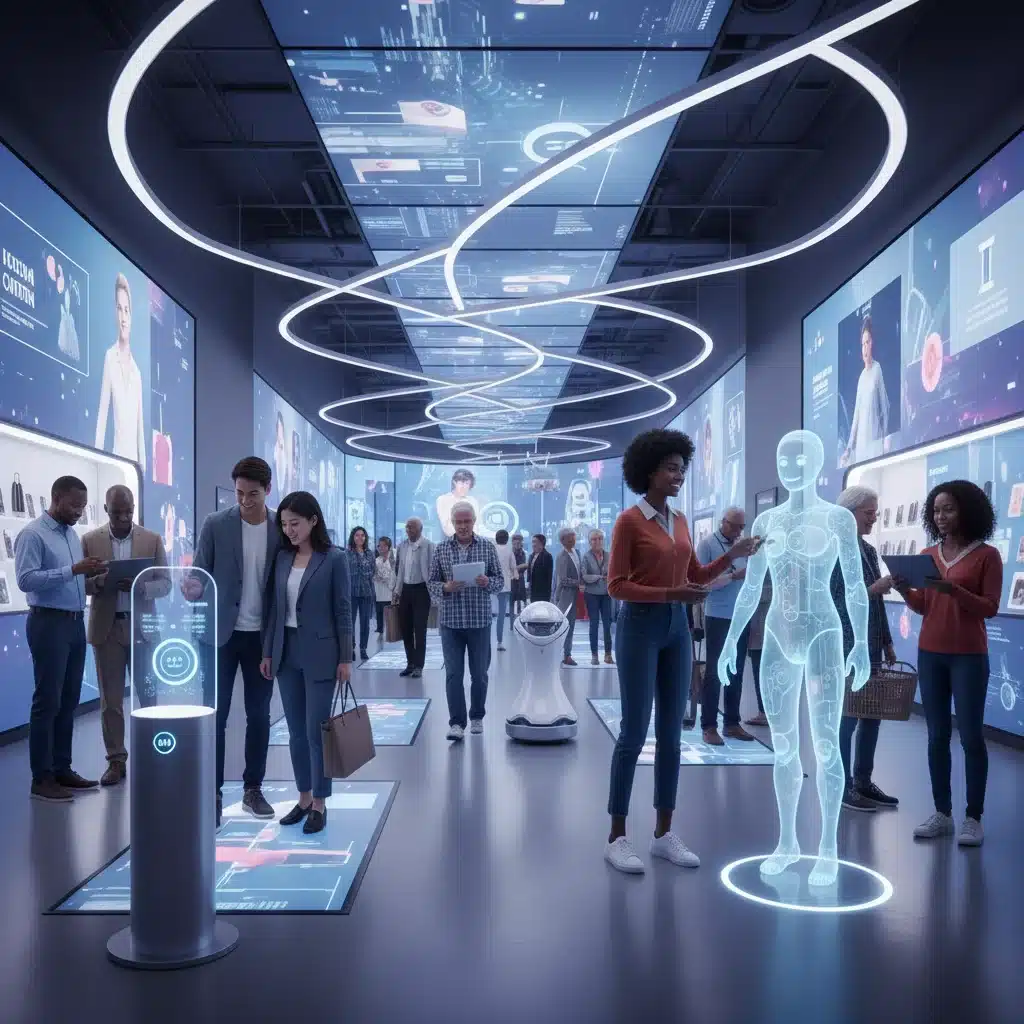
The retail landscape is in a constant state of flux, driven by technological innovation and evolving consumer expectations. As we edge closer to 2026, a clear trend is emerging: the demand for hyper-personalized retail experiences is not just a niche desire but a significant expectation for a growing segment of US shoppers. Projections suggest that a compelling 10% of American consumers will actively seek out and prioritize retailers who can deliver truly individualized journeys. This isn’t merely about addressing customers by their first name or sending generic birthday discounts; it’s about creating a retail ecosystem that understands, anticipates, and caters to each individual’s unique preferences, behaviors, and needs at every touchpoint.
This seismic shift is fueled by a confluence of factors, including the ubiquity of data, advancements in artificial intelligence, and a generation of consumers who have grown up with on-demand, tailored content. Retailers who fail to recognize and adapt to this burgeoning demand for hyper-personalized retail risk being left behind in an increasingly competitive market. The stakes are high, but the opportunities for those who embrace this future are even greater, promising enhanced customer loyalty, increased conversion rates, and a distinct competitive edge.
In this comprehensive article, we will delve into the core reasons behind this escalating demand, explore the technological underpinnings that make hyper-personalized retail possible, and outline actionable strategies for businesses to not only meet but exceed these evolving shopper expectations. From data collection and ethical considerations to advanced AI applications and seamless omnichannel integration, we will provide a roadmap for navigating the complexities of this exciting new era in retail.
Understanding Hyper-Personalization: More Than Just a Buzzword
Before we dissect the reasons behind the 2026 demand, it’s crucial to define what hyper-personalized retail truly entails. It goes far beyond traditional personalization, which often involves segmenting customers into broad groups and offering slightly varied experiences. Hyper-personalization, conversely, is about treating each customer as an individual, leveraging vast amounts of data and advanced analytics to predict their needs, preferences, and even their emotional state in real-time. This level of granularity allows for truly bespoke recommendations, communications, and product offerings.
Consider the difference: traditional personalization might recommend a winter coat to someone in a cold climate. Hyper-personalization, however, would recommend a specific style of winter coat, in their preferred color, from a brand they’ve shown interest in, at a price point they typically spend, and even suggest complementary accessories, all based on their past browsing history, purchase data, social media activity, and even current weather patterns in their location. It’s about creating a one-to-one relationship that feels intuitive and genuinely helpful, rather than merely targeted.
The goal of hyper-personalized retail is to create a seamless, relevant, and engaging customer journey across all touchpoints, whether online, in-store, or through mobile applications. This involves dynamic content delivery, tailored product suggestions, customized pricing and promotions, and even personalized customer service interactions. It’s an ambitious undertaking, but one that promises significant returns for retailers willing to invest in the necessary infrastructure and expertise.
The Driving Forces Behind the 2026 Demand
Why will 10% of US shoppers specifically demand hyper-personalized retail experiences by 2026? Several powerful trends are converging to make this a reality:
1. The Data Deluge and Advanced Analytics
The sheer volume of customer data available today is unprecedented. Every click, every search, every purchase, and every interaction leaves a digital footprint. Retailers are now equipped with the tools to collect, process, and analyze this data at scale. Machine learning and artificial intelligence algorithms can identify intricate patterns and predict future behaviors with remarkable accuracy. This data-driven capability forms the bedrock of hyper-personalized retail, allowing businesses to move beyond assumptions and base their strategies on concrete insights.
2. The AI Revolution
AI is no longer a futuristic concept; it’s a present-day reality transforming retail. From intelligent recommendation engines and predictive analytics to AI-powered chatbots and virtual assistants, AI is enabling retailers to deliver personalized experiences at scale. These technologies can process complex data sets in real-time, anticipate customer needs, and automate personalized interactions, making hyper-personalized retail not just feasible but increasingly efficient.
3. Elevated Customer Expectations
Consumers have become accustomed to highly personalized experiences in other aspects of their lives, from streaming services like Netflix and Spotify to social media feeds. This constant exposure to tailored content has raised their expectations across the board, including in their retail interactions. Generic, one-size-fits-all approaches now feel impersonal and outdated. Shoppers expect retailers to ‘know’ them and to offer relevant, timely suggestions that simplify their purchasing decisions.
4. The Rise of the ‘Me Economy’
Modern consumers, particularly younger generations, value individuality and self-expression. They seek products and experiences that resonate with their unique identity and values. Hyper-personalized retail caters directly to this ‘me economy’ by offering bespoke solutions, customized products, and tailored content that makes them feel seen and understood. This emotional connection fosters deeper loyalty than transactional relationships ever could.
5. Omnichannel Integration
The lines between online and offline shopping are increasingly blurred. Shoppers expect a consistent and personalized experience whether they are browsing on their phone, visiting a physical store, or interacting with customer service. Hyper-personalized retail thrives on seamless omnichannel integration, ensuring that customer data and preferences are accessible and applied across all touchpoints, creating a cohesive and frictionless journey.
6. Competitive Differentiation
In a saturated market, personalization is becoming a key differentiator. Retailers who excel at hyper-personalized retail can stand out from the competition, attract new customers, and retain existing ones. As more retailers adopt these strategies, the expectation for personalized service will only grow, making it a prerequisite rather than a luxury.
The Benefits of Embracing Hyper-Personalization
For retailers, the investment in hyper-personalized retail yields substantial rewards:
- Increased Customer Loyalty and Retention: When customers feel understood and valued, they are more likely to return.
- Higher Conversion Rates: Relevant recommendations and tailored offers lead to more purchases.
- Enhanced Average Order Value (AOV): Personalized suggestions for complementary products can encourage larger baskets.
- Improved Customer Experience: A seamless, intuitive, and relevant journey reduces friction and increases satisfaction.
- Stronger Brand Affinity: Brands that deliver exceptional personalized experiences build stronger emotional connections with their audience.
- Reduced Marketing Waste: Highly targeted campaigns are more efficient and yield better ROI than broad, generic messaging.
- Valuable Data Insights: The process of hyper-personalization generates even more data, leading to a virtuous cycle of continuous improvement and deeper customer understanding.
Key Strategies for Implementing Hyper-Personalized Retail
Meeting the 2026 demand for hyper-personalized retail requires a strategic and multi-faceted approach. Here are the essential components:
1. Robust Data Collection and Management
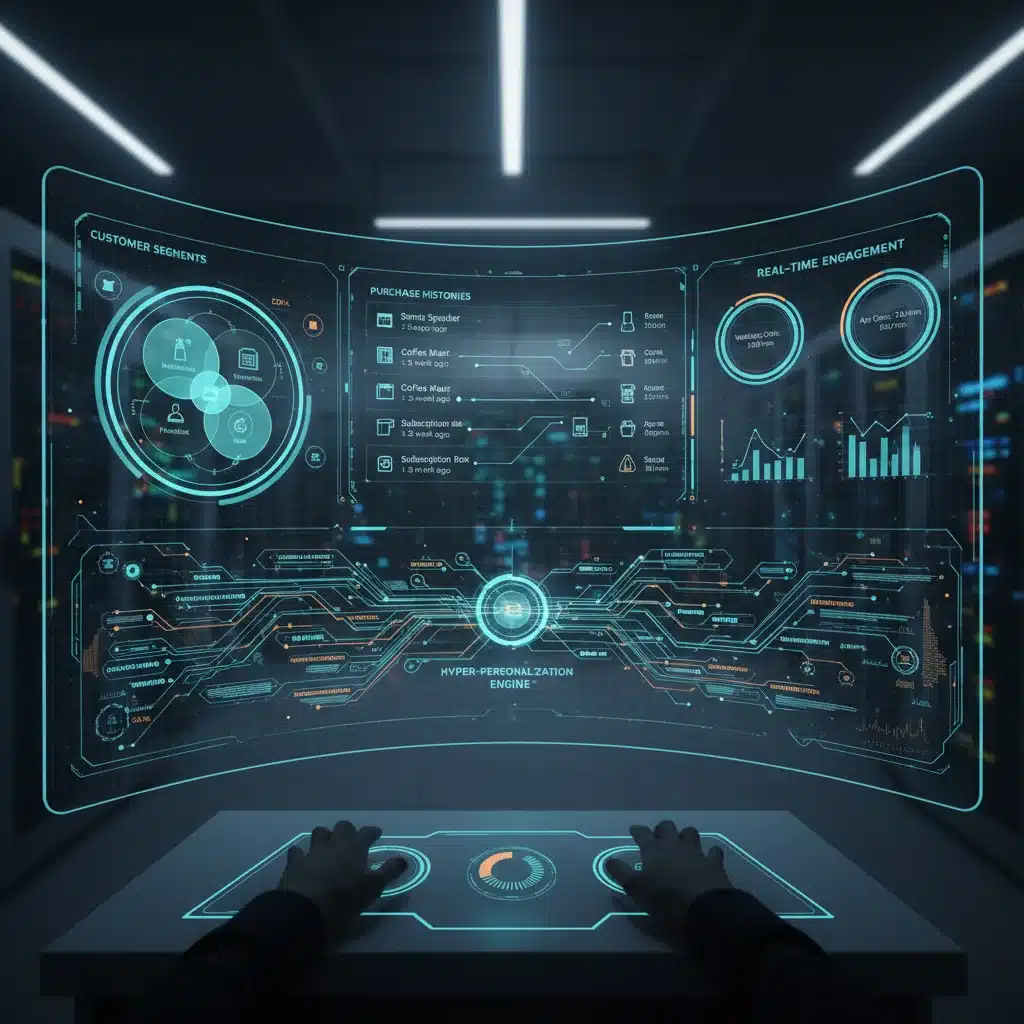
The foundation of any successful hyper-personalization strategy is comprehensive and accurate data. Retailers must invest in systems that can collect data from various sources – online browsing, purchase history, in-store interactions, loyalty programs, customer service inquiries, and even external demographic data. A Customer Data Platform (CDP) is often crucial for unifying this disparate data into a single, comprehensive customer profile. This ‘golden record’ allows for a holistic view of each shopper.
2. Advanced Analytics and AI-Powered Engines
Raw data is only useful if it can be translated into actionable insights. Retailers need sophisticated analytics tools and AI/ML algorithms to process this data. These engines can identify patterns, predict future behaviors, segment customers dynamically, and power recommendation systems. Predictive analytics can anticipate what a customer might want next, while prescriptive analytics can suggest the best course of action for the retailer.
3. Dynamic Content and Product Recommendations
This is where hyper-personalized retail truly shines. Websites, apps, and even in-store digital signage should dynamically adapt to each visitor. Product recommendations should go beyond ‘customers who bought this also bought…’ to highly nuanced suggestions based on individual taste, past interactions, real-time context (e.g., weather, time of day), and even emotional cues. Content, such as blog posts, emails, and promotions, should also be tailored to resonate with individual interests and stages in the customer journey.
4. Omnichannel Personalization
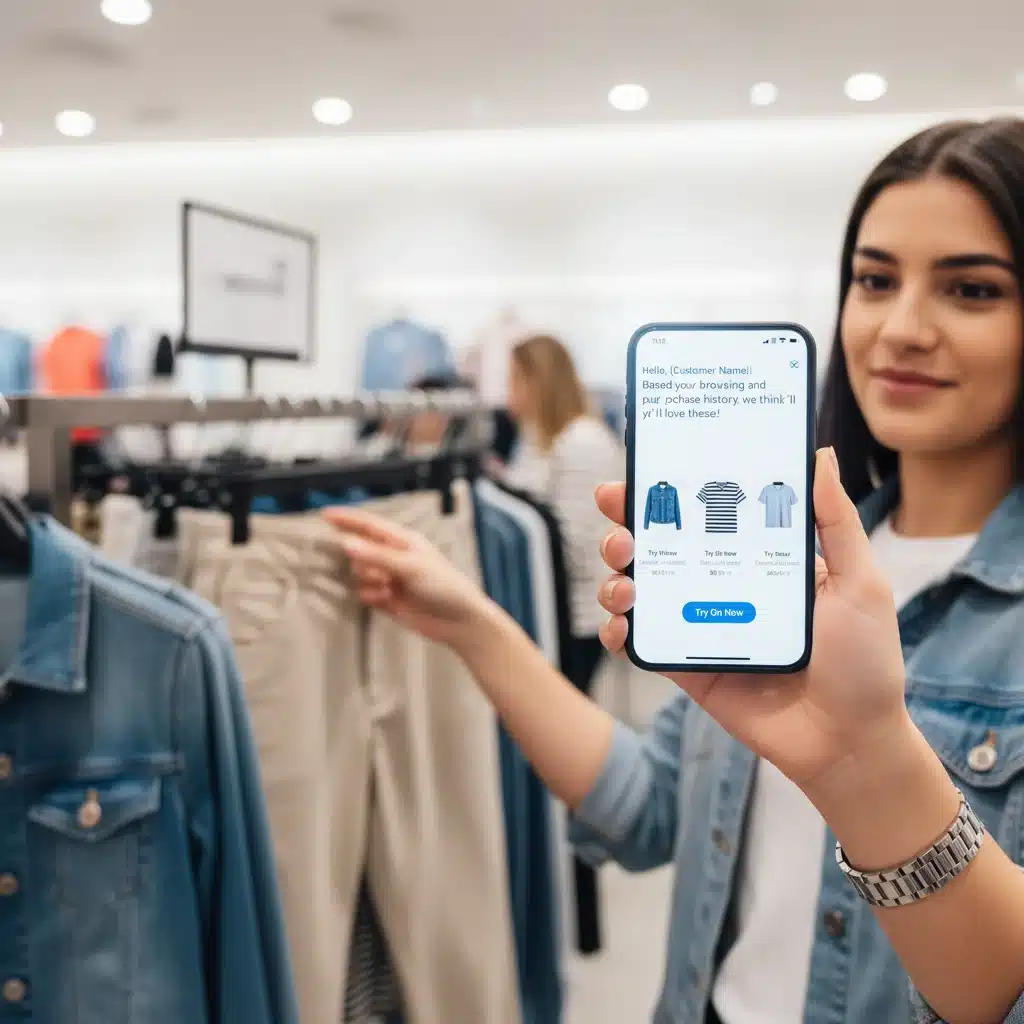
A truly hyper-personalized experience transcends channels. Whether a customer is interacting with a brand online, via a mobile app, through email, or in a physical store, the experience should be consistent and informed by their complete history. This means sales associates in-store should have access to a customer’s online browsing history and preferences, and online recommendations should reflect in-store purchases. RFID tags, smart mirrors, and mobile apps can bridge the gap between digital and physical shopping, creating an integrated, personalized journey.
5. Personalized Communication and Marketing
Gone are the days of mass email blasts. Hyper-personalized retail demands targeted, relevant communications. This includes personalized email campaigns, SMS messages, push notifications, and even direct mail, all tailored to the individual’s preferences, purchase history, and predicted needs. Timing is also crucial; messages should be delivered when they are most relevant and impactful, such as a reminder about an abandoned cart or a promotion for an item they’ve been eyeing.
6. Ethical Data Use and Transparency
As retailers collect more personal data, the ethical implications become paramount. Transparency about data collection practices and clear communication about how data is used to enhance the customer experience are essential. Building trust is key; customers are more likely to share data if they understand the value exchange and feel confident that their privacy is protected. Compliance with data privacy regulations like GDPR and CCPA is not just a legal requirement but a fundamental aspect of building trust in hyper-personalized retail.
7. Empowering Store Associates
In-store personalization is equally important. Arming sales associates with tablets or mobile devices that provide access to customer profiles, purchase history, preferences, and even loyalty status enables them to offer a truly personalized service. They can make informed recommendations, suggest complementary items, and build stronger relationships with shoppers, transforming a transactional visit into a personalized consultation.
Challenges and Considerations
While the benefits are clear, implementing hyper-personalized retail is not without its challenges:
- Data Silos: Many organizations struggle with fragmented data across different departments and systems. Unifying this data is a significant undertaking.
- Technological Investment: Implementing CDPs, AI/ML platforms, and advanced analytics tools requires substantial investment in technology and expertise.
- Privacy Concerns: Balancing personalization with customer privacy is a delicate act. Overly intrusive personalization can backfire and erode trust.
- Skill Gap: Retailers need data scientists, AI specialists, and customer experience designers to effectively implement and manage hyper-personalization initiatives.
- Maintaining Authenticity: While highly tailored, personalization should still feel authentic and not overly manufactured or creepy.
- Scalability: Ensuring that personalized experiences can be delivered consistently to millions of customers requires robust and scalable infrastructure.
The Future is Hyper-Personalized: Case Studies and Emerging Trends
Several forward-thinking retailers are already demonstrating the power of hyper-personalized retail:
- Stitch Fix: This online personal styling service uses algorithms combined with human stylists to deliver highly personalized clothing selections directly to customers’ doors, based on detailed style profiles and feedback.
- Sephora: Through its Beauty Insider program and virtual artist tools, Sephora offers personalized product recommendations, tutorials, and in-store experiences based on individual beauty profiles and purchase history.
- Amazon: The e-commerce giant is a pioneer in personalization, with its sophisticated recommendation engine driving a significant portion of its sales. Its ability to suggest relevant products based on browsing and purchase history is legendary.
- Nike: With NikeByYou, customers can design their own shoes, offering a high degree of product personalization. Their apps also provide personalized fitness coaching and product recommendations based on activity data.
Emerging trends in hyper-personalized retail include:
- Predictive Customer Service: AI anticipating customer issues before they arise and proactively offering solutions.
- Voice Commerce Personalization: Tailored recommendations and experiences through voice assistants.
- Haptic Feedback and Sensory Personalization: Creating multi-sensory experiences that cater to individual preferences (e.g., personalized scents in-store).
- Metaverse Retail: Personalized avatars and virtual shopping experiences in immersive digital environments.
Conclusion: Preparing for the Personalized Future of Retail
The prediction that 10% of US shoppers will demand hyper-personalized retail experiences by 2026 is not merely a forecast; it’s a call to action for retailers. The consumer landscape is irrevocably shifting towards a model where individual relevance and bespoke experiences are paramount. Those who recognize this trend and proactively invest in the necessary data infrastructure, AI capabilities, and strategic frameworks will not only survive but thrive in the coming years.
The journey towards full hyper-personalized retail is complex, requiring a blend of technological prowess, strategic vision, and a deep understanding of customer psychology. It’s about moving beyond transactions to build meaningful, lasting relationships with each customer. By embracing ethical data practices, fostering innovation, and continuously adapting to evolving consumer needs, retailers can unlock unprecedented levels of customer satisfaction, loyalty, and ultimately, sustained growth.
The future of retail is personal. It’s time for businesses to start building that future today, ensuring they are ready to meet the sophisticated demands of the 2026 shopper and beyond. The opportunity to create truly unique and memorable shopping journeys awaits those willing to lead the charge in hyper-personalized retail.