Platform Integration Spotlight: Connecting with New Payment Gateways for a 5% Reduction in Transaction Fees by 2026

In the rapidly evolving landscape of digital commerce, businesses are constantly seeking innovative strategies to optimize operations and enhance profitability. One of the most significant yet often overlooked areas for potential savings lies in the realm of payment processing. Transaction fees, while seemingly small individually, can accumulate into substantial costs over time, directly impacting a company’s bottom line. This comprehensive guide delves into the critical importance of integrating new payment gateways as a strategic move to reduce transaction fees, aiming for an ambitious 5% reduction by 2026. By understanding the nuances of various payment solutions and implementing best practices for integration, businesses can unlock significant financial advantages and foster a more robust, efficient, and customer-friendly payment ecosystem.
The Imperative to Reduce Transaction Fees: A Strategic Business Mandate
For any business operating in the digital sphere, transaction fees are an unavoidable cost component. These fees, charged by payment processors, banks, and card networks, cover the expenses associated with authorizing, clearing, and settling transactions. While necessary, their cumulative impact can be considerable. A 5% reduction in these fees, as targeted by 2026, might sound modest, but for businesses processing thousands or millions of transactions annually, this translates into substantial savings that can be reinvested into growth, product development, or customer acquisition. The drive to reduce transaction fees is not just about cutting costs; it’s about optimizing financial performance and gaining a competitive edge.
Understanding the Current Payment Gateway Landscape
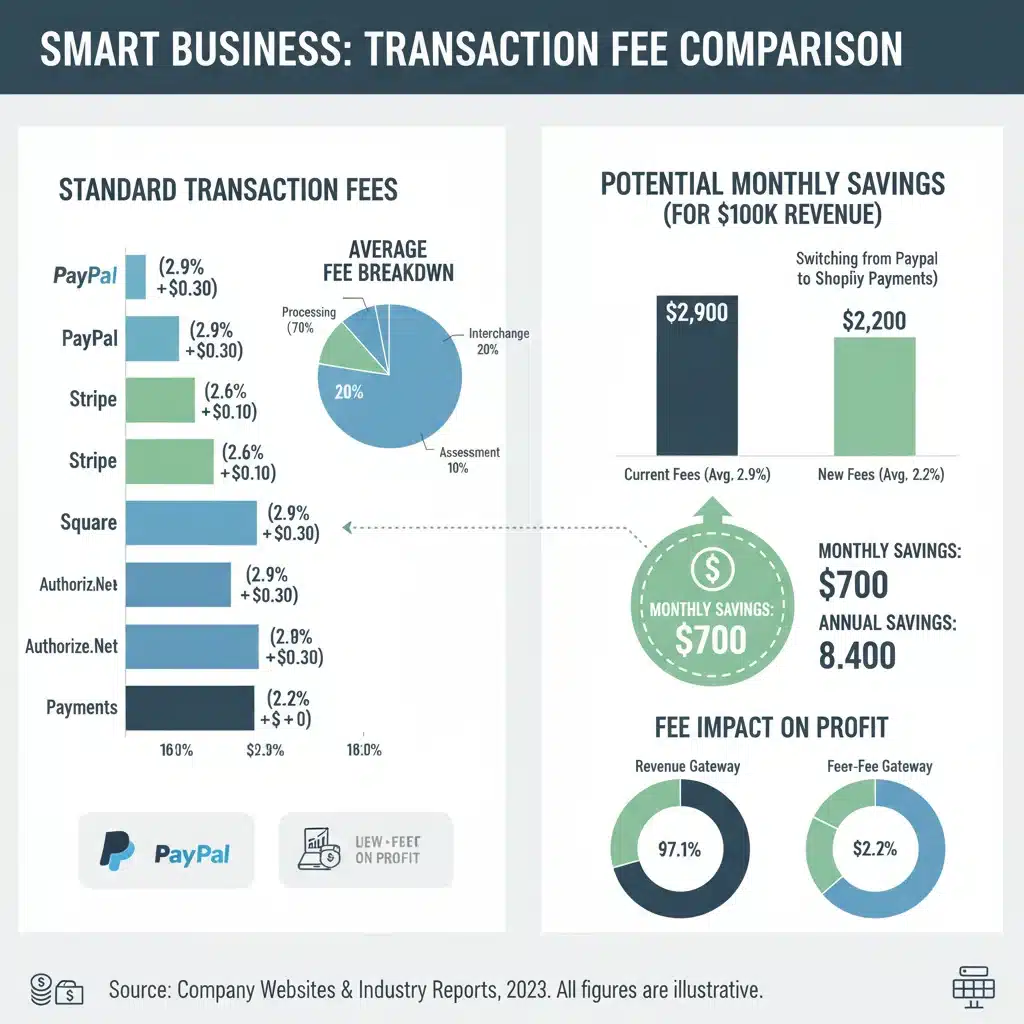
The payment gateway market is dynamic and diverse, featuring a myriad of providers each offering unique pricing models, features, and geographical coverage. Traditional gateways often rely on flat fees per transaction, percentage-based fees, or a combination of both, sometimes layered with additional charges for chargebacks, international transactions, or premium services. Newer, more agile payment processors, including those leveraging blockchain technology or alternative payment methods, often present more competitive fee structures. Understanding this landscape is the first step towards identifying opportunities to reduce transaction fees.
The Hidden Costs of Inefficient Payment Processing
Beyond the advertised transaction fees, businesses often incur hidden costs due to inefficient payment processing. These can include:
- High Chargeback Rates: Inadequate fraud prevention measures can lead to increased chargebacks, each incurring a penalty fee from the payment processor.
- Currency Conversion Fees: For international transactions, unfavorable exchange rates and additional conversion fees can erode profits.
- Delayed Payouts: Some gateways hold funds for extended periods, impacting cash flow and potentially necessitating short-term financing.
- Integration Complexity: Poorly integrated systems can lead to operational inefficiencies, requiring manual interventions and IT support, adding to overheads.
- Lack of Scalability: Gateways that cannot scale with business growth may force costly migrations or lead to service disruptions.
Addressing these hidden costs is integral to a holistic strategy to reduce transaction fees and improve overall financial health.
Identifying Opportunities to Reduce Transaction Fees by 5% by 2026
1. Comprehensive Audit of Existing Payment Gateways
The journey to reduce transaction fees begins with a thorough audit of your current payment processing setup. This involves:
- Analyzing transaction volume and value across all payment methods.
- Scrutinizing fee statements from each payment gateway, identifying all direct and indirect costs.
- Evaluating chargeback rates and the effectiveness of current fraud prevention tools.
- Assessing the geographical spread of your customer base and the associated international transaction costs.
- Reviewing the performance and reliability of your existing integrations.
This audit provides a clear baseline and highlights areas where significant savings can be achieved. It’s crucial to look beyond the headline percentage and understand the total cost of ownership for each payment solution.
2. Exploring Alternative Payment Gateways and Models
The market is rich with alternative payment solutions that might offer more favorable terms. This includes:
- New-Generation Processors: FinTech companies often challenge traditional models with lower fees, innovative features, and better customer support.
- Direct Bank Transfers/ACH Payments: For certain business models, especially B2B, direct bank transfers or Automated Clearing House (ACH) payments can significantly reduce transaction fees compared to credit card processing.
- Cryptocurrency Payments: While nascent for widespread consumer use, crypto payments can offer extremely low transaction fees and near-instant settlement, potentially becoming a viable option for specific niches.
- Local Payment Methods: Depending on your target markets, integrating local payment options (e.g., SEPA in Europe, Pix in Brazil) can not only reduce transaction fees but also improve conversion rates by catering to customer preferences.
- Tiered Pricing Models: Some gateways offer tiered pricing based on transaction volume, meaning as your business grows, your per-transaction cost might decrease.
By diversifying your payment gateway portfolio, you can strategically route transactions through the most cost-effective channels, leading to a substantial reduction in overall fees.
3. Negotiating Better Rates with Existing Providers
Even without switching providers entirely, there’s often room to negotiate better rates. Armed with data from your audit and competitive offers from other gateways, you can approach your current providers to discuss more favorable terms. High transaction volumes, a long-standing relationship, or a commitment to increased future business can all be leverage points. Don’t underestimate the power of negotiation in your quest to reduce transaction fees.
4. Implementing Smart Routing and Orchestration
For businesses utilizing multiple payment gateways, smart routing is a game-changer. Payment orchestration platforms allow you to dynamically route transactions based on various criteria, such as:
- Lowest Transaction Fee: Automatically sending transactions through the gateway with the lowest fee for that specific transaction type or card.
- Success Rate: Prioritizing gateways with higher authorization rates to minimize failed transactions and associated costs.
- Geographical Location: Routing international transactions to gateways specializing in specific regions to optimize costs and efficiency.
- Load Balancing: Distributing transactions across multiple gateways to prevent single points of failure and ensure continuous service.
This sophisticated approach can significantly contribute to the 5% reduction target by ensuring that every transaction is processed in the most cost-efficient manner possible.
Key Considerations for Seamless Payment Gateway Integration
Security and Compliance
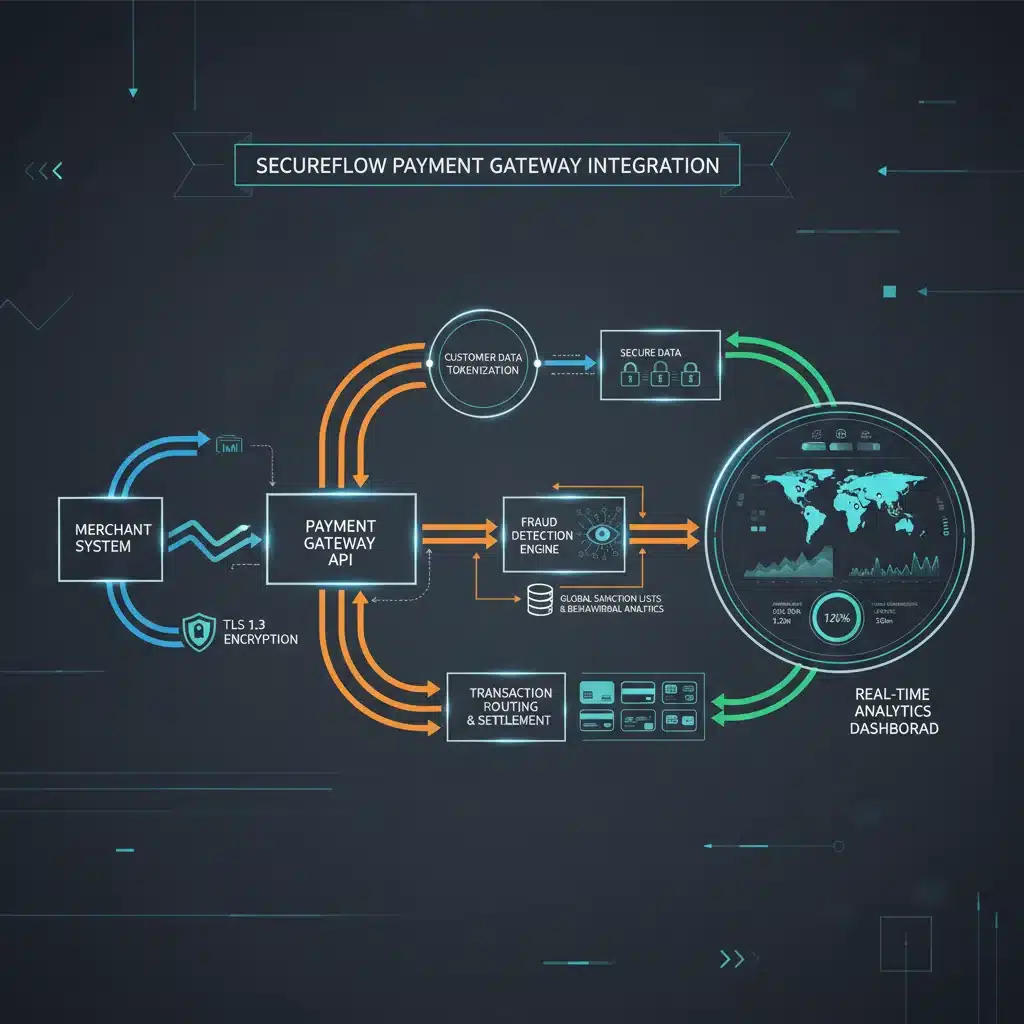
When integrating new payment gateways, security and compliance must be paramount. Ensure that any new provider adheres to industry standards such as PCI DSS (Payment Card Industry Data Security Standard) and relevant regional data protection regulations (e.g., GDPR, CCPA). Robust encryption, tokenization, and fraud detection tools are essential to protect sensitive customer data and prevent costly breaches and chargebacks.
Ease of Integration and Developer Support
The technical complexity of integration can directly impact implementation costs and timelines. Look for gateways that offer well-documented APIs, comprehensive SDKs, and strong developer support. A smooth integration process minimizes disruption to your operations and allows you to quickly realize the benefits of lower transaction fees.
Scalability and Reliability
Your chosen payment gateways should be able to handle your current transaction volume and accommodate future growth without compromising performance. Reliability is key; any downtime or processing issues can lead to lost sales and customer dissatisfaction. Investigate the uptime records and infrastructure of potential providers.
Reporting and Analytics
Robust reporting and analytics capabilities are crucial for monitoring performance, identifying trends, and continuously optimizing your payment strategy. Look for gateways that offer detailed dashboards, customizable reports, and easy data export options. This data is invaluable for tracking your progress towards the goal to reduce transaction fees.
Customer Experience
While the primary goal is to reduce transaction fees, it should not come at the expense of customer experience. The payment process should remain seamless, fast, and secure. Any new integration should enhance, not detract from, the user journey.
Leveraging Technology to Achieve the 5% Reduction by 2026
API-First Approach
Modern payment gateways are built with an API-first approach, allowing for flexible and powerful integrations. By leveraging these APIs, businesses can create highly customized payment flows, implement advanced fraud detection rules, and integrate payment data directly into their CRM or ERP systems. This level of control is vital for fine-tuning your payment strategy to effectively reduce transaction fees.
Tokenization and Vaulting
Tokenization replaces sensitive payment card data with a unique, non-sensitive token, significantly reducing the scope of PCI compliance and enhancing security. Payment vaulting services securely store customer payment information, allowing for one-click purchases and subscription billing without re-entering card details. These technologies not only improve security but can also streamline the payment process, potentially reducing failed transactions and associated costs.
Fraud Prevention Tools
Integrating advanced fraud prevention tools directly into your payment gateway setup is critical. Machine learning-powered fraud detection systems can identify suspicious transactions in real-time, preventing chargebacks and the fees associated with them. A proactive approach to fraud is a direct contributor to your efforts to reduce transaction fees.
Case Studies and Success Stories in Reducing Transaction Fees
E-commerce Retailer’s Multi-Gateway Strategy
A mid-sized e-commerce retailer, facing escalating transaction costs, implemented a multi-gateway strategy. After a thorough audit, they identified that a significant portion of their international transactions were incurring high conversion fees. By integrating a specialized international payment gateway and using smart routing, they were able to direct these transactions through the more cost-effective provider. Within 18 months, they reported an average reduction of 4.5% in their total transaction fees, nearing the 5% target well ahead of 2026. This also led to an increase in international sales due to more localized payment options.
SaaS Company Optimizes Subscription Billing
A Software-as-a-Service (SaaS) company realized that failed recurring payments due to outdated card information or temporary issues were costing them significant revenue in lost subscriptions and retry fees. They integrated a payment gateway with robust dunning management features and account updater services. This allowed them to automatically update expired card details and intelligently retry failed payments. The result was a 3% reduction in overall payment processing costs and a noticeable improvement in customer retention, contributing directly to their goal to reduce transaction fees.
Non-Profit Organization’s ACH Integration
A non-profit organization heavily reliant on recurring donations found that credit card processing fees were eating into a substantial portion of their charitable contributions. By actively promoting ACH direct debit options for recurring donations and integrating a gateway that supported low-cost ACH processing, they saw a dramatic shift in payment method adoption. This strategic move led to a 6% reduction in their total payment processing expenses, demonstrating the power of offering diverse and cost-effective payment channels to reduce transaction fees.
The Roadmap to a 5% Reduction by 2026
Phase 1: Assessment and Planning (6-12 Months)
- Conduct a detailed audit of current payment processing costs and performance.
- Research and identify potential new payment gateways and alternative payment methods.
- Develop a clear strategy and a business case for integration, including projected savings.
- Engage with internal stakeholders (finance, IT, marketing) to align objectives.
Phase 2: Integration and Testing (12-18 Months)
- Select the most suitable payment gateways based on cost, features, security, and integration capabilities.
- Develop and implement the necessary API integrations and smart routing logic.
- Conduct rigorous testing, including security audits and performance testing, in a staging environment.
- Train relevant staff on new systems and processes.
Phase 3: Rollout and Optimization (18-36 Months)
- Gradually roll out new payment options to customers, monitoring performance closely.
- Continuously analyze transaction data and fee structures to identify further optimization opportunities.
- Negotiate with providers based on updated transaction volumes and market conditions.
- Stay abreast of new payment technologies and regulatory changes to maintain a competitive edge and continue to reduce transaction fees.
Challenges and How to Overcome Them
Integration Complexity
Integrating new systems can be technically challenging. Mitigate this by choosing gateways with robust APIs and excellent developer support. Consider using payment orchestration layers that simplify multi-gateway management.
Vendor Lock-in
Relying too heavily on a single payment gateway can limit your negotiation power. Diversify your payment options to maintain flexibility and leverage competition among providers.
Security Risks
New integrations introduce new security considerations. Prioritize PCI compliance, robust encryption, and continuous monitoring. Partner with reputable providers with strong security track records.
Customer Adoption
Introducing new payment methods requires clear communication and sometimes incentives to encourage customer adoption. Ensure the new options are clearly presented and easy to use.
Conclusion: A Path to Greater Profitability and Efficiency
The objective to achieve a 5% reduction in transaction fees by 2026 through strategic payment gateway integration is not merely aspirational; it is an achievable and necessary goal for businesses aiming for sustainable growth in the digital age. By meticulously auditing current costs, exploring innovative payment solutions, negotiating proactively, and leveraging smart routing technologies, companies can significantly reduce transaction fees and transform their payment processing from a cost center into a strategic asset. Embracing this evolution in payment technology is crucial for enhancing profitability, improving operational efficiency, and ultimately delivering a superior customer experience. The time to act is now, setting a clear roadmap to a more financially optimized future.