Personalization at Scale: Boost U.S. Customer Lifetime Value by 22% in 2026
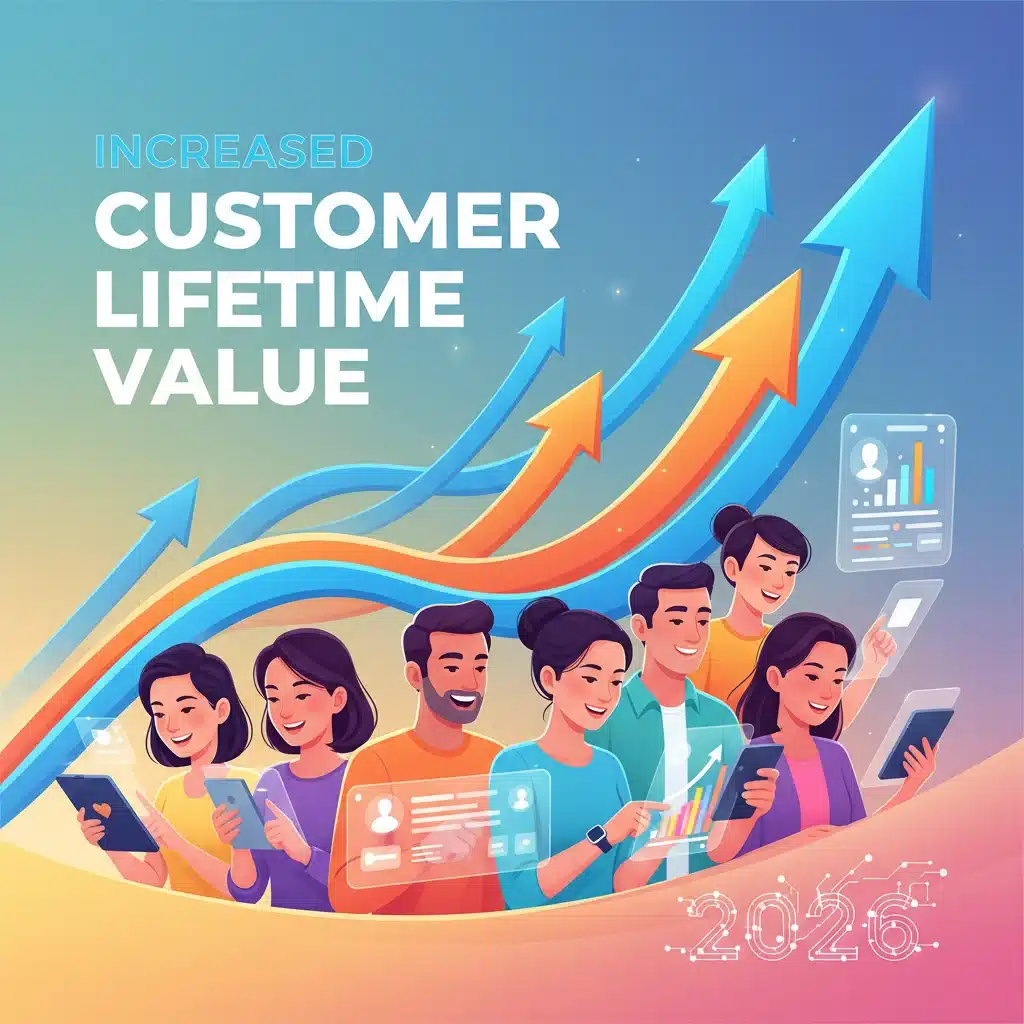
Unlocking Sustainable Growth: Driving a 22% Increase in U.S. Customer Lifetime Value Through Personalization at Scale
In today’s hyper-competitive U.S. market, businesses are constantly seeking innovative strategies to not only attract new customers but, more importantly, to retain and grow the value of their existing ones. The metric that encapsulates this long-term success is customer lifetime value (CLV). A higher CLV signifies a more loyal customer base, increased revenue per customer, and ultimately, a more sustainable and profitable business model. As we look towards 2026, the imperative to elevate CLV has never been stronger, with projections suggesting that a strategic focus on personalization at scale can lead to a remarkable 22% increase in average U.S. customer lifetime value.
This article delves into the transformative power of personalization at scale, outlining how U.S. businesses can leverage data, technology, and strategic insights to achieve this ambitious CLV growth target. We will explore the foundational principles, practical implementation strategies, and the technological landscape that enables truly impactful personalization.
The Shifting Sands of Customer Expectations: Why Personalization is No Longer Optional
The modern U.S. consumer is savvier, more connected, and more demanding than ever before. They expect brands to understand their individual needs, preferences, and behaviors, and to deliver tailored experiences that resonate on a personal level. Generic, one-size-fits-all marketing approaches are increasingly ineffective, leading to higher customer acquisition costs and diminished loyalty.
Consider these compelling statistics:
- 80% of consumers are more likely to make a purchase from a brand that provides personalized experiences. (Epsilon)
- 72% of consumers say they only engage with marketing messages that are customized to their specific interests. (SmarterHQ)
- Customers who have a highly personalized experience spend 40% more than those who don’t. (Bain & Company)
These figures underscore a fundamental shift in consumer psychology. Personalization isn’t just a nice-to-have; it’s a critical driver of engagement, conversion, and crucially, customer lifetime value. When customers feel understood and valued, they are more likely to return, make repeat purchases, and advocate for the brand, directly contributing to an elevated CLV.
Defining Personalization at Scale: Beyond First Names in Emails
True personalization at scale goes far beyond simply addressing a customer by their first name in an email. It involves leveraging vast amounts of data to create highly relevant, individualized experiences across every touchpoint of the customer journey, delivered efficiently and consistently to a large customer base. This means:
- Understanding individual preferences: Not just what they bought, but what they browsed, what they clicked, their demographic information, their past interactions, and even their sentiment towards your brand.
- Predicting future needs: Using AI and machine learning to anticipate what a customer might want next, before they even know it themselves.
- Delivering tailored content and offers: Presenting products, services, and messages that are uniquely relevant to each individual, at the right time and through the right channel.
- Optimizing the entire customer journey: From initial awareness and acquisition to post-purchase support and retention, every interaction is informed by individual customer data.
The ‘at scale’ component is crucial. It means moving beyond manual, segment-based approaches to an automated, dynamic system that can personalize experiences for millions of individual customers simultaneously, without compromising authenticity or relevance. This is where advanced analytics, AI, and marketing automation platforms become indispensable tools for boosting customer lifetime value.
The Direct Link Between Personalization and Customer Lifetime Value
The connection between effective personalization and increased customer lifetime value is multifaceted and profound. Here’s how personalization directly contributes to a higher CLV:
1. Enhanced Customer Satisfaction and Loyalty
When customers receive personalized experiences, they feel valued and understood. This fosters a sense of loyalty and satisfaction, making them less likely to churn and more likely to continue doing business with your brand over the long term. Loyal customers are the bedrock of high CLV.
2. Increased Purchase Frequency and AOV
Personalized product recommendations, tailored promotions, and relevant content can significantly increase the likelihood of repeat purchases. By presenting customers with items they are genuinely interested in or offering incentives that resonate with their past behavior, businesses can boost both purchase frequency and average order value (AOV), directly impacting CLV.
3. Reduced Churn Rates
Proactive personalization can identify customers at risk of churning and intervene with targeted offers or support to re-engage them. By addressing potential pain points or offering solutions before they escalate, businesses can dramatically reduce churn, thereby preserving and extending customer lifetime value.
4. Improved Cross-selling and Up-selling Opportunities
Understanding a customer’s needs and preferences allows for intelligent cross-selling and up-selling. If you know a customer frequently buys a certain type of product, you can recommend complementary items or suggest premium versions based on their past spending habits and perceived value. This strategic approach maximizes revenue from existing customers.
5. Stronger Brand Advocacy
Highly satisfied and loyal customers are more likely to become brand advocates, recommending your products or services to friends and family. Word-of-mouth marketing is incredibly powerful and cost-effective, attracting new customers with a higher propensity for loyalty and, consequently, a higher initial CLV.
Key Pillars for Achieving a 22% CLV Increase by 2026
To realize the ambitious goal of a 22% increase in U.S. customer lifetime value by 2026 through personalization, businesses need to focus on several critical pillars:
Pillar 1: Robust Data Collection and Integration
The foundation of any successful personalization strategy is comprehensive and accurate data. This involves collecting data from various sources:
- Behavioral data: Website clicks, page views, search queries, purchase history, app usage.
- Demographic data: Age, gender, location, income (where available and consented).
- Transactional data: Purchase amounts, frequency, product categories.
- Preference data: Explicitly stated preferences, wishlists, survey responses.
- Interaction data: Email opens, click-throughs, customer service interactions, social media engagement.
Crucially, this data needs to be integrated into a unified customer profile, often within a Customer Data Platform (CDP) or CRM system. A fragmented view of the customer makes true personalization impossible. Investing in a robust data infrastructure is the first step towards elevating customer lifetime value.
Pillar 2: Advanced Analytics and AI-Powered Insights
Collecting data is only half the battle; the real value lies in extracting actionable insights. This is where advanced analytics and Artificial Intelligence (AI) come into play. Machine learning algorithms can process vast datasets to:
- Segment customers dynamically: Beyond traditional demographic segments, AI can identify micro-segments based on subtle behavioral patterns.
- Predict future behavior: Identify customers at risk of churn, predict their next purchase, or determine their optimal price point.
- Recommend relevant products/content: Power recommendation engines that learn and adapt based on individual interactions.
- Optimize timing and channels: Determine the best time and channel to deliver a personalized message for maximum impact.
These AI-driven insights enable businesses to move from reactive to proactive personalization, anticipating customer needs and delivering value before being asked, thereby significantly boosting customer lifetime value.
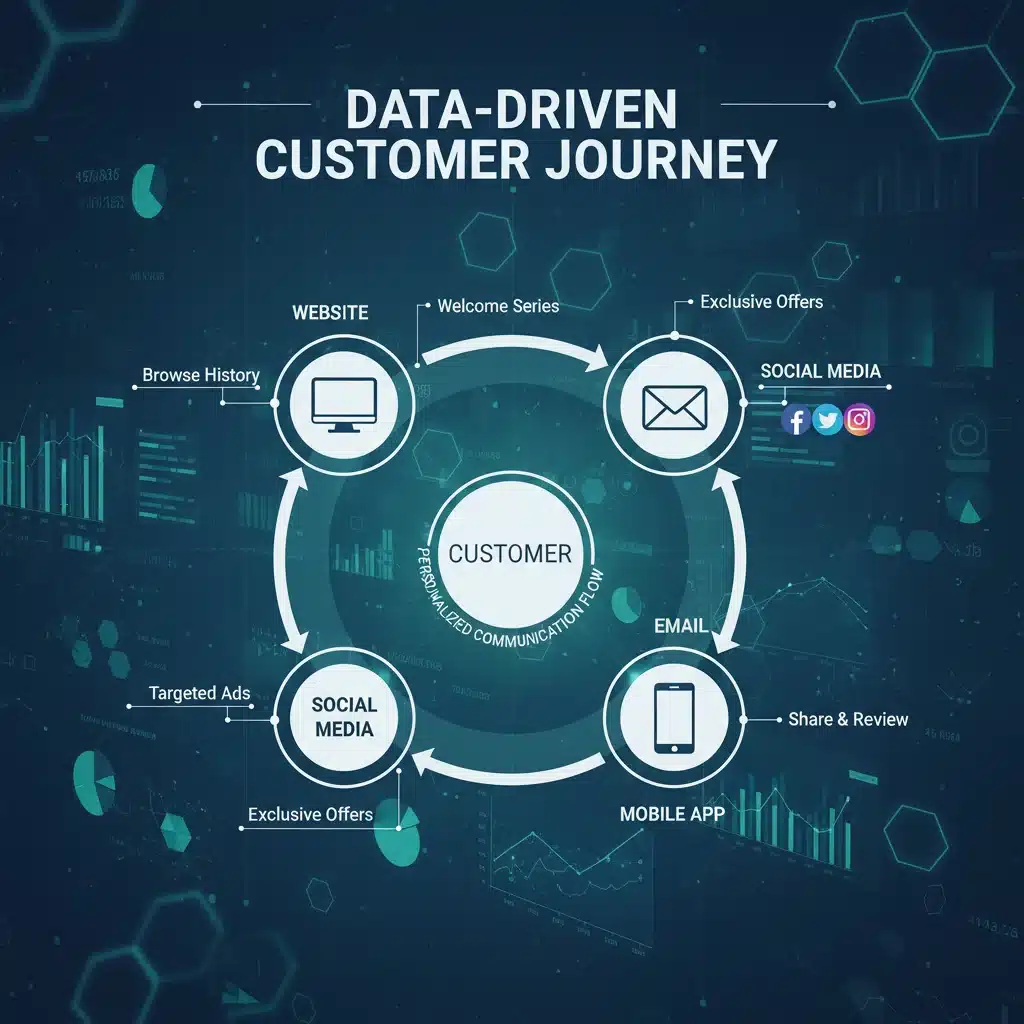
Pillar 3: Omnichannel Personalization Strategy
Customers interact with brands across multiple channels – website, mobile app, email, social media, in-store, customer service. Personalization at scale demands a consistent and cohesive experience across all these touchpoints. A customer’s interaction on one channel should inform their experience on another. For example, if a customer abandons a cart on your website, a personalized email reminder or a targeted social media ad should follow, referencing the items left behind.
This seamless, omnichannel approach reinforces the feeling that the brand truly understands the individual, leading to a more satisfying experience and a higher probability of long-term engagement, directly contributing to customer lifetime value.
Pillar 4: Dynamic Content and Offer Optimization
Static content and generic offers have no place in a personalized strategy. Businesses must be able to dynamically adjust content, product recommendations, and promotional offers based on real-time customer data. This could include:
- Personalized website experiences: Dynamically changing homepage layouts, product carousels, and banners based on browsing history.
- Tailored email campaigns: Sending emails with product recommendations, exclusive offers, or content relevant to past purchases or expressed interests.
- In-app personalization: Customizing app interfaces, notifications, and features based on user behavior.
- Personalized ad creatives: Delivering highly targeted ads on social media and display networks.
The ability to deliver the right message to the right person at the right time with the right offer is paramount for maximizing conversions and increasing customer lifetime value.
Pillar 5: Continuous Testing and Optimization
Personalization is not a one-time project; it’s an ongoing process of learning, testing, and optimization. A/B testing different personalized approaches, analyzing performance metrics, and continually refining strategies based on customer feedback and data insights are crucial. What works for one segment or product might not work for another. Continuous iteration ensures that personalization efforts remain effective and continue to drive increases in customer lifetime value.
Implementing Personalization at Scale: A Step-by-Step Guide
Embarking on a journey to boost customer lifetime value through personalization at scale requires a structured approach. Here’s a roadmap for U.S. businesses:
Step 1: Define Your CLV Goals and KPIs
Before implementing any strategy, clearly define what a 22% increase in CLV means for your business. What are your current CLV metrics? What specific key performance indicators (KPIs) will you track to measure the impact of your personalization efforts (e.g., repeat purchase rate, average order value, churn rate, engagement metrics)?
Step 2: Audit Your Current Data Infrastructure
Assess your existing data collection points, storage systems (CRM, ERP, marketing automation), and data hygiene. Identify gaps, inconsistencies, and opportunities for better data integration. Consider investing in a Customer Data Platform (CDP) to unify your customer data.
Step 3: Develop Comprehensive Customer Segments and Personas
While AI will allow for dynamic micro-segmentation, start by defining broad customer segments and detailed personas. Understand their demographics, psychographics, pain points, motivations, and preferred communication channels. This initial understanding will guide your early personalization efforts.
Step 4: Choose the Right Technology Stack
Select personalization platforms, marketing automation tools, AI/ML solutions, and analytics platforms that align with your data strategy and business goals. Look for solutions that offer robust integration capabilities, scalability, and advanced segmentation features. This tech stack will be instrumental in achieving high customer lifetime value.
Step 5: Start Small, Learn Fast, Scale Gradually
Don’t try to personalize everything at once. Begin with a few high-impact personalization initiatives, such as personalized product recommendations on your website, targeted email campaigns for specific customer segments, or dynamic content on key landing pages. Measure the results, learn from them, and then expand your personalization efforts across more touchpoints and customer segments.
Step 6: Foster a Culture of Customer-Centricity
Personalization is not just a marketing or technology initiative; it’s a fundamental shift in how your entire organization views and interacts with customers. Encourage all departments – from sales and customer service to product development – to embrace a customer-centric mindset and leverage personalized insights.

Challenges and Considerations for U.S. Businesses
While the benefits of personalization at scale are clear, U.S. businesses must also navigate potential challenges:
- Data Privacy and Trust: With regulations like CCPA and growing consumer awareness, businesses must prioritize data privacy, transparency, and obtain explicit consent. Building trust is paramount for long-term customer lifetime value.
- Technological Complexity: Implementing and integrating advanced personalization technologies can be complex and require specialized expertise.
- Data Silos: Many organizations struggle with fragmented data across different departments, hindering a unified customer view.
- Resource Allocation: Investing in the right tools, talent, and ongoing optimization requires significant resources.
- Measuring ROI: Clearly attributing CLV increases directly to personalization efforts can be challenging, requiring sophisticated attribution models.
Addressing these challenges proactively is essential for a successful personalization strategy that genuinely impacts customer lifetime value.
Real-World Examples of Personalization Driving CLV
Numerous U.S. companies are already demonstrating the power of personalization in boosting customer lifetime value:
- Netflix: Their recommendation engine is legendary, driving engagement and reducing churn by suggesting content tailored to individual viewing habits. This personalization is a core reason for their high subscriber CLV.
- Amazon: From personalized product recommendations to ‘customers who bought this also bought’ features, Amazon’s entire ecosystem is built on personalization, leading to unparalleled repeat purchases and high CLV.
- Starbucks: Their mobile app leverages purchase history and location data to offer personalized rewards, promotions, and order suggestions, fostering loyalty and increasing customer spend.
- Sephora: Through its Beauty Insider program and personalized product recommendations based on past purchases and beauty profiles, Sephora creates a highly engaging and valuable experience for its customers.
These examples illustrate that regardless of industry, a deep understanding of the customer and the ability to act on that understanding at scale are critical for maximizing customer lifetime value.
The Future of Customer Lifetime Value: Hyper-Personalization and Beyond
As technology continues to evolve, the future of customer lifetime value will be characterized by even more sophisticated forms of personalization, often referred to as hyper-personalization. This involves leveraging real-time data, predictive analytics, and AI to deliver truly individualized, context-aware experiences that anticipate needs and preferences with uncanny accuracy.
Imagine:
- Proactive service: An AI detecting a potential issue with a product you own and offering a solution before you even realize there’s a problem.
- Adaptive interfaces: Websites and apps that dynamically reconfigure their layout and content based on your current mood, location, or even time of day.
- Personalized product development: Brands using aggregated personalized data to inform the creation of new products and services that precisely meet market demand.
The journey to a 22% increase in U.S. customer lifetime value by 2026 is not just about implementing current best practices; it’s about building a future-proof personalization engine that can adapt to ever-changing customer expectations and technological advancements.
Conclusion: A Strategic Imperative for 2026 and Beyond
The goal of driving a 22% increase in U.S. customer lifetime value by 2026 through personalization at scale is ambitious but entirely achievable for businesses willing to invest in data, technology, and a customer-centric culture. In an increasingly competitive landscape, generic approaches simply won’t suffice. Consumers demand relevance, convenience, and a feeling of being understood.
By prioritizing robust data collection, leveraging advanced AI and analytics, implementing an omnichannel strategy, and committing to continuous optimization, U.S. businesses can not only meet these expectations but exceed them. The rewards are substantial: increased loyalty, higher revenue per customer, reduced churn, and a sustainable competitive advantage that will resonate for years to come. The time to embrace personalization at scale and unlock the full potential of your customer lifetime value is now.