Winter 2026 Update: Inventory Management Features Reduce Stockouts by 18%
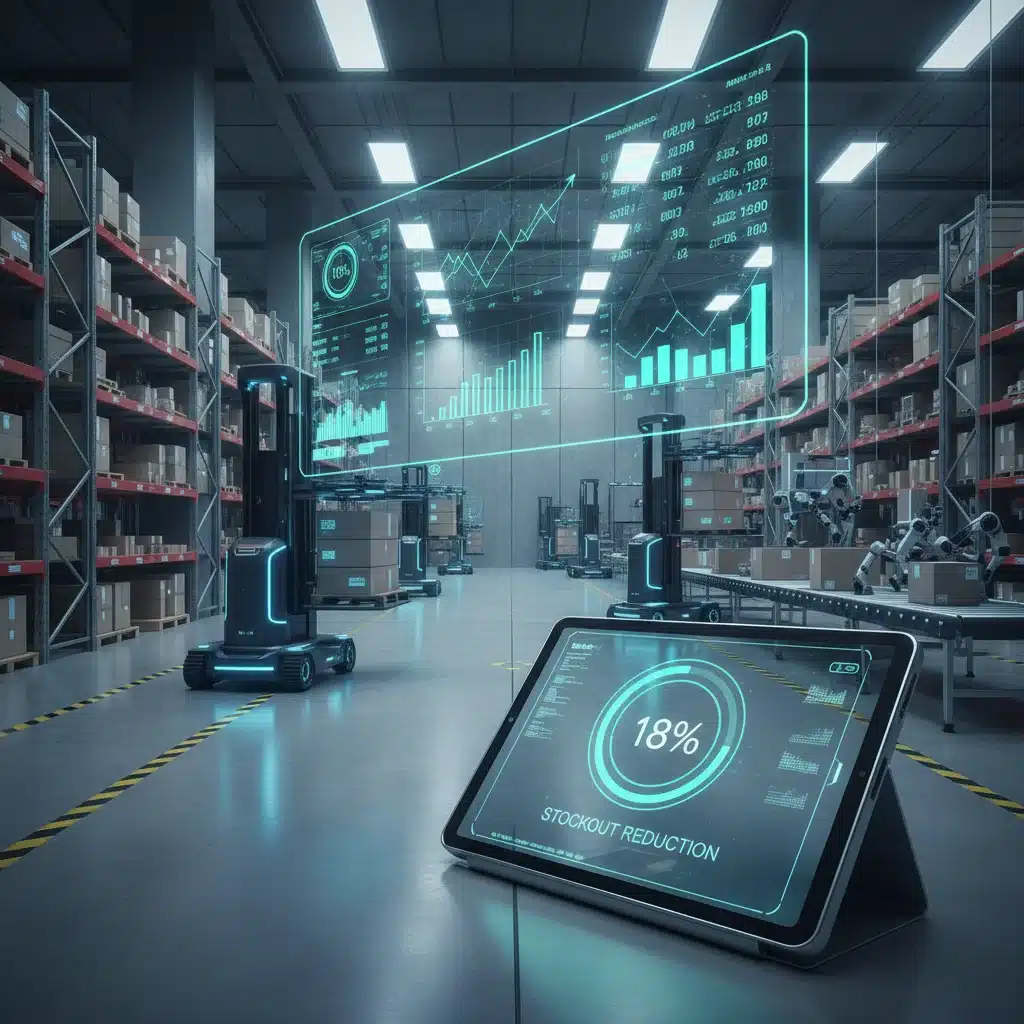
The business landscape is constantly evolving, demanding greater efficiency, foresight, and adaptability from businesses across all sectors. In an era where customer expectations are higher than ever and supply chains face unprecedented challenges, the ability to maintain optimal stock levels is no longer just an advantage – it’s a necessity. This is precisely why we are thrilled to announce The Platform’s Winter 2026 Update, a monumental leap forward in supply chain management, specifically targeting one of the most persistent and costly issues for businesses: stockouts. Our new, cutting-edge inventory management features are not merely incremental improvements; they represent a transformational shift, projected to reduce stockouts by an astounding 18%.
Stockouts, those frustrating instances when a customer wants to purchase an item that isn’t available, are more than just missed sales opportunities. They erode customer loyalty, damage brand reputation, and can lead to significant operational inefficiencies. The ripple effect of a single stockout can be felt throughout the entire supply chain, from emergency orders and expedited shipping costs to production schedule disruptions. Understanding the profound impact of this challenge, our development teams have worked tirelessly to engineer a suite of inventory management features that arm businesses with unparalleled control, visibility, and predictive power.
This comprehensive update is built upon a foundation of advanced analytics, machine learning, and user-centric design, ensuring that businesses of all sizes can leverage sophisticated tools to optimize their inventory. From enhanced demand forecasting to intelligent reorder point calculations and real-time inventory tracking, every aspect of the new features is designed to prevent stockouts before they occur, ensuring that your products are always available when and where your customers need them. Join us as we delve into the specifics of these groundbreaking additions and explore how they will revolutionize your inventory management strategy, leading to greater profitability and sustained customer satisfaction.
The High Cost of Stockouts: Why 18% Reduction Matters
Before we dive into the innovative inventory management features, it’s crucial to understand the true financial and reputational toll that stockouts inflict. For many businesses, stockouts are a silent killer, slowly eroding profits and customer trust without always being directly attributed. When a customer encounters an out-of-stock item, several negative outcomes can occur:
- Lost Sales: This is the most obvious consequence. A customer cannot buy what isn’t there, leading to immediate revenue loss.
- Customer Dissatisfaction and Churn: Repeated stockouts can lead customers to seek alternatives from competitors, resulting in lost long-term value. In today’s competitive market, customer loyalty is a precious commodity, easily lost but hard to regain.
- Expedited Shipping Costs: To fulfill backorders or urgent requests, businesses often resort to costly expedited shipping, eating into profit margins.
- Brand Damage: A business consistently unable to deliver on promises can suffer significant damage to its brand image and reputation.
- Operational Inefficiencies: Stockouts can disrupt production schedules, lead to idle labor, and create a cascade of reactive measures that are less efficient than proactive planning.
- Data Skewing: When items are frequently out of stock, sales data for those items can be artificially low, leading to incorrect future demand forecasts if not properly accounted for.
The projected 18% reduction in stockouts, thanks to our new inventory management features, translates directly into millions of dollars in saved costs and increased revenue for many businesses. It represents a significant improvement in operational efficiency, a boost in customer satisfaction, and a stronger competitive position in the marketplace. This isn’t just about preventing empty shelves; it’s about optimizing the entire business ecosystem for sustainable growth and profitability.
Unveiling the Core Inventory Management Features
The Winter 2026 Update introduces a suite of interconnected inventory management features designed to provide end-to-end control and visibility. Each feature plays a critical role in the overall strategy to minimize stockouts and maximize efficiency.
1. Predictive Demand Forecasting 2.0
At the heart of preventing stockouts lies accurate demand forecasting. Our new Predictive Demand Forecasting 2.0 leverages state-of-the-art machine learning algorithms to analyze historical sales data, seasonal trends, promotional impacts, external economic indicators, and even real-time market sentiment. This goes beyond simple trend analysis, incorporating:
- Granular Data Analysis: The system can analyze demand at a SKU level, location by location, identifying micro-trends that were previously undetectable.
- External Factor Integration: Weather patterns, social media trends, competitor activities, and even news events can now be factored into predictions, offering a more holistic view of potential demand shifts.
- Self-Learning Models: The AI continuously learns from new data, refining its predictions over time and adapting to changing market dynamics with minimal human intervention. This ensures that your forecasts become more accurate with every transaction.
- Scenario Planning: Businesses can simulate various ‘what-if’ scenarios (e.g., a sudden marketing campaign, a supplier delay) to understand their potential impact on inventory levels and adjust strategies proactively.
This enhanced forecasting capability is a game-changer, allowing businesses to anticipate demand with unprecedented accuracy, thereby significantly reducing the risk of unexpected stockouts. It transforms inventory planning from a reactive chore into a strategic advantage.
2. Dynamic Reorder Point Optimization
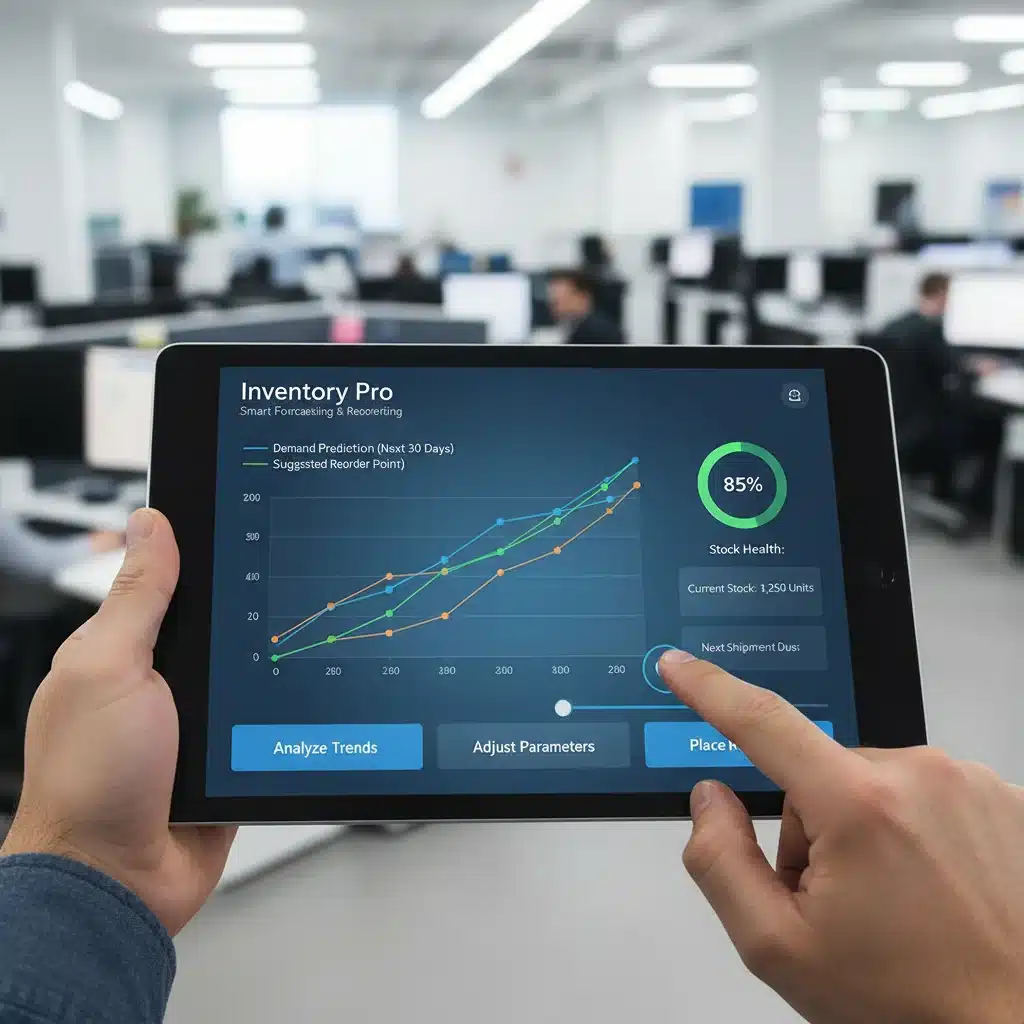
Gone are the days of static reorder points. Our new inventory management features include Dynamic Reorder Point Optimization, a sophisticated system that automatically adjusts reorder levels based on real-time data. This isn’t just about safety stock; it’s about intelligent, adaptive replenishment.
- Variable Lead Times: The system accounts for fluctuating supplier lead times, ensuring that orders are placed with enough buffer to cover potential delays.
- Demand Volatility: Products with high demand variability will have their reorder points adjusted more frequently and aggressively to prevent stockouts during peak periods.
- Cost-Benefit Analysis: The system considers carrying costs, ordering costs, and potential stockout costs to recommend the most economically optimal reorder point, balancing the risk of overstocking with understocking.
- Automated Alerts and Suggestions: When a reorder point is hit or is predicted to be hit soon, the system automatically generates purchase order suggestions, streamlining the procurement process.
This dynamic approach ensures that capital isn’t tied up in excess inventory while simultaneously safeguarding against the revenue loss associated with stockouts. It’s a finely tuned balancing act, executed with precision by our advanced algorithms.
3. Real-Time Multi-Location Inventory Visibility
For businesses operating across multiple warehouses, retail stores, or distribution centers, gaining a consolidated, real-time view of inventory has always been a challenge. The Winter 2026 Update addresses this head-on with enhanced Real-Time Multi-Location Inventory Visibility.
- Unified Dashboard: A single, intuitive dashboard provides a comprehensive overview of stock levels across all locations, accessible from any device.
- Drill-Down Capabilities: Users can easily drill down from a high-level overview to specific SKU details at individual locations, understanding quantities, locations within the warehouse, and movement history.
- Intelligent Stock Transfers: The system can identify surplus inventory in one location and a potential stockout in another, suggesting optimal inter-location transfers to balance stock and fulfill orders without needing new procurement.
- Integration with POS and E-commerce: Seamless integration ensures that online and in-store inventory counts are always synchronized, preventing overselling and improving order fulfillment accuracy.
This unparalleled visibility is crucial for making informed, rapid decisions that prevent stockouts and optimize inventory deployment, especially in dynamic retail and e-commerce environments. It essentially turns your disparate inventory points into one coherent, responsive system.
4. Supplier Performance Tracking & Risk Assessment
A significant portion of stockouts can be attributed to unreliable suppliers. The new inventory management features now include robust Supplier Performance Tracking & Risk Assessment tools to mitigate this critical vulnerability.
- Automated Performance Metrics: Track key supplier metrics such as on-time delivery rates, order accuracy, lead time consistency, and quality control issues.
- Risk Scoring: Each supplier is assigned a risk score based on their historical performance and external data (e.g., financial stability news, geopolitical events), allowing businesses to diversify or prioritize orders strategically.
- Alerts for Delays: Proactive alerts are generated when supplier delays are detected or predicted, giving businesses time to implement contingency plans before a stockout occurs.
- Alternative Sourcing Suggestions: In cases of high supplier risk or confirmed delays, the system can suggest alternative pre-approved suppliers to maintain supply continuity.
By empowering businesses to actively manage supplier relationships and risks, these features add another critical layer of defense against stockouts, ensuring a more resilient and reliable supply chain.
Implementing the New Inventory Management Features: A Step-by-Step Guide
Adopting these new inventory management features might seem daunting, but The Platform is designed for seamless integration and ease of use. Here’s a simplified guide to getting started:
1. Data Audit and Preparation
The foundation of any powerful analytics tool is clean, accurate data. Begin by conducting a thorough audit of your historical sales data, inventory records, and supplier information. Ensure consistency and completeness. The Platform offers robust data import tools and validation checks to assist with this crucial first step.
2. Configuration and Customization
While the core features are powerful out-of-the-box, they are also highly customizable. Define your specific business rules, product categories, warehouse locations, and cost parameters. Set up user roles and permissions to ensure appropriate data access and control. Our implementation specialists are available to guide you through this configuration process, tailoring the system to your unique operational needs.
3. Phased Rollout and Training
We recommend a phased rollout, starting with a pilot group or a specific product category to familiarize your team with the new functionalities. Comprehensive training modules, tutorials, and support documentation will be provided to ensure your staff can effectively utilize every aspect of the new inventory management features. User adoption is key to maximizing the benefits.
4. Monitor, Analyze, and Refine
Once implemented, continuously monitor the performance of your inventory management. Utilize the dashboards and reporting tools to track key metrics such as stockout rates, inventory turnover, and forecast accuracy. Use these insights to further refine your strategies, adjust parameters, and leverage the self-learning capabilities of the system. The beauty of these new features is their ability to improve over time as they process more data.
Beyond Stockout Reduction: Additional Benefits
While the 18% reduction in stockouts is a headline-grabbing achievement, the new inventory management features offer a multitude of additional benefits that contribute to overall business health and competitive advantage:
- Reduced Carrying Costs: By optimizing reorder points and improving demand forecasting, businesses can avoid overstocking, leading to significant savings on storage, insurance, and obsolescence costs.
- Improved Cash Flow: Less capital tied up in excess inventory means more liquidity for other critical business investments and operations.
- Enhanced Customer Satisfaction: Consistently having products available when customers want them leads to happier customers, repeat business, and positive word-of-mouth referrals.
- Streamlined Operations: Automation of tasks like reorder suggestions and stock transfers frees up valuable staff time, allowing them to focus on more strategic initiatives rather than reactive problem-solving.
- Better Decision-Making: Access to real-time, accurate data and powerful analytical tools empowers management to make more informed strategic decisions regarding product lines, pricing, and market expansion.
- Sustainability Benefits: Reducing overstocking also means less waste from obsolete or expired products, contributing to more sustainable business practices.
These benefits collectively contribute to a more agile, resilient, and profitable business model, proving that investing in advanced inventory management features is not just an expense, but a strategic imperative.
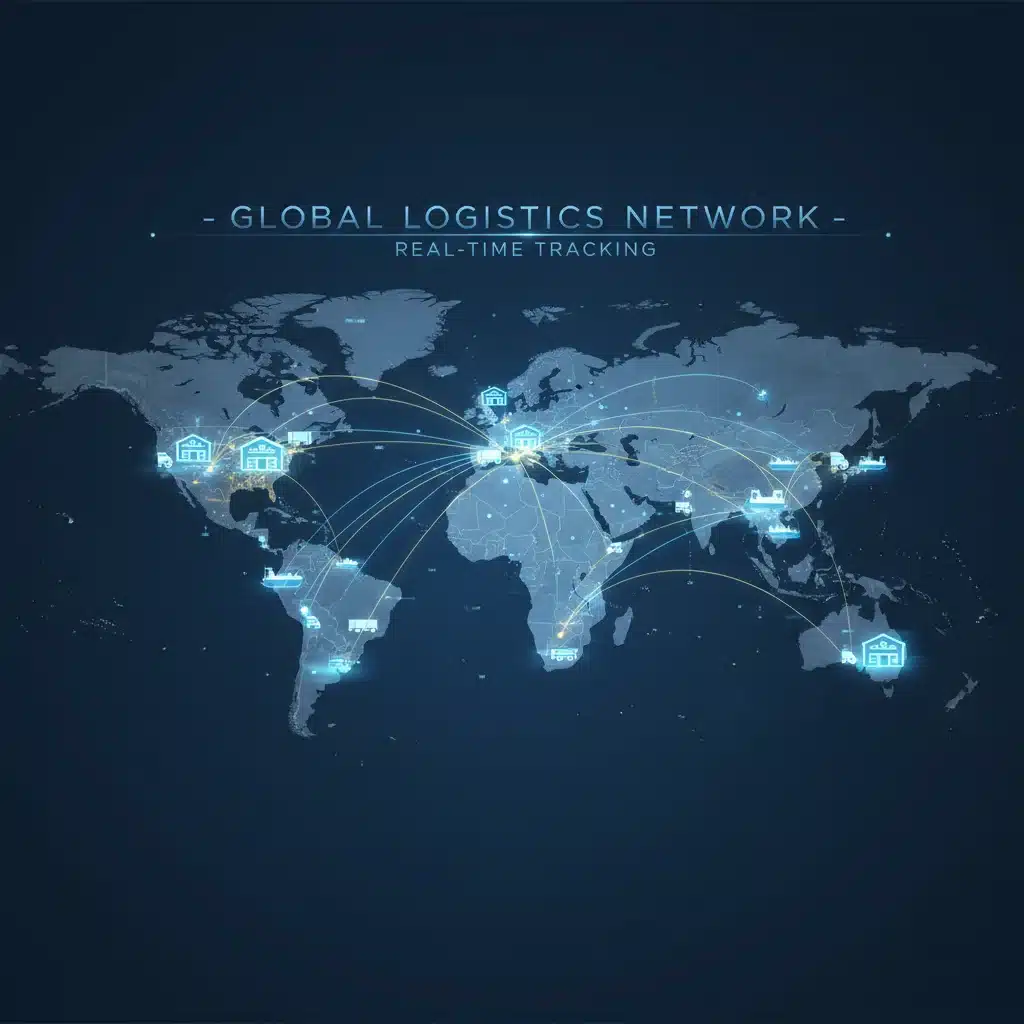
The Future of Inventory Management: A Glimpse into 2026 and Beyond
The Winter 2026 Update is just one step in our ongoing commitment to providing the most advanced tools for businesses. The inventory management features introduced today lay the groundwork for even more sophisticated capabilities in the future. We envision a future where inventory management is not just about preventing stockouts, but about creating a truly autonomous and self-optimizing supply chain.
Imagine a system that not only predicts demand but also proactively negotiates with suppliers based on real-time market prices, automatically adjusts production schedules, and even optimizes warehouse layouts for peak efficiency. This future is not a distant dream; it’s the trajectory we are on, driven by continuous innovation in AI, machine learning, and IoT technologies. The data collected and analyzed by these new features will feed into even smarter algorithms, leading to exponential improvements in efficiency and responsiveness.
For businesses that embrace these technologies, the competitive advantage will be immense. They will be able to respond to market changes with unparalleled speed, delight customers with consistent product availability, and operate with a lean, efficient inventory model that maximizes profitability. The Winter 2026 Update with its groundbreaking inventory management features is your invitation to be at the forefront of this revolution.
Conclusion: Embrace the Change, Reap the Rewards
The Platform’s Winter 2026 Update marks a significant milestone in our mission to empower businesses with the tools they need to thrive in a complex global economy. The new inventory management features, with their projected 18% reduction in stockouts, are poised to deliver tangible, measurable benefits across your entire operation. From enhanced demand forecasting and dynamic reorder points to real-time visibility and robust supplier management, these innovations address the core challenges of inventory optimization.
By adopting these advanced capabilities, you are not just preventing stockouts; you are transforming your supply chain into a resilient, efficient, and customer-centric powerhouse. You are securing your competitive edge, improving your bottom line, and building stronger, more loyal customer relationships. The time to act is now. Explore the full potential of The Platform’s Winter 2026 Update and position your business for unprecedented success in the years to come. Don’t let stockouts hold you back any longer; embrace the future of inventory management today.