Boosting Email Open Rates: Strategies for 10% Growth by 2026
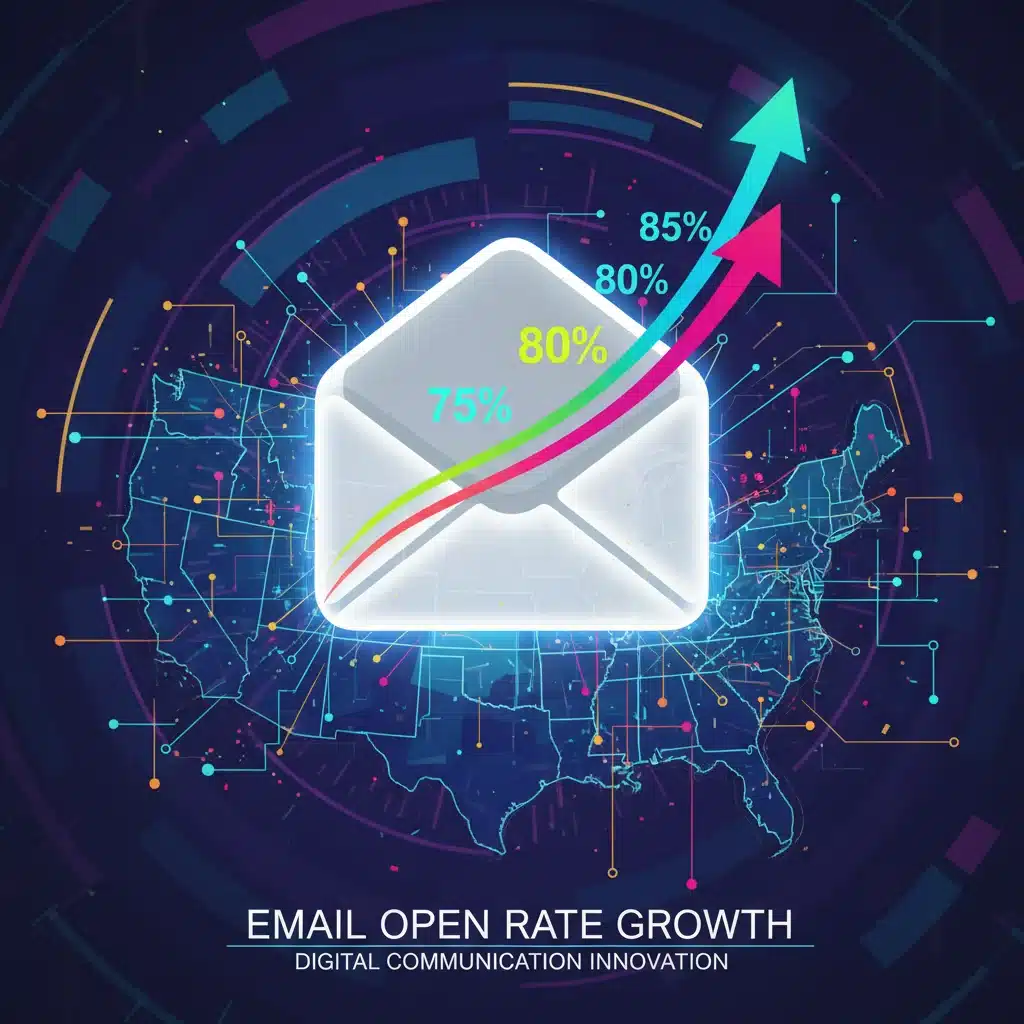
In the rapidly evolving landscape of digital communication, email marketing remains a cornerstone for businesses aiming to connect with their audience. However, merely sending emails is no longer enough. The true measure of an email campaign’s success often boils down to its ability to capture attention and prompt action, beginning with the crucial metric of email open rates. As we look towards 2026, the goal for many U.S. marketers is not just to maintain, but to significantly elevate these rates, specifically targeting a 10% increase. This ambitious target requires a deep understanding of current trends, predictive analytics, and a proactive approach to adopting new technologies and strategies.
The digital mailbox is a crowded place. Consumers are inundated with messages daily, making the battle for attention fiercer than ever. To achieve a 10% higher email open rates by 2026, marketers must move beyond traditional tactics and embrace a more sophisticated, data-driven, and user-centric approach. This comprehensive guide will explore the multifaceted strategies, technological advancements, and foundational best practices that will be essential for U.S. businesses to not only meet but exceed their open rate goals.
Understanding the Current State of Email Open Rates in the U.S.
Before we can aim for a 10% increase, it’s vital to understand the current benchmarks. Average email open rates in the U.S. vary significantly by industry, audience, and the type of email sent. Generally, these rates hover between 15% and 25% across different sectors. This means that for every 100 emails sent, only 15 to 25 are typically opened. While these numbers might seem modest, even a slight improvement can translate into substantial gains in engagement, conversions, and ultimately, revenue. The challenge lies in standing out in an increasingly saturated market, where users are more discerning than ever about what they choose to engage with.
Several factors contribute to the current state of email open rates. These include the rise of mobile email consumption, stricter spam filters, privacy concerns leading to more careful opt-ins, and the sheer volume of marketing messages. Consumers are also becoming more adept at identifying generic or irrelevant content, quickly relegating such emails to the trash or spam folder without a second thought. Therefore, any strategy to boost open rates must address these underlying dynamics, focusing on relevance, trust, and value.
The Cornerstone of Success: Hyper-Personalization and Segmentation
One of the most impactful strategies for improving email open rates is hyper-personalization, driven by advanced segmentation. Gone are the days of mass email blasts. Today’s successful campaigns are built on the premise that every subscriber is unique and deserves content tailored to their specific interests, behaviors, and preferences.
Leveraging Data for Deeper Insights
To achieve hyper-personalization, marketers need robust data collection and analysis. This includes:
- Demographic Data: Age, gender, location, income, etc.
- Behavioral Data: Website browsing history, purchase history, email engagement (opens, clicks), abandoned carts, content downloads.
- Psychographic Data: Interests, values, attitudes, lifestyle choices.
- Preference Centers: Allowing subscribers to explicitly state their content preferences.
By combining these data points, businesses can create highly granular segments. Instead of sending a generic newsletter to everyone, imagine sending an email about winter hiking gear to subscribers in cold climates who have previously purchased outdoor equipment, while simultaneously sending an email about summer beachwear to those in warmer regions who’ve shown interest in travel. This level of precision dramatically increases the likelihood of an email being opened because it feels directly relevant and valuable to the recipient.
Dynamic Content and AI-Driven Personalization
Beyond basic segmentation, dynamic content allows different sections of an email to change based on the recipient’s profile. This means a single email template can serve multiple segments with varied content, product recommendations, or calls to action. Artificial intelligence (AI) takes this a step further, enabling real-time personalization. AI algorithms can analyze vast amounts of data to predict what content, subject line, or send time is most likely to resonate with an individual subscriber, optimizing for higher email open rates automatically.
For example, AI can:
- Optimize Send Times: Determine the ideal time to send an email to each individual based on their past engagement patterns.
- Personalize Subject Lines: Generate compelling and unique subject lines that are most likely to grab the attention of a specific recipient.
- Recommend Products/Content: Suggest products or content based on a user’s browsing history, purchase behavior, and even contextual factors like the weather in their location.
Implementing such advanced personalization requires sophisticated marketing automation platforms, but the investment is justified by the significant uplift in engagement and conversions.
Crafting Irresistible Subject Lines and Preheaders
The subject line and preheader text are the gatekeepers to your email’s content. They are the first, and often only, impression your email makes in a crowded inbox. To achieve higher email open rates, these elements must be optimized for maximum impact.
Best Practices for Subject Lines:
- Be Clear and Concise: Get straight to the point. Subscribers should understand the email’s purpose at a glance.
- Create Urgency or Scarcity (Sparingly): Phrases like “Limited Time Offer” or “Ends Tonight” can encourage immediate action, but overuse can lead to fatigue.
- Personalize: Including the recipient’s name or a reference to their interests can significantly boost open rates.
- Pose a Question: Engaging the reader with a question can pique curiosity.
- Use Emojis (Thoughtfully): Emojis can stand out, but ensure they are relevant to your brand and audience.
- Test, Test, Test: A/B test different subject lines to see what resonates best with your audience.
Optimizing Preheader Text:
The preheader text (the snippet of text that appears after the subject line in the inbox) is often an underutilized resource. It provides an additional opportunity to entice opens. It should complement the subject line, offering more detail or a compelling reason to click.
- Expand on the Subject Line: Use it to provide more context or a secondary benefit.
- Create Intrigue: Offer a hint of what’s inside without giving everything away.
- Include a Call to Action: A soft CTA can encourage opens.
- Avoid Repetition: Don’t just repeat what’s in the subject line.
Together, a powerful subject line and a well-crafted preheader text form an unbeatable duo in the quest for higher email open rates.
Enhancing Deliverability and Sender Reputation
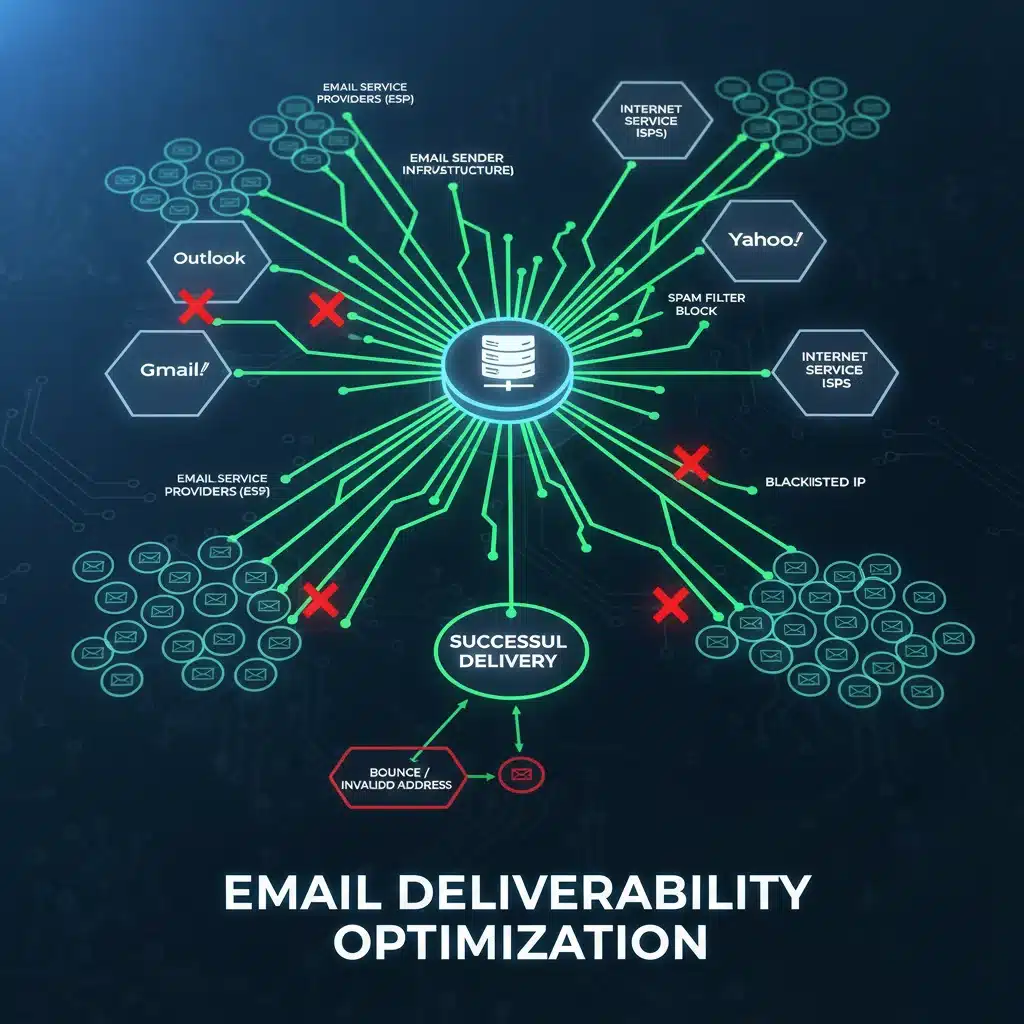
Even the most perfectly crafted email is useless if it doesn’t reach the inbox. Deliverability is paramount, and it’s heavily influenced by your sender reputation. Internet Service Providers (ISPs) use sophisticated algorithms to determine whether an email is legitimate or spam. A poor sender reputation will result in emails being routed to spam folders, severely impacting email open rates.
Key Factors for Deliverability:
- Sender Authentication (SPF, DKIM, DMARC): These technical protocols verify that the email is genuinely from your domain, building trust with ISPs.
- List Hygiene: Regularly clean your email list by removing inactive subscribers, invalid email addresses, and hard bounces. Sending to a clean list signals to ISPs that your emails are valued.
- Engagement Metrics: ISPs monitor how subscribers interact with your emails (opens, clicks, replies vs. unsubscribes, spam complaints). High engagement boosts your reputation, while low engagement or high complaints can damage it.
- Content Quality: Avoid spammy trigger words, excessive capitalization, and overly promotional language that can flag your emails as suspicious.
- Sending Volume and Frequency: Maintain consistent sending patterns. Sudden spikes in volume can appear suspicious.
Proactive management of these factors is crucial. Regularly monitoring your deliverability rates and addressing any issues promptly will safeguard your sender reputation and ensure your emails have the best chance of landing in the primary inbox, directly influencing your email open rates.

Optimizing for Mobile Experience
With a significant portion of emails being opened on mobile devices, providing a seamless and enjoyable mobile experience is non-negotiable for improving email open rates. If an email renders poorly on a smartphone, users are likely to delete it immediately.
Responsive Design is Key:
- Fluid Layouts: Emails should automatically adjust to fit different screen sizes.
- Large, Readable Fonts: Ensure text is easily legible without zooming.
- Clear Call-to-Action Buttons: Buttons should be large enough to be easily tapped with a thumb.
- Optimized Images: Images should load quickly and be appropriately sized for mobile screens.
- Concise Content: Mobile users typically scan rather than read in-depth, so keep your message brief and to the point.
Testing your emails across various devices and email clients is essential to ensure a consistent and positive user experience, which directly contributes to higher email open rates.
The Power of Interactive Emails and Rich Media
As technology advances, so do the possibilities within email itself. Interactive emails and the strategic use of rich media can transform static messages into engaging experiences, captivating recipients and compelling them to open. While still relatively nascent, these innovations are poised to play a significant role in achieving higher email open rates by 2026.
Interactive Elements:
- AMP for Email: Accelerated Mobile Pages (AMP) allows for interactive components directly within the email, such as carousels, accordions, forms, and even mini-games. This reduces friction by allowing users to complete actions without leaving their inbox.
- Quizzes and Polls: Engaging subscribers with quick questions or polls increases interaction and makes the email more memorable.
- Live Content: Displaying real-time updates, such as stock levels or countdown timers for sales, adds urgency and relevance.
Rich Media Integration:
- GIFs: Animated GIFs can convey complex messages quickly, add humor, or showcase products in action, making emails more visually appealing.
- Embedded Video: While direct video embedding can be tricky due to email client limitations, linking to videos with compelling thumbnails can significantly boost click-through rates, which often follows an open.
The key here is to use these elements strategically, ensuring they enhance the message rather than distract from it. Overuse can lead to slow loading times or a perception of clutter, potentially harming email open rates.
Building Trust and Managing Expectations
Trust is an invisible yet incredibly powerful factor influencing email open rates. Subscribers are more likely to open emails from senders they trust and who consistently deliver value. Building this trust starts from the very first interaction.
Transparent Opt-in Processes:
- Clear Expectations: Be upfront about what kind of content subscribers will receive and how often.
- Double Opt-in: While it might slightly reduce initial sign-ups, double opt-in (requiring subscribers to confirm their subscription) ensures a highly engaged and validated list, leading to better deliverability and higher long-term email open rates.
Consistent Value Delivery:
- High-Quality Content: Every email should offer something of value, whether it’s information, entertainment, or exclusive offers.
- Brand Voice Consistency: Maintain a consistent tone and style across all communications to build brand recognition and familiarity.
- Respecting Preferences: Honor unsubscribe requests promptly and make it easy for subscribers to manage their preferences.
A strong brand reputation and a history of delivering valuable content will naturally lead to higher email open rates as subscribers learn to anticipate and look forward to your messages.
Leveraging Predictive Analytics and AI for Optimal Timing
The ‘when’ of email sending is almost as important as the ‘what.’ Sending an email at the optimal time for each individual subscriber can significantly impact email open rates. This is where predictive analytics and AI truly shine.
AI-Powered Send Time Optimization:
Instead of relying on general best times to send, AI models can analyze individual subscriber behavior patterns – when they typically open emails, when they click, and when they are most active online. This allows for personalized send times, ensuring your email lands in their inbox precisely when they are most likely to see and engage with it. This level of optimization can provide a noticeable bump in email open rates.
Predictive Content and Journey Mapping:
Beyond timing, AI can predict future customer needs and behaviors, allowing marketers to proactively send relevant emails. For instance, if a customer frequently purchases a certain product every three months, AI can trigger a reminder email just before their next anticipated purchase. This anticipatory approach makes emails incredibly relevant and timely, leading to higher opens.
Integrating these advanced analytical tools into your email marketing platform will be crucial for U.S. businesses aiming for a 10% increase in email open rates by 2026. They provide the precision needed to cut through the noise.
A/B Testing and Continuous Optimization
Achieving a 10% increase in email open rates isn’t a one-time fix; it’s an ongoing process of experimentation and refinement. A/B testing is an indispensable tool for understanding what works best for your specific audience.
What to A/B Test:
- Subject Lines: Different lengths, word choices, personalization, emojis.
- Preheader Text: Variations in messaging and call-to-action.
- Sender Name: Testing a person’s name vs. a company name.
- Send Times: Different days of the week or times of day.
- Content Formats: Short vs. long, image-heavy vs. text-heavy.
By systematically testing different elements and analyzing the results, marketers can gain valuable insights into their audience’s preferences, allowing for continuous optimization that steadily improves email open rates over time. This iterative process, guided by data, is the bedrock of sustained growth.
The Role of Omnichannel Integration
Email marketing doesn’t exist in a vacuum. Its effectiveness, including email open rates, can be significantly enhanced when integrated with other marketing channels. An omnichannel strategy creates a cohesive and consistent customer experience across all touchpoints.
How Omnichannel Boosts Email Open Rates:
- Website Pop-ups and Forms: Strategically placed forms on your website can capture highly engaged leads who are more likely to open future emails.
- Social Media Promotion: Use social channels to promote email sign-ups or tease upcoming email content, driving anticipation.
- SMS Integration: For urgent messages or transactional updates, SMS can complement email, and an SMS alert might even prompt a user to check their email for more details.
- CRM Integration: Tying email data directly into your Customer Relationship Management (CRM) system provides a holistic view of each customer, enabling even deeper personalization and more relevant email communications.
When email is part of a broader, integrated strategy, it reinforces brand messaging and increases the perceived value of your communications, naturally leading to better email open rates.
Conclusion: A Path to 10% Higher Email Open Rates by 2026
Achieving a 10% higher email open rates in the U.S. by 2026 is an ambitious yet attainable goal for businesses willing to adapt and innovate. The path forward is clear: it involves a strategic blend of advanced personalization, meticulous attention to deliverability, compelling content creation, and continuous optimization through testing. Embrace AI and predictive analytics to understand your audience on an unprecedented level, and leverage interactive elements to make your emails stand out in a crowded inbox.
By focusing on building trust, delivering consistent value, and ensuring a flawless mobile experience, U.S. marketers can transform their email campaigns from mere messages into powerful engagement tools. The future of email marketing is not just about sending; it’s about connecting, personalizing, and optimizing every single interaction to ensure your message is not only delivered but eagerly anticipated and opened. The time to invest in these strategies is now, paving the way for significantly improved email open rates and stronger customer relationships in the years to come.