Unlock 20% More Actionable Insights with Platform Reporting Tools

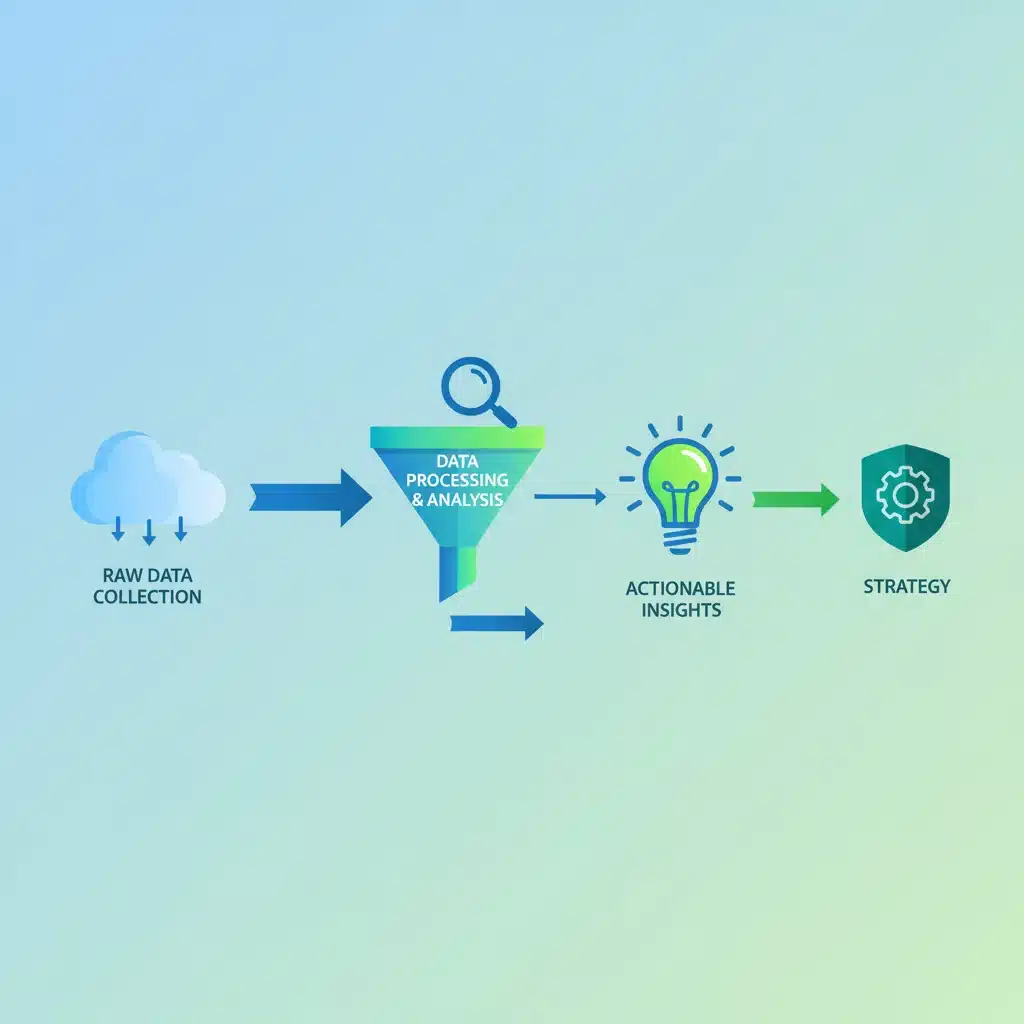
In today’s hyper-competitive business landscape, data is often hailed as the new oil. However, raw data, much like crude oil, holds little value until it’s refined and processed into something usable. For businesses aiming to stay ahead, the ability to transform vast quantities of data into clear, concise, and actionable insights is not just an advantage – it’s a necessity. This is precisely where modern platform reporting tools come into play, offering a sophisticated suite of functionalities designed to empower organizations to make smarter, faster, and more informed decisions.
Our ambitious goal for this guide is to demonstrate how, by strategically leveraging your platform’s latest reporting tools, you can realistically unlock 20% more actionable insights by mid-2026. This isn’t just about generating more reports; it’s about generating better reports, reports that tell a compelling story, highlight critical trends, and directly inform strategic actions. We will delve deep into the features, best practices, and strategic implementation necessary to achieve this significant uplift in your data-driven capabilities.
The Evolution of Platform Reporting Tools: Beyond Basic Data Dumps
Gone are the days when reporting tools were merely glorified spreadsheets, churning out endless rows and columns of numbers that required extensive manual interpretation. Modern platform reporting tools have evolved into sophisticated business intelligence powerhouses. They now offer intuitive interfaces, advanced visualization capabilities, real-time data processing, and even predictive analytics, transforming how businesses interact with their data.
This evolution is driven by several factors. Firstly, the sheer volume of data generated by businesses has exploded, making traditional manual analysis impractical and prone to error. Secondly, the demand for immediate insights has intensified; decision-makers can no longer afford to wait days or weeks for reports. Thirdly, the need for democratized data access has grown, enabling users across various departments – from marketing to sales, operations to finance – to self-serve their reporting needs without constant reliance on IT or data analysts.
Understanding this paradigm shift is crucial. To unlock 20% more actionable insights, you must move beyond simply extracting data. You need to leverage the full spectrum of capabilities that contemporary platform reporting tools offer, focusing on features that facilitate deeper analysis, clearer communication, and proactive decision-making.
Key Features of Advanced Platform Reporting Tools for Deeper Insights
To truly elevate your reporting game and extract that crucial 20% more actionable insights, familiarity with the advanced features of modern platform reporting tools is essential. It’s not enough to know they exist; you need to understand how to harness them effectively.
1. Interactive Dashboards and Visualizations
Static reports are a relic of the past. Today’s leading platform reporting tools excel in creating dynamic, interactive dashboards. These dashboards allow users to drill down into data, filter information by various dimensions (time, region, product, customer segment), and pivot views to uncover hidden patterns. High-quality visualizations – think heat maps, treemaps, scatter plots, and geographical maps – make complex data understandable at a glance, enabling quicker identification of trends, outliers, and opportunities.
The interactivity is key here. It empowers users to ask their own questions of the data, rather than being limited to predefined reports. This self-service capability significantly reduces the time from question to answer, accelerating the insight generation process.
2. Real-time Data Integration and Processing
Delayed data is stale data. The ability of platform reporting tools to integrate with various data sources (CRM, ERP, marketing automation, financial systems, external APIs) in real-time or near real-time is transformative. This ensures that the insights you derive are based on the most current information available, allowing for agile responses to market changes, customer behavior shifts, or operational issues.
Real-time processing capabilities mean that as soon as new data enters your system, it can be reflected in your reports and dashboards. This is particularly vital for areas like sales performance monitoring, website analytics, and fraud detection, where immediate action can have a significant impact.
3. AI and Machine Learning-Powered Analytics
This is where the future of platform reporting tools truly shines. AI and ML algorithms can automatically detect anomalies, predict future trends, identify correlations that human analysts might miss, and even suggest potential root causes for observed performance changes. These capabilities move reporting from merely descriptive (‘what happened?’) to diagnostic (‘why did it happen?’) and even predictive (‘what will happen?’).
For instance, an AI-powered reporting tool might flag an unexpected drop in conversion rates for a specific product category and then, based on historical data, suggest that a recent website update or a competitor’s promotion could be contributing factors. Such proactive insights are invaluable for unlocking that extra 20% in actionable intelligence.
4. Customizable Reporting and Alerting
Every department and even individual within an organization has unique reporting needs. Advanced platform reporting tools offer extensive customization options, allowing users to build reports from scratch, modify existing templates, and tailor dashboards to their specific KPIs and objectives. Furthermore, intelligent alerting systems can notify relevant stakeholders automatically when certain thresholds are met or breached, ensuring that critical issues or opportunities never go unnoticed.
Imagine receiving an alert when a key marketing campaign’s ROI drops below a predefined threshold, or when customer churn rates unexpectedly spike. These timely notifications enable immediate investigation and corrective action, preventing minor issues from escalating into major problems.
5. Collaboration and Sharing Features
Insights are most powerful when shared and discussed. Modern platform reporting tools facilitate seamless collaboration, allowing teams to share reports, add comments, annotate visualizations, and collectively work on data analysis. Secure sharing options ensure that sensitive information is only accessible to authorized personnel, while still promoting a data-driven culture across the organization.
This collaborative environment fosters a shared understanding of performance and encourages cross-functional teams to align on strategies based on common data points. This collective intelligence is crucial for transforming raw data into truly actionable insights.
Strategic Implementation: Unlocking 20% More Insights
Simply having access to powerful platform reporting tools isn’t enough; strategic implementation is what differentiates organizations that merely track data from those that truly leverage it for competitive advantage. To achieve our goal of unlocking 20% more actionable insights, a structured approach is vital.
1. Define Clear Objectives and KPIs
Before diving into report creation, clearly define what questions you want to answer and what business objectives you aim to achieve. What are the key performance indicators (KPIs) that directly impact your strategic goals? Without clear objectives, you risk generating a lot of data without generating meaningful insights. For example, instead of ‘increase sales,’ aim for ‘increase sales of Product X by 15% in Q3 through targeted online advertising.’ This specificity allows you to build reports that directly measure progress towards that goal.
2. Data Quality and Governance
Garbage in, garbage out. The accuracy and reliability of your reports are directly dependent on the quality of your underlying data. Invest in robust data governance strategies, including data cleansing, validation, and standardization processes. Ensure that data entry is consistent across all systems and that data definitions are universally understood. Poor data quality can lead to misleading insights, eroding trust in your platform reporting tools and ultimately hindering decision-making.

3. Empower Users with Training and Support
To fully leverage the capabilities of your platform reporting tools, your team needs to be proficient in using them. Provide comprehensive training that covers not just the ‘how-to’ of generating reports, but also the ‘why’ behind different metrics and visualizations. Foster a culture of continuous learning and provide ongoing support, encouraging experimentation and self-discovery within the reporting environment. The more comfortable and skilled your users are, the more likely they are to uncover valuable insights.
4. Focus on Context and Storytelling
Numbers alone rarely tell the full story. When presenting reports, focus on providing context. What does a particular trend mean for the business? What external factors might be influencing the data? Use your platform reporting tools to build narratives around your data, highlighting key takeaways, potential implications, and recommended actions. A well-constructed data story is far more impactful and actionable than a mere collection of charts.
Emphasize the ‘so what?’ aspect of every insight. Don’t just show that sales are down; explain why they are down, what the potential impact is, and what steps can be taken to reverse the trend. This transforms raw data into a clear call to action.
5. Iterate and Refine Your Reporting Strategy
Reporting is not a one-time setup; it’s an ongoing process of refinement. Regularly review your reports and dashboards. Are they still relevant? Are they providing the insights needed to meet current business challenges? Gather feedback from users and stakeholders. What information are they missing? What could be clearer? Use this feedback to iterate on your reporting strategy, adding new metrics, refining visualizations, and retiring outdated reports. This continuous improvement cycle is crucial for consistently unlocking more actionable insights from your platform reporting tools.
Measuring Success: Quantifying That 20% Uplift
Our initial goal was to unlock 20% more actionable insights by mid-2026. How do we measure this? It’s not always a straightforward calculation, but several indicators can help you quantify your success.
1. Increased Speed of Decision-Making
One of the most tangible benefits of better reporting is faster decision-making. Track the time it takes from identifying a business question to making a data-backed decision. If your platform reporting tools are effective, this time should significantly decrease, indicating a more agile organization.
2. Improved Business Outcomes
Ultimately, actionable insights should lead to better business results. Monitor KPIs directly impacted by data-driven decisions. Are your marketing campaigns more effective? Has customer satisfaction improved? Are operational costs reduced? Attribute these improvements, where possible, to specific insights derived from your reports.
3. Higher User Engagement with Reporting Tools
If your team is actively using the platform reporting tools, creating their own dashboards, and sharing insights, it’s a strong indicator that the tools are providing value. Track user logins, report views, and the number of custom reports created. Increased engagement often correlates with a higher rate of insight discovery.
4. Reduction in Ad-Hoc Data Requests
As users become more self-sufficient with your platform reporting tools, the number of ad-hoc data requests to data analysts or IT should decrease. This frees up valuable resources and signifies that the tools are effectively meeting the organization’s information needs.
Common Pitfalls to Avoid When Using Platform Reporting Tools
While the potential of platform reporting tools is immense, there are common traps that can hinder your progress. Being aware of these pitfalls can help you navigate your journey to unlocking more actionable insights.
1. Information Overload
More data does not always mean more insights. Presenting too much information without proper context or clear focus can lead to analysis paralysis. Ensure your reports are concise, highlight the most critical metrics, and are tailored to the audience’s needs. The goal is clarity, not complexity.
2. Lack of Actionable Recommendations
A report that simply states a problem without suggesting potential solutions or next steps is an incomplete report. Encourage analysts and report creators to always include actionable recommendations based on the insights derived. This bridges the gap between data and decision.
3. Ignoring Data Security and Privacy
With great data comes great responsibility. Ensure that your use of platform reporting tools adheres to all relevant data security protocols and privacy regulations (e.g., GDPR, CCPA). Unauthorized access to sensitive data can have severe consequences, undermining trust and legal compliance.
4. Siloed Reporting Efforts
If different departments use different reporting tools or methodologies, it can lead to inconsistent data and conflicting insights. Strive for a unified approach to reporting where possible, promoting data transparency and a single source of truth across the organization. This fosters collaboration and ensures everyone is working from the same playbook.
5. Forgetting the Human Element
While AI and ML are powerful, human intuition and domain expertise remain invaluable. Platform reporting tools are aids to decision-making, not replacements for human judgment. Encourage analysts to combine data-driven insights with their business understanding to formulate the most robust strategies.
The Future of Platform Reporting Tools: What’s Next?
The evolution of platform reporting tools is far from over. Looking ahead, we can anticipate several exciting developments that will further enhance their ability to deliver actionable insights.
1. Enhanced Natural Language Processing (NLP)
Imagine simply asking your reporting tool a question in plain English, like ‘What were our top 3 performing products in Europe last quarter, and what factors contributed to their success?’ and receiving an immediate, insightful answer with accompanying visualizations. NLP capabilities will make data exploration even more accessible to non-technical users.
2. Augmented Analytics and Automated Storytelling
AI will take an even more prominent role in not just identifying insights but also in automatically generating narratives and explanations for the data. This ‘augmented analytics’ will significantly reduce the manual effort required to interpret complex reports and communicate findings.
3. Greater Integration with Operational Systems
The line between reporting and operational systems will blur further. Insights generated by platform reporting tools will be seamlessly integrated back into operational workflows, triggering automated actions or recommendations directly within the systems where work gets done.
4. Ethical AI and Explainable AI (XAI)
As AI becomes more sophisticated, there will be an increased focus on ethical considerations and the ability to explain how AI-driven insights and predictions are derived. This ‘explainable AI’ will build greater trust in the recommendations provided by advanced reporting tools.
Conclusion: Your Path to 20% More Actionable Insights
The journey to unlocking 20% more actionable insights by mid-2026 through the strategic use of platform reporting tools is an achievable and highly rewarding endeavor. It requires a combination of sophisticated technology, clear strategic objectives, a commitment to data quality, and a culture that embraces data-driven decision-making.
By focusing on interactive dashboards, real-time data, AI-powered analytics, and empowering your team with the right skills, you can transform your organization’s relationship with data. Move beyond passively observing what has happened to actively understanding why it happened, predicting what will happen, and proactively shaping your future.
Embrace the full potential of your platform reporting tools. Start by evaluating your current capabilities, identifying areas for improvement, and systematically implementing the strategies outlined in this guide. The competitive edge gained from truly actionable insights is immense, positioning your business for sustained growth and innovation in an increasingly data-centric world. The time to act is now, to ensure your organization is not just collecting data, but truly leveraging it to its fullest potential.