Holiday Season 2026: Early Planning Strategies for a 12% Revenue Boost
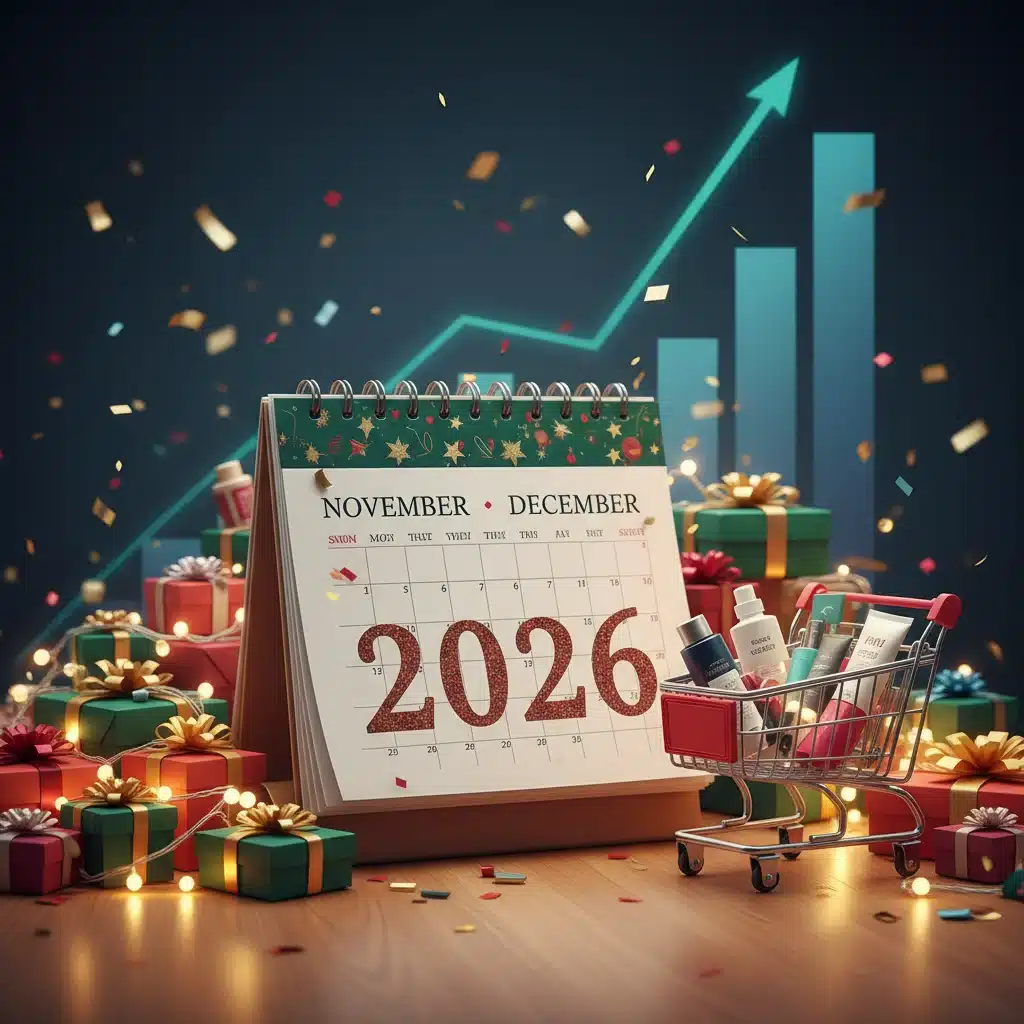
The holiday season is a make-or-break period for many businesses, often accounting for a significant portion of annual revenue. While 2025 might seem distant, the most successful businesses are already looking ahead to Holiday Season Planning for 2026. Proactive, strategic planning is not just an advantage; it’s a necessity for achieving substantial growth. Our goal with this comprehensive guide is to equip you with the insights and actionable strategies to target and achieve a remarkable 12% revenue boost during the Holiday Season 2026.
Gone are the days when last-minute campaigns sufficed. The modern consumer is discerning, the market is saturated, and competition is fierce. To truly stand out and capitalize on the festive shopping frenzy, businesses must lay the groundwork well in advance. This means understanding market trends, optimizing supply chains, crafting compelling marketing narratives, and refining customer experiences long before the first snowflake falls. Let’s delve into how you can make Holiday Season 2026 your most profitable yet.
The Imperative of Early Holiday Season Planning
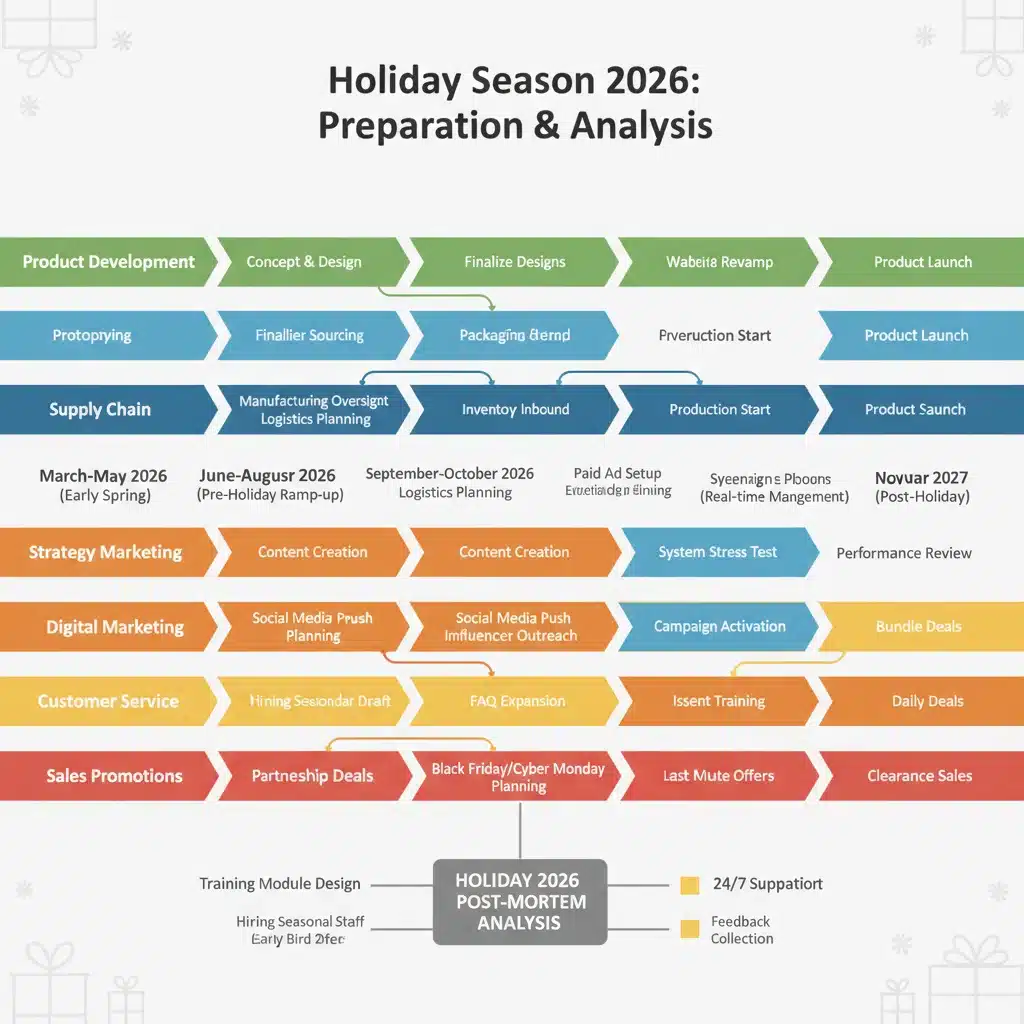
Why start planning for Holiday Season 2026 now? The answer lies in the multifaceted nature of holiday retail. It encompasses everything from product development and inventory management to marketing, logistical challenges, and post-holiday analysis. Each component requires dedicated time and attention. Delaying these crucial steps can lead to rushed decisions, missed opportunities, and ultimately, a lackluster performance.
Early Holiday Season Planning allows for a more comprehensive approach. It provides the luxury of time to research market trends, analyze past performance, identify potential pitfalls, and innovate. This strategic foresight is what differentiates market leaders from followers. By starting early, you can:
- Mitigate Risks: Identify and address potential supply chain disruptions, staffing shortages, or technical glitches before they become critical issues.
- Optimize Resources: Allocate budgets, personnel, and time more effectively across various departments.
- Innovate and Differentiate: Develop unique product offerings, marketing campaigns, and customer experiences that truly resonate with your target audience.
- Build Momentum: Launch early campaigns and build anticipation, creating a stronger foundation for sales during peak periods.
- Enhance Customer Satisfaction: A well-oiled operation translates to smoother experiences for your customers, fostering loyalty and positive word-of-mouth.
Consider the competitive landscape. Your rivals are likely already thinking about 2026. By starting your Holiday Season Planning even earlier, you gain a significant competitive edge, positioning your business to capture a larger share of the market.
Strategic Pillars for a 12% Revenue Boost in Holiday Season 2026
Achieving a 12% revenue increase isn’t a pipe dream; it’s an attainable goal with the right strategies in place. This target requires a holistic approach, focusing on several key areas that, when optimized, collectively contribute to significant growth. Here are the strategic pillars we will explore:
- Deep Dive into 2025 Performance Analysis: Understanding what worked and what didn’t.
- Market Trend Forecasting and Product Innovation: Staying ahead of consumer demands.
- Supply Chain Fortification and Inventory Management: Ensuring product availability.
- Early Bird Marketing and Campaign Strategy: Building anticipation and engagement.
- Personalization and Customer Experience Enhancement: Creating memorable shopping journeys.
- Technological Infrastructure and Website Optimization: Ensuring seamless operations.
- Staffing and Training Preparedness: Equipping your team for success.
- Post-Holiday Analysis and Future-Proofing: Learning and evolving for continuous growth.
Each of these pillars is interconnected, and success in one area often positively impacts others. Our focus on Holiday Season Planning for 2026 integrates these elements into a cohesive, actionable framework.
Pillar 1: Deep Dive into 2025 Performance Analysis
The past holds invaluable lessons for the future. Before you even think about 2026, conduct a thorough, unbiased analysis of your Holiday Season 2025 performance. This isn’t just about reviewing sales figures; it’s about understanding the ‘why’ behind the numbers.
Key Areas to Analyze:
- Sales Data Breakdown: Segment sales by product category, geographic region, customer demographic, and sales channel (online, in-store, mobile). Identify top-performing products and those that underperformed.
- Marketing Campaign Effectiveness: Evaluate the ROI of every marketing initiative. Which channels delivered the highest conversions? Which messages resonated most? Analyze email open rates, click-through rates, social media engagement, and ad campaign performance.
- Website Analytics: Dive into user behavior data. Where are customers dropping off? What pages are most popular? How was the mobile experience? Look at conversion funnels, bounce rates, and site speed.
- Customer Feedback: Scrutinize reviews, social media comments, and customer service interactions. What were common complaints or praises? This qualitative data is crucial for understanding customer sentiment.
- Operational Efficiency: Assess your supply chain, inventory accuracy, shipping times, and return processes. Were there bottlenecks? How efficient was order fulfillment?
- Competitor Analysis: What did your competitors do well? Where did they fall short? How did their pricing, promotions, and product offerings compare to yours?
Utilize these insights to identify strengths to lean into and weaknesses to rectify. For instance, if a particular product line consistently sold out, plan for increased inventory for Holiday Season Planning 2026. If a marketing channel underperformed, consider reallocating budget or refining your strategy.
Pillar 2: Market Trend Forecasting and Product Innovation
Consumer preferences are dynamic. What was popular in 2025 might not be in 2026. Effective Holiday Season Planning involves predicting future trends and innovating your product offerings accordingly.
How to Forecast and Innovate:
- Industry Reports: Subscribe to market research firms and trade publications that specialize in retail and consumer trends.
- Social Listening: Monitor social media conversations, hashtags, and influencer content to gauge emerging interests and product desires.
- Consumer Surveys and Focus Groups: Directly ask your target audience what they are looking for in the upcoming holiday season.
- Global Events and Cultural Shifts: Consider how broader societal changes, economic conditions, or new technologies might influence purchasing behavior.
- Sustainable and Ethical Consumption: These trends are growing stronger. How can your products and brand align with these values?
- Personalization and Customization: Consumers increasingly seek unique, tailored products. Can you offer personalized options or bespoke services?
Based on your findings, begin product development or sourcing efforts early in 2026. This allows ample time for design, prototyping, testing, and manufacturing. Introducing novel and desirable products can be a major driver for that 12% revenue boost.
Pillar 3: Supply Chain Fortification and Inventory Management
The Achilles’ heel of many holiday seasons is an unprepared supply chain. Global events, logistical constraints, and unexpected demand surges can cripple even the best-laid plans. Early Holiday Season Planning for 2026 must prioritize a resilient and efficient supply chain.
Actions to Take:
- Supplier Relationship Management: Strengthen ties with existing suppliers and identify alternative or backup suppliers. Negotiate contracts early to secure favorable terms and ensure production slots.
- Demand Forecasting Refinement: Use advanced analytics, AI tools, and historical data to create more accurate demand forecasts. Account for seasonality, promotional impact, and market trends.
- Inventory Optimization: Implement just-in-time (JIT) where feasible, but also build strategic buffers for high-demand items. Avoid overstocking low-performing products to prevent liquidation sales post-holiday.
- Logistics and Shipping Strategy: Review your shipping partners and explore new options. Understand their capacity, pricing, and contingency plans. Consider offering diverse shipping options (standard, express, local pickup).
- Warehousing and Fulfillment: Ensure your warehousing facilities can handle increased volume. Invest in automation if necessary. Plan for efficient picking, packing, and dispatch processes.
- Contingency Planning: Develop strategies for unexpected delays, stockouts, or sudden spikes in demand. What are your backup plans for critical components or products?
A robust supply chain ensures that products are available when customers want them, preventing lost sales and customer frustration. This foundational work is critical for achieving your 12% revenue growth target.
Pillar 4: Early Bird Marketing and Campaign Strategy
In the crowded holiday market, capturing attention early is paramount. Your Holiday Season Planning should include a phased marketing strategy that begins months before Black Friday.
Elements of an Early Bird Strategy:
- Content Marketing Calendar: Develop a content plan that builds anticipation. Start with evergreen content related to your products, then transition to gift guides, sneak peeks, and behind-the-scenes content.
- Email List Building: Intensify efforts to grow your email subscriber list throughout the year. Offer exclusive early access, discounts, or content to subscribers.
- Social Media Engagement: Start conversations, run polls, and tease upcoming products or promotions. Use platforms like Instagram, TikTok, and Pinterest for visual inspiration.
- SEO Optimization: Ensure your website content, product pages, and blog posts are fully optimized for relevant holiday keywords. This long-term strategy pays dividends during peak search periods.
- Partnerships and Collaborations: Identify potential partners (influencers, complementary businesses) for cross-promotion. Start these discussions early to secure collaborations.
- Early Access Sales: Consider offering exclusive early access to popular products or special deals for loyal customers or email subscribers. This generates buzz and rewards fidelity.
- Brand Storytelling: Craft a compelling narrative around your brand and products that resonates with the holiday spirit. Emotional connections drive purchasing decisions.
By the time competitors are just starting their holiday campaigns, your brand will already have established a strong presence and built a loyal audience, ready to convert.
Pillar 5: Personalization and Customer Experience Enhancement
In an era of endless choices, a superior customer experience (CX) and personalized interactions are powerful differentiators. For Holiday Season Planning 2026, focus on making every customer feel valued and understood.
Strategies for Enhanced CX:
- Data-Driven Personalization: Leverage customer data (purchase history, browsing behavior, demographics) to offer tailored product recommendations, personalized emails, and custom landing pages.
- Seamless Multi-Channel Experience: Ensure a consistent and integrated experience across all touchpoints – website, mobile app, social media, email, and brick-and-mortar stores.
- Proactive Customer Service: Anticipate common questions and provide easy access to FAQs, chatbots, and live chat support. Train your customer service team thoroughly on holiday policies and product knowledge.
- Simplified Checkout Process: Minimize friction in the checkout flow. Offer guest checkout, multiple payment options, and clear shipping information.
- Post-Purchase Engagement: Don’t stop after the sale. Send personalized thank-you notes, solicit feedback, and provide easy return/exchange processes. This builds loyalty for future purchases.
- Loyalty Programs: Reward repeat customers with exclusive benefits. Consider holiday-specific loyalty bonuses.
A positive customer experience not only drives immediate sales but also encourages repeat business and positive reviews, contributing significantly to long-term revenue growth.

Pillar 6: Technological Infrastructure and Website Optimization
Your digital storefront is your primary sales channel for many businesses during the holidays. It must be robust, fast, and user-friendly. Neglecting your technology in Holiday Season Planning is akin to leaving money on the table.
Critical Tech Considerations:
- Scalability: Ensure your website and hosting infrastructure can handle massive spikes in traffic without crashing or slowing down. Conduct stress tests well in advance.
- Page Speed Optimization: Every second counts. Optimize images, minify code, and leverage caching to ensure lightning-fast load times, especially on mobile.
- Mobile Responsiveness: A significant portion of holiday shopping happens on mobile devices. Your website must offer a flawless mobile experience.
- Security: Strengthen cybersecurity measures to protect customer data and prevent breaches, which can severely damage trust and reputation.
- Payment Gateway Reliability: Test all payment gateways to ensure they are functioning correctly and can process high volumes of transactions. Offer diverse payment options.
- CRM and Marketing Automation: Ensure your customer relationship management (CRM) and marketing automation platforms are integrated and optimized for holiday campaigns and follow-ups.
- Analytics and Reporting Tools: Verify that all tracking and reporting tools are correctly implemented to monitor performance in real-time during the holiday rush.
Investing in a solid technological foundation is an investment in uninterrupted sales and a smooth customer journey, directly impacting your 12% revenue growth target.
Pillar 7: Staffing and Training Preparedness
Your team is your most valuable asset, especially during the demanding holiday season. Proper staffing and thorough training are essential components of effective Holiday Season Planning.
Key Steps for Workforce Readiness:
- Demand-Based Staffing: Forecast staffing needs across all departments (sales, customer service, warehouse, marketing) based on projected sales and historical data. Begin recruitment for seasonal staff early.
- Comprehensive Training Programs: Train all staff, both permanent and seasonal, on new products, holiday promotions, customer service protocols, return policies, and system procedures.
- Cross-Training: Cross-train employees in different roles to provide flexibility and coverage during peak times or unexpected absences.
- Empowerment and Motivation: Empower your team to make decisions and resolve customer issues. Foster a positive work environment and offer incentives to maintain high morale during stressful periods.
- Communication Protocols: Establish clear communication channels and protocols to ensure information flows efficiently between departments.
- Post-Holiday Support: Plan for adequate staffing post-holiday for returns, exchanges, and customer service inquiries.
A well-prepared and motivated team can handle the holiday rush with efficiency and grace, turning potential problems into positive customer interactions.
Pillar 8: Post-Holiday Analysis and Future-Proofing
While the focus is on achieving a 12% revenue boost during Holiday Season 2026, the work doesn’t end on December 31st. The post-holiday period is crucial for consolidating gains and preparing for future growth.
Actions for Post-Holiday Success:
- Immediate Performance Review: Conduct a rapid review of key metrics immediately after the holiday period to identify immediate successes and areas for improvement.
- Detailed Post-Mortem Analysis: Once the dust settles, perform a comprehensive post-mortem analysis of the entire holiday season. Gather feedback from all departments.
- Customer Feedback Loop: Continue to collect and analyze customer feedback. What did they like? What could be improved?
- Inventory Clearance Strategy: Develop a plan for efficiently clearing any remaining holiday inventory to avoid carrying costs and make way for new products.
- Budget Reconciliation: Review actual expenditures against budgeted amounts and adjust future financial planning.
- Knowledge Management: Document all lessons learned, best practices, and new challenges encountered. This institutional knowledge is invaluable for future Holiday Season Planning.
- Start Planning for 2027: Yes, you read that right! The cycle of continuous improvement means taking the insights from 2026 and immediately beginning to think about how to apply them for an even more successful 2027.
This continuous loop of planning, execution, analysis, and adaptation is the hallmark of enduring business success and ensures that your 12% revenue boost isn’t just a one-time event, but a stepping stone to sustained growth.
Conclusion: Your Path to a 12% Revenue Boost in Holiday Season 2026
The Holiday Season 2026 presents an incredible opportunity for businesses to significantly increase their revenue. However, this potential can only be fully realized through meticulous, proactive, and strategic Holiday Season Planning. By starting early and focusing on the eight strategic pillars outlined in this guide – from deep performance analysis and trend forecasting to supply chain fortification, early marketing, enhanced customer experience, robust technology, prepared staffing, and continuous post-holiday review – you are not just preparing for a successful season; you are building a resilient, innovative, and customer-centric business model.
Aiming for a 12% revenue boost is an ambitious yet achievable goal. It demands dedication, foresight, and a willingness to adapt. The time to begin this journey is now. Don’t wait for the last minute; empower your business with the strategic advantage that only early and comprehensive planning can provide. By following these guidelines, you will not only navigate the complexities of the holiday retail landscape but also emerge as a leader, celebrating a truly triumphant Holiday Season 2026.