Actionable Data: US Retailers & Social Commerce Engagement 2026

In the rapidly evolving landscape of modern retail, the confluence of social media and e-commerce has given rise to a powerful new frontier: social commerce. For US retailers, this isn’t just a fleeting trend; it’s a fundamental shift in consumer behavior and a colossal opportunity for growth. Projections indicate a substantial 12% uptick in
social commerce engagement
by 2026, signaling an imperative for businesses to not only understand but strategically leverage this momentum. This comprehensive guide will delve into the actionable data and strategies US retailers can employ to transform increased engagement into tangible sales and sustained customer loyalty.
The digital storefront is no longer confined to a website. It has expanded into the dynamic, interactive realms of social platforms, where discovery, interaction, and purchase often happen seamlessly within the same app. This integration offers unprecedented opportunities for retailers to connect with their audience on a more personal, immediate, and impactful level. However, simply having a social media presence is no longer enough. The key lies in understanding the nuances of
social commerce engagement
, analyzing the data it generates, and converting those insights into a robust, revenue-generating strategy.
The Rise of Social Commerce: A Data-Driven Overview
To fully grasp the significance of the projected 12% increase in
social commerce engagement
, it’s crucial to examine the underlying factors driving this trend. Consumers, particularly younger demographics, are spending an increasing amount of time on social media platforms, not just for entertainment but for product discovery, reviews, and direct purchasing. This behavioral shift is fueled by several key elements:
- Seamless User Experience: Platforms like Instagram, Facebook, TikTok, and Pinterest have invested heavily in integrating shopping features directly into their interfaces, allowing users to browse, click, and buy without leaving the app. This frictionless experience removes barriers to purchase.
- Influencer Marketing & User-Generated Content: Trust in traditional advertising is waning. Consumers increasingly rely on recommendations from influencers and peers. Social commerce thrives on user-generated content (UGC), reviews, and authentic endorsements, which build credibility and drive purchasing decisions.
- Personalization & Discovery: Social algorithms are incredibly adept at understanding user preferences and serving up highly relevant product recommendations. This personalized discovery process often leads to impulse purchases and introduces consumers to brands they might not have found otherwise.
- Interactive Features: Live shopping events, shoppable posts, polls, and Q&A sessions create an interactive and engaging shopping environment that mimics the in-store experience, fostering a sense of community and urgency.
- Mobile-First Approach: The vast majority of social media consumption occurs on mobile devices. Social commerce is inherently mobile-optimized, catering to the on-the-go shopping habits of modern consumers.
The 12% surge isn’t just a number; it represents millions of potential new customer interactions and transactions waiting to be captured by savvy US retailers. Ignoring this trend is akin to ignoring the internet in the early 2000s; it’s a missed opportunity that could leave businesses behind their competitors.
Understanding Your Audience: The Foundation of
Social Commerce Engagement
Before diving into specific tactics, retailers must first have a profound understanding of their target audience on social platforms. This involves more than just demographic data; it requires psychographic insights, behavioral patterns, and an understanding of which platforms your audience frequents and how they interact on each. Data analytics is the cornerstone here.
Leveraging Data for Audience Insights:
- Social Listening: Monitor conversations around your brand, products, and industry. What are people saying? What are their pain points? What trends are emerging? Tools like Brandwatch, Sprout Social, and Hootsuite can provide invaluable insights.
- Platform Analytics: Each social media platform offers its own analytics suite. Dive deep into Instagram Insights, Facebook Business Suite, TikTok Analytics, and Pinterest Analytics to understand who your followers are, their engagement patterns, peak activity times, and content preferences.
- Customer Relationship Management (CRM) Integration: Connect your social data with your CRM system. This allows for a holistic view of the customer, linking their social interactions to their purchase history, email engagement, and website visits. This integrated data provides a 360-degree customer profile.
- Sentiment Analysis: Go beyond just tracking mentions. Use AI-powered tools to understand the emotional tone of conversations about your brand. Positive sentiment indicates success, while negative sentiment highlights areas for improvement.
By meticulously gathering and analyzing this data, US retailers can create highly targeted content, campaigns, and product offerings that resonate deeply with their audience, thereby maximizing
social commerce engagement
.
Strategies for Maximizing
Social Commerce Engagement
and Conversions
With a clear understanding of the audience and the overall market shift, retailers can implement specific strategies to not only attract but also convert social media users into loyal customers. The goal is to create a seamless, enjoyable, and trustworthy shopping experience directly within social channels.
1. Optimize for Shoppable Content:
The most direct path to social commerce success is to make your content shoppable. Most major platforms now offer features that allow users to purchase directly from posts, stories, and live streams.
- Instagram Shopping & Product Tags: Tag products directly in your posts and stories, enabling users to tap and view product details or make a purchase.
- Facebook Shops: Create a customizable storefront on Facebook and Instagram, allowing customers to browse and buy products directly.
- Pinterest Buyable Pins: Turn your pins into direct sales opportunities. Pinterest is a powerful discovery engine, and buyable pins streamline the path to purchase.
- TikTok Shopping & Live Streams: Leverage TikTok’s immense reach with in-app shopping features and host live shopping events that combine entertainment with immediate purchase options.
- Interactive Polls & Quizzes: Use interactive elements in stories and posts to gauge interest in products and provide direct links to purchase based on responses.
2. Harness the Power of Influencers and User-Generated Content:
Authenticity drives
social commerce engagement
. Consumers trust recommendations from people they perceive as genuine.
- Micro-Influencers: Partner with micro-influencers whose audiences are highly engaged and niche. Their recommendations often carry more weight than those from mega-influencers.
- Affiliate Programs: Implement affiliate programs where influencers earn a commission on sales generated through their unique links.
- User-Generated Content Campaigns: Encourage customers to share photos and videos of themselves using your products with a specific hashtag. Reposting this content not only provides free marketing but also builds community and trust.
- Customer Reviews & Testimonials: Actively solicit and showcase customer reviews directly on your social platforms. Video testimonials can be particularly powerful.
3. Personalization at Scale:
The beauty of social media algorithms is their ability to personalize content. Retailers must tap into this to deliver relevant product recommendations and experiences.
- Dynamic Product Ads: Use Facebook and Instagram’s dynamic product ads to retarget users with products they’ve viewed on your website or related items based on their browsing history.
- Segmented Content: Based on your audience data, create different content segments for different customer groups. A Gen Z audience on TikTok will respond differently to content than a millennial audience on Instagram.
- AI-Powered Recommendations: Implement AI tools that can analyze social interactions and suggest products that align with individual user preferences, enhancing the shopping experience and increasing the likelihood of purchase.
4. Embrace Live Shopping and Interactive Experiences:
Live shopping events are booming, offering a dynamic and interactive way to showcase products and drive immediate sales.
- Host Regular Live Streams: Schedule regular live shopping sessions featuring product demonstrations, Q&As, and exclusive offers. Interact with viewers in real-time, answering questions and building rapport.
- Collaborate with Experts: Bring in product experts, designers, or stylists for live sessions to add credibility and unique perspectives.
- Gamification: Incorporate elements of gamification, such as quizzes, polls, and limited-time discounts during live events to boost
social commerce engagement
and create urgency.
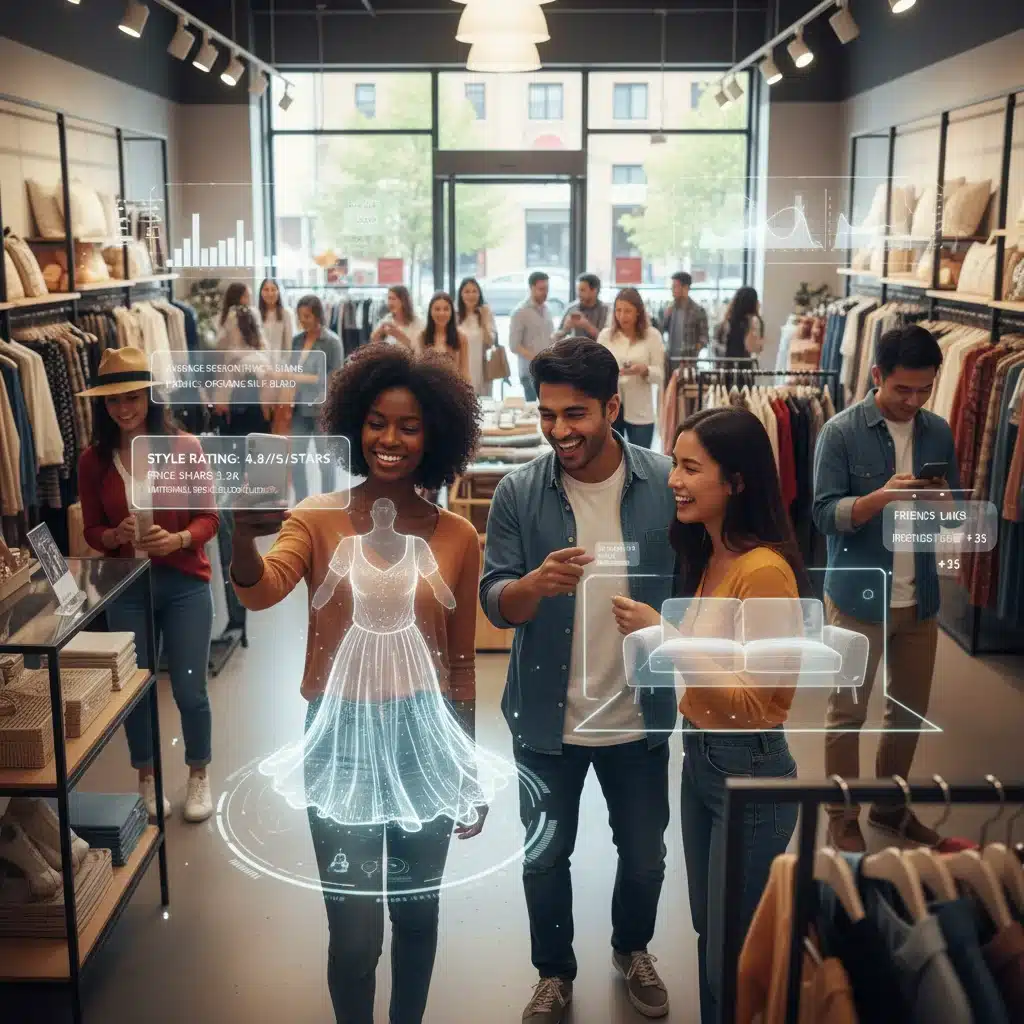
- Augmented Reality (AR) Filters: Allow customers to ‘try on’ clothes, visualize furniture in their homes, or test makeup shades using AR filters directly within social apps. This reduces returns and enhances the shopping experience.
5. Seamless Customer Service and Support:
Social media is often the first point of contact for customer inquiries. Providing excellent, responsive service on these platforms is crucial for building trust and loyalty.
- Dedicated Social Customer Service Team: Ensure you have a team monitoring social channels for comments, messages, and reviews, ready to respond promptly and effectively.
- Chatbots for FAQs: Implement AI-powered chatbots to handle common questions, freeing up human agents for more complex issues.
- Direct Messaging for Support: Offer customer support via direct messages on platforms like Instagram and Facebook Messenger. This provides a private, convenient channel for assistance.
Measuring Success: Key Metrics for
Social Commerce Engagement
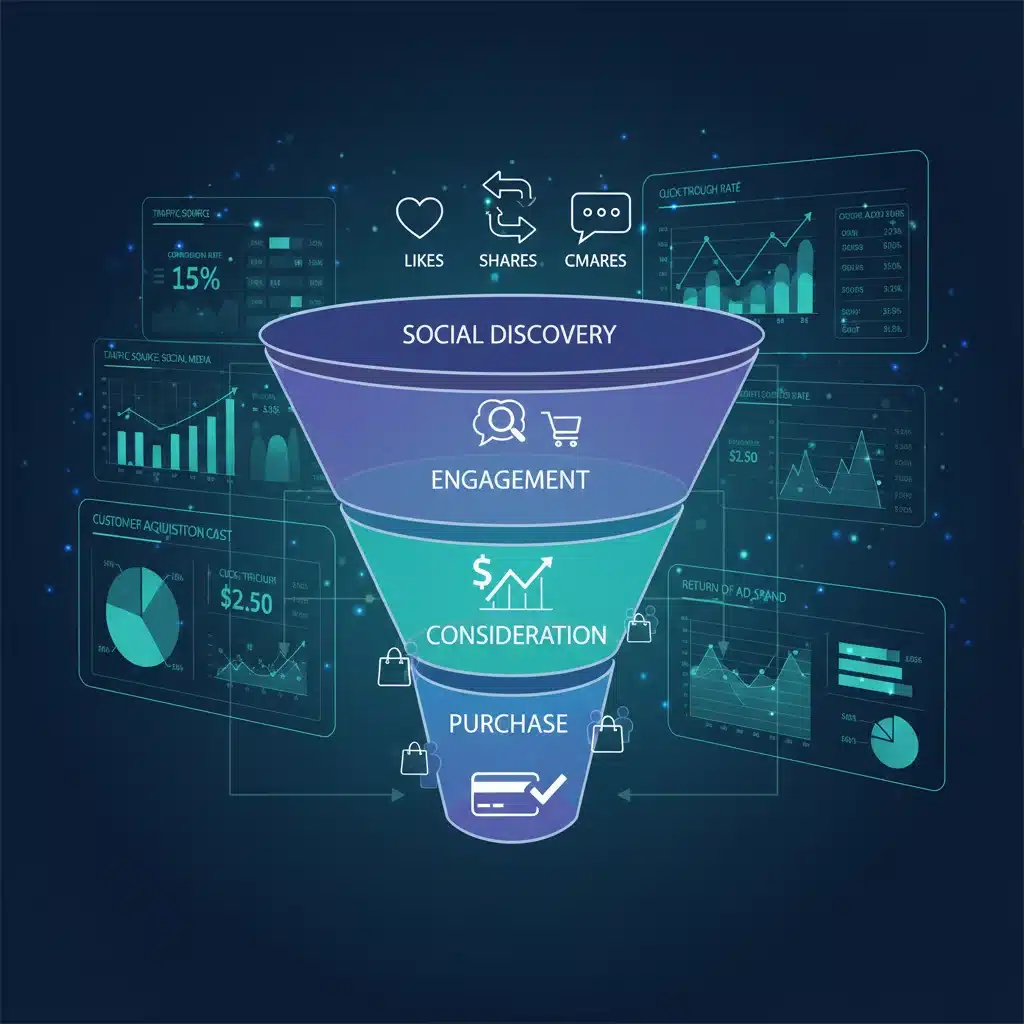
To effectively leverage the 12% uptick, US retailers must continuously monitor and analyze their social commerce efforts. Key performance indicators (KPIs) will provide insights into what’s working and what needs adjustment.
Essential Metrics to Track:
- Engagement Rate: This is a fundamental metric for
social commerce engagement
, measuring likes, comments, shares, and saves relative to your follower count or reach. A higher engagement rate indicates content resonance.
- Conversion Rate: Track the percentage of social media users who complete a purchase after interacting with your content. This is the ultimate measure of social commerce effectiveness.
- Referral Traffic from Social: Monitor how much traffic your social channels are driving to your e-commerce site.
- Return on Ad Spend (ROAS): For paid social campaigns, ROAS measures the revenue generated for every dollar spent on advertising.
- Average Order Value (AOV) from Social: Is the average value of purchases originating from social commerce higher or lower than other channels?
- Customer Lifetime Value (CLTV) from Social: Understand the long-term value of customers acquired through social channels. Are they more loyal or prone to repeat purchases?
- Mentions & Sentiment: Beyond just numbers, track brand mentions and the overall sentiment surrounding your brand on social media.
- Reach & Impressions: How many unique users are seeing your content (reach) and how many times your content is displayed (impressions).
Regularly reviewing these metrics allows retailers to refine their strategies, optimize campaigns, and ensure they are making the most of the growing
social commerce engagement
.
Challenges and Considerations for US Retailers
While the opportunities are vast, US retailers should also be aware of potential challenges and best practices to mitigate them.
1. Data Privacy and Trust:
Consumers are increasingly concerned about data privacy. Retailers must be transparent about data collection and usage, and ensure compliance with regulations like CCPA. Building trust is paramount for sustained
social commerce engagement
.
2. Platform Algorithms:
Social media algorithms are constantly changing, which can impact content visibility. Staying updated on algorithm changes and diversifying content strategies across platforms is essential.
3. Content Fatigue:
The sheer volume of content on social media means retailers must work harder to stand out. High-quality, creative, and value-driven content is key to capturing and maintaining attention.
4. Integration with Existing Systems:
Seamless integration between social commerce platforms, e-commerce sites, inventory management, and CRM systems is crucial for a smooth operation. Investing in robust integration solutions will prevent headaches down the line.
5. Measuring ROI Accurately:
Attributing sales directly to social commerce can sometimes be complex, especially with multi-touch customer journeys. Implementing advanced attribution models can help retailers understand the true return on their social commerce investments.
The Future of
Social Commerce Engagement
: What’s Next?
As we look towards 2026 and beyond, several emerging trends will continue to shape the landscape of
social commerce engagement
:
- Further AI and AR Integration: Expect more sophisticated AI-powered personalization and even more immersive AR shopping experiences. Virtual try-ons, virtual showrooms, and AI-driven stylist recommendations will become commonplace.
- Metaverse Commerce: While still nascent, the metaverse presents a long-term opportunity for retailers to create virtual storefronts and unique shopping experiences within virtual worlds.
- Voice Commerce: As voice assistants become more integrated into daily life, voice-activated shopping on social platforms could emerge as a significant channel.
- Hyper-Personalization: Moving beyond basic recommendations, social commerce will leverage even more granular data to offer truly unique and individualized shopping journeys.
- Sustainability and Ethical Sourcing: Consumers are increasingly demanding transparency. Social commerce platforms will likely see a rise in features that highlight a brand’s sustainability efforts and ethical practices.
- Creator Economy Integration: The line between content creators and sellers will blur further, with more individuals and small businesses directly selling products through their social channels.
US retailers who stay ahead of these trends, continuously experiment, and prioritize data-driven decision-making will be best positioned to capitalize on the sustained growth in
social commerce engagement
.
Conclusion: Seizing the
Social Commerce Engagement
Opportunity
The projected 12% uptick in
social commerce engagement
by 2026 is not merely a statistic; it’s a clear indicator of a transformative period for US retail. This shift presents an unparalleled opportunity for businesses to connect with customers, build brand loyalty, and drive significant sales through social channels. Success in this new paradigm hinges on a few critical pillars:
- Data-Driven Decision Making: Understand your audience deeply through comprehensive analytics and social listening.
- Seamless Shoppable Experiences: Integrate direct purchasing options across all relevant social platforms.
- Authenticity and Trust: Leverage user-generated content and influencer partnerships to build credibility.
- Interactive and Immersive Content: Embrace live shopping, AR, and other interactive features to create engaging experiences.
- Exceptional Customer Service: Provide responsive and helpful support directly on social channels.
- Continuous Optimization: Regularly monitor KPIs and adapt strategies based on performance data.
For US retailers, the time to act is now. By strategically embracing and optimizing for increased
social commerce engagement
, businesses can not only meet but exceed their growth objectives, securing a strong, resilient future in the digital marketplace. The future of retail is social, and those who master its intricacies will reap the greatest rewards.