Data-Driven Merchandising: Boost Retail Sales 8% by 2026
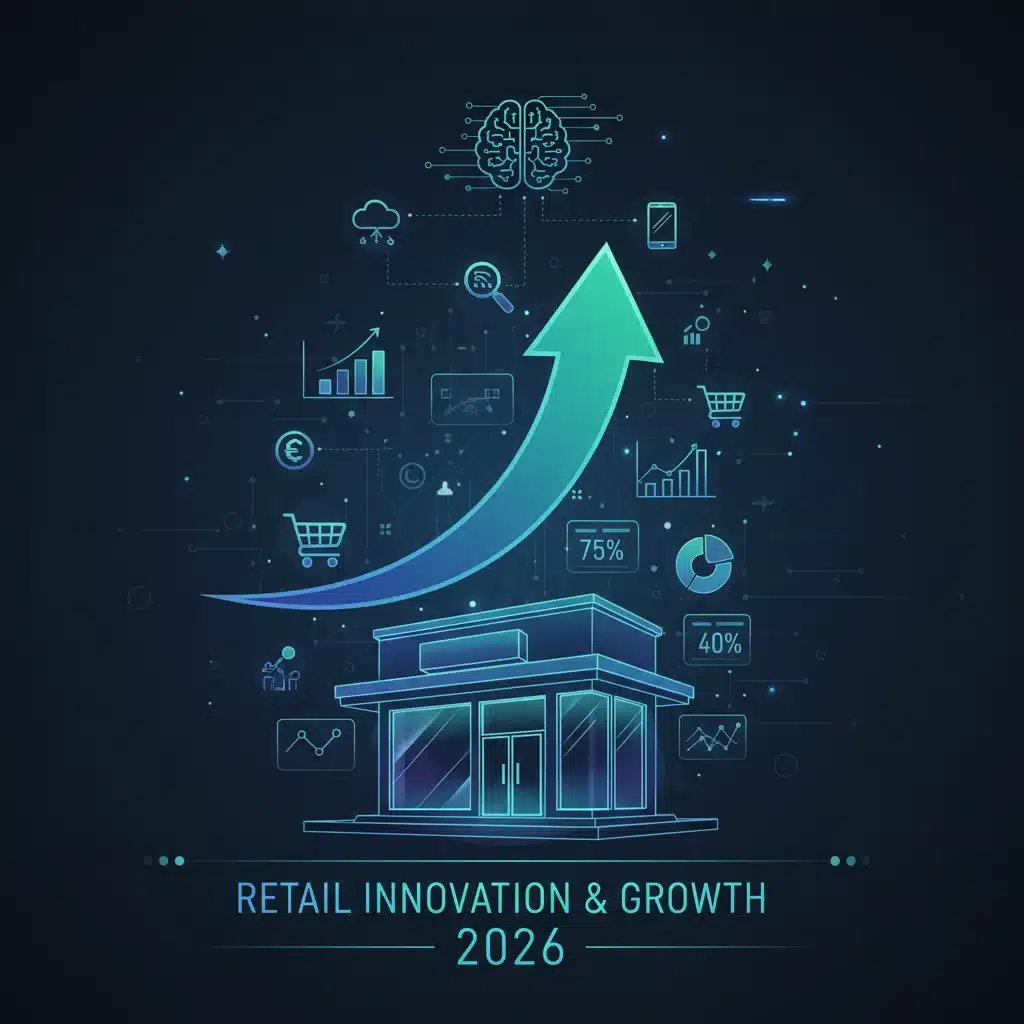
Data-Driven Merchandising: How Top US Retailers are Achieving 8% Higher Sales per Square Foot in 2026
The retail landscape is in a constant state of flux, driven by evolving consumer behaviors, technological advancements, and fierce competition. In this dynamic environment, merely stocking shelves and hoping for the best is a recipe for stagnation. Forward-thinking US retailers are not just surviving; they are thriving by embracing data-driven merchandising. This powerful approach is projected to help top performers achieve an impressive 8% higher sales per square foot by 2026, setting a new benchmark for success in the industry. But what exactly is data-driven merchandising, and how can your business leverage it to unlock similar growth?
This comprehensive guide will delve deep into the world of data-driven merchandising, exploring its core principles, the technologies that power it, and the strategic advantages it offers. We’ll examine how leading retailers are using insights from vast datasets to optimize everything from product assortment and pricing to store layouts and promotional activities. By the end of this article, you’ll have a clear understanding of how to implement these strategies within your own organization to significantly enhance your retail performance and secure a competitive edge in the years to come.
What is Data-Driven Merchandising?
Data-driven merchandising is a strategic approach that utilizes insights gleaned from various data sources to make informed decisions about product selection, pricing, placement, promotion, and inventory management. Instead of relying on intuition or historical trends alone, retailers harness the power of analytics to understand customer preferences, market demands, and operational efficiencies with unprecedented precision. This methodology moves beyond traditional merchandising by integrating real-time data from sales, customer interactions, supply chain, and external market factors to create a more responsive and profitable retail operation.
The Evolution from Traditional to Data-Driven
Historically, merchandising decisions were often based on a blend of experience, vendor relationships, and rudimentary sales reports. While effective to a degree, this approach was prone to inefficiencies, stockouts, overstocking, and missed opportunities. The digital age, however, has ushered in an era of abundant data. Every customer click, every purchase, every social media interaction, and every supply chain movement generates valuable information. Data-driven merchandising capitalizes on this wealth of data, transforming raw information into actionable intelligence. It’s about moving from reactive decision-making to proactive, predictive strategies that anticipate market shifts and consumer needs.
Key Components of Data-Driven Merchandising
- Customer Analytics: Understanding who your customers are, what they buy, when they buy it, and why. This includes demographic data, purchase history, browsing behavior, and feedback.
- Sales Performance Data: Analyzing sales velocity, product profitability, return rates, and promotional effectiveness across different channels and locations.
- Inventory Data: Tracking stock levels, replenishment cycles, lead times, and warehousing costs to optimize inventory flow and minimize waste.
- Market & Competitor Data: Monitoring pricing strategies, product launches, promotional activities, and consumer sentiment across the broader market and among competitors.
- Supply Chain Data: Gaining insights into supplier performance, logistics efficiency, and potential disruptions to ensure product availability.
By integrating and analyzing these diverse data sets, retailers can develop a holistic view of their business and make merchandising decisions that are not only efficient but also highly tailored to their target audience. This integration is what empowers top US retailers to achieve that impressive 8% higher sales per square foot.
The Power of Analytics: Driving 8% Higher Sales per Square Foot
The 8% sales per square foot increase isn’t an arbitrary number; it’s a testament to the tangible impact of data-driven merchandising. This improvement stems from several key areas where data analytics provides a significant advantage.
Optimizing Product Assortment and Placement
One of the most immediate benefits of data-driven merchandising is the ability to fine-tune product assortments. By analyzing sales data, customer demographics, and even local weather patterns, retailers can stock stores with products that are most likely to sell in specific locations. For instance, a store in a college town might emphasize different products than one in a suburban family neighborhood. Data also informs product placement within a store, identifying ‘hot spots’ and ideal adjacencies to maximize impulse buys and cross-selling opportunities. This means less dead stock, more relevant offerings, and ultimately, higher sales per square foot.
Dynamic Pricing Strategies
Gone are the days of static pricing. Data-driven merchandising enables dynamic pricing, where product prices are adjusted in real-time based on demand, competitor pricing, inventory levels, and even time of day. Algorithms can identify the optimal price point that maximizes both sales volume and profit margins. This doesn’t just mean lowering prices during slow periods; it also means identifying opportunities to increase prices for high-demand items without deterring customers. The result is a more agile pricing strategy that directly contributes to increased revenue.
Personalized Customer Experiences
In today’s competitive market, personalization is paramount. Data allows retailers to understand individual customer preferences and tailor recommendations, promotions, and even in-store experiences. Imagine a customer receiving a personalized discount on an item they viewed online, or a store associate being prompted to suggest complementary products based on a customer’s past purchases. This level of personalization fosters loyalty, increases conversion rates, and drives repeat business, directly impacting sales efficiency per square foot.
Efficient Inventory Management
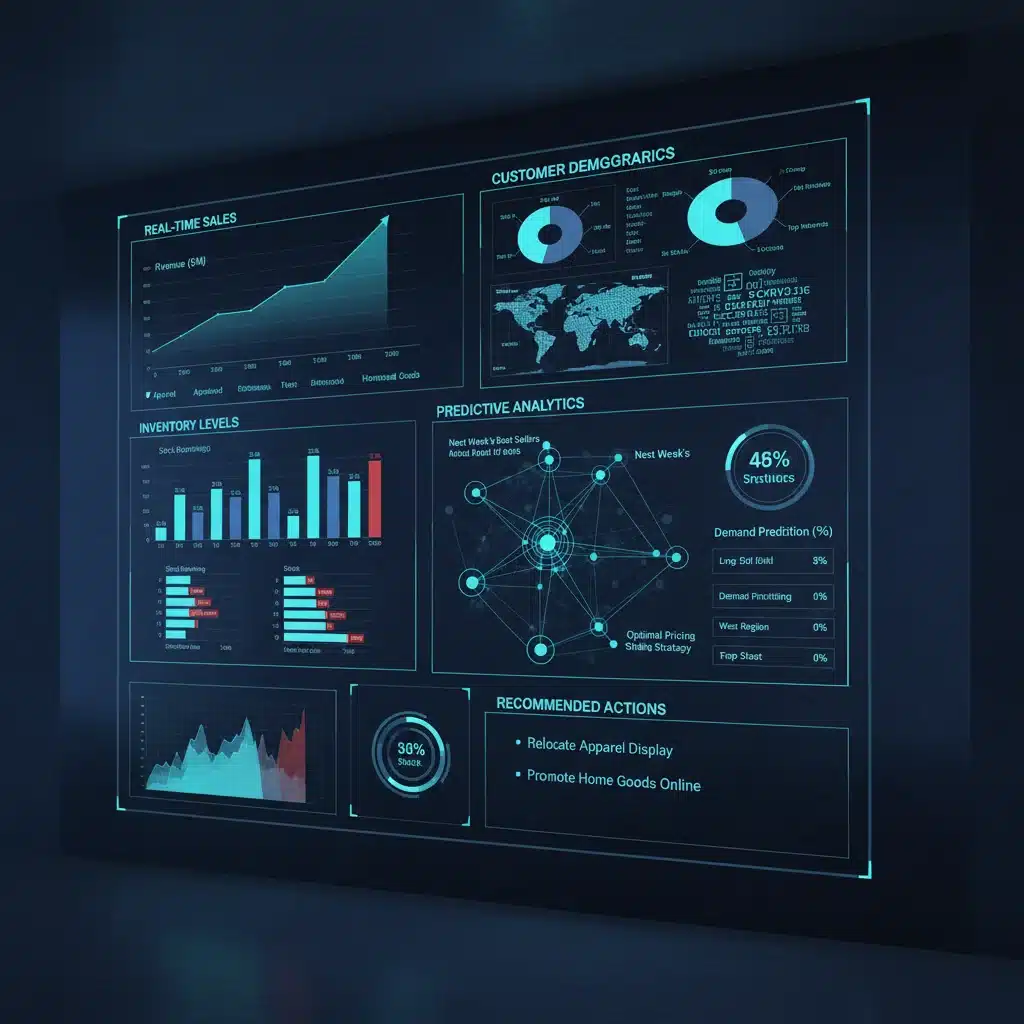
Inventory is often a retailer’s largest asset and its biggest liability. Too much inventory ties up capital and risks obsolescence, while too little leads to lost sales and customer frustration. Data-driven merchandising provides the insights needed for precise inventory forecasting. Predictive analytics can anticipate demand fluctuations, allowing retailers to optimize stock levels, reduce carrying costs, and prevent stockouts. This efficiency ensures that popular items are always available, minimizing missed sales opportunities and maximizing the productivity of every square foot of retail space.
Optimized Promotional Activities
Promotions are a powerful tool, but their effectiveness can vary wildly. Data analytics helps retailers design, execute, and measure the impact of promotional campaigns with greater accuracy. By understanding which promotions resonate with which customer segments, and through which channels, retailers can allocate their marketing budget more effectively, leading to higher ROI on promotional spend and a direct uplift in sales.
Technologies Powering Data-Driven Merchandising
Achieving the 8% sales increase isn’t just about having data; it’s about having the right tools to collect, process, and interpret that data. Several key technologies are at the forefront of enabling data-driven merchandising.
Artificial Intelligence (AI) and Machine Learning (ML)
AI and ML are the engines behind sophisticated data-driven merchandising. These technologies can process vast amounts of data, identify complex patterns, and make predictions that human analysts simply cannot. AI-powered algorithms can forecast demand with high accuracy, recommend optimal pricing, personalize product suggestions, and even detect anomalies in sales data that might indicate a trend or an issue. Machine learning models continuously learn and improve, making merchandising strategies smarter over time.
Big Data Analytics Platforms
The sheer volume, velocity, and variety of retail data necessitate robust big data analytics platforms. These platforms are designed to ingest data from multiple sources (POS systems, e-commerce, CRM, supply chain, IoT devices), store it efficiently, and enable rapid analysis. They provide the infrastructure for running complex queries and generating comprehensive reports that form the basis of data-driven merchandising decisions.
Customer Relationship Management (CRM) Systems
CRM systems are crucial for collecting and organizing customer data. They track customer interactions, purchase history, preferences, and feedback, creating a 360-degree view of each customer. When integrated with merchandising analytics, CRM data allows for highly targeted marketing campaigns, personalized product recommendations, and improved customer service, all contributing to better sales performance.
Internet of Things (IoT) in Retail
IoT devices, such as smart shelves, sensors, and RFID tags, are providing new streams of real-time data from the physical store environment. These devices can track inventory movement, monitor customer traffic patterns, measure dwell times in specific aisles, and even gauge product interaction. This granular data from the physical store complements online data, offering a complete picture of customer behavior and operational efficiency, directly impacting data-driven merchandising strategies for store layout and product placement.
Predictive Analytics Software
Predictive analytics uses statistical algorithms and machine learning techniques to identify the likelihood of future outcomes based on historical data. For merchandising, this means forecasting future demand for specific products, predicting the impact of price changes, anticipating inventory needs, and even identifying potential customer churn. This foresight is invaluable for proactive and profitable merchandising decisions.
Implementing Data-Driven Merchandising: A Step-by-Step Guide
Adopting a data-driven merchandising approach requires a systematic strategy. Here’s a roadmap for retailers looking to achieve that 8% sales increase.
1. Define Clear Objectives and KPIs
Before diving into data, clearly define what you want to achieve. Are you aiming to reduce stockouts, increase average transaction value, improve customer retention, or boost sales per square foot? Establish specific, measurable, achievable, relevant, and time-bound (SMART) Key Performance Indicators (KPIs) that will guide your data collection and analysis efforts. For example, a KPI could be ‘increase sales per square foot by 5% in Q3 through optimized product placement.’
2. Consolidate and Cleanse Data Sources
Data often resides in silos across various systems (POS, e-commerce, ERP, CRM). The first critical step is to integrate these disparate sources into a centralized data warehouse or lake. Equally important is data cleansing – removing inaccuracies, duplicates, and inconsistencies to ensure the data you’re analyzing is reliable and trustworthy. Garbage in, garbage out applies strongly here.
3. Invest in the Right Technology Stack
As discussed, robust analytics platforms, AI/ML tools, and integrated CRM systems are essential. Evaluate your current technology infrastructure and identify gaps. Consider cloud-based solutions for scalability and flexibility, especially if you’re a growing retailer. The right technology will enable efficient data processing and insightful reporting for your data-driven merchandising initiatives.
4. Build a Data-Savvy Team
Technology alone isn’t enough. You need people who can interpret the data and translate insights into actionable merchandising strategies. This might involve hiring data scientists and analysts, or upskilling your existing merchandising team. Foster a culture of data literacy where decision-making is consistently backed by evidence.
5. Start Small, Iterate, and Scale
Don’t try to overhaul everything at once. Begin with a pilot project in a specific category or a few stores. For example, optimize the assortment for a single product line or implement dynamic pricing for a small group of items. Analyze the results, learn from successes and failures, and then iterate and scale your efforts across the broader organization. This agile approach minimizes risk and builds confidence in the data-driven merchandising methodology.
6. Continuously Monitor and Adapt
The retail environment is dynamic. What works today might not work tomorrow. Data-driven merchandising is an ongoing process of monitoring performance, analyzing new data, and adapting strategies. Regularly review your KPIs, conduct A/B testing for different merchandising approaches, and stay abreast of market trends and technological advancements. This continuous cycle of improvement is key to sustaining the 8% sales growth and beyond.

Case Studies: US Retailers Leading the Way
Numerous US retailers are already reaping the rewards of data-driven merchandising. While specific sales per square foot numbers are often proprietary, their public successes illustrate the power of this approach.
Major Apparel Retailer: Personalized Recommendations
A prominent apparel retailer leveraged AI and customer purchase history to offer highly personalized product recommendations both online and in-store. By analyzing browsing behavior, past purchases, and even social media sentiment, they were able to suggest outfits and accessories that resonated with individual customers. This led to a significant increase in average transaction value and improved customer loyalty, directly impacting sales efficiency.
Grocery Chain: Optimized Shelf Space
A national grocery chain utilized IoT sensors and sales data to optimize product placement and shelf space allocation. They identified underperforming products and replaced them with high-demand items, while also optimizing the layout of fresh produce sections based on customer traffic patterns and purchasing habits. This strategic use of data resulted in reduced waste, faster inventory turnover, and a measurable increase in sales per square foot in pilot stores.
Electronics Giant: Dynamic Pricing and Promotions
An electronics retailer implemented dynamic pricing models that adjusted prices based on competitor offerings, inventory levels, and real-time demand. They also used predictive analytics to launch targeted promotions during peak demand periods for specific product categories. This agile pricing and promotional strategy allowed them to capture market share, maximize revenue during sales events, and maintain healthy profit margins, contributing to overall sales growth.
Challenges and Considerations in Data-Driven Merchandising
While the benefits are clear, implementing data-driven merchandising isn’t without its challenges. Retailers must be aware of these hurdles to navigate their journey successfully.
Data Privacy and Security
Collecting and analyzing vast amounts of customer data raises significant privacy concerns. Retailers must ensure compliance with regulations like CCPA and future data protection laws. Building customer trust through transparent data practices and robust security measures is paramount to avoid reputational damage and legal repercussions.
Data Silos and Integration Issues
Many legacy systems were not designed to communicate seamlessly. Integrating data from disparate sources can be complex, time-consuming, and expensive. Overcoming data silos requires a strategic approach to IT infrastructure and potentially significant investment in integration technologies.
Talent Gap
The demand for data scientists, analysts, and AI specialists far outstrips supply. Finding and retaining talent with the necessary skills to implement and manage data-driven merchandising initiatives can be a major challenge. Investing in training existing staff is often a viable alternative.
Resistance to Change
Transitioning from traditional, intuition-based merchandising to a data-driven merchandising model can face internal resistance. Employees accustomed to older methods may be hesitant to embrace new technologies and processes. Effective change management, clear communication of benefits, and comprehensive training are essential for successful adoption.
Maintaining Agility and Adaptability
The retail environment is constantly evolving. While data provides valuable insights, retailers must remain agile enough to adapt to unforeseen market shifts, new technologies, and changing consumer preferences. Over-reliance on historical data without considering emergent trends can lead to missed opportunities.
The Future of Retail: Beyond 2026 with Data-Driven Merchandising
The projected 8% higher sales per square foot by 2026 is just the beginning. As data-driven merchandising technologies mature and become more integrated, the potential for further growth and innovation is immense.
Hyper-Personalization at Scale
Expect even more granular personalization, potentially down to individual product features or unique bundles created on the fly based on real-time customer behavior and preferences. AI will enable retailers to anticipate needs before customers even express them.
Predictive Supply Chains
The integration of data-driven merchandising with advanced supply chain analytics will lead to highly autonomous and predictive supply chains. This will minimize lead times, optimize inventory across entire networks, and reduce the impact of disruptions, ensuring products are always where they need to be, when they need to be there.
Augmented Reality (AR) and Virtual Reality (VR) Integration
Data will inform AR/VR experiences in retail, allowing customers to virtually try on clothes, visualize furniture in their homes, or interact with products in new ways. Merchandising data will guide the creation of these immersive experiences, making them highly relevant and engaging.
Ethical AI and Transparent Data Usage
As AI becomes more pervasive, there will be an increased focus on ethical AI practices and transparent data usage. Retailers that can demonstrate responsible data stewardship will build stronger customer trust and loyalty, further enhancing their brand value and sales potential.
Conclusion: Embrace Data-Driven Merchandising for Future Success
The retail industry is at an inflection point. The retailers who embrace data-driven merchandising are not just gaining a competitive edge; they are fundamentally reshaping their businesses for sustained growth and profitability. The promise of 8% higher sales per square foot by 2026 is a powerful motivator, but the true value lies in building a resilient, responsive, and customer-centric retail operation.
By investing in the right technologies, fostering a data-savvy culture, and committing to continuous improvement, any retailer can embark on this transformative journey. The future of retail is data-driven, and those who lead the charge will be the ones defining success in the years to come. Don’t let your business be left behind; start your data-driven merchandising transformation today and unlock your full sales potential.