Boost In-Store Conversion: Experiential Retail Tactics for 10% Uplift
In the ever-evolving landscape of retail, simply stocking shelves and waiting for customers to buy is no longer a viable strategy. Modern consumers seek more than just transactions; they crave experiences, connections, and value that transcends the product itself. This shift has given rise to the paramount importance of experiential retail strategies. For businesses aiming to not just survive but thrive, understanding and implementing these strategies is crucial for boosting in-store conversion rates and fostering lasting customer loyalty.
The goal isn’t just to sell, but to create a memorable journey that resonates with the customer long after they’ve left your store. By focusing on engagement, immersion, and personalized interactions, retailers can transform their physical spaces into dynamic hubs that attract, retain, and convert. This comprehensive guide will delve into the core principles of experiential retail, provide actionable tactics, and outline a roadmap to achieve a significant uplift in your in-store conversion rates, targeting an ambitious 10% increase by Q3 2026.
The Paradigm Shift: Why Experiential Retail Matters Now More Than Ever
The rise of e-commerce has fundamentally altered consumer expectations. Online shopping offers unparalleled convenience, vast selections, and competitive pricing. To compete, brick-and-mortar stores must offer something e-commerce cannot: a rich, multi-sensory, and human experience. This is where experiential retail strategies come into play.
Experiential retail is not merely about window dressing; it’s about crafting an environment where customers can interact with products, brands, and each other in meaningful ways. It’s about storytelling, sensory engagement, and creating a sense of community. When customers feel connected, entertained, or educated within a retail space, they are far more likely to make a purchase and return for future engagements. This translates directly into higher in-store conversion rates and increased customer lifetime value.
Consider the data: studies consistently show that consumers are willing to pay more for a great experience. They are also more likely to recommend brands that provide memorable interactions. In a world saturated with choices, the experience itself becomes the differentiator. Implementing effective experiential retail strategies is no longer a luxury; it’s a necessity for any retailer looking to achieve sustainable growth and a competitive edge.
Defining Experiential Retail: Beyond the Transaction
At its heart, experiential retail aims to engage customers on an emotional level. It transforms shopping from a chore into an enjoyable activity, a discovery, or even a form of entertainment. This goes beyond traditional customer service; it’s about curating an entire journey.
- Engagement: Actively involving customers with products and the brand.
- Immersion: Creating an environment that captivates the senses and transports the customer.
- Personalization: Tailoring experiences to individual preferences and needs.
- Storytelling: Communicating the brand’s values, heritage, and purpose in an engaging way.
- Community: Fostering a sense of belonging and interaction among customers.
By focusing on these pillars, businesses can develop robust experiential retail strategies that resonate deeply with their target audience. The goal is to move beyond simply showcasing products to creating a holistic brand experience that encourages exploration, interaction, and ultimately, purchase.
Pillars of Successful Experiential Retail Strategies
To effectively implement experiential retail, it’s essential to understand its foundational pillars. These elements, when combined strategically, create a powerful and engaging customer journey.
1. Sensory Engagement: A Feast for the Senses
The physical store offers a unique advantage over online shopping: the ability to engage all five senses. Thoughtful integration of sensory elements can significantly enhance the customer experience and drive conversions.
- Sight: Beyond attractive displays, consider lighting design, visual merchandising that tells a story, interactive digital screens, and even art installations.
- Sound: Curate background music that aligns with your brand identity and target demographic. Consider ambient sounds that enhance the product (e.g., nature sounds in an outdoor gear store).
- Smell: A signature scent can create a powerful and memorable brand association. Diffuse subtle, pleasant aromas that evoke positive emotions.
- Touch: Allow customers to physically interact with products. Provide comfortable seating, tactile displays, and samples that encourage hands-on exploration.
- Taste (where applicable): For food and beverage retailers, sampling is crucial. For other categories, consider offering complimentary refreshments that align with the brand’s aesthetic.
By consciously designing for sensory engagement, retailers can create a more immersive and enjoyable environment, making customers more receptive to products and more likely to convert. This is a cornerstone of effective experiential retail strategies.
2. Interactive Technology: Bridging Digital and Physical
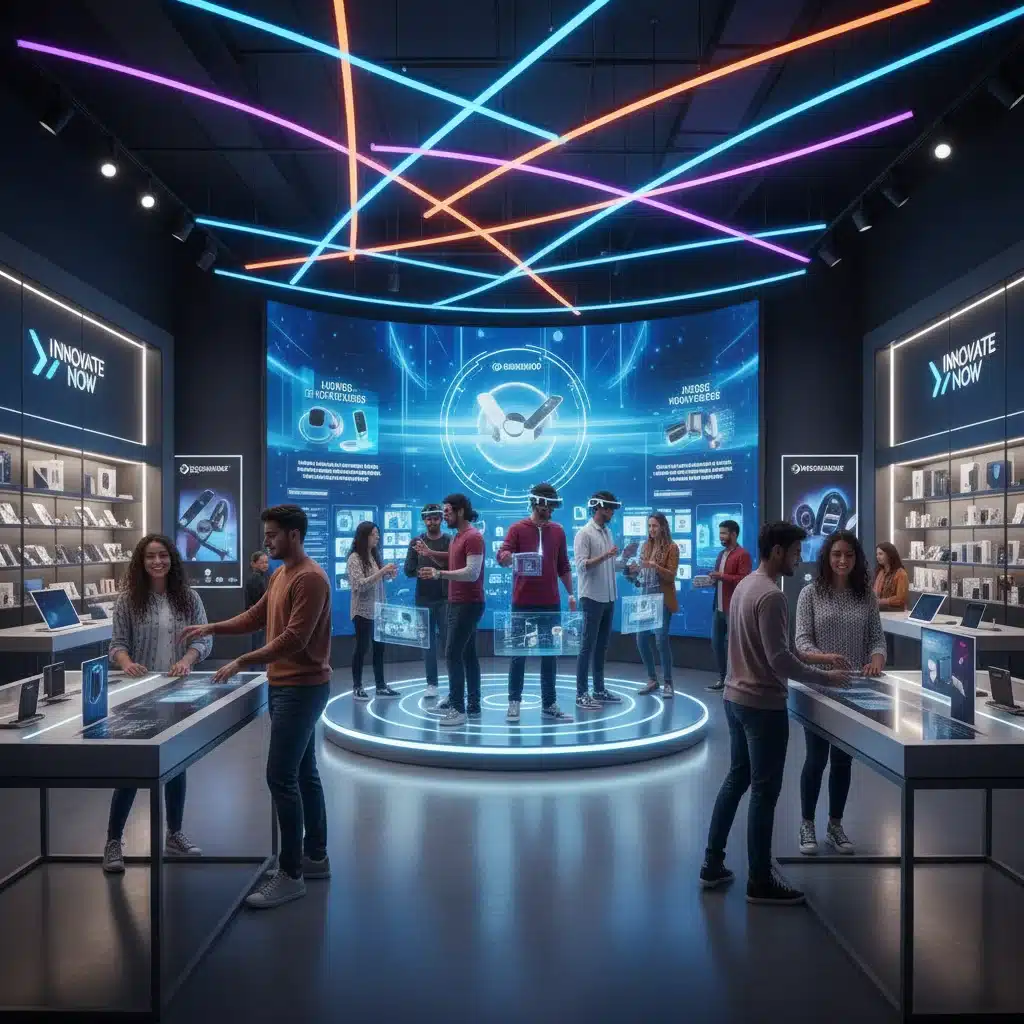
Technology isn’t just for online stores. Integrating innovative tech into physical retail spaces can create dynamic and personalized experiences that delight customers.
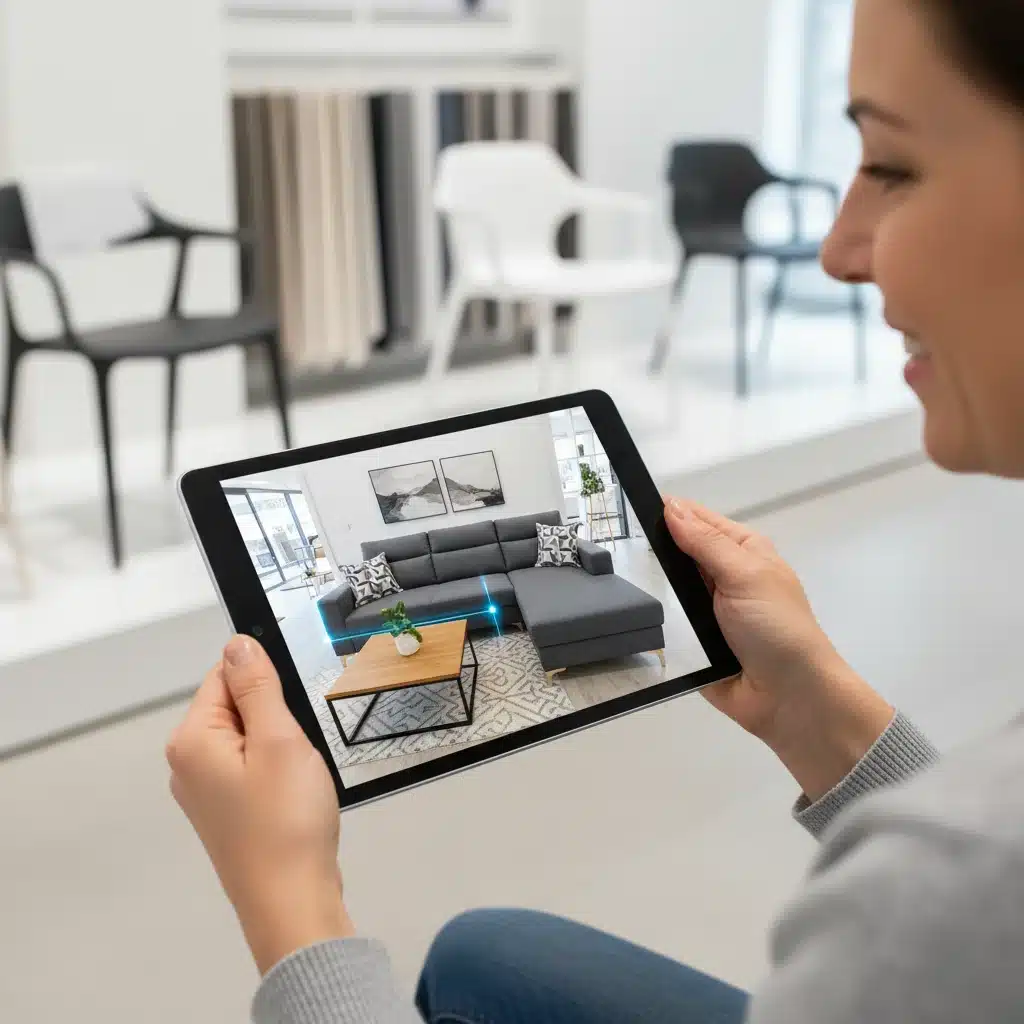
- Augmented Reality (AR) & Virtual Reality (VR): Allow customers to virtually try on clothes, visualize furniture in their homes, or explore product features in an immersive way.
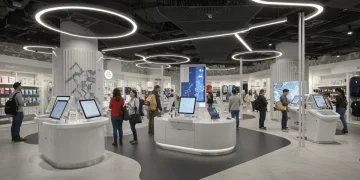
- Interactive Displays: Touchscreens, digital mirrors, and smart kiosks can provide detailed product information, styling advice, or allow customers to customize items.
- Gamification: Incorporate games, quizzes, or challenges related to your products or brand, offering rewards or discounts for participation.
- Personalized Recommendations: Use in-store beacons or Wi-Fi analytics (with customer consent) to offer personalized product suggestions or promotions based on past behavior or current location within the store.
These technological integrations not only enhance the customer journey but also provide valuable data for retailers to further refine their experiential retail strategies.
3. Events and Workshops: Building Community and Expertise
Transforming your store into a community hub through events and workshops is a powerful way to drive foot traffic, build loyalty, and showcase expertise.
- Product Demonstrations: Go beyond a simple display. Offer live demonstrations that highlight product features, benefits, and practical applications.
- Workshops & Classes: Host sessions related to your products or industry. A cooking store might offer culinary classes, a bookstore could host author readings, or a beauty store could offer makeup tutorials.
- Meet-and-Greets: Invite influencers, brand ambassadors, or local experts to engage with customers.
- Pop-Up Experiences: Collaborate with complementary brands or local artisans for unique, limited-time offerings within your store.
These activities not only drive direct sales but also position your brand as a valuable resource and a place for connection, making your store a destination rather than just a point of purchase. This is a key component of effective experiential retail strategies.
4. Personalization and Customization: Making it Their Own
In an age of mass production, consumers crave individuality. Offering personalized experiences and customizable products can significantly enhance engagement and conversion.
- Personal Shoppers/Stylists: Provide expert guidance tailored to individual customer needs and preferences.
- Customization Stations: Allow customers to personalize products, such as engraving, embroidery, or choosing specific components.
- Interactive Consultation: Use quizzes or digital tools to help customers discover products best suited for them.
- Loyalty Programs with Experiential Rewards: Offer exclusive access to events, personalized shopping experiences, or early product previews as part of your loyalty program.
When customers feel that a product or experience is uniquely theirs, their emotional connection to the brand deepens, leading to higher satisfaction and repeat business.
Implementing Experiential Retail Strategies: A Step-by-Step Roadmap
Achieving a 10% uplift in in-store conversion by Q3 2026 requires a systematic approach. Here’s a roadmap to guide your implementation:
Phase 1: Discovery and Planning (Q4 2024 – Q1 2025)
- Understand Your Customer: Conduct surveys, focus groups, and analyze existing data to deeply understand your target audience’s desires, pain points, and shopping habits. What experiences do they value?
- Define Your Brand Story: What unique narrative can your store tell? How can the physical space reflect your brand’s values and mission?
- Audit Your Current Space: Identify areas that can be transformed. What are the bottlenecks? What opportunities are being missed?
- Set Clear KPIs: Beyond conversion rates, track metrics like dwell time, customer engagement with interactive displays, event attendance, social media mentions, and customer feedback.
- Budget Allocation: Determine the resources (financial, human, technological) required for your chosen experiential retail strategies.
Phase 2: Pilot and Implementation (Q2 2025 – Q4 2025)
- Start Small, Think Big: Begin with one or two key experiential elements. This could be a dedicated workshop space, an interactive product demo zone, or a sensory corner.
- Staff Training: Your employees are crucial. Train them not just on product knowledge, but on how to facilitate experiences, engage customers, and embody your brand’s story.
- Technology Integration: Implement chosen technologies (AR apps, interactive screens) and ensure they are user-friendly and reliable.
- Marketing and Promotion: Announce your new experiences through all channels – social media, email, in-store signage, and local partnerships.
Phase 3: Optimize and Scale (Q1 2026 – Q3 2026)
- Gather Feedback: Actively solicit customer feedback on the new experiences. What’s working? What can be improved?
- Analyze Data: Continuously monitor your KPIs. Are dwell times increasing? Is engagement up? Is the conversion rate moving towards your 10% target?
- Iterate and Refine: Based on feedback and data, make adjustments to your experiential offerings. Experiment with different event formats, display technologies, or sensory elements.
- Scale Successful Initiatives: Once a particular experiential strategy proves successful, look for ways to expand it to other parts of the store or to other locations.
- Continuous Innovation: The retail landscape is always changing. Stay abreast of new trends and technologies to keep your experiential offerings fresh and exciting.

Measuring Success: Key Performance Indicators for Experiential Retail
To ensure your experiential retail strategies are yielding the desired results, it’s vital to track the right metrics. Beyond the obvious sales figures, consider these KPIs:
- Conversion Rate: The percentage of visitors who make a purchase. This is your primary target for uplift.
- Dwell Time: How long customers spend in your store. Longer dwell times often correlate with higher engagement and purchase likelihood.
- Engagement Rate: Track interactions with experiential elements (e.g., number of AR app uses, workshop attendance, time spent at interactive displays).
- Customer Feedback/Satisfaction Scores: Use surveys or feedback kiosks to gauge customer sentiment about their in-store experience.
- Repeat Visit Rate: Are customers coming back more frequently after experiencing your new initiatives?
- Social Media Mentions & User-Generated Content: Experiential retail often encourages customers to share their experiences online, providing valuable organic marketing.
- Average Transaction Value (ATV): Engaged customers may be more inclined to purchase higher-value items or more items per visit.
Regularly reviewing these metrics will provide insights into the effectiveness of your experiential retail strategies and guide future optimizations.
Case Studies: Experiential Retail in Action
Many brands have successfully leveraged experiential retail to redefine their customer relationships and boost sales:
- Lush Cosmetics: Known for its highly sensory stores where customers are encouraged to touch, smell, and try products. They also host workshops on bath bomb making, creating a fun, interactive, and educational experience.
- Apple Stores: Designed as community hubs where customers can test products, attend workshops, get technical support, and simply hang out. The emphasis is on learning and exploration, not just buying.
- Nike House of Innovation: Offers personalized styling sessions, custom shoe design studios, and immersive digital experiences that track customer activity, creating a highly tailored shopping journey.
- REI: Features climbing walls, bike repair stations, and hosts outdoor adventure classes, transforming their stores into community centers for outdoor enthusiasts.
These examples highlight that successful experiential retail strategies are diverse but share a common thread: a deep understanding of their customer and a commitment to creating memorable, engaging interactions.
Overcoming Challenges in Implementing Experiential Retail
While the benefits are clear, implementing experiential retail can come with its own set of challenges:
- Cost: Investing in technology, store redesigns, and staff training can be significant. Start with smaller, impactful initiatives and scale up.
- Measuring ROI: It can be harder to directly attribute sales to specific experiences. Use a comprehensive set of KPIs as discussed.
- Staff Buy-in and Training: Employees need to be enthusiastic facilitators, not just salespeople. Invest in thorough training and foster a culture of customer engagement.
- Maintaining Novelty: Experiences can become stale. Continuously innovate and refresh your offerings to keep customers engaged.
- Space Constraints: Not all stores have ample space. Be creative with pop-ups, temporary installations, or multi-functional zones.
Addressing these challenges proactively will ensure a smoother transition and more successful adoption of your experiential retail strategies.
The Future of Retail: A Blend of Physical and Digital Experiences
The future of retail is undoubtedly hybrid. Physical stores will continue to evolve as critical touchpoints for brand building, community engagement, and immersive experiences, while e-commerce provides convenience and vast selection. The most successful retailers will be those who seamlessly integrate their online and offline channels, creating a cohesive and enriching customer journey across all touchpoints.
By prioritizing experiential retail strategies, businesses can not only boost their in-store conversion rates but also build stronger brand loyalty, gather invaluable customer insights, and future-proof their operations in an increasingly competitive market. The 10% uplift in conversion by Q3 2026 is an ambitious yet achievable goal for those willing to innovate and put the customer experience at the heart of their retail strategy.
Conclusion: Elevate Your Store with Experiential Retail
In conclusion, the era of transactional retail is waning. The modern consumer demands more: more engagement, more connection, and more memorable experiences. By strategically implementing robust experiential retail strategies, businesses can transform their physical stores into vibrant destinations that captivate, educate, and entertain. This approach not only drives immediate sales and higher conversion rates but also cultivates a loyal customer base that champions your brand.
The journey to a 10% uplift in in-store conversion by Q3 2026 begins now. By focusing on sensory engagement, leveraging interactive technology, fostering community through events, and offering personalized experiences, you can create a retail environment that customers don’t just visit, but truly experience. Embrace the power of experiential retail, and watch your business flourish.