U.S. E-commerce Funnel Optimization: 7 Steps to 25% Conversion Lift by 2026
In the dynamic and highly competitive landscape of U.S. e-commerce, merely attracting visitors to your online store is no longer sufficient. The true measure of success lies in your ability to convert those visitors into loyal, repeat customers. This is where a meticulously optimized e-commerce funnel becomes your most powerful asset. For businesses aiming to not just survive but thrive, understanding and refining each stage of the customer journey is paramount. We’re not just talking about incremental gains; we’re talking about a strategic overhaul designed to deliver a significant 25% conversion rate lift by 2026. This isn’t an ambitious dream; it’s an achievable goal with the right strategies in place.
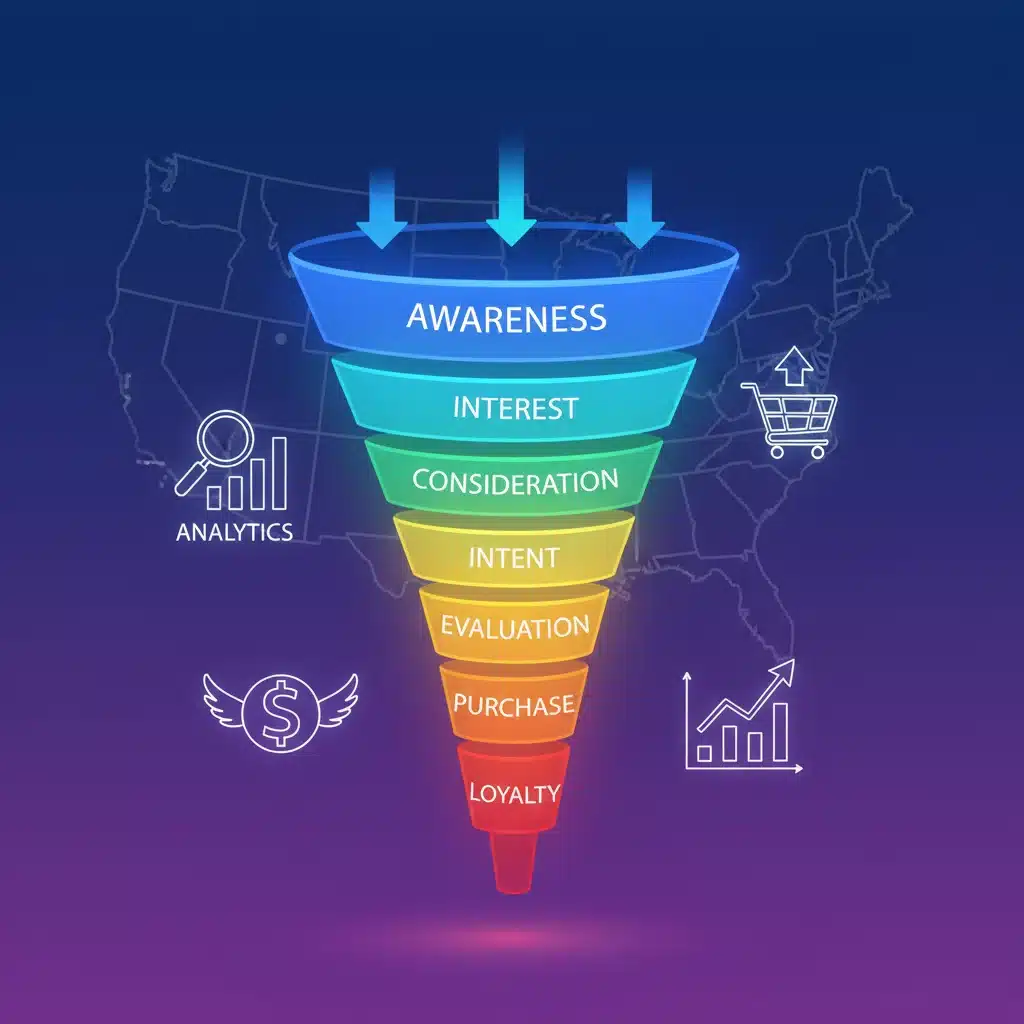
The U.S. e-commerce market is a behemoth, projected to reach trillions of dollars in sales in the coming years. However, with this immense opportunity comes fierce competition. Customers have more choices than ever before, and their expectations for seamless, personalized, and efficient shopping experiences are continually rising. A leaky sales funnel, characterized by high bounce rates, abandoned carts, and low conversion rates, can hemorrhage potential revenue and stifle growth. Conversely, a well-oiled e-commerce funnel acts as a magnet, guiding customers effortlessly from initial awareness to a successful purchase and beyond.
This comprehensive guide will walk you through a 7-point checklist for optimizing your U.S. e-commerce funnel. Each point is designed to address critical aspects of the customer journey, from attracting the right audience to fostering post-purchase loyalty. By systematically implementing these strategies, you’ll not only enhance the user experience but also build a robust foundation for sustainable growth and achieve that coveted 25% conversion rate increase. Let’s dive deep into the actionable steps that will transform your e-commerce performance.
1. Refine Your Top-of-Funnel Strategy: Attracting the Right U.S. Audience
The journey to a successful conversion begins long before a customer lands on your product page. It starts with effectively attracting the right audience – individuals who are most likely to be interested in your products and ultimately make a purchase. In the U.S. market, this requires a nuanced understanding of consumer behavior, cultural trends, and regional specificities. Your top-of-funnel strategy is about casting a wide, yet targeted, net.
Targeted Content Marketing
Develop content that addresses the pain points and interests of your ideal U.S. customer. This could include blog posts, how-to guides, educational videos, and infographics that are relevant to your product niche. For example, if you sell sustainable fashion, create content around ethical sourcing, capsule wardrobes, or the environmental impact of fast fashion. Use SEO best practices to ensure this content ranks highly for relevant keywords that your target audience is searching for.
Paid Advertising Precision
Leverage platforms like Google Ads, Facebook Ads, Instagram Ads, and TikTok Ads with highly specific targeting parameters. In the U.S., demographic data, interests, behaviors, and even geographic locations can be incredibly granular. Utilize lookalike audiences and retargeting campaigns to reach potential customers who exhibit similar characteristics to your existing high-value customers. Continuously A/B test your ad creatives, headlines, and calls to action (CTAs) to optimize performance and reduce customer acquisition costs.
Social Media Engagement
Build a strong presence on social media platforms where your U.S. audience spends their time. This isn’t just about broadcasting your products; it’s about building community, engaging in conversations, and providing value. Run interactive polls, host live Q&A sessions, and collaborate with U.S. micro-influencers who resonate with your brand values and have an authentic connection with their followers. User-generated content can also be a powerful tool for building trust and social proof at this initial stage.
SEO Optimization for U.S. Search Intent
Beyond content, ensure your website’s technical SEO is impeccable. This includes optimizing for local U.S. search terms if applicable, ensuring fast load times, mobile responsiveness, and a secure site (HTTPS). Understand that U.S. consumers often use specific phrasing or slang in their search queries; integrate these into your keyword strategy. Google’s algorithm constantly evolves, so staying current with SEO best practices is crucial for visibility.
2. Enhance Website User Experience (UX): Seamless Navigation and Speed
Once a potential customer lands on your website, their experience is paramount. A clunky, slow, or confusing website will quickly lead to abandonment, regardless of how great your products are. Optimizing your website’s UX is a critical component of e-commerce funnel optimization, directly impacting bounce rates and conversion rates.
Intuitive Navigation
Your website’s navigation should be clear, logical, and easy to understand. Use descriptive menu categories and subcategories. Implement a robust search function with auto-suggestions and filters to help users quickly find what they’re looking for. A well-organized mega-menu can be particularly effective for stores with large product catalogs. Consider breadcrumbs to help users track their location within the site.
Mobile-First Design
A significant portion of U.S. e-commerce traffic originates from mobile devices. Your website must be fully responsive and optimized for mobile viewing. This means fast loading times on mobile, easy-to-tap buttons, legible text, and a streamlined checkout process that doesn’t require excessive scrolling or zooming. Google’s mobile-first indexing means a poor mobile experience will negatively impact your search rankings.
Blazing Fast Load Times
Every second counts. Studies show that even a one-second delay in page load time can lead to a significant drop in conversions. Optimize images, leverage browser caching, minimize HTTP requests, and consider a Content Delivery Network (CDN) to ensure your pages load almost instantly for U.S. users across different geographic regions. Use tools like Google PageSpeed Insights to identify and address performance bottlenecks.
Clear Calls to Action (CTAs)
Guide your visitors with clear, compelling CTAs. Buttons like ‘Add to Cart,’ ‘Shop Now,’ ‘Learn More,’ or ‘Sign Up’ should be prominently displayed, use contrasting colors, and be action-oriented. Avoid generic language and ensure the CTA’s message aligns with the next logical step in the customer journey.
3. Optimize Product Pages for Conversion: Information and Persuasion
Your product pages are arguably the most crucial stage for converting interest into intent. This is where customers make the decision to add an item to their cart. Effective product pages are a blend of informative content, persuasive elements, and visual appeal.
High-Quality Visuals
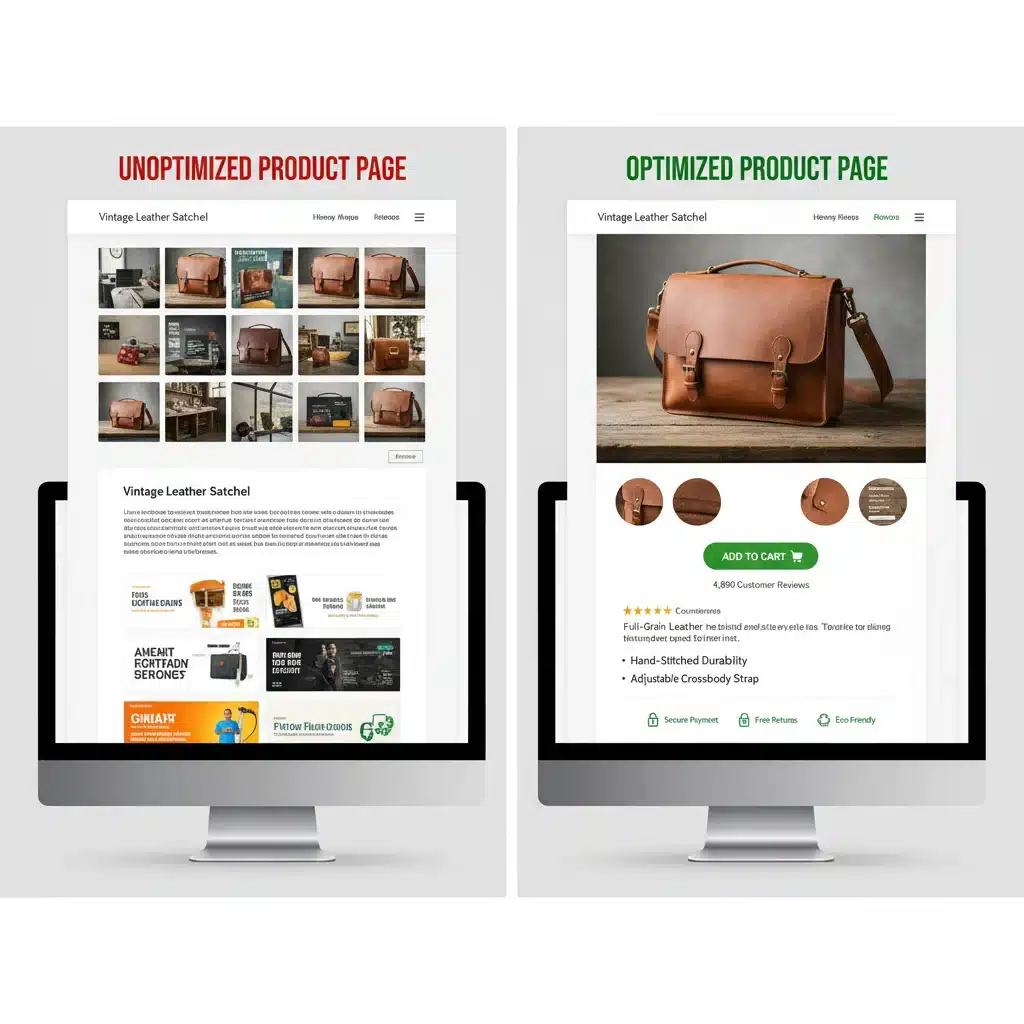
Invest in professional, high-resolution product photography and videography. Showcase your products from multiple angles, in use, and with close-ups of details. Allow for zoom functionality. Consider 360-degree views or augmented reality (AR) features to give U.S. customers a more immersive experience. Visuals are often the first thing a customer notices and can significantly influence their perception of quality.
Compelling Product Descriptions
Beyond just listing features, your product descriptions should tell a story and highlight benefits. Focus on how the product solves a problem or enhances the customer’s life. Use clear, concise language, bullet points for readability, and incorporate relevant keywords naturally for SEO. Address potential questions a customer might have before they even ask them.
Social Proof: Reviews and Testimonials
U.S. consumers heavily rely on reviews and testimonials. Integrate a robust customer review system on your product pages. Encourage customers to leave reviews, photos, and even videos. Display star ratings prominently. Address negative reviews professionally, as this can build trust. Features like ‘Customers who bought this also bought…’ or ‘Frequently Bought Together’ can also increase average order value.
Clear Pricing and Availability
Display pricing clearly, including any discounts, and be transparent about shipping costs and estimated delivery times. Indicate stock availability to create a sense of urgency if quantities are low. If an item is out of stock, provide options like ‘notify me when available’ to capture interest.
4. Streamline the Checkout Process: Eliminate Friction Points
The checkout process is where many e-commerce funnels leak. A complex, lengthy, or confusing checkout can lead to a high percentage of abandoned carts. Your goal here is to make the path from cart to purchase as smooth and effortless as possible.
Guest Checkout Option
Mandatory account creation is a significant deterrent for many first-time buyers. Always offer a guest checkout option. While encouraging account creation for future purchases is beneficial, it shouldn’t be a barrier to the initial transaction. You can prompt for account creation post-purchase.
Minimal Form Fields
Only ask for essential information. Every extra field is a potential point of friction. Pre-fill known information where possible (e.g., city and state based on zip code). Use clear labels and inline validation to help users correct errors in real-time.
Progress Indicator
Show customers where they are in the checkout process (e.g., ‘Shipping Info > Payment > Review & Place Order’). This sets expectations and reduces anxiety about the length of the process.
Multiple Payment Options
Offer a variety of popular U.S. payment methods, including major credit cards (Visa, Mastercard, American Express, Discover), PayPal, Apple Pay, Google Pay, and potentially ‘Buy Now, Pay Later’ options like Affirm or Klarna. The more options you provide, the less likely a customer is to abandon due to unsupported payment methods.
Trust Signals
Display security badges (SSL certificates, payment gateway logos) prominently throughout the checkout process. Reassure customers that their personal and financial information is secure. A clear return policy and customer service contact information can also build trust.
5. Implement Effective Cart Abandonment Recovery: Re-engaging Lost Sales
Even with an optimized checkout, some customers will inevitably abandon their carts. This is not a lost cause; it’s an opportunity for re-engagement. An effective cart abandonment strategy can significantly boost your e-commerce funnel conversion rates.
Personalized Email Reminders
Set up automated email sequences to remind customers about their abandoned carts. These emails should be personalized, include images of the items left behind, and a direct link back to their cart. Consider a series of emails: a first reminder within an hour, a second within 24 hours, and a third with a small incentive (e.g., free shipping or a small discount) after 48-72 hours.
SMS Reminders
For customers who have opted in, SMS reminders can be highly effective due to their high open rates. Keep the message concise and include a direct link to the cart. Be mindful of timing and frequency to avoid being intrusive.
Retargeting Ads
Use retargeting ads on social media platforms and display networks to remind abandoned cart users about the products they viewed. These ads can feature dynamic product ads, showing the exact items left in their cart, often with a subtle nudge or offer.
Exit-Intent Pop-ups
When a user shows signs of leaving your website, an exit-intent pop-up can offer a last-ditch incentive, such as a discount code or free shipping, to encourage them to complete their purchase. These should be used judiciously to avoid annoying users.
6. Leverage Post-Purchase Engagement: Building Loyalty and Repeat Business
The e-commerce funnel doesn’t end at the purchase. In fact, the post-purchase phase is crucial for building customer loyalty, encouraging repeat business, and turning customers into brand advocates. This directly impacts the lifetime value (LTV) of your U.S. customers.
Exceptional Order Confirmation and Tracking
Provide clear, detailed order confirmation emails that include purchase summaries, shipping details, and easy-to-access tracking information. Proactive communication about shipping status and potential delays can significantly enhance customer satisfaction.
Follow-Up Emails and Feedback Requests
Send follow-up emails a few days after delivery to ensure the customer is satisfied with their purchase. This is also an excellent opportunity to request product reviews, which, as mentioned earlier, are vital for social proof. Offer incentives for reviews, like a discount on their next purchase.
Personalized Recommendations
Based on their purchase history and browsing behavior, send personalized product recommendations for future purchases. This can be done through email marketing or by displaying ‘recommended for you’ sections on your website when they return.
Loyalty Programs
Implement a loyalty program that rewards repeat customers. Points-based systems, tiered VIP programs, or exclusive access to new products can encourage continued engagement and purchases. U.S. consumers are often highly responsive to loyalty incentives.
Proactive Customer Service
Ensure your customer service is easily accessible and responsive. Offer multiple contact channels (email, phone, live chat). Proactively address any issues or concerns to turn a potentially negative experience into a positive one. Excellent customer service is a powerful differentiator and loyalty builder.
7. Continuous A/B Testing and Analytics: Data-Driven Optimization
The e-commerce landscape is constantly evolving, and so should your optimization efforts. The final, and perhaps most critical, point on this checklist is the commitment to continuous testing and data analysis. This ensures your e-commerce funnel remains agile, responsive, and always improving.
Set Up Robust Analytics
Utilize tools like Google Analytics 4, Adobe Analytics, or similar platforms to track key metrics across your entire funnel. Monitor traffic sources, bounce rates, conversion rates at each stage, average order value, customer lifetime value, and cart abandonment rates. Understand user behavior through heatmaps, session recordings, and user flow analysis.
Identify Funnel Leaks
Pinpoint exactly where customers are dropping off in your e-commerce funnel. Is it on the product page? During checkout? At a specific payment step? Data will reveal these critical ‘leak points’ that require your immediate attention for e-commerce funnel optimization.
A/B Testing Everything
Don’t guess; test. A/B test different elements of your website and marketing campaigns. This could include:
- Headlines and copy: Test different value propositions on landing pages.
- Call-to-action buttons: Experiment with different wording, colors, and placement.
- Product image variations: See which types of images resonate most.
- Pricing display: Test different ways of presenting discounts or bundles.
- Checkout flow: Experiment with the number of steps or field arrangements.
- Email subject lines: Optimize for open rates in your abandonment campaigns.
Even small changes, when A/B tested rigorously, can lead to significant improvements in your e-commerce funnel conversion rates over time.
Personalization and Segmentation
Use your data to segment your audience and deliver personalized experiences. This could mean showing different product recommendations, offers, or content based on a user’s past behavior, demographics, or even the weather in their U.S. location. Personalization has been proven to significantly increase conversion rates.
Stay Informed on U.S. Market Trends
The U.S. e-commerce market is influenced by technological advancements, economic shifts, and changing consumer preferences. Stay updated on new payment methods, shipping expectations, privacy regulations, and emerging social media platforms to keep your e-commerce funnel competitive and relevant.
Conclusion: Your Path to a 25% Conversion Rate Lift
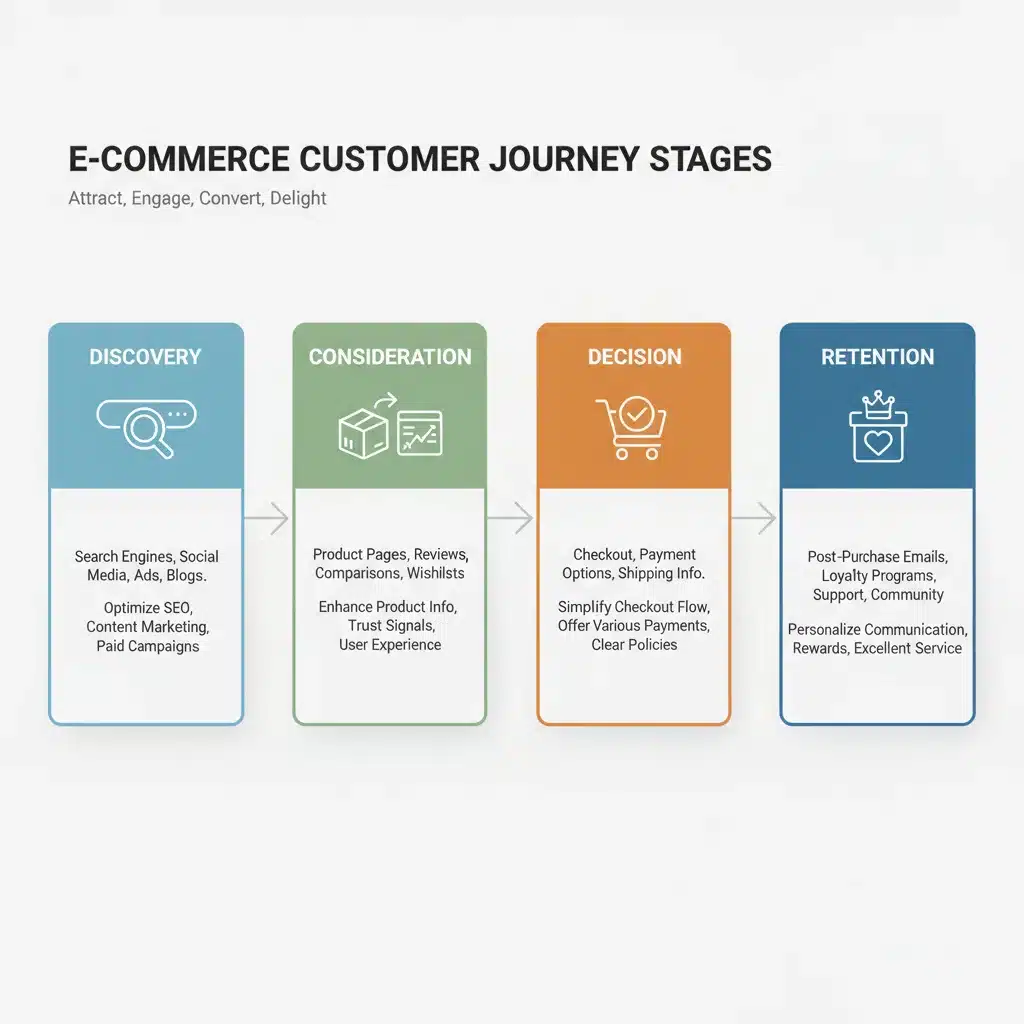
Achieving a 25% conversion rate lift in your U.S. e-commerce business by 2026 is an ambitious yet entirely attainable goal. It requires a holistic approach to e-commerce funnel optimization, touching every point of the customer journey from initial discovery to post-purchase engagement. By meticulously working through this 7-point checklist – refining your top-of-funnel strategy, enhancing UX, optimizing product pages, streamlining checkout, implementing effective abandonment recovery, leveraging post-purchase engagement, and committing to continuous data-driven testing – you are not just making minor adjustments; you are building a more resilient, customer-centric, and profitable e-commerce operation.
Remember that optimization is not a one-time task but an ongoing process. The U.S. e-commerce landscape is fluid, and your strategies must adapt. By consistently analyzing your data, listening to customer feedback, and iterating on your approach, you will create an e-commerce funnel that not only converts more visitors but also fosters deep customer loyalty. Start implementing these strategies today, and watch your conversion rates – and your revenue – soar.