Critical Platform Changes Q1 2026: Adapting to Enhanced Data Privacy Features for 20% Better Compliance

The digital landscape is constantly evolving, and with it, the imperative for robust data privacy measures. As we approach Q1 2026, significant platform changes are on the horizon, promising enhanced data privacy features designed to boost compliance by an impressive 20%. This isn’t just another update; it’s a fundamental shift that will redefine how organizations handle sensitive information, interact with user data, and ultimately, build trust with their audience. Understanding and adapting to these critical platform changes is not merely a recommendation; it’s a necessity for sustained operational integrity and legal adherence.
In an era where data breaches are common and regulatory scrutiny is intensifying, proactive engagement with data privacy enhancements is paramount. These upcoming changes reflect a global push towards greater transparency, user control, and accountability in data processing. For businesses, this means an opportunity to fortify their data protection frameworks, mitigate risks, and gain a competitive edge by demonstrating an unwavering commitment to privacy. This comprehensive guide will walk you through what to expect, why these changes are crucial, and how your organization can seamlessly transition to the new standards, ensuring you’re not just compliant, but leading the way in ethical data stewardship.
Understanding the Core of the Q1 2026 Platform Data Privacy Enhancements
The forthcoming Q1 2026 platform changes are centered around strengthening existing data privacy protocols and introducing innovative features that go beyond current industry standards. At its heart, this update aims to provide individuals with more granular control over their personal data, while simultaneously equipping organizations with more sophisticated tools to manage and protect that data responsibly. The driving force behind these enhancements is a recognition that generic, one-size-fits-all privacy approaches are no longer sufficient in a world of diverse data types and complex digital interactions.
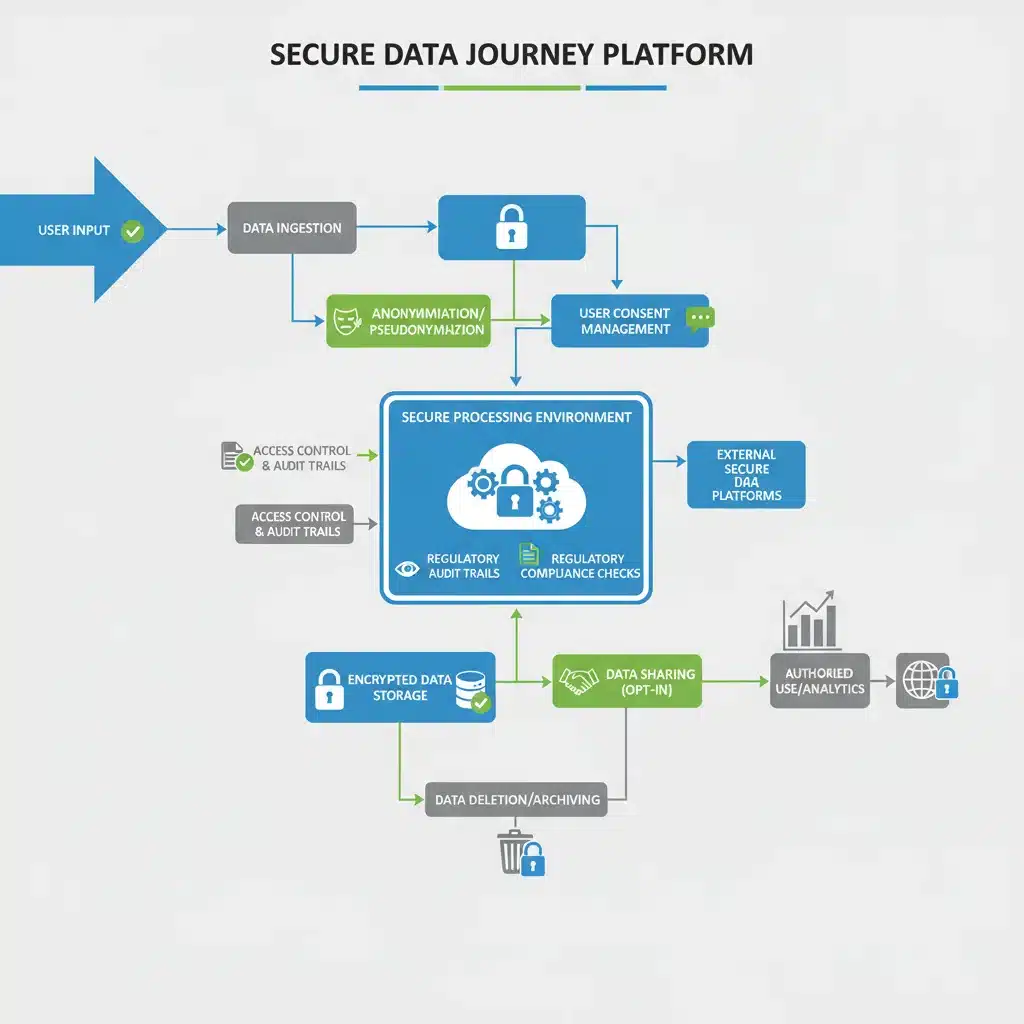
One of the primary pillars of these enhancements is a significant upgrade to consent management frameworks. Users will encounter more intuitive and transparent mechanisms for granting, revoking, and managing their consent for data collection and processing. This includes clearer language, simplified opt-in/opt-out processes, and persistent consent dashboards where users can review and adjust their preferences at any time. For businesses, this translates into a need for more dynamic consent interfaces and backend systems capable of accurately tracking and enforcing user choices across all data touchpoints. The goal is to move beyond mere compliance checklists to genuine user empowerment, fostering a relationship built on trust and respect for individual privacy rights.
Another key aspect involves advanced data anonymization and pseudonymization techniques. The updated platforms will offer more robust capabilities to transform identifiable data into formats that protect individual identities while still allowing for valuable analytics and insights. This is crucial for leveraging big data without compromising privacy. Expect new APIs and built-in functionalities that facilitate the anonymization process, making it easier for developers and data scientists to work with sensitive information in a compliant manner. This will require organizations to re-evaluate their data processing pipelines and integrate these new tools effectively, ensuring that data minimization principles are applied from the outset of any data-related project.
Furthermore, the changes will significantly bolster data security measures. This includes enhanced encryption protocols for data at rest and in transit, more sophisticated intrusion detection systems, and improved incident response capabilities. The platform will integrate features that help organizations identify and mitigate potential security vulnerabilities before they can be exploited. This proactive security posture is designed to reduce the risk of data breaches and ensure that personal information remains protected against unauthorized access or disclosure. Implementing these new security features will likely involve updates to existing infrastructure, security audits, and comprehensive training for IT and security teams. The overall objective is to create a more resilient and secure digital environment for all users.
The Impact on Compliance: Aiming for 20% Better Adherence
The promise of a 20% improvement in compliance is not an arbitrary figure; it reflects the comprehensive nature of the Q1 2026 platform data privacy updates. This leap in compliance is expected to be achieved through a combination of clearer guidelines, automated compliance checks, and built-in tools that simplify adherence to global data protection regulations like GDPR, CCPA, LGPD, and others. For many organizations, navigating the labyrinth of international privacy laws has been a significant challenge. These platform enhancements aim to streamline that process, making it more intuitive and less prone to human error.
One of the most significant contributions to enhanced compliance will be the integration of privacy-by-design principles directly into the platform’s architecture. This means that privacy considerations are no longer an afterthought but are fundamental to how data is collected, processed, and stored. Developers and product managers will find it easier to build privacy-conscious applications and features, as many of the compliance requirements will be baked into the platform’s core functionalities. This shift reduces the burden on individual teams to constantly re-evaluate privacy implications, instead providing a framework that guides them towards compliant solutions by default. Organizations will need to ensure their development practices align with these new platform capabilities, leveraging them to embed privacy from the initial stages of product development.
Another area where compliance will see a substantial boost is through enhanced data mapping and inventory tools. The updated platform will offer more sophisticated features for organizations to automatically discover, classify, and track personal data across their systems. This comprehensive view of data flows is critical for demonstrating compliance, responding to data subject access requests (DSARs), and performing privacy impact assessments (PIAs). The ability to quickly and accurately identify where personal data resides, who has access to it, and how it is being used will significantly reduce the time and effort required for regulatory audits and internal privacy reviews. This level of transparency and traceability is a cornerstone of modern data protection laws and will be greatly facilitated by the new platform capabilities.
Furthermore, the platform will introduce more intelligent reporting and auditing functionalities. Compliance officers will have access to dashboards and reports that provide real-time insights into their organization’s data privacy posture. These tools will highlight potential areas of non-compliance, track consent rates, monitor data access logs, and generate audit trails that can be easily presented to regulators. The automation of these reporting processes will not only save time but also increase the accuracy and reliability of compliance documentation. This proactive monitoring and reporting capability will be instrumental in achieving and maintaining the targeted 20% improvement in overall compliance, allowing organizations to identify and rectify issues before they escalate into significant risks or violations.
Key Features of the Enhanced Platform Data Privacy Framework
To fully appreciate the scope of the Q1 2026 platform changes, it’s essential to delve into the specific features that will drive these improvements. These features represent a holistic approach to data privacy, addressing various facets from user interaction to backend data management and security.
Advanced User Consent Management
- Granular Consent Controls: Users will be able to provide consent for specific data uses, rather than broad, all-encompassing agreements. This includes consent for analytics, marketing, personalization, and third-party sharing, each managed independently.
- Centralized Preference Centers: Individuals will have a single, easily accessible portal to view, modify, or revoke all their consent preferences across different services within the platform.
- Automated Consent Refresh: The platform will support automated reminders and processes for re-obtaining consent when necessary (e.g., after policy changes, or upon expiry of previous consent), ensuring ongoing validity.
- Transparent Consent Logging: Detailed records of consent interactions (what was agreed to, when, and by whom) will be automatically maintained, providing an auditable trail for compliance purposes.
Enhanced Data Anonymization and Pseudonymization Tools
- Built-in Anonymization APIs: New developer tools will allow for easy integration of anonymization techniques (e.g., k-anonymity, differential privacy) directly into data processing workflows.
- Dynamic Pseudonymization: Capabilities to replace direct identifiers with reversible pseudonyms, enabling data analysis while maintaining the ability to re-identify data under strict controls and only when legally permissible.
- Data Minimization Prompts: The platform will guide users and developers towards collecting and processing only the data that is strictly necessary for a given purpose, reducing the overall data footprint.
Strengthened Data Security Protocols
- End-to-End Encryption by Default: Broader application of encryption for data at rest and in transit, often as a default setting, reducing the risk of data exposure.
- Advanced Access Controls: More sophisticated role-based access control (RBAC) mechanisms, including attribute-based access control (ABAC), to ensure that only authorized personnel can access sensitive data.
- Threat Detection and Response Integration: Tighter integration with security information and event management (SIEM) systems and automated incident response workflows to quickly detect and neutralize threats.
- Regular Security Audits and Vulnerability Scans: Built-in functionalities or strong recommendations for automated and regular security assessments of applications and data stores.
Improved Data Subject Rights Management
- Automated DSAR Fulfillment: Streamlined processes and tools to help organizations efficiently respond to Data Subject Access Requests (DSARs), including requests for access, rectification, erasure (right to be forgotten), and data portability.
- Data Portability Tools: Enhanced capabilities for users to easily download their personal data in a structured, commonly used, and machine-readable format.
Privacy-Focused Analytics and Reporting
- Privacy-Preserving Analytics: Tools that allow for deriving insights from data without directly exposing individual user information, through techniques like federated learning or homomorphic encryption.
- Compliance Dashboards: Centralized dashboards providing a real-time overview of an organization’s compliance status, highlighting potential risks and areas needing attention.
- Automated Audit Trails: Comprehensive logging of all data access, modification, and processing activities, facilitating easier auditing and accountability.
Strategies for Seamless Adaptation to New Platform Data Privacy Features
Adapting to these significant platform data privacy changes requires a well-orchestrated strategy. Proactive planning and implementation will be key to ensuring a smooth transition and maximizing the benefits of the enhanced features. Here’s a roadmap for your organization:
1. Conduct a Comprehensive Data Audit and Gap Analysis
Before implementing any changes, understand your current state. Document all personal data collected, stored, processed, and shared. Identify where it comes from, where it goes, and who has access to it. Then, perform a gap analysis against the upcoming Q1 2026 platform data privacy requirements. This will highlight areas where your current practices fall short and where new features can be leveraged.
2. Update Your Privacy Policies and User-Facing Communications
Transparency is paramount. Revise your privacy notices, terms of service, and consent forms to reflect the new platform capabilities and your updated data handling practices. Ensure the language is clear, concise, and easily understandable by the average user. Prepare communications to inform users about the changes and how they benefit from enhanced privacy controls.
3. Engage Your Legal and Compliance Teams Early
Data privacy is a legal and compliance matter first and foremost. Involve your legal counsel and compliance officers from the outset. They can interpret the regulatory implications of the new features and ensure that your adaptation strategy meets all legal obligations. Their guidance will be invaluable in navigating the complexities of consent management, data subject rights, and cross-border data transfers.
4. Train Your Teams: Developers, Marketing, and Customer Service
Every department that interacts with customer data needs to understand the new platform data privacy features. Developers will need to learn how to integrate new APIs for consent, anonymization, and security. Marketing teams must understand the implications for targeted advertising and personalization. Customer service representatives need to be equipped to answer user queries about their privacy rights and the new controls. Comprehensive training programs are essential.
5. Prioritize Technical Integration and Testing
Allocate resources for the technical integration of new platform features. This includes updating consent management platforms, reconfiguring data pipelines for anonymization, and integrating enhanced security tools. Rigorous testing is crucial to ensure that all new features function as intended, that data flows are secure, and that user experience remains seamless. Consider phased rollouts where possible to identify and address issues early.
6. Review and Revise Third-Party Vendor Agreements
If you share data with third-party vendors, reassess your data processing agreements (DPAs) and contracts. Ensure that your vendors are also prepared to comply with the new data privacy standards and that their systems can integrate with the enhanced platform features. This might involve updating clauses related to data security, consent propagation, and data breach notification.
7. Establish a Continuous Monitoring and Improvement Process
Data privacy is not a one-time project; it’s an ongoing commitment. Implement mechanisms for continuous monitoring of your data privacy posture. Regularly review audit logs, compliance reports, and user feedback. Be prepared to iterate and improve your processes as new best practices emerge or as regulations evolve further. This proactive approach will ensure long-term compliance and build enduring trust with your users.

The Future of Platform Data Privacy: Beyond Q1 2026
While the Q1 2026 platform data privacy changes represent a significant milestone, the journey towards ultimate data protection is continuous. The digital world is dynamic, and new challenges and opportunities in privacy will undoubtedly emerge. Organizations that embrace these changes not just as a compliance burden, but as an opportunity to innovate and build stronger customer relationships, will be the ones that thrive.
Looking beyond 2026, we can anticipate further advancements in privacy-enhancing technologies (PETs), such as homomorphic encryption and secure multi-party computation, becoming more mainstream. Artificial intelligence will likely play a dual role: both as a tool that needs careful privacy oversight and as a powerful ally in automating compliance and detecting privacy risks. The emphasis on user control and data sovereignty will only grow, pushing platforms to offer even more personalized and robust privacy settings.
The organizations that will succeed in this evolving landscape are those that foster a culture of privacy within their entire ecosystem. This means embedding privacy considerations into every aspect of their operations, from product design and development to marketing and customer support. It involves continuous education, investment in privacy-enhancing technologies, and a commitment to ethical data stewardship. The 20% compliance boost promised by the Q1 2026 updates is just the beginning of a more secure, transparent, and user-centric digital future.
Conclusion: Embracing the Evolution of Platform Data Privacy
The upcoming Q1 2026 platform changes, with their focus on enhanced data privacy features, mark a pivotal moment for businesses operating in the digital realm. These updates are not merely technical adjustments; they represent a significant step forward in establishing a more secure, transparent, and trustworthy online environment. By proactively understanding, preparing for, and implementing these changes, organizations can expect to see a substantial improvement in their compliance posture, potentially reaching the projected 20% increase in adherence to global data protection standards.
The benefits extend far beyond regulatory compliance. By demonstrating a strong commitment to protecting user data, businesses can build deeper trust with their customers, enhance their brand reputation, and gain a competitive advantage in a market increasingly sensitive to privacy concerns. The new features, including advanced consent management, robust anonymization tools, and fortified security protocols, provide a powerful toolkit for responsible data stewardship. However, the success of this transition hinges on a strategic, organization-wide effort that involves legal, technical, marketing, and customer service teams.
As we move towards Q1 2026 and beyond, the landscape of platform data privacy will continue to evolve. Organizations that view privacy as a continuous journey of improvement, rather than a one-time compliance hurdle, will be best positioned for long-term success. Embrace these critical platform changes as an opportunity to not only meet but exceed the expectations of regulators and, more importantly, your users. The future of digital business is built on trust, and robust data privacy is its cornerstone.