U.S. Privacy Regulations 2026: Digital Marketing Compliance Guide

The digital marketing landscape is in constant flux, but few changes are as impactful as the evolution of data privacy laws. As we approach 2026, businesses operating in the United States face an increasingly complex web of U.S. privacy regulations. These regulations are not just legal hurdles; they are fundamental shifts in how consumer data can be collected, processed, and utilized for marketing purposes. Ignoring these changes is not an option, as the financial and reputational costs of non-compliance can be severe. Instead, proactive adaptation is key to not only avoiding penalties but also to building stronger trust with your audience.
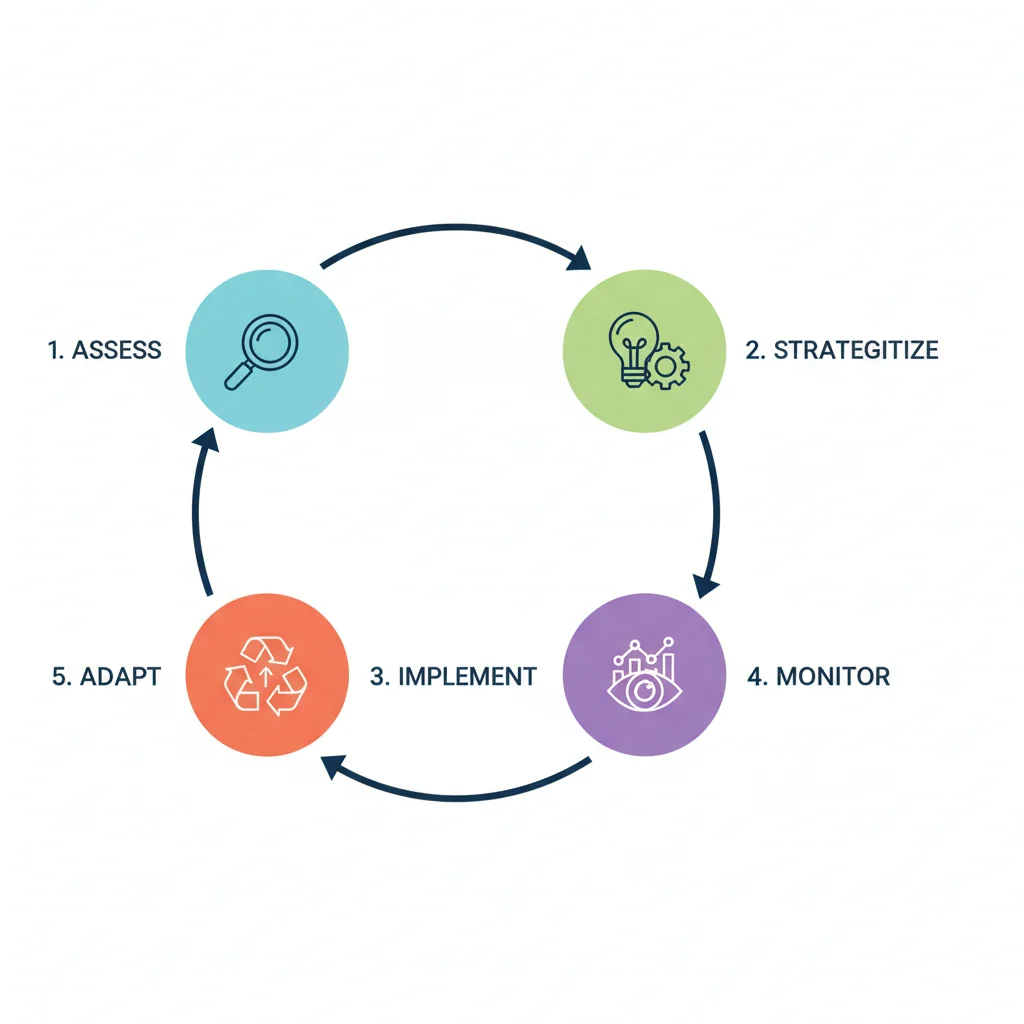
For digital marketers, understanding and navigating these U.S. privacy regulations is paramount. The shift is towards greater consumer control over personal data, demanding transparency and accountability from businesses. This comprehensive guide will walk you through a robust 5-step digital marketing compliance plan designed to prepare your organization for the privacy landscape of 2026 and beyond. By implementing these strategies, you can ensure your marketing efforts remain effective, ethical, and fully compliant with the latest U.S. privacy regulations.
Navigating New U.S. Privacy Regulations: A 5-Step Digital Marketing Compliance Plan for 2026
The year 2026 marks a significant juncture in the realm of data privacy. While a single, overarching federal privacy law in the U.S. remains elusive, the proliferation of state-level U.S. privacy regulations creates a de facto national standard that businesses must adhere to. From California’s pioneering CCPA (and its successor, CPRA) to emerging laws in states like Virginia (VCDPA), Colorado (CPA), Utah (UCPA), and Connecticut (CTDPA), the trend is clear: consumers are gaining more rights over their personal information, and businesses are assuming greater responsibilities. This patchwork of legislation, while challenging, underscores the urgent need for a unified and adaptable compliance strategy.
For digital marketers, this isn’t just about legal teams and IT departments. Every campaign, every data point collected, every personalized ad served, and every email sent is now under increased scrutiny. The way you engage with your audience, from initial contact to long-term relationship management, must be re-evaluated through a privacy-first lens. This guide aims to demystify the process, offering a practical framework to ensure your digital marketing strategies are not only compliant with current and anticipated U.S. privacy regulations but also positioned for future success in a privacy-aware world.
Understanding the Evolving Landscape of U.S. Privacy Regulations
Before diving into a compliance plan, it’s crucial to grasp the fundamental shifts occurring in U.S. privacy regulations. Unlike the EU’s GDPR, the U.S. approach is sector-specific and state-driven, leading to a complex, multi-layered regulatory environment. However, common themes are emerging that provide a roadmap for compliance:
Key Principles of Modern U.S. Privacy Regulations:
- Consumer Rights: Laws increasingly grant consumers rights to access, correct, delete, and opt-out of the sale or sharing of their personal data.
- Transparency: Businesses are required to be transparent about what data they collect, why they collect it, and how it’s used and shared.
- Purpose Limitation: Data should only be collected and used for specified, legitimate purposes.
- Data Minimization: Only necessary data should be collected.
- Security: Robust measures must be in place to protect personal data from unauthorized access or breaches.
- Accountability: Organizations must be able to demonstrate compliance with privacy principles and regulations.
The implications for digital marketing are profound. Traditional tactics like broad data harvesting, third-party cookie reliance, and opaque data sharing practices are becoming obsolete or highly restricted. Marketers must pivot towards strategies that prioritize first-party data, explicit consent, and value exchange with consumers. This shift isn’t just about avoiding fines; it’s about building trust, enhancing brand reputation, and fostering more meaningful customer relationships in an era where data privacy is a core consumer expectation.
Step 1: Comprehensive Data Audit and Mapping
The first and most critical step in any compliance journey is to understand what data you have, where it resides, and how it flows through your organization. Without this foundational knowledge, any attempt at compliance with U.S. privacy regulations will be built on shaky ground.
What to Audit:
- Identify all data sources: This includes website forms, CRM systems, email marketing platforms, analytics tools, advertising platforms, social media integrations, customer service logs, and any other touchpoint where personal data is collected.
- Categorize data types: Distinguish between personally identifiable information (PII) like names, emails, IP addresses, and more sensitive data such as health information or financial details. Understand how different U.S. privacy regulations define ‘personal data’ and ‘sensitive personal data’.
- Map data flows: Document the entire lifecycle of data: where it’s collected, how it’s processed, stored, shared (internally and with third parties), and eventually deleted. Visualize these flows to identify potential vulnerabilities or non-compliant practices.
- Assess legal basis for processing: For each type of data and processing activity, determine the legal basis. Is it consent? Legitimate interest? Contractual necessity? This is crucial for demonstrating compliance, especially when dealing with varying consent requirements across different U.S. privacy regulations.
- Identify third-party data sharing: List all vendors, partners, and service providers with whom you share data. Understand their data handling practices and ensure they meet your compliance standards. This includes ad networks, analytics providers, email service providers, and cloud storage solutions.
Practical Implementation:
Utilize data inventory tools or create detailed spreadsheets to document your findings. Engage stakeholders from across marketing, sales, IT, and legal departments. This audit isn’t a one-time event; it should be an ongoing process, updated regularly as your data practices evolve. A thorough data audit provides the clarity needed to identify gaps and prioritize remediation efforts, forming the bedrock of your compliance with U.S. privacy regulations.
Step 2: Update Privacy Policies and Consent Mechanisms
Transparency is a cornerstone of modern U.S. privacy regulations. Your privacy policy is your primary tool for communicating your data practices to consumers, and your consent mechanisms are how you obtain their permission. Both must be clear, comprehensive, and easily accessible.
Revising Your Privacy Policy:
- Plain language: Avoid legal jargon. Your privacy policy should be easy for the average user to understand.
- Comprehensive disclosure: Clearly state what personal data you collect, the purposes for collection, how it’s used, with whom it’s shared, and how long it’s retained.
- Consumer rights: Explicitly inform users about their rights under relevant U.S. privacy regulations (e.g., right to access, delete, correct, opt-out of sale/sharing). Provide clear instructions on how they can exercise these rights.
- Specific disclosures: Address specific requirements from laws like CCPA/CPRA (e.g., ‘Do Not Sell/Share My Personal Information’ links) and other state laws.
- Regular updates: Privacy policies are living documents. Review and update them regularly to reflect changes in your data practices or new U.S. privacy regulations.
Strengthening Consent Mechanisms:
- Granular consent: Where required, allow users to consent to specific types of data processing (e.g., analytics, marketing emails, personalized ads) rather than a blanket agreement.
- Clear opt-in: Avoid pre-checked boxes. Consent should be freely given, specific, informed, and unambiguous.
- Easy withdrawal: Make it as easy for users to withdraw consent as it was to give it. This includes clear unsubscribe links in emails and accessible privacy settings on your website.
- Cookie banners: Implement cookie banners that comply with current U.S. privacy regulations. They should provide options to accept, decline, or manage cookie preferences. Avoid dark patterns that nudge users towards accepting all cookies.
- Record keeping: Maintain detailed records of consent, including when and how it was obtained, to demonstrate compliance.
Step 3: Implement Data Subject Rights (DSR) Request Protocols
A core component of most U.S. privacy regulations is the empowerment of individuals with rights over their data. Businesses must establish robust, accessible processes for handling Data Subject Rights (DSR) requests, such as requests for access, deletion, correction, or opt-out.
Establishing a DSR Request Workflow:
- Designated channels: Provide clear, accessible methods for individuals to submit DSR requests (e.g., dedicated web forms, email addresses, toll-free phone numbers).
- Identity verification: Implement secure and reasonable methods to verify the identity of the requester to prevent unauthorized access to personal data. This is a critical step to balance privacy rights with security.
- Timely response: Most U.S. privacy regulations specify deadlines for responding to DSR requests (e.g., 30 or 45 days). Ensure your process allows for timely fulfillment.
- Internal routing and fulfillment: Develop internal procedures to route requests to the appropriate teams (IT, marketing, legal) and ensure all relevant data is located and actioned according to the request. This often requires cross-departmental collaboration and integrated data systems.
- Record keeping: Document every DSR request, the actions taken, and the communication with the individual. This audit trail is essential for demonstrating compliance.
- Automate where possible: Consider investing in DSR management platforms to streamline the process, especially as request volumes grow. These tools can help automate identity verification, data discovery, and response generation.
Marketing Implications:
For marketers, DSR requests can directly impact campaign effectiveness. If a user requests deletion, their data must be purged from all marketing databases and tools. If they opt-out of sales or sharing, their data cannot be used for targeted advertising via third parties. Your marketing technology stack must be capable of responding to these requests effectively and promptly to maintain compliance with U.S. privacy regulations.
Step 4: Re-evaluate Digital Marketing Strategies and Technologies
With a clear understanding of your data and robust compliance mechanisms in place, it’s time to critically assess your digital marketing strategies and the technologies that power them. The goal is to build privacy-by-design into your marketing efforts.
Shifting Towards Privacy-Centric Marketing:
- First-party data focus: Reduce reliance on third-party cookies and data brokers. Prioritize collecting and leveraging first-party data directly from your customers through transparent value exchanges (e.g., exclusive content, loyalty programs, personalized experiences).
- Contextual advertising: Explore contextual advertising solutions that target users based on the content they are consuming, rather than their personal browsing history.
- Privacy-enhancing technologies (PETs): Investigate technologies that allow for data analysis and marketing without directly identifying individuals, such as differential privacy or federated learning.
- Consent-driven personalization: Ensure any personalization efforts are based on explicit consent and provide clear benefits to the user.
- Vendor due diligence: Scrutinize all marketing technology vendors. Ensure their platforms are compliant with U.S. privacy regulations and that they have robust data protection agreements (DPAs) in place. Understand how they process data and if they offer features to help you comply with DSRs.
- Data minimization in campaigns: Only collect the data absolutely necessary for a campaign’s objective. For example, if you only need an email for a newsletter, don’t ask for a full address.
Training and Awareness:
Compliance isn’t just a legal or IT responsibility. All marketing teams must be trained on the nuances of U.S. privacy regulations, company privacy policies, and best practices for data handling. Foster a culture of privacy awareness where every team member understands their role in protecting customer data.

Step 5: Continuous Monitoring, Adaptation, and Governance
The privacy landscape is dynamic. New U.S. privacy regulations emerge, existing ones are updated, and technological advancements introduce new challenges and opportunities. Compliance is not a destination but an ongoing journey that requires continuous monitoring, adaptation, and strong governance.
Key Elements of Ongoing Governance:
- Regular audits and assessments: Conduct periodic internal and external audits of your data practices and compliance posture. This helps identify new risks and ensures ongoing adherence to U.S. privacy regulations.
- Stay informed: Dedicate resources to track legislative developments at both federal and state levels. Subscribe to legal updates, attend industry webinars, and engage with privacy professionals.
- Incident response plan: Develop and regularly test a data breach incident response plan. Knowing how to react quickly and effectively in the event of a breach is crucial for minimizing harm and demonstrating accountability.
- Data Protection Officer (DPO) or Privacy Lead: Consider appointing a dedicated individual or team responsible for overseeing privacy compliance. This role ensures accountability and provides a central point of contact for privacy matters.
- Feedback loops: Establish mechanisms for internal teams and customers to provide feedback on privacy practices. This can uncover issues and foster continuous improvement.
- Technology updates: Regularly review and update your marketing technology stack to ensure it supports your evolving privacy requirements and can adapt to new U.S. privacy regulations.
Building a Culture of Privacy:
Ultimately, sustainable compliance with U.S. privacy regulations hinges on embedding privacy into your organizational culture. This means moving beyond mere legal checkboxes and embracing privacy as a core value that drives customer trust and business innovation. When privacy is seen as an enabler rather than an impediment, your digital marketing efforts can thrive in a regulated environment.
Conclusion: Thriving in the New Era of U.S. Privacy Regulations
The evolving landscape of U.S. privacy regulations by 2026 presents both challenges and significant opportunities for digital marketers. While the path to compliance may seem complex, a structured, proactive approach can transform potential liabilities into competitive advantages. By meticulously auditing your data, transparently communicating your practices, empowering consumers with control over their information, refining your marketing strategies, and committing to continuous vigilance, your organization can not only meet but exceed regulatory expectations.
Embracing a privacy-first approach is more than just avoiding fines; it’s about building deeper trust with your audience, fostering stronger customer relationships, and future-proofing your digital marketing efforts. In an increasingly privacy-aware world, businesses that demonstrate genuine respect for personal data will be the ones that truly connect with consumers and achieve sustainable growth. Start implementing this 5-step plan today to ensure your digital marketing is ready for the future of U.S. privacy regulations.