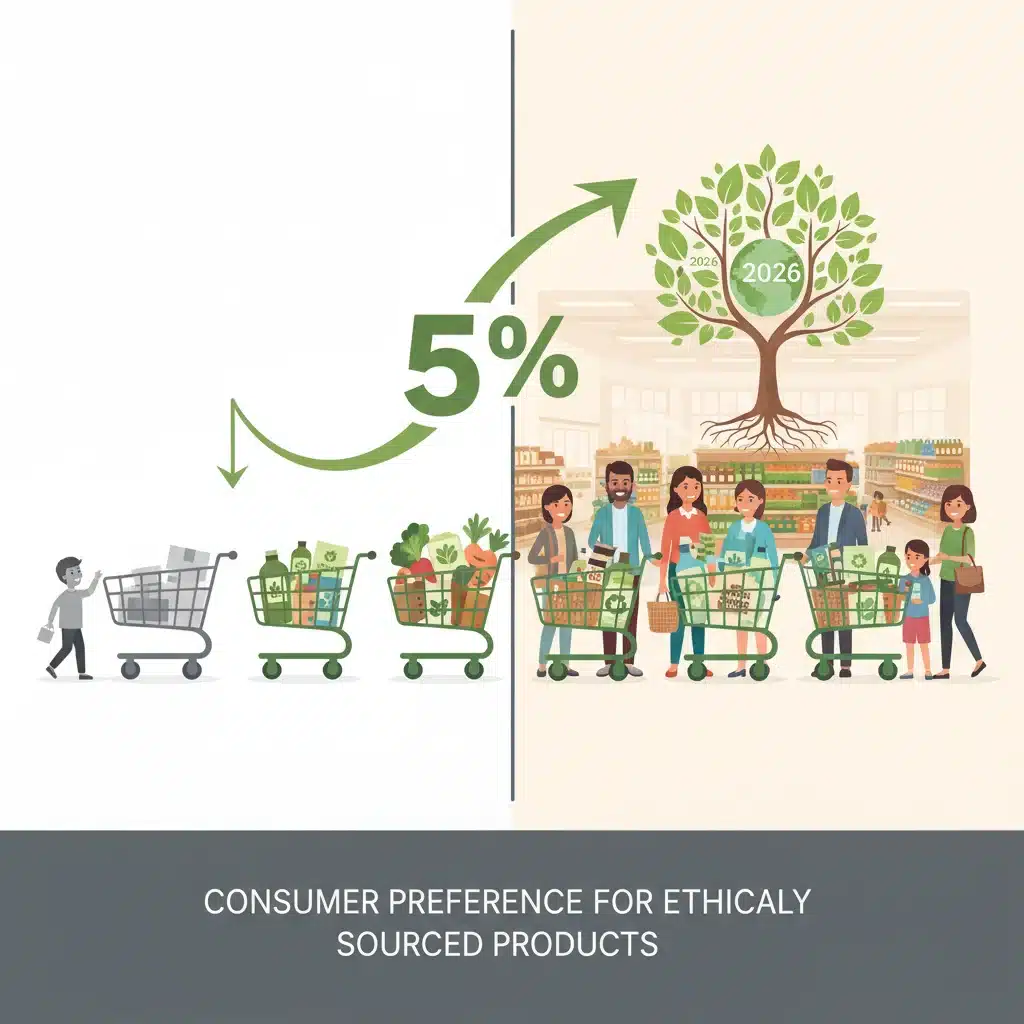
Retail’s Q1 2026 Shift: How 5% More Consumers Are Prioritizing Ethical Sourcing in the US Market
The retail landscape in the United States is in a constant state of flux, driven by evolving consumer values, technological advancements, and a growing global consciousness. As we delve into the first quarter of 2026, a significant trend has emerged that is reshaping market dynamics: a notable 5% increase in consumers prioritizing ethical sourcing. This isn’t merely a fleeting preference; it represents a fundamental shift in purchasing behavior, compelling retailers to re-evaluate their strategies and operational frameworks. The demand for ethical sourcing retail is no longer a niche concern but a mainstream expectation, impacting everything from supply chain management to brand messaging.
For years, discussions around sustainability and ethical practices in retail have been gaining traction. However, Q1 2026 marks a critical inflection point where these discussions have translated into measurable consumer action. A 5% increase, while seemingly modest, translates to millions of additional consumers actively seeking out products that align with their moral and ethical compass. This means products made without exploiting labor, produced with minimal environmental impact, and sourced from transparent and responsible supply chains. The implications for businesses are profound, necessitating a proactive and comprehensive approach to integrating ethical sourcing retail principles into their core operations.
This article will explore the multifaceted aspects of this trend, examining the drivers behind this shift, the challenges and opportunities it presents for retailers, and actionable strategies to not only adapt but thrive in this new ethical sourcing retail paradigm. We will delve into consumer expectations, the role of transparency, the importance of certifications, and the long-term benefits of embracing a truly ethical supply chain.
The Driving Forces Behind the Ethical Sourcing Surge
Several interconnected factors are fueling the heightened consumer demand for ethical sourcing retail. Understanding these drivers is crucial for retailers to effectively respond to the market’s evolving needs.
Increased Awareness and Education
The digital age has brought unprecedented levels of information access to consumers. Social media, documentaries, news reports, and advocacy groups have played a pivotal role in exposing unethical labor practices, environmental degradation, and opaque supply chains. Consumers are now more informed than ever about the origins of their products and the impact of their purchasing decisions. This heightened awareness directly translates into a desire to support brands that demonstrate a commitment to ethical sourcing retail.
Generational Shifts and Values
Millennials and Generation Z, who now constitute a significant portion of the consumer base, are inherently more socially and environmentally conscious than previous generations. They are willing to pay a premium for products that align with their values and are more likely to boycott brands perceived as unethical. For these demographics, purchasing decisions are not just about utility or price; they are an extension of their personal beliefs and a statement about the kind of world they want to live in. This generational shift is a powerful engine for the ethical sourcing retail movement.
Brand Transparency and Trust
In an era of skepticism, transparency has become a cornerstone of consumer trust. Brands that openly share information about their supply chains, manufacturing processes, and labor practices are rewarded with greater loyalty. Conversely, companies that are opaque or perceived as hiding information risk alienating a growing segment of the market. Ethical sourcing retail is intrinsically linked to transparency, as consumers want to verify claims of responsible production.
Accessibility of Ethical Options
The market has responded to consumer demand by offering a wider array of ethically sourced products across various categories. From fair-trade coffee to sustainably produced clothing and cruelty-free cosmetics, consumers now have more choices than ever before. This increased accessibility makes it easier for the 5% of consumers prioritizing ethical sourcing to act on their values, further accelerating the trend.
Regulatory and Industry Pressure
While consumer demand is a primary driver, growing regulatory scrutiny and industry initiatives are also pushing companies towards more ethical practices. Governments and international organizations are increasingly implementing policies aimed at combating forced labor, promoting environmental stewardship, and ensuring fair wages. Industry alliances and certifications also provide frameworks and incentives for businesses to adopt ethical sourcing retail standards.
Challenges and Opportunities for Retailers
The rise of ethical sourcing retail presents both significant challenges and immense opportunities for businesses operating in the US market.
Challenges:
- Supply Chain Complexity: Reconfiguring existing supply chains to meet ethical standards can be a daunting task, especially for large, global enterprises. Tracing origins, verifying labor practices, and ensuring environmental compliance across multiple tiers of suppliers requires robust systems and significant investment.
- Increased Costs: Ethical sourcing often comes with higher production costs due to fair wages, sustainable materials, and responsible manufacturing processes. Passing these costs onto consumers without losing competitive edge requires careful pricing strategies and clear communication of value.
- Credibility and Greenwashing: Consumers are increasingly wary of ‘greenwashing’ – brands making unsubstantiated ethical claims. Establishing genuine credibility requires verifiable actions, transparent reporting, and often, third-party certifications.
- Consumer Education: While awareness is growing, many consumers still lack a deep understanding of what ethical sourcing entails. Retailers must invest in educating their customer base about the benefits and impact of their ethical practices.
Opportunities:
- Enhanced Brand Reputation and Loyalty: Brands genuinely committed to ethical sourcing retail can build strong, positive reputations, fostering deeper customer loyalty and advocacy.
- Market Differentiation: In a crowded marketplace, ethical sourcing can serve as a powerful differentiator, attracting the growing segment of consumers who prioritize values over purely transactional considerations.
- Access to New Markets: As global demand for ethical products grows, companies with robust ethical sourcing practices can tap into new international markets and expand their customer base.
- Improved Employee Engagement: Employees, particularly younger generations, are often drawn to companies with strong ethical values. A commitment to ethical sourcing can improve employee morale, retention, and attract top talent.
- Innovation and Efficiency: The pursuit of ethical sourcing often drives innovation in material science, production processes, and supply chain management, leading to long-term efficiencies and sustainable growth.
Strategies for Adapting to the Ethical Sourcing Retail Shift
To effectively navigate this evolving landscape, retailers must adopt a multi-pronged approach that integrates ethical sourcing into their core business strategy. Here are key strategies:
1. Comprehensive Supply Chain Mapping and Auditing
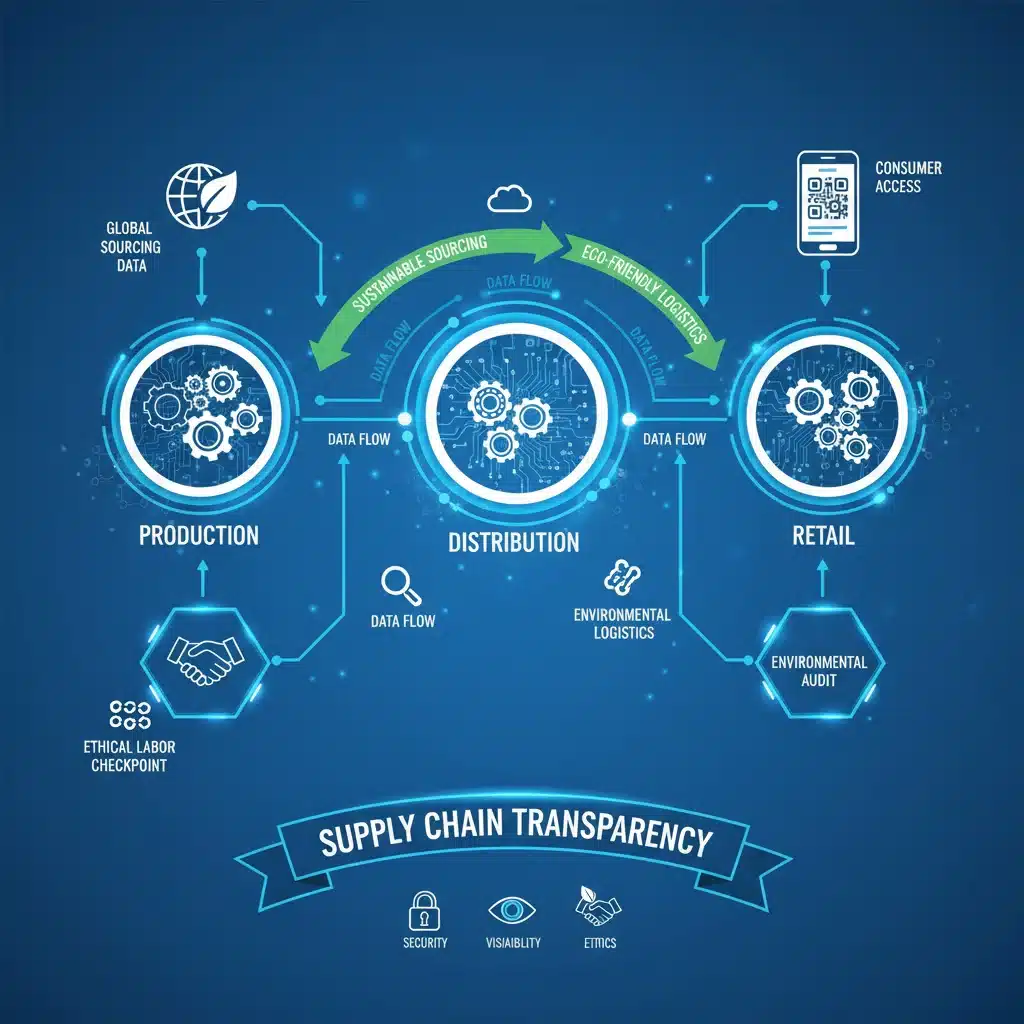
The first step is to gain a complete understanding of your supply chain, from raw materials to finished products. This involves mapping every supplier, sub-supplier, and production facility. Regular, independent audits are essential to verify compliance with labor standards, environmental regulations, and ethical guidelines. Technologies like blockchain are increasingly being explored to provide immutable records and enhanced traceability, bolstering the integrity of ethical sourcing retail efforts.
2. Partnering with Certified Suppliers
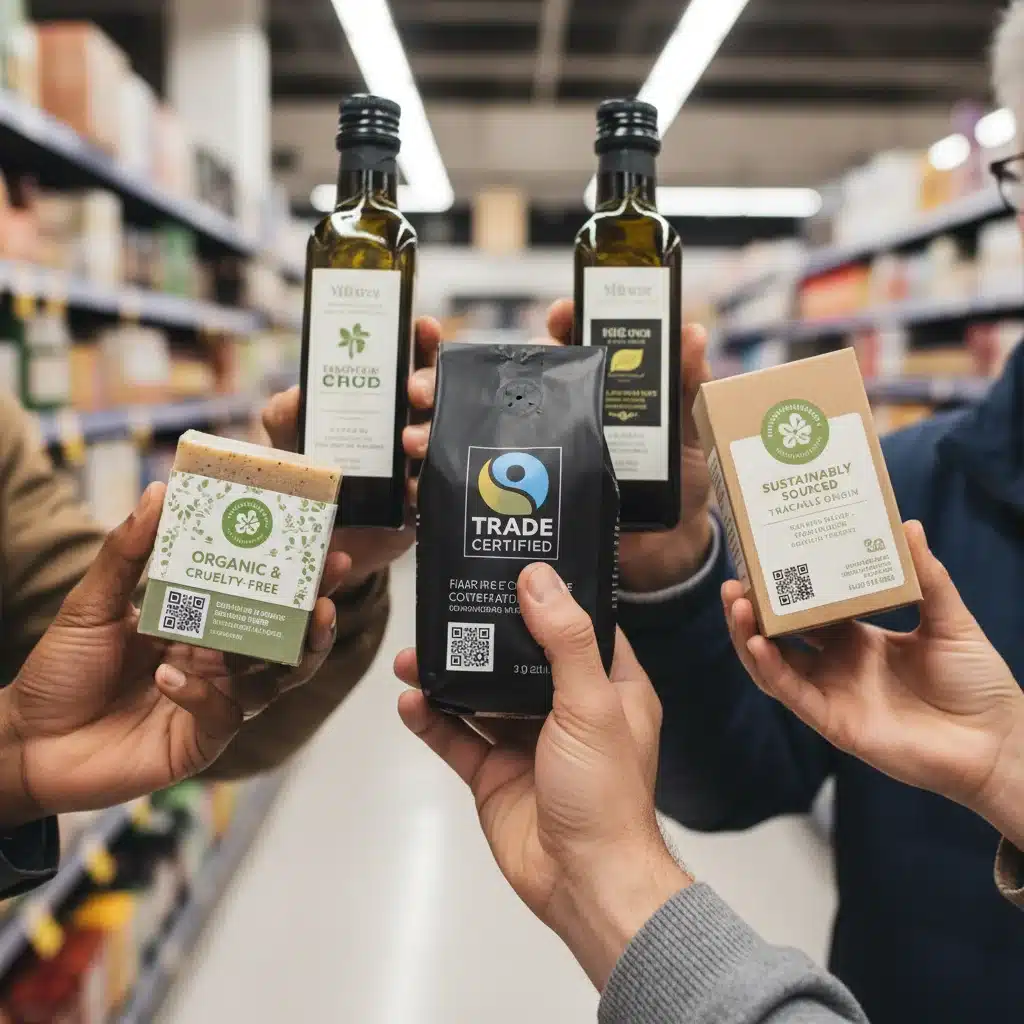
Seek out and prioritize suppliers who already hold recognized ethical certifications (e.g., Fair Trade, Organic, B Corp, SA8000). These certifications provide independent verification of ethical practices, saving retailers time and resources in their own auditing processes. Building long-term relationships with such partners can create a more resilient and ethically sound supply chain.
3. Transparent Communication and Storytelling
Don’t just implement ethical practices; communicate them clearly and authentically to your consumers. Use your website, product packaging, in-store signage, and social media to tell the story behind your products. Highlight the positive impact of your ethical sourcing retail efforts on workers, communities, and the environment. This transparency builds trust and allows consumers to feel good about their purchases.
4. Investing in Sustainable Materials and Practices
Beyond labor practices, ethical sourcing retail also encompasses environmental sustainability. This means investing in eco-friendly materials (e.g., recycled, organic, biodegradable), reducing waste, minimizing carbon footprints, and conserving resources throughout the production and distribution process. Showcase these efforts to appeal to environmentally conscious consumers.
5. Employee Training and Engagement
Ensure that your internal teams, especially those involved in procurement, merchandising, and customer service, are well-versed in your company’s ethical sourcing retail commitments. Empower employees to answer customer questions and act as brand ambassadors for your ethical initiatives. An engaged workforce can significantly amplify your message and reinforce your brand’s values.
6. Leveraging Technology for Traceability
Advanced technologies are revolutionizing supply chain transparency. Implementing systems that allow for real-time tracking of products, from farm or factory to shelf, can provide invaluable data and assurance. Blockchain, AI, and IoT devices are becoming critical tools for verifying the authenticity and ethical provenance of goods, giving consumers greater confidence in ethical sourcing retail claims.
7. Collaborative Industry Initiatives
Retailers can achieve greater impact by collaborating with industry peers, NGOs, and government bodies on ethical sourcing initiatives. Participating in multi-stakeholder forums, sharing best practices, and collectively advocating for higher industry standards can accelerate progress and create a more uniformly ethical retail environment. This collective action strengthens the overall ethical sourcing retail movement.
The Long-Term Benefits of Embracing Ethical Sourcing Retail
While the initial transition to more ethical sourcing practices may involve challenges and investments, the long-term benefits are substantial and far-reaching.
Enhanced Brand Resilience
Companies with strong ethical foundations are better positioned to withstand scrutiny and navigate potential crises. A commitment to ethical sourcing retail acts as a buffer against negative publicity related to labor abuses or environmental damage, protecting brand value and consumer trust.
Sustainable Growth and Profitability
As consumer preferences continue to shift, businesses that proactively embrace ethical sourcing will be better positioned for sustained growth. The ability to attract and retain ethically conscious customers, coupled with innovations driven by sustainability efforts, can lead to increased sales, market share, and ultimately, profitability. Ethical sourcing retail isn’t just about doing good; it’s about good business.
Attracting and Retaining Top Talent
The modern workforce, particularly younger generations, places a high value on working for organizations that align with their personal values. Companies known for their ethical sourcing retail practices become more attractive employers, leading to improved recruitment, higher employee satisfaction, and lower turnover rates. This creates a virtuous cycle of positive impact.
Reduced Risks and Improved Compliance
By actively managing and auditing their supply chains for ethical compliance, retailers can significantly mitigate risks associated with legal violations, reputational damage, and supply chain disruptions. Proactive ethical sourcing retail strategies ensure adherence to evolving regulations and prevent costly penalties or boycotts.
Positive Societal and Environmental Impact
Ultimately, the widespread adoption of ethical sourcing retail practices contributes to a more just and sustainable global economy. It empowers workers, protects vulnerable communities, and preserves natural resources for future generations. Retailers have a unique opportunity to be agents of positive change, leveraging their market influence to drive meaningful impact.
The Future of Retail: Beyond Q1 2026
The 5% increase in consumers prioritizing ethical sourcing in Q1 2026 is not an isolated event; it is a clear indicator of a broader, accelerating trend. This shift signals a future where ethical considerations are no longer an optional add-on but an integral component of business strategy and consumer expectation. The retail industry is moving towards a model where success is not solely defined by profit margins, but also by social and environmental responsibility.
Retailers who view ethical sourcing retail as a strategic imperative, rather than a mere compliance exercise, will be the ones that flourish. This involves continuous innovation, transparent communication, and a genuine commitment to creating a positive impact. Consumer demand will continue to evolve, pushing for even higher standards of accountability and sustainability. The brands that embrace this challenge will not only gain a competitive advantage but will also contribute to a more equitable and sustainable world.
As we move further into 2026 and beyond, the expectation is that this percentage will continue to climb. The early adopters and proactive leaders in ethical sourcing retail will solidify their market position, earning the loyalty of a growing segment of conscious consumers. Those who lag behind risk becoming irrelevant in a market increasingly driven by values. The time for action is now.
Conclusion
The retail sector in the US is witnessing a transformative period in Q1 2026, marked by a significant 5% increase in consumers prioritizing ethical sourcing. This trend underscores a fundamental shift in consumer values, demanding greater transparency, responsibility, and sustainability from businesses. Retailers face the dual challenge of adapting their complex supply chains and communicating their ethical commitments effectively, yet the opportunities for enhanced brand reputation, market differentiation, and sustainable growth are immense.
By strategically implementing comprehensive supply chain mapping, partnering with certified suppliers, fostering transparent communication, investing in sustainable materials, and leveraging technology, businesses can not only meet but exceed consumer expectations for ethical sourcing retail. The long-term benefits – including increased brand resilience, profitability, and positive societal impact – far outweigh the initial challenges. As the market continues to evolve, embracing ethical sourcing is not just a moral obligation but a strategic imperative for any retailer aiming for sustained success in the modern economy. The future of retail is undeniably ethical, and the businesses that recognize and act on this reality will be the leaders of tomorrow.