Mastering Omnichannel: 3 Key Strategies for 15% Sales Boost in US Retail by 2026
Mastering Omnichannel: 3 Key Strategies for 15% Sales Boost in US Retail by 2026
The landscape of US retail is in constant flux, driven by evolving consumer expectations and technological advancements. In this dynamic environment, a robust omnichannel retail strategy is no longer a luxury but a necessity for sustained growth and competitive advantage. Retailers that successfully integrate their various customer touchpoints—online, in-store, mobile, and social—are poised to capture a significant share of the market.
Industry projections indicate that by 2026, US retailers can achieve a remarkable 15% boost in sales by effectively implementing omnichannel approaches. This article will delve into three pivotal strategies that will enable businesses to not only meet but exceed these growth targets, ensuring a seamless and engaging customer journey across all channels.
The essence of an effective omnichannel retail strategy lies in creating a unified and consistent brand experience, irrespective of how or where a customer chooses to interact with a brand. This goes far beyond simply having an online store and a physical presence; it demands a holistic view of the customer, leveraging data and technology to personalize interactions and streamline processes.
Strategy 1: Unifying Customer Data for Personalized Experiences
At the heart of any successful omnichannel retail strategy is a single, unified view of the customer. Without this, efforts to personalize experiences and streamline the customer journey will be fragmented and ineffective. US retailers must invest in robust Customer Relationship Management (CRM) systems and data analytics platforms that can aggregate information from all touchpoints.
The Power of a Single Customer View
Imagine a customer browsing your website for a specific product, adding it to their cart, but not completing the purchase. Later, they visit your physical store. With a unified customer view, the sales associate in the store can instantly see their online browsing history, abandoned cart items, and even past purchases. This enables them to offer relevant recommendations, address potential concerns, and provide a truly personalized shopping experience.
This level of personalization not only enhances customer satisfaction but also significantly increases conversion rates. Data shows that personalized experiences can boost sales by up to 20% by making customers feel understood and valued. It moves beyond generic promotions to targeted offers that resonate with individual preferences and buying habits.
Implementing Data Integration
Achieving a single customer view requires breaking down data silos that often exist between different departments and systems. This involves integrating:
- E-commerce platforms: Capturing browsing behavior, cart contents, wish lists, and online purchase history.
- Point-of-Sale (POS) systems: Recording in-store purchases, returns, and customer interactions.
- Mobile applications: Tracking in-app behavior, location data (with consent), and personalized notifications.
- Social media interactions: Monitoring engagement, sentiment, and customer service inquiries.
- Customer service platforms: Documenting inquiries, feedback, and resolution history across all channels.
The challenge often lies in harmonizing data formats and ensuring real-time synchronization. Cloud-based data warehouses and advanced integration platforms (iPaaS) are becoming indispensable tools for US retailers aiming to build a comprehensive omnichannel retail strategy. These technologies allow for the creation of a central data repository that is accessible and actionable across the entire organization.
Leveraging AI and Machine Learning for Personalization
Once the data is unified, the next step is to leverage artificial intelligence (AI) and machine learning (ML) algorithms to extract actionable insights. These technologies can:
- Predict customer behavior: Anticipate future purchases, churn risk, and preferred communication channels.
- Automate personalized recommendations: Offer product suggestions based on past behavior, similar customer profiles, and real-time browsing.
- Optimize pricing and promotions: Deliver dynamic pricing and personalized offers that maximize conversion and profitability.
- Enhance customer service: Power intelligent chatbots and provide agents with comprehensive customer profiles for faster, more effective support.
For example, a customer who frequently purchases athletic wear might receive personalized email notifications about new arrivals in that category, or an in-app discount when they are physically near a store that stocks their preferred brands. This level of predictive personalization is a cornerstone of a high-performing omnichannel retail strategy.
Strategy 2: Seamless Channel Integration and Fulfillment Options
A truly effective omnichannel retail strategy is defined by its ability to offer customers flexibility and convenience across all touchpoints. This means not just having multiple channels, but ensuring they work together seamlessly, providing a cohesive and frictionless experience from discovery to fulfillment.
The Importance of a Cohesive Customer Journey
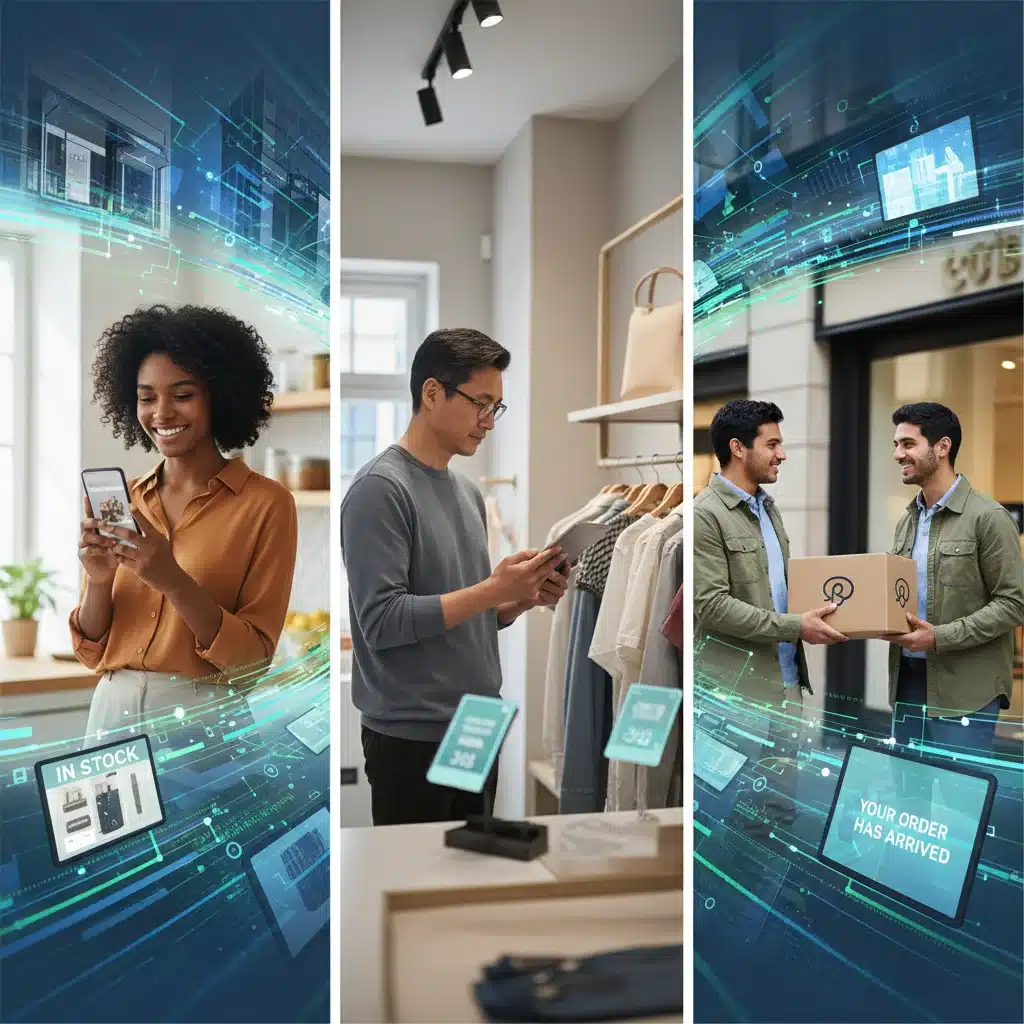
Consider the modern consumer’s journey: they might discover a product on social media, research it on a brand’s website, check stock availability at a local store, purchase it online, and then pick it up in-store. Each step must be smooth and interconnected. Any friction—like inconsistent pricing, outdated inventory information, or a clunky handover between online and offline—can lead to frustration and lost sales.
US retailers must prioritize the integration of their inventory management systems, e-commerce platforms, and physical store operations. This ensures that customers have accurate, real-time information, whether they’re checking stock online, using a self-service kiosk in-store, or speaking with a sales associate.
Expanding Fulfillment Options
Convenient fulfillment is a critical component of a successful omnichannel retail strategy. Consumers today expect a variety of options that cater to their busy lifestyles. Key fulfillment strategies include:
- Buy Online, Pick Up In-Store (BOPIS): Also known as Click and Collect, this option allows customers to purchase items online and pick them up at a nearby physical store. It’s incredibly popular due to its speed and elimination of shipping costs. Retailers must optimize their in-store pickup processes to be quick and efficient, perhaps with dedicated pickup counters or lockers.
- Ship-from-Store: This strategy turns physical stores into mini-distribution centers, allowing them to fulfill online orders. This reduces shipping times, lowers shipping costs, and helps clear excess inventory from store shelves. It’s particularly effective for retailers with a wide geographical footprint.
- Curbside Pickup: An accelerated version of BOPIS, curbside pickup gained immense popularity during the pandemic and remains a favored option for its convenience. Retailers need robust mobile apps or communication systems to alert staff when a customer arrives.
- Same-Day/Next-Day Delivery: For certain product categories and urban areas, rapid delivery is a significant competitive differentiator. This often involves partnerships with local courier services or investing in a dedicated last-mile delivery infrastructure.
By offering a diverse range of fulfillment options, retailers cater to different customer needs and preferences, thereby reducing cart abandonment and increasing customer loyalty. Each option reinforces the seamless nature of the omnichannel retail strategy, demonstrating that the brand values convenience and choice.
Optimizing Returns and Exchanges
The customer journey doesn’t end with a purchase; returns and exchanges are an integral part of the retail experience. An effective omnichannel retail strategy extends to a flexible and hassle-free returns policy. Customers should be able to return or exchange items purchased online at a physical store, and vice-versa.
This not only improves customer satisfaction but also drives foot traffic to stores, where customers might make additional purchases. Streamlined return processes, clear communication, and consistent policies across all channels are essential to prevent frustration and maintain trust.
Strategy 3: Empowering Store Associates with Digital Tools
While digital channels are crucial, the physical store remains a vital component of the omnichannel retail strategy, especially in the US market. The key is to transform store associates from transactional cashiers into empowered brand ambassadors and customer service experts, equipped with the same digital tools and information available to online shoppers.
Bridging the Online-Offline Divide in-Store
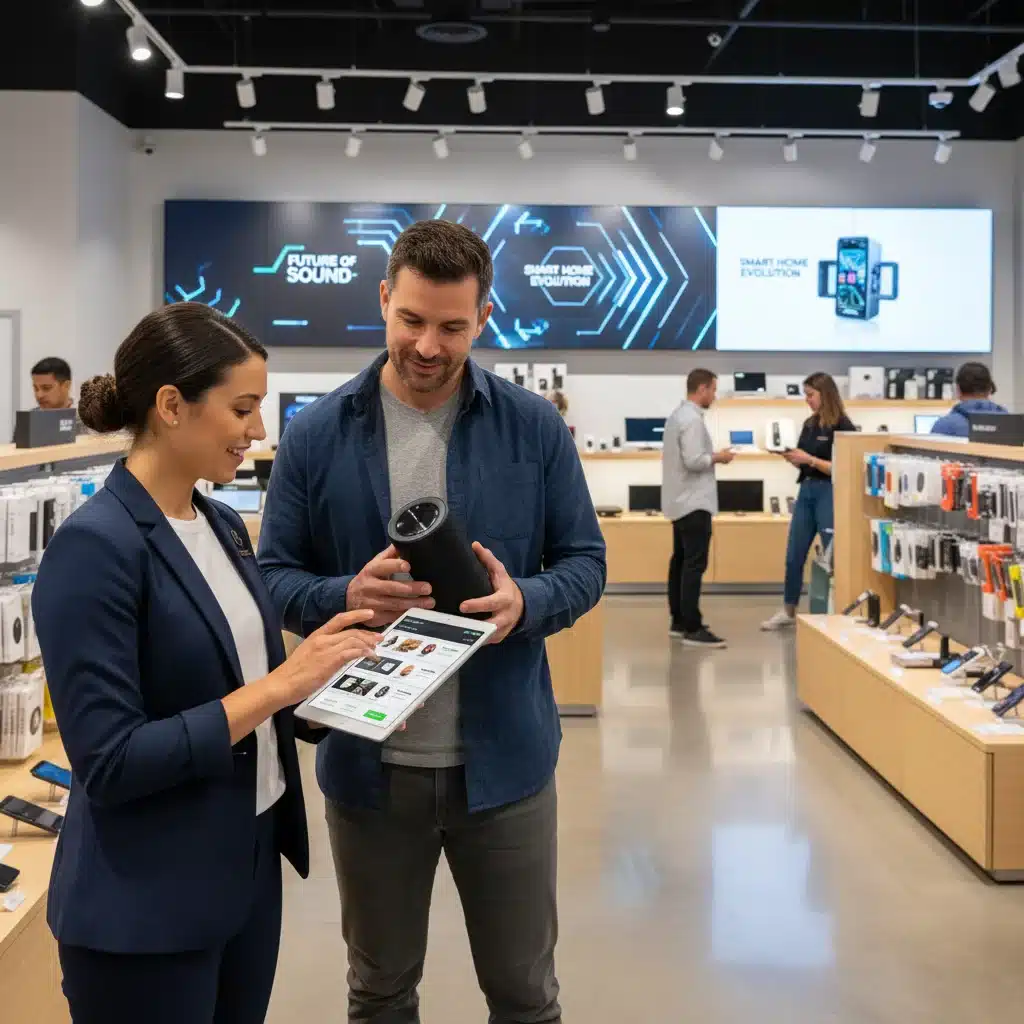
Traditionally, there was a stark divide between the information available to a customer online and what a store associate could access. An effective omnichannel retail strategy eliminates this gap. Equipping associates with mobile devices (tablets, handheld scanners) connected to the unified customer data platform allows them to:
- Access real-time inventory: Check stock levels across all stores and warehouses, preventing lost sales due to out-of-stock items.
- View customer profiles: Understand a customer’s online browsing history, past purchases, preferences, and loyalty program status.
- Offer personalized recommendations: Based on the customer’s profile, suggest relevant products, accessories, or services.
- Facilitate endless aisle shopping: If an item isn’t in stock in-store, associates can order it for the customer directly from the warehouse or another store, with options for home delivery or in-store pickup.
- Process mobile checkout: Reduce wait times and improve convenience by allowing associates to complete transactions anywhere in the store.
This empowerment transforms the in-store experience, making it more engaging, efficient, and personalized. It leverages the human element, combining it with digital efficiency to create a superior customer journey, a hallmark of a strong omnichannel retail strategy.
Training and Culture Shift
Implementing digital tools for store associates is only half the battle. Retailers must also invest in comprehensive training and foster a culture that embraces technology and customer-centricity. Associates need to understand not just how to use the tools, but also how these tools enhance the customer experience and contribute to the overall omnichannel retail strategy.
Training should cover:
- Technology proficiency: Ensuring comfort and expertise with new devices and software.
- Customer service in an omnichannel context: Understanding how to assist customers who have interacted with the brand through multiple channels.
- Product knowledge: Deepening understanding to provide expert advice and recommendations.
- Problem-solving: Equipping associates to handle complex scenarios like returns of online purchases or special orders.
A cultural shift towards viewing stores as experience hubs and associates as key facilitators of the omnichannel journey is crucial. When associates feel valued and empowered, they become more engaged and effective, directly contributing to sales growth and customer loyalty.
Measuring Success and Continuous Optimization
Implementing an omnichannel retail strategy is an ongoing process, not a one-time project. To achieve and sustain the projected 15% sales boost by 2026, US retailers must continuously measure their performance, gather feedback, and optimize their strategies.
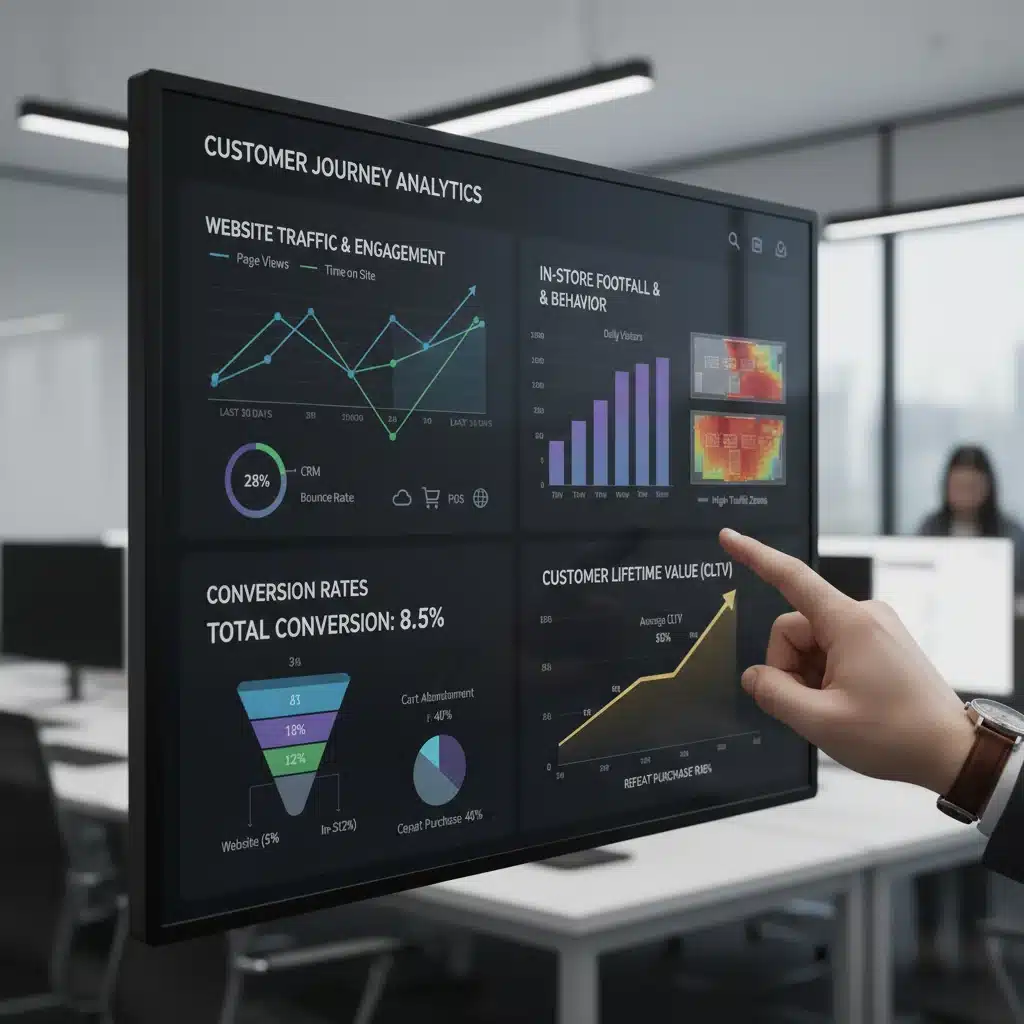
Key Performance Indicators (KPIs) for Omnichannel
Measuring the effectiveness of an omnichannel retail strategy requires a holistic set of KPIs that go beyond traditional channel-specific metrics. Important metrics include:
- Customer Lifetime Value (CLV): Omnichannel customers typically have a higher CLV due to increased engagement and loyalty.
- Cross-channel purchase frequency: How often customers interact and purchase across different channels.
- Return rates by channel: Identifying potential friction points in the return process for different channels.
- Customer satisfaction (CSAT) and Net Promoter Score (NPS): Gauging overall customer sentiment about their seamless experience.
- Conversion rates by channel and across channels: Understanding where customers are converting and identifying opportunities for improvement.
- Click & Collect/BOPIS adoption rates: Tracking the popularity and efficiency of these fulfillment options.
- Store associate engagement and productivity: Assessing how empowered associates are contributing to sales.
By tracking these comprehensive KPIs, retailers can gain a clear understanding of what’s working, what needs improvement, and where to allocate resources for maximum impact on their omnichannel retail strategy.
Gathering Customer Feedback
Direct customer feedback is invaluable. Retailers should implement mechanisms to collect feedback at every touchpoint:
- Post-purchase surveys: Sent after online or in-store purchases, or after using a specific fulfillment option.
- In-app feedback: Allowing customers to easily report issues or suggest improvements within mobile applications.
- Social media listening: Monitoring conversations and sentiment about the brand across social platforms.
- Customer service interactions: Analyzing call logs, chat transcripts, and email exchanges for common pain points.
This feedback loop is crucial for identifying areas of friction, understanding evolving customer expectations, and making data-driven adjustments to the omnichannel retail strategy.
Agile Optimization and Iteration
The retail landscape is constantly changing, meaning an omnichannel retail strategy must be agile and adaptable. Retailers should adopt an iterative approach, regularly reviewing performance data and customer feedback to make continuous improvements.
This might involve:
- Testing new fulfillment options.
- Refining personalization algorithms.
- Updating in-store technology.
- Adjusting staff training programs.
The goal is to maintain a competitive edge and ensure the omnichannel retail strategy remains aligned with both business objectives and customer demands. This commitment to continuous improvement is what will ultimately drive the 15% sales boost and beyond for US retailers by 2026.
The Future of US Retail is Omnichannel
The journey to achieving a 15% sales boost in US retail by 2026 hinges on the successful implementation of a sophisticated omnichannel retail strategy. This involves more than just having multiple channels; it demands a deep commitment to unifying customer data, integrating channels for seamless experiences, and empowering store associates with the right tools and training.
By focusing on personalized experiences driven by data, offering flexible and convenient fulfillment options, and transforming the role of the physical store, retailers can create a cohesive and compelling customer journey. Those who embrace these strategies will not only meet the evolving expectations of today’s consumers but will also position themselves for significant growth and long-term success in a competitive market.
The investment in technology, data infrastructure, and employee training required for a robust omnichannel retail strategy is substantial, but the returns—in terms of increased sales, enhanced customer loyalty, and a stronger brand presence—are undeniable. The future of US retail is undeniably omnichannel, and now is the time for businesses to master this transformative approach.