Mapping the 2026 US Consumer Journey: Identifying New Touchpoints
Mapping the Evolving US Consumer Journey: Identifying New Touchpoints for 2026
The landscape of consumer behavior is in perpetual motion, a dynamic tapestry woven with technological advancements, shifting societal values, and unprecedented global events. As businesses look towards 2026, understanding the nuances of the US consumer journey 2026 becomes not just an advantage, but a necessity for survival and growth. The traditional funnel, once a steadfast guide, has splintered into a complex web of interactions, demanding a more agile and empathetic approach from brands. This comprehensive guide will dissect the projected evolution of the US consumer path to purchase, highlighting critical new touchpoints that will define engagement and conversion in the coming years.
The digital revolution, accelerated by recent global shifts, has fundamentally altered how consumers discover, evaluate, purchase, and advocate for products and services. What was once a linear progression is now a multi-directional, often simultaneous, exploration. Consumers are more informed, more connected, and more demanding than ever before. They expect seamless experiences, personalized interactions, and ethical brand practices. Ignoring these shifts is akin to navigating a storm with an outdated map.
Our exploration will focus on three paramount new touchpoints that are poised to reshape the consumer journey 2026: Ambient Commerce, Immersive Experiences (AR/VR), and Hyper-Personalized Predictive Engagement. These aren’t merely fleeting trends; they represent fundamental shifts in how consumers interact with brands and make purchasing decisions. By understanding and strategically integrating these touchpoints, businesses can future-proof their marketing strategies and build stronger, more resilient customer relationships.
The Foundation of Change: What’s Driving the Evolving Consumer Journey?
Before diving into the specifics of new touchpoints, it’s crucial to understand the underlying forces propelling this evolution. Several macro trends are converging to redefine the consumer journey 2026:
1. Technological Acceleration and Ubiquitous Connectivity
The proliferation of smart devices, 5G networks, and advanced AI is creating an ‘always-on’ consumer. This constant connectivity means information is instantly accessible, expectations for responsiveness are sky-high, and purchasing can happen anywhere, anytime. The boundaries between online and offline are increasingly blurred, creating a hybrid consumer experience that brands must master.
2. Data-Driven Personalization and Privacy Concerns
Consumers are accustomed to personalized experiences, from streaming service recommendations to targeted advertisements. However, this desire for personalization is increasingly balanced with growing concerns about data privacy. Brands must navigate this delicate balance, leveraging data responsibly to create relevant experiences without infringing on trust. Transparency and control over personal data will be key differentiators.
3. The Rise of Experiential and Values-Based Consumption
Beyond product features and price, consumers, particularly younger generations, are increasingly driven by experiences and shared values. They seek brands that align with their ethical stances, social consciousness, and environmental concerns. The purchase decision is no longer purely transactional; it’s an affirmation of identity and values. This demands authentic storytelling and tangible commitment from brands.
4. Shifting Demographics and Cultural Dynamics
The US population is becoming more diverse, with significant implications for marketing and communication. Understanding cultural nuances, linguistic preferences, and generational differences is paramount. The influence of Gen Z and Alpha, digital natives with unique expectations, will continue to grow, shaping the future of the consumer journey 2026.
5. Economic Volatility and Value Consciousness
Economic fluctuations will continue to influence purchasing decisions. Consumers will remain value-conscious, seeking quality, durability, and a clear return on investment. This doesn’t necessarily mean opting for the cheapest option, but rather the one that offers the most perceived value relative to its cost, often encompassing sustainability and ethical production.
New Touchpoint 1: Ambient Commerce – Seamless Transactions in Everyday Life
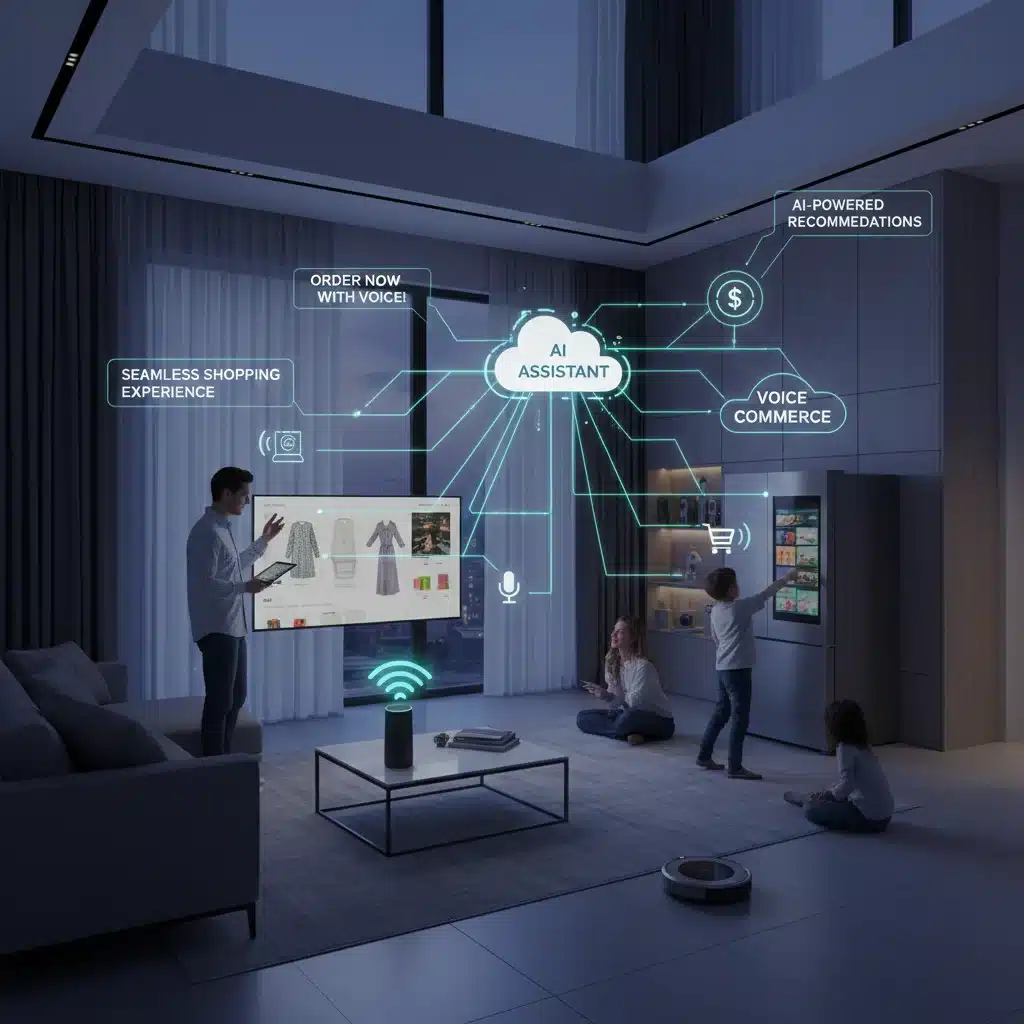
One of the most transformative new touchpoints shaping the consumer journey 2026 is Ambient Commerce. This concept moves beyond traditional e-commerce or even mobile commerce, embedding purchasing opportunities seamlessly into the consumer’s environment and daily routines, often without explicit interaction.
What is Ambient Commerce?
Ambient Commerce refers to the integration of purchasing capabilities into everyday objects, devices, and digital assistants, making transactions virtually invisible and effortless. It’s about proactive fulfillment based on predictive analytics and context, often facilitated by voice, AI, and IoT devices. Imagine your smart refrigerator automatically reordering milk when it detects low stock, or your smart speaker suggesting a refill of your favorite coffee based on past consumption patterns and calendar events.
Key Manifestations of Ambient Commerce:
- Voice Commerce: Already gaining traction, voice assistants like Amazon Alexa and Google Assistant will become even more sophisticated in understanding intent and facilitating purchases. Optimizing for voice search and ensuring products are easily discoverable via voice commands will be critical.
- IoT-Enabled Replenishment: Devices connected to the Internet of Things (IoT) will monitor consumption and automatically trigger reorders. This moves the purchase decision from an active choice to a passive, automated process, driven by convenience.
- Predictive AI: Advanced AI algorithms will analyze consumer behavior, preferences, and contextual data to anticipate needs and offer relevant products or services before the consumer even realizes they need them. This requires robust data integration and ethical AI development.
- Embedded Experiences: Purchasing options will be integrated directly into content, such as shoppable videos, interactive ads, and even smart mirrors that allow for instant purchases.
Implications for Businesses:
For brands, embracing Ambient Commerce means shifting from a ‘pull’ strategy (attracting customers to a storefront or website) to a ‘push’ strategy (proactively meeting needs where the customer is). This requires:
- Voice Optimization: Ensuring product descriptions are voice-friendly, using natural language, and optimizing for conversational queries.
- API Integration: Developing robust APIs to connect with various IoT devices and smart platforms.
- Data Ethics and Trust: Building consumer trust by being transparent about data usage and offering clear opt-in/opt-out options for automated purchases.
- Subscription Models: Leveraging subscription services to facilitate automated replenishment and build long-term customer relationships.
- Contextual Marketing: Understanding the context of consumer activity to deliver highly relevant and non-intrusive offers.
New Touchpoint 2: Immersive Experiences (AR/VR) – Bridging the Physical and Digital Divide
Another pivotal touchpoint in the consumer journey 2026 will be the widespread adoption of Immersive Experiences, primarily through Augmented Reality (AR) and Virtual Reality (VR). These technologies offer unprecedented ways for consumers to interact with products and services, blurring the lines between the physical and digital worlds.
The third crucial new touchpoint is Hyper-Personalized Predictive Engagement. This goes beyond basic personalization, leveraging advanced AI and machine learning to anticipate individual consumer needs, preferences, and behaviors, and then proactively engaging with highly relevant, timely, and context-aware communications.
What are Immersive Experiences?
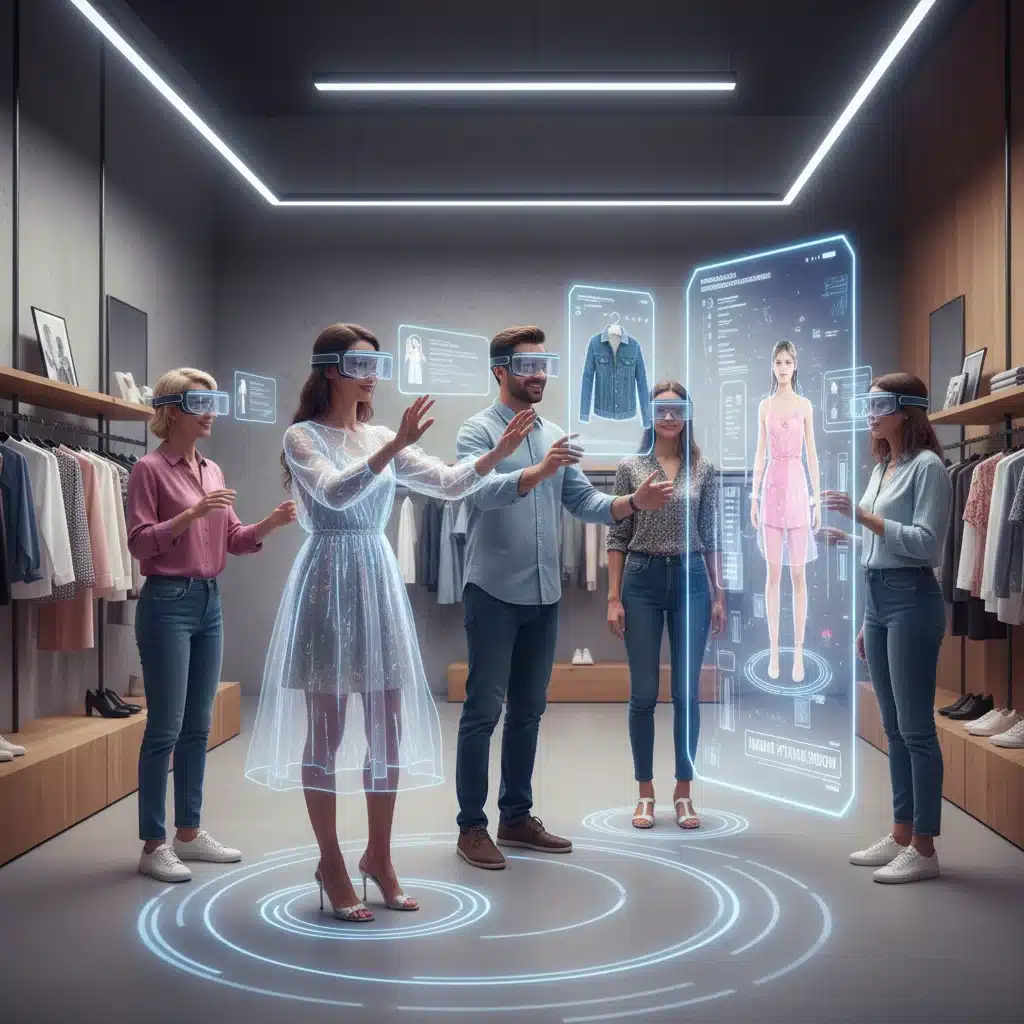
Immersive Experiences leverage AR and VR to create highly engaging and interactive environments. AR overlays digital information onto the real world (e.g., trying on glasses virtually), while VR creates entirely simulated environments (e.g., touring a virtual showroom). These technologies move beyond passive consumption, enabling active participation and deeper connection with brands and products.
Key Manifestations of Immersive Experiences:
- Augmented Reality Shopping: Consumers will use AR apps to virtually try on clothes, place furniture in their homes, or visualize how a product will look before purchasing. This reduces returns and increases purchase confidence.
- Virtual Showrooms and Stores: Brands will create VR environments where consumers can explore products, interact with virtual sales assistants, and even socialize with other shoppers. This offers a rich, engaging alternative to physical retail.
- Experiential Marketing Campaigns: AR and VR will be used to create memorable brand experiences, from virtual concerts to interactive product launches, fostering emotional connections.
- Training and Education: For complex products or services, VR can offer immersive training simulations, enhancing understanding and skill development.
Implications for Businesses:
Integrating Immersive Experiences into the consumer journey 2026 requires a strategic investment in technology and creative content development. Businesses must consider:
- Content Creation: Developing 3D models of products, designing engaging virtual environments, and crafting interactive narratives for AR/VR applications.
- Platform Integration: Ensuring AR/VR experiences are accessible across various devices and platforms, from smartphones to dedicated headsets.
- User Experience Design: Prioritizing intuitive navigation and seamless interaction within immersive environments to avoid frustration.
- Measurement and Analytics: Developing new metrics to track engagement, conversion, and ROI within AR/VR experiences.
- Accessibility: Ensuring these experiences are inclusive and accessible to a broad range of users.
New Touchpoint 3: Hyper-Personalized Predictive Engagement – Anticipating Needs and Building Loyalty
What is Hyper-Personalized Predictive Engagement?
This touchpoint is characterized by brands using sophisticated data analytics to predict future actions and needs of individual consumers. It’s about moving from reactive customer service to proactive value delivery. Instead of just recommending products based on past purchases, it’s about understanding life events, behavioral patterns, and even emotional states to offer solutions before the consumer explicitly asks for them.
Key Manifestations of Hyper-Personalized Predictive Engagement:
- AI-Powered Proactive Support: Chatbots and AI assistants will not only answer questions but also anticipate issues, offer solutions, and even initiate conversations based on predictive insights (e.g., ‘It looks like your subscription is due for renewal, would you like to update your plan?’).
- Dynamic Content Personalization: Websites, apps, and emails will dynamically adapt their content, offers, and even layouts in real-time based on the individual user’s current context, past behavior, and predicted needs.
- Lifecycle Stage Anticipation: Brands will use predictive models to identify a consumer’s current lifecycle stage (e.g., new parent, moving house, career change) and tailor communications and product offerings accordingly.
- Personalized Product Development: Insights from predictive engagement can even inform product development, leading to hyper-customized products or services designed for specific micro-segments or even individuals.
- Real-time Offer Optimization: Leveraging location data, browsing history, and purchase intent to deliver highly relevant offers at the precise moment a consumer is most likely to convert.
Implications for Businesses:
Implementing Hyper-Personalized Predictive Engagement requires a robust data infrastructure, advanced analytical capabilities, and a commitment to ethical data practices. Businesses must focus on:
- Data Unification: Breaking down data silos to create a single, comprehensive view of each customer across all touchpoints.
- Advanced Analytics and Machine Learning: Investing in AI and ML tools to analyze vast datasets, identify patterns, and make accurate predictions.
- Ethical AI and Transparency: Ensuring predictive models are fair, unbiased, and transparent, and communicating clearly how data is used to enhance the customer experience.
- Cross-Functional Collaboration: Marketing, sales, and customer service teams must work together seamlessly to deliver a cohesive and personalized experience.
- Continuous Optimization: Predictive models are not static; they require constant refinement and learning based on new data and feedback.
Integrating New Touchpoints into a Cohesive Strategy for the Consumer Journey 2026
The emergence of Ambient Commerce, Immersive Experiences, and Hyper-Personalized Predictive Engagement doesn’t mean abandoning existing touchpoints. Instead, it necessitates a strategic integration that creates a seamless, omnichannel consumer journey 2026. The goal is to create a fluid experience where consumers can move effortlessly between different channels and devices, with each interaction building upon the last.
Building an Omnichannel Ecosystem:
An effective strategy for the consumer journey 2026 will involve:
- Unified Customer Profiles: A single, comprehensive view of each customer, accessible across all touchpoints, ensuring consistency and personalization.
- Seamless Handoffs: Enabling customers to start an interaction on one channel (e.g., voice assistant) and continue it on another (e.g., AR app) without losing context.
- Attribution Modeling: Developing sophisticated attribution models to accurately measure the impact of each touchpoint, especially the new, less direct ones, on the overall customer journey.
- Employee Training and Empowerment: Equipping employees with the tools and knowledge to navigate and support these new touchpoints, ensuring consistent brand messaging and service.
- Agile Marketing and Experimentation: The landscape will continue to evolve rapidly. Brands must adopt agile methodologies, continuously testing, learning, and adapting their strategies.
The Role of Data and Analytics:
Data will be the lifeblood of the consumer journey 2026. Collecting, analyzing, and acting upon data from all touchpoints – from smart home devices to AR interactions to predictive engagement – will be paramount. This data will inform:
- Personalization at Scale: Delivering individualized experiences to millions of consumers.
- Journey Mapping and Optimization: Identifying bottlenecks, pain points, and opportunities for improvement within the customer journey.
- ROI Measurement: Justifying investments in new technologies and strategies by demonstrating their impact on business outcomes.
- Competitive Advantage: Brands that master data-driven insights will be able to outmaneuver competitors in understanding and meeting consumer needs.
Challenges and Ethical Considerations
While the opportunities presented by these new touchpoints are immense, businesses must also be cognizant of the challenges and ethical considerations:
- Data Privacy and Security: With more data being collected across more touchpoints, ensuring robust data privacy and security measures is non-negotiable. Breaches can severely damage trust and reputation.
- Algorithmic Bias: Predictive AI models can inherit biases from the data they are trained on, leading to discriminatory or unfair outcomes. Brands must actively work to mitigate these biases.
- Information Overload and ‘Creepiness’ Factor: Over-personalization or intrusive predictive engagement can overwhelm or alienate consumers. Striking the right balance between helpfulness and intrusiveness is crucial.
- Technological Debt: Rapid adoption of new technologies without a clear strategy can lead to fragmented systems and increased operational complexity.
- Digital Divide: Ensuring that these advanced touchpoints do not exclude segments of the population who lack access to the necessary technology or digital literacy.
Addressing these challenges proactively, with transparency and a consumer-centric approach, will be vital for long-term success in navigating the consumer journey 2026.
Conclusion: Navigating the Future of Consumer Engagement
The consumer journey 2026 will be characterized by unprecedented levels of convenience, personalization, and immersion. Ambient Commerce, Immersive Experiences, and Hyper-Personalized Predictive Engagement are not just buzzwords; they represent fundamental shifts in how consumers will interact with brands. Businesses that proactively embrace these new touchpoints, integrate them into a cohesive omnichannel strategy, and prioritize ethical data practices will be well-positioned to thrive in this evolving landscape.
The future belongs to brands that can anticipate consumer needs, deliver seamless and delightful experiences across a multitude of channels, and build genuine trust. By continuously adapting, innovating, and putting the customer at the heart of every strategy, businesses can not only survive but excel in the dynamic and exciting world of the future consumer journey 2026.
The time to start preparing is now. Understanding these shifts and investing in the right technologies, talent, and strategies will determine which brands lead the market and which are left behind. The evolution of the consumer path to purchase is not a distant future; it is already here, rapidly unfolding, and demanding our immediate attention and strategic response.