Supply Chain Resilience: How Top US Retailers Cut Inventory Costs by 8% in the Last 3 Months
Supply Chain Resilience: How Top US Retailers Cut Inventory Costs by 8% in the Last 3 Months
In an increasingly volatile global market, the ability of retailers to adapt and thrive hinges significantly on the robustness of their supply chains. The past few years have been a crucible for businesses worldwide, testing their resilience against unprecedented disruptions, from pandemics to geopolitical shifts and economic uncertainties. Yet, amidst these challenges, a remarkable trend has emerged among leading US retailers: a significant 8% reduction in inventory costs over the last three months. This isn’t merely a stroke of luck; it’s a testament to strategic foresight, technological adoption, and a renewed focus on supply chain resilience and retail inventory optimization.
For decades, inventory has been a double-edged sword for retailers. Too much inventory ties up capital, incurs storage costs, risks obsolescence, and can lead to markdowns. Too little inventory, on the other hand, results in stockouts, lost sales, and customer dissatisfaction. The sweet spot—optimal inventory levels—has always been elusive. However, recent advancements and a proactive approach to building resilient supply chains have allowed top retailers to not only find this sweet spot but to also significantly cut down on the associated costs, proving that effective retail inventory optimization is paramount.
This article delves into the strategies, technologies, and mindset shifts that have enabled these industry leaders to achieve such impressive results. We will explore how a proactive approach to supply chain management, powered by data and innovation, is redefining what’s possible in retail operations. Understanding these shifts is crucial for any business looking to enhance its operational efficiency, reduce costs, and build a more sustainable future.
The Imperative of Supply Chain Resilience in Modern Retail
The concept of supply chain resilience has moved from a theoretical ideal to an absolute necessity. The traditional ‘just-in-time’ (JIT) model, while efficient in stable environments, proved vulnerable during periods of extreme disruption. Retailers learned the hard way that a lean supply chain, while minimizing immediate holding costs, could amplify the impact of unexpected events, leading to widespread stockouts and significant revenue losses. The shift towards building resilience involves creating supply chains that can anticipate, absorb, and adapt to disruptions, minimizing their impact and ensuring business continuity.
This paradigm shift has been central to the success seen in inventory cost reductions. By building resilience, retailers are not just reacting to problems; they are proactively mitigating risks. This includes diversifying supplier bases, implementing advanced risk management protocols, and creating more flexible logistical networks. The ultimate goal is to ensure that products are available when and where customers want them, without incurring excessive costs associated with overstocking or emergency procurement. This holistic approach significantly contributes to effective retail inventory optimization.
Understanding Inventory Costs Beyond the Obvious
To truly appreciate the 8% reduction, it’s important to understand the multifaceted nature of inventory costs. These aren’t just about the price paid for goods. They encompass:
- Carrying Costs: The expenses associated with holding inventory, including warehousing (rent, utilities, maintenance), insurance, security, depreciation, and the opportunity cost of capital tied up in stock.
- Ordering Costs: The expenses incurred each time an order is placed, such as administrative costs, transportation, and receiving.
- Shortage Costs: The costs associated with not having inventory when needed, including lost sales, loss of customer goodwill, expedited shipping fees, and production delays.
- Obsolescence Costs: The losses incurred when inventory becomes outdated, damaged, or unsellable, leading to write-offs or heavy markdowns.
By focusing on supply chain resilience, retailers are effectively tackling all these cost categories. A more predictable and agile supply chain reduces the need for large safety stocks (cutting carrying costs), optimizes ordering frequencies (reducing ordering costs), minimizes stockouts (avoiding shortage costs), and ensures a faster flow of goods, thereby reducing the risk of obsolescence. This integrated strategy is the bedrock of successful retail inventory optimization.
Key Strategies Driving Inventory Cost Reductions
The 8% reduction in inventory costs didn’t happen by chance. It’s the result of a concerted effort across several strategic pillars. Here are the primary drivers:
1. Advanced Demand Forecasting and Predictive Analytics
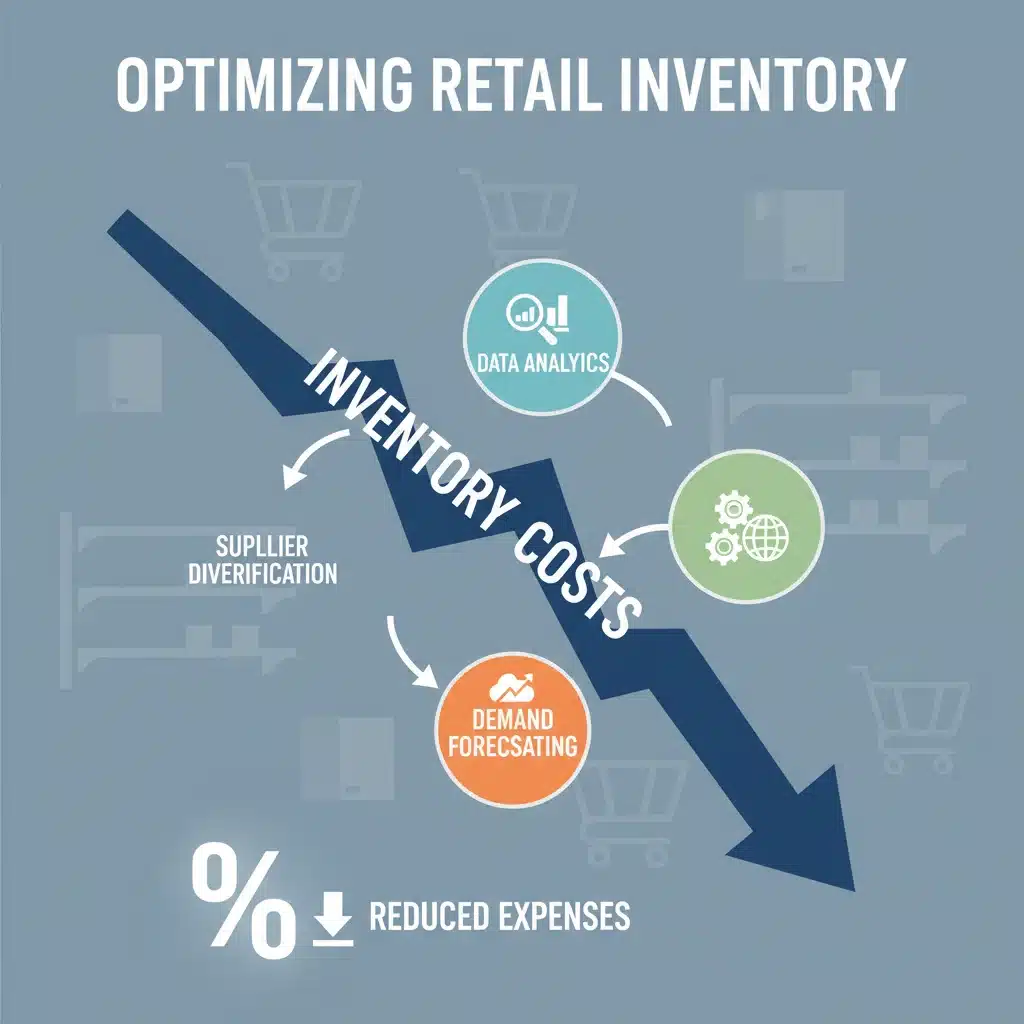
One of the most significant advancements has been in the realm of demand forecasting. Traditional forecasting methods, often reliant on historical sales data, proved insufficient in volatile markets. Top retailers have invested heavily in AI and machine learning-driven predictive analytics. These systems can analyze vast datasets, including historical sales, promotional activities, economic indicators, social media trends, weather patterns, and even competitor behavior, to generate highly accurate demand predictions.
Improved forecasting allows retailers to order precisely what they need, when they need it, drastically reducing the risk of overstocking or understocking. This precision directly translates into lower carrying costs and fewer lost sales. For instance, by accurately predicting seasonal spikes or unexpected dips in demand, retailers can adjust their procurement and distribution plans proactively, optimizing their retail inventory optimization efforts.
2. Enhanced Supplier Collaboration and Diversification
Reliance on a single supplier or a limited geographical region proved to be a critical vulnerability during recent disruptions. Leading retailers have actively pursued supplier diversification strategies, establishing relationships with multiple suppliers across different regions. This ‘multi-sourcing’ approach provides alternative supply channels in case one fails, significantly reducing risk.
Beyond diversification, there’s a renewed emphasis on deeper collaboration with key suppliers. This involves sharing demand forecasts, production schedules, and even inventory data to create a more transparent and responsive supply network. By working closely with suppliers, retailers can negotiate better terms, achieve faster lead times, and ensure a more consistent supply of goods, all contributing to better retail inventory optimization.
3. Real-time Inventory Visibility and Management
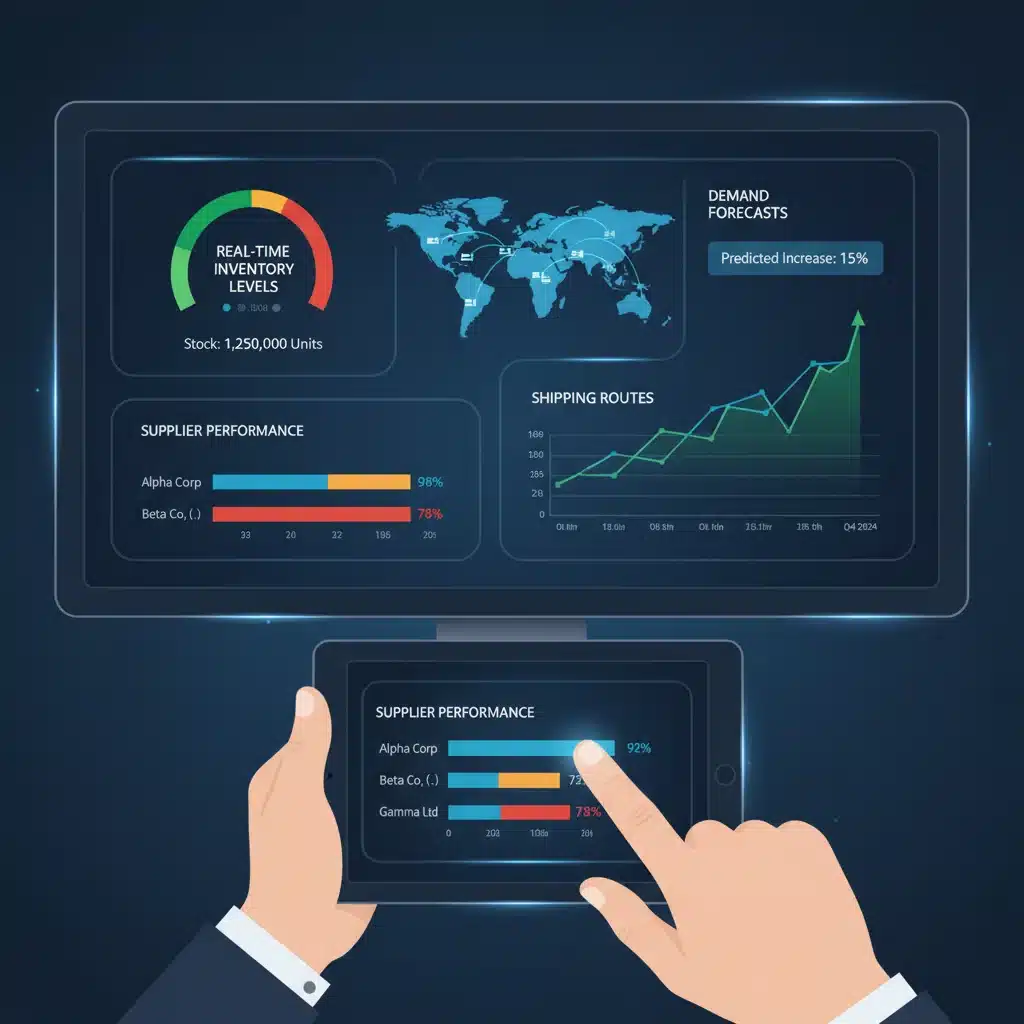
You can’t manage what you can’t see. Real-time inventory visibility across the entire supply chain—from raw materials to goods in transit and in warehouses—has become non-negotiable. Technologies like RFID, IoT sensors, and advanced Warehouse Management Systems (WMS) provide granular data on inventory levels, movement, and location at any given moment.
This visibility empowers retailers to make agile decisions. They can quickly identify slow-moving items, reallocate stock between stores or distribution centers, and prevent stockouts before they occur. This dynamic management reduces the need for large safety stocks, optimizes storage space utilization, and minimizes losses due to obsolescence or misplaced goods. Real-time insights are crucial for effective retail inventory optimization.
4. Optimization of Distribution Networks and Last-Mile Delivery
The physical movement of goods is a significant cost driver. Retailers are re-evaluating and optimizing their distribution networks. This includes strategically locating distribution centers closer to major customer hubs, implementing cross-docking strategies to reduce storage time, and leveraging automation in warehouses to improve efficiency.
Last-mile delivery, often the most expensive leg of the supply chain, is also undergoing significant transformation. Retailers are exploring various models, including micro-fulfillment centers, drone delivery (in specific contexts), and partnerships with third-party logistics (3PL) providers to reduce transportation costs and improve delivery speed. An optimized distribution network ensures that inventory moves efficiently, reducing transit times and associated holding costs, which is vital for retail inventory optimization.
5. Embracing Automation and Robotics
Automation and robotics are no longer futuristic concepts; they are current realities in modern retail supply chains. Automated guided vehicles (AGVs), robotic arms for picking and packing, and automated storage and retrieval systems (AS/RS) are transforming warehouse operations. These technologies significantly increase throughput, reduce labor costs, minimize errors, and optimize storage density.
By streamlining warehouse operations, retailers can process orders faster, reduce lead times, and manage inventory more accurately. This efficiency directly impacts carrying costs and improves overall supply chain responsiveness, leading to better retail inventory optimization.
The Role of Data Analytics and AI in Driving Efficiency
At the heart of all these strategies is data. The ability to collect, process, and derive actionable insights from vast amounts of data is what separates the leaders from the laggards. Artificial Intelligence (AI) and Machine Learning (ML) algorithms are the engines driving this transformation. They enable:
- Prescriptive Analytics: Not just predicting what will happen, but recommending the best course of action (e.g., optimal reorder points, safety stock levels).
- Anomaly Detection: Identifying unusual patterns in demand or supply that could indicate a potential disruption or opportunity.
- Scenario Planning: Simulating different supply chain scenarios to understand potential impacts and develop contingency plans.
- Personalized Inventory Management: Tailoring inventory strategies to specific product categories, store locations, or even individual customer segments.
The continuous feedback loop provided by advanced analytics allows retailers to constantly refine their inventory management strategies, making them more adaptive and efficient over time. This iterative improvement is a cornerstone of sustained retail inventory optimization.
Case Studies: Real-World Impact
While specific company names are often proprietary, the trends observed across major US retailers illustrate these principles in action:
- Large Apparel Retailer: Implemented AI-driven demand forecasting combined with RFID tracking. This led to a 10% reduction in safety stock across their network and a 5% decrease in markdowns due to improved stock allocation.
- Grocery Chain: Utilized predictive analytics to optimize perishable goods inventory. By forecasting demand with greater accuracy, they reduced spoilage by 15% and improved in-stock rates for popular items, directly impacting their retail inventory optimization goals.
- Electronics Giant: Diversified its component suppliers across Asia and Europe and invested in a robust supply chain control tower. This allowed them to pivot quickly during regional disruptions, avoiding major production delays and associated inventory holding costs for unfinished goods.
These examples highlight that the 8% cost reduction is not an isolated incident but a measurable outcome of strategic investments and operational excellence in retail inventory optimization.
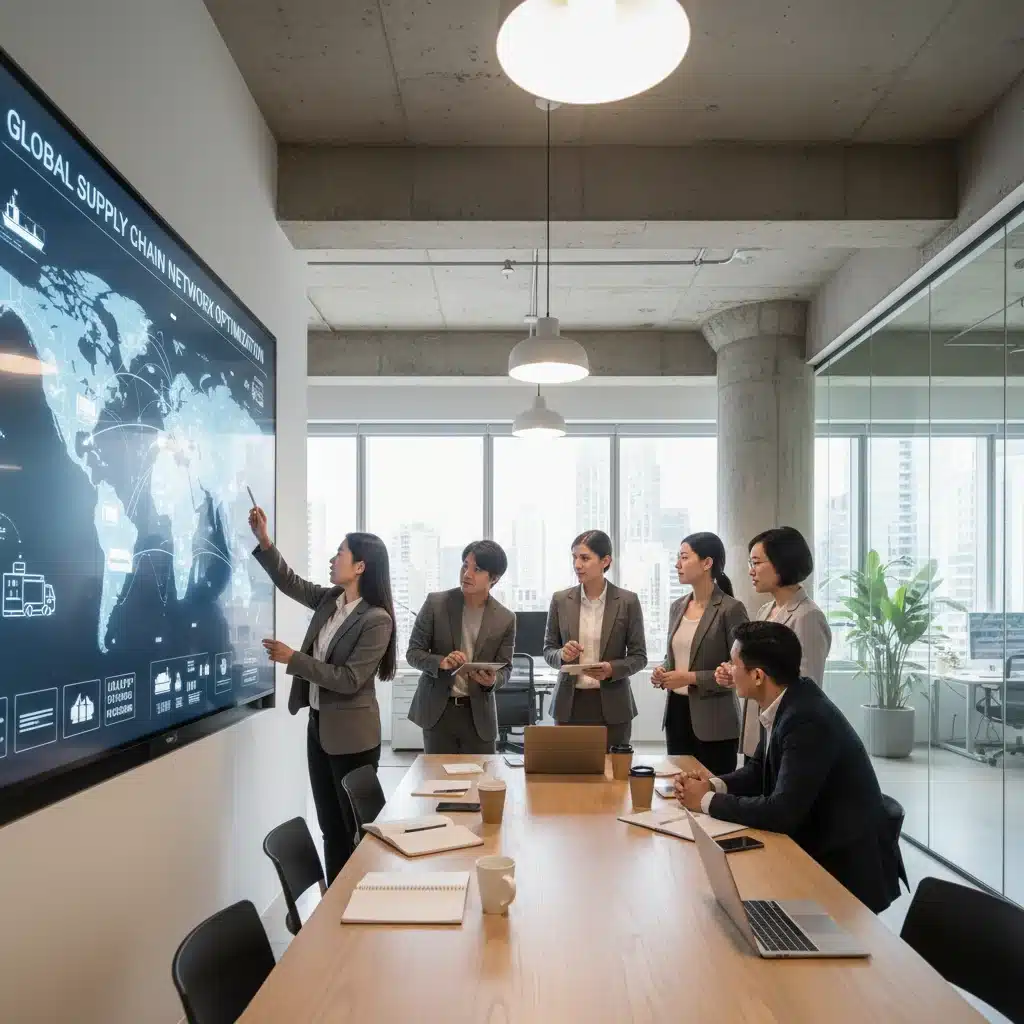
Challenges and Future Outlook for Retail Inventory Optimization
While the progress is impressive, the journey towards optimal supply chain resilience and retail inventory optimization is ongoing. Retailers still face challenges:
- Data Silos: Integrating data from disparate systems (ERP, WMS, CRM, supplier portals) remains a significant hurdle for many.
- Talent Gap: A shortage of skilled professionals in data science, AI, and advanced supply chain analytics can hinder implementation.
- Sustainability Pressures: Balancing cost reduction with growing consumer and regulatory demands for sustainable and ethical supply chains adds another layer of complexity.
Looking ahead, we can expect further innovations. The rise of blockchain technology for enhanced traceability and transparency, advanced robotics for even greater automation, and increasingly sophisticated AI for hyper-personalization of inventory are on the horizon. The concept of the ‘digital twin’ of a supply chain, allowing for real-time simulation and optimization, will become more prevalent.
The focus will continue to be on creating ‘self-healing’ supply chains that can autonomously detect issues, analyze potential solutions, and even execute corrective actions with minimal human intervention. This next wave of innovation promises even greater efficiencies and resilience.
Conclusion: A New Era of Smart Inventory Management
The 8% reduction in inventory costs achieved by top US retailers in the last three months is a clear indicator of a paradigm shift in how businesses approach their supply chains. It underscores the critical importance of moving beyond traditional inventory management to embrace a holistic strategy centered on resilience, data-driven decision-making, and technological innovation. Retail inventory optimization is no longer just about reducing costs; it’s about building a robust, agile, and intelligent system that can withstand disruptions and capitalize on opportunities.
For businesses looking to emulate this success, the path is clear: invest in advanced analytics, foster deeper supplier collaborations, enhance real-time visibility, optimize distribution networks, and embrace automation. The rewards are not just financial savings but also improved customer satisfaction, enhanced competitive advantage, and a more sustainable business model in an ever-evolving global landscape. The future of retail is resilient, intelligent, and optimized.