Experiential Retail: 5 Innovative In-Store Concepts Driving 20% More Foot Traffic in 2026
In an increasingly digital world, the physical retail store faces a pivotal challenge: how to remain relevant, attractive, and profitable. The answer lies not in simply selling products, but in selling experiences. This is the essence of experiential retail strategies – transforming a transactional space into a destination that engages, entertains, and educates customers. As we look towards 2026, the imperative to innovate is stronger than ever. Retailers who embrace these forward-thinking approaches are not just surviving; they are thriving, driving significant increases in foot traffic and fostering deeper customer loyalty.
The traditional retail model, focused solely on product display and purchase, is rapidly becoming obsolete. Consumers today, particularly younger generations, seek more than just goods; they crave connection, personalization, and memorable moments. They want to be part of a story, to feel understood, and to discover something new. Experiential retail delivers precisely this, creating environments where shopping is just one component of a richer, more engaging journey. By focusing on sensory experiences, interactive technology, and community building, retailers can cultivate a unique identity that online platforms simply cannot replicate.
This comprehensive guide will delve into five innovative experiential retail strategies poised to boost in-store foot traffic by 20% or more by 2026. We will explore how these concepts can be implemented, the benefits they offer, and real-world examples of their success. From immersive tech integrations to hyper-personalized services, prepare to redefine what a retail store can be.
The Shifting Retail Landscape: Why Experiential Retail Matters
Before diving into specific strategies, it’s crucial to understand the forces driving this shift. E-commerce has undeniably reshaped consumer behavior, offering unparalleled convenience and vast product selections. However, it lacks the human touch, the immediate gratification of physical interaction, and the serendipity of discovery that a well-designed physical store can provide. This is where experiential retail strategies carve out their niche.
The Rise of the Experience Economy
We are firmly in the age of the ‘experience economy,’ where consumers prioritize spending on experiences over material possessions. This trend, amplified by social media, where sharing unique experiences is a form of social currency, directly impacts retail. A store that offers a shareable, memorable experience becomes a destination, not just a point of sale.
Bridging the Online-Offline Divide
Far from being competitors, online and offline retail can be powerful complements. Experiential stores often leverage digital tools to enhance the physical experience, creating a seamless omnichannel journey. This might involve augmented reality (AR) try-ons, interactive digital product information, or in-store pickup of online orders combined with a unique brand interaction.
Building Brand Loyalty and Community
In a saturated market, brand loyalty is a precious commodity. Experiential retail fosters this by creating emotional connections. When customers feel a sense of belonging, enjoy their time, or learn something new within a store, they are far more likely to return, recommend the brand, and become advocates. This community-building aspect is a cornerstone of effective experiential retail strategies.
Strategy 1: Immersive Digital & Sensory Environments
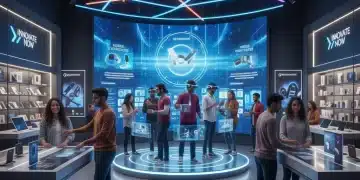
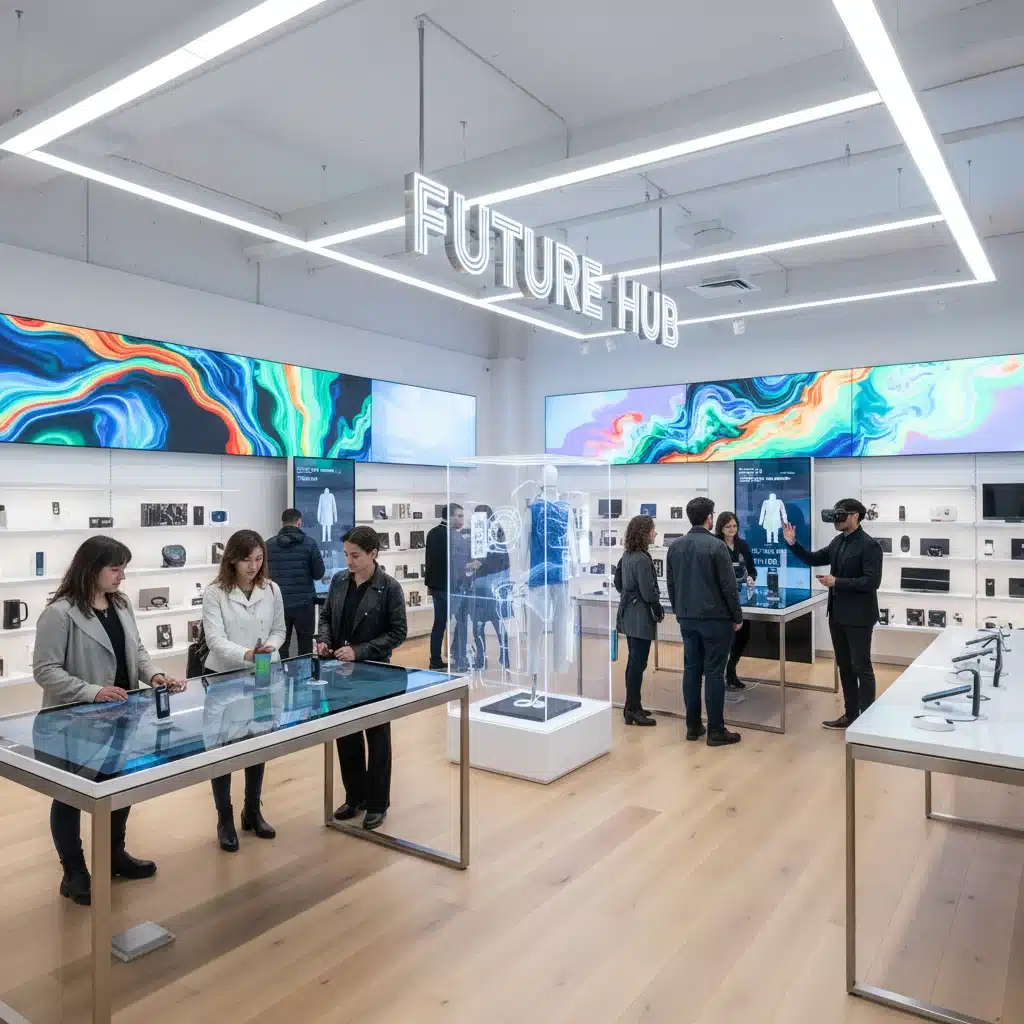
The first and perhaps most impactful of the experiential retail strategies involves leveraging technology and sensory design to create fully immersive environments. This goes beyond simple digital screens; it’s about crafting a multi-sensory journey that transports customers and deeply embeds them in the brand’s world.
Augmented Reality (AR) and Virtual Reality (VR) Integrations
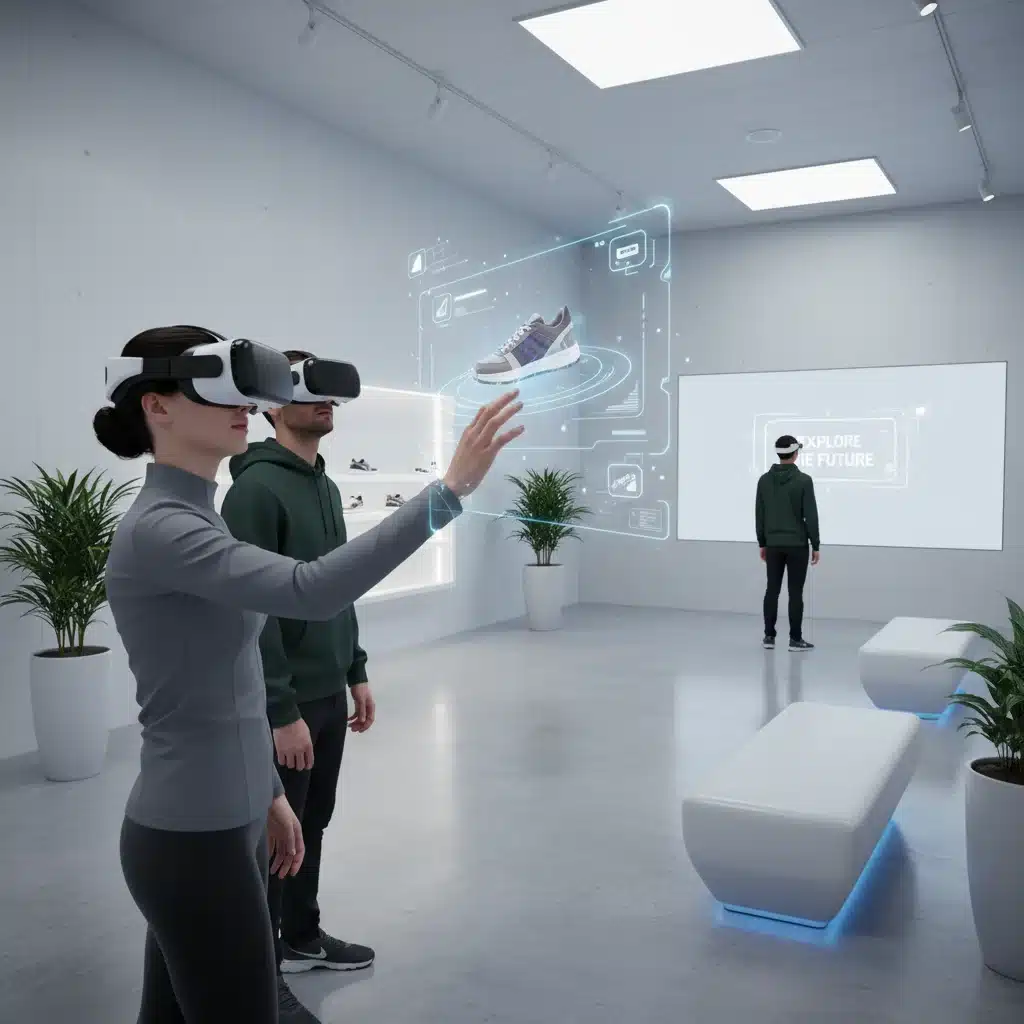
AR and VR are no longer futuristic concepts; they are practical tools for enhancing the retail experience. AR allows customers to visualize products in their own environment (e.g., trying on clothes virtually, seeing furniture in their home) or interact with digital overlays in-store (e.g., scanning a product to see its origin story). VR can transport customers to entirely new worlds, perhaps to a virtual fashion show, a simulated travel destination for a luggage brand, or even a digital factory tour for a sustainable product. These technologies make shopping interactive, personalized, and unforgettable.
Projection Mapping and Dynamic Displays
Transforming entire store walls, floors, and even products into dynamic canvases using projection mapping creates breathtaking visual spectacles. Imagine a shoe store where the floor changes patterns as you walk, or a cosmetics counter where product information appears as if by magic on the surface. These displays can react to customer movement, time of day, or even specific product interactions, making the store feel alive and responsive.
Soundscapes, Scents, and Tactile Experiences
Beyond sight, engaging other senses profoundly impacts mood and memory. Custom soundscapes can evoke specific emotions or brand identities – a calming nature sound for a wellness brand, an upbeat track for an athletic wear store. Signature scents can create a powerful brand association, making the store instantly recognizable and memorable. Tactile experiences, such as allowing customers to feel different fabric textures, interact with product components, or engage with unique materials in the store’s decor, add another layer of engagement that online shopping cannot replicate. These elements, when thoughtfully integrated, elevate experiential retail strategies to an art form.
Strategy 2: Personalization at Scale Through AI and Data
In a world of infinite choices, personalization is the key to cutting through the noise. The second crucial set of experiential retail strategies involves leveraging AI and data to offer hyper-personalized experiences, making each customer feel uniquely understood and valued.
AI-Powered Product Recommendations and Styling
Beyond simple ‘customers also bought’ suggestions, AI can analyze a customer’s purchase history, browsing behavior, and even social media activity (with consent) to offer highly relevant product recommendations in-store. Smart mirrors can provide AI-powered styling advice, suggesting complementary items or showing how an outfit looks in different colors or settings. This level of personalized guidance elevates the shopping experience from a hunt to a curated discovery.
Interactive Customer Profiles and Preferences
Allowing customers to create and update in-store profiles (linked to their online accounts) enables retailers to tailor interactions. Imagine a store associate greeting a returning customer by name, knowing their preferred sizes, colors, or past purchases, and having a selection of new arrivals ready for them to browse. This data-driven approach, while respecting privacy, transforms a generic visit into a highly efficient and enjoyable personalized shopping journey. It’s a cornerstone of modern experiential retail strategies.
Customization and Co-Creation Stations
Offering opportunities for customers to customize or co-create products in-store adds immense personal value. This could range from engraving jewelry, designing bespoke sneakers, mixing custom cosmetic shades, or even configuring a complex product like a bicycle or a piece of furniture. These stations provide not just a product, but a unique item imbued with the customer’s personal touch, and the process itself becomes a memorable experience worth sharing.
Strategy 3: The Retail Store as a Community Hub and Learning Center
Moving beyond purely commercial transactions, the third powerful aspect of experiential retail strategies involves repositioning the store as a central hub for community engagement, learning, and social interaction. This fosters a sense of belonging and gives customers a reason to visit even when they aren’t planning a purchase.
Workshops, Classes, and Events
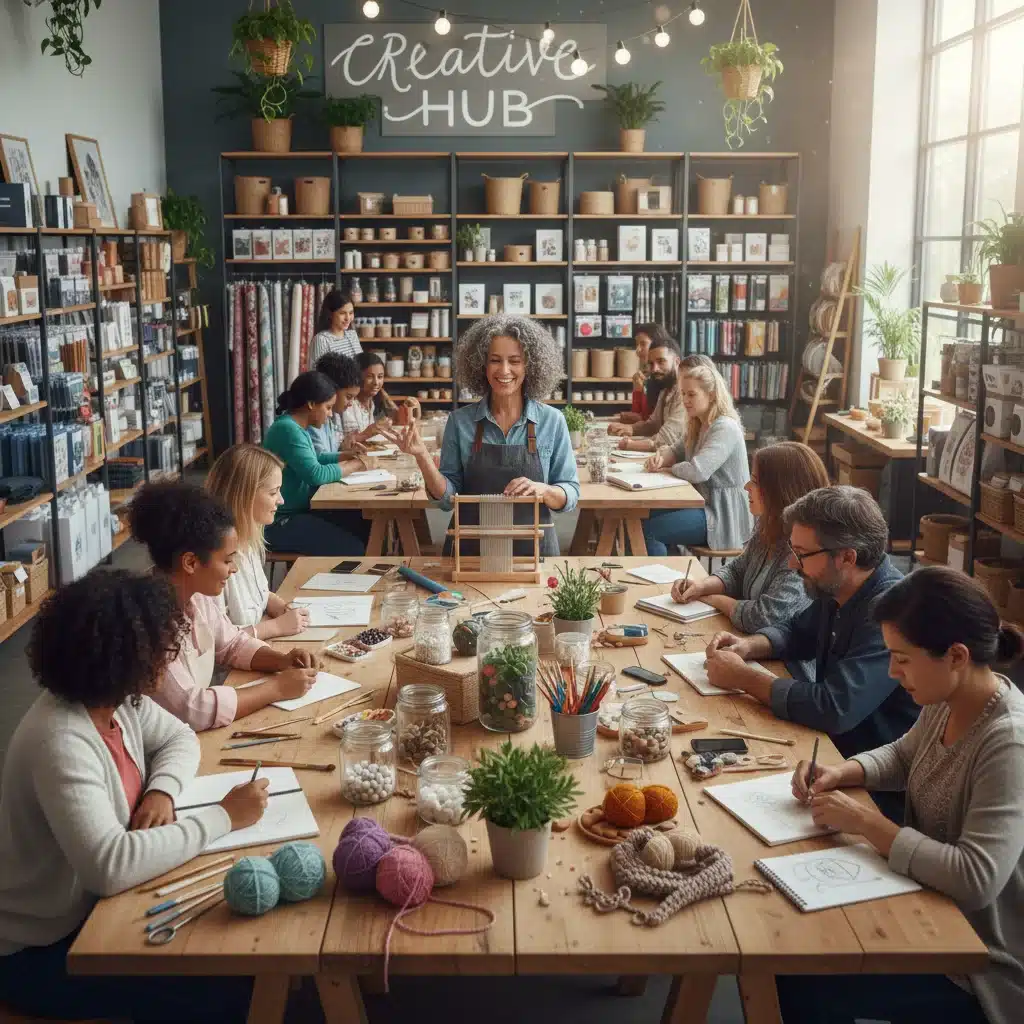
Hosting regular workshops, classes, and events related to the brand’s products or values can transform a store into a vibrant community center. A kitchenware store might offer cooking classes, a bookstore could host author readings, a sports apparel brand might organize fitness workshops, and a beauty retailer could provide makeup tutorials. These events attract new customers, build loyalty among existing ones, and generate valuable word-of-mouth marketing. The experience of learning or connecting becomes intrinsically linked to the brand.
Pop-Up Collaborations and Guest Experiences
Bringing in external partners for temporary pop-ups or guest experiences adds novelty and excitement. This could involve local artisans selling complementary products, a renowned chef hosting a tasting, or a fitness instructor leading a session. These collaborations introduce new audiences to the store and offer fresh reasons for existing customers to revisit, keeping the store environment dynamic and engaging. This is a highly adaptable component of effective experiential retail strategies.
Comfort Zones and Social Spaces
Providing comfortable, inviting spaces where customers can relax, socialize, or work for a bit encourages longer stays and a more positive association with the brand. This might include comfortable seating areas, free Wi-Fi, coffee bars, or even co-working spaces. By offering amenities that cater to a broader range of needs, retailers turn their stores into appealing third places – not home, not work, but a comfortable alternative. This subtle shift in perception can significantly increase foot traffic.
Strategy 4: Curated Discovery and Storytelling Journeys
The fourth strategy for effective experiential retail strategies focuses on creating a narrative within the store, guiding customers through a journey of discovery that highlights the brand’s story, values, and the unique aspects of its products. This moves beyond mere merchandising to create an emotional connection.
Brand Heritage and Origin Stories
Many consumers are interested in the authenticity and history behind the brands they choose. Retailers can use interactive displays, visual narratives, or even guided tours within the store to tell their brand’s story – its origins, its mission, its craftsmanship. This humanizes the brand and allows customers to feel more connected to its values, fostering a deeper sense of loyalty. A well-told story makes products more meaningful.
Themed Zones and Narrative Pathways
Instead of organizing products by category, consider creating themed zones or narrative pathways that guide customers through different aspects of the brand or product usage. For example, a home goods store might have a ‘cozy living’ zone, a ‘culinary adventure’ zone, or a ‘sustainable lifestyle’ zone, each with a distinct aesthetic, scent, and product selection. This encourages exploration and presents products in context, inspiring customers and enhancing the discovery process. It’s a subtle yet powerful implementation of experiential retail strategies.
Behind-the-Scenes Access and Transparency
Transparency is highly valued by today’s consumers. Offering glimpses into the ‘behind-the-scenes’ – whether through live demonstrations, video installations showing manufacturing processes, or even open workshops where products are made or repaired – builds trust and showcases the quality and effort behind the brand. This could be a coffee shop roasting its beans in-store, a fashion brand with a visible tailoring workshop, or a tech store with an open repair lab. Such transparency enhances the perceived value and authenticity of the brand.
Strategy 5: Hyper-Efficient and Frictionless Service Integration
While experience is paramount, the practical aspects of shopping cannot be overlooked. The fifth strategy for successful experiential retail strategies focuses on integrating seamless, technology-driven service to remove friction and enhance convenience, allowing customers to fully enjoy the experiential elements without frustration.
Mobile Check-Out and Self-Service Options
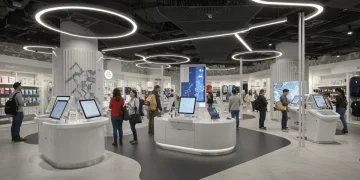
Long queues are a major deterrent. Implementing mobile check-out options, where staff can process payments anywhere in the store using handheld devices, or providing efficient self-service kiosks, significantly improves the customer journey. This frees up staff to focus on offering personalized assistance and enhancing the experience, rather than being tied to a cash register. This efficiency is a quiet yet critical component of strong experiential retail strategies.
Smart Inventory Management and Click & Collect
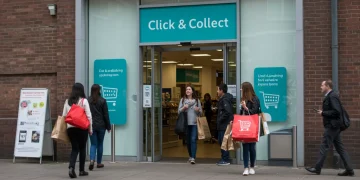
Integrating robust inventory management systems allows for accurate real-time stock information, both for customers browsing online and for in-store staff. Offering seamless ‘click and collect’ or ‘buy online, pick up in-store’ (BOPIS) services, coupled with a dedicated, efficient pickup zone, brings the convenience of online shopping into the physical store. This hybrid approach caters to modern consumer expectations for speed and flexibility.
Robot Assistance and AI-Powered Support
While human interaction remains vital, robots and AI can handle repetitive tasks or provide instant information, freeing up human staff for more complex customer needs. This could involve robots guiding customers to specific product locations, AI-powered kiosks answering FAQs, or smart shelves that alert staff when stock is low. These technological assistants enhance efficiency and can add a touch of novelty to the store environment, further contributing to innovative experiential retail strategies.
Measuring Success: KPIs for Experiential Retail
Implementing these experiential retail strategies is only half the battle; measuring their impact is crucial for continuous improvement. Key Performance Indicators (KPIs) should go beyond traditional sales figures to capture the full value of the experience.
- Foot Traffic & Dwell Time: Directly measure the increase in visitors and how long they spend in the store. Longer dwell times often correlate with higher engagement and potential for purchase.
- Conversion Rate: While experience-focused, ultimately, these strategies aim to convert visitors into customers. Track the percentage of visitors who make a purchase.
- Customer Engagement Metrics: Monitor interactions with digital displays, participation in workshops, and usage of customization stations.
- Net Promoter Score (NPS) & Customer Satisfaction (CSAT): Gauge how likely customers are to recommend your store and their overall satisfaction with the experience.
- Social Media Mentions & User-Generated Content: Track brand mentions, shares, and original content created by customers related to their in-store experience. This is a powerful indicator of a shareable experience.
- Repeat Visits: An increase in repeat customers signifies strong loyalty and a compelling reason to return.
Challenges and Considerations for Implementation
While the benefits of experiential retail strategies are clear, implementation comes with its own set of challenges:
- Initial Investment: Technology, unique fixtures, and dedicated staff for experiences can require significant upfront capital.
- Staff Training: Employees need to be more than salespeople; they must be brand ambassadors, storytellers, and facilitators of experiences.
- Integration Complexity: Seamlessly blending digital and physical elements requires robust IT infrastructure and careful planning.
- Maintaining Novelty: Experiences can become stale. Retailers must continuously innovate and refresh their offerings to maintain engagement.
- Measuring ROI: Attributing direct sales to specific experiential elements can be complex, requiring sophisticated analytics.
The Future of Retail: A Human-Centric Approach
The future of retail is undoubtedly experiential. By embracing these five innovative experiential retail strategies – immersive digital and sensory environments, personalized experiences via AI, community hubs, curated discovery journeys, and frictionless service – retailers can not only boost foot traffic by 20% or more by 2026 but also cultivate a loyal customer base that views their brand as a valued part of their lifestyle. The key is to remember that at the heart of every successful experience lies a deep understanding of the customer’s desires for connection, discovery, and meaning. Those who prioritize the human element, enriched by technology and creative design, will be the ones to define the next era of retail success.
The physical store is far from dead; it is evolving. It is transforming from a mere point of transaction into a vibrant, dynamic space where brands come to life, communities gather, and customers forge lasting memories. Investing in these strategies is not just an expense; it’s an investment in the longevity and vitality of your retail brand in an ever-changing market.