The retail landscape is in a constant state of flux, driven by technological advancements, shifting consumer behaviors, and an ever-increasing demand for more than just products. In an era where online shopping offers unparalleled convenience, brick-and-mortar stores are compelled to reinvent themselves, transforming from mere transaction points into vibrant hubs of experience, community, and discovery. This monumental shift has given rise to a phenomenon known as experiential retail concepts, a strategy that prioritizes engaging customers through immersive, memorable, and often personalized interactions.
As we approach mid-2026, the United States is witnessing a remarkable surge in innovative experiential retail concepts that are not just attracting foot traffic but are fundamentally redefining what it means to shop. These concepts understand that today’s consumers crave stories, connections, and moments that transcend the simple act of purchasing. They want to be entertained, educated, and emotionally invested. This article delves into six groundbreaking experiential retail concepts that are gaining significant traction across the US, offering a glimpse into the future of physical retail and how businesses are thriving by putting experience at the heart of their strategy.
The traditional retail model, characterized by rows of products and a transactional sales approach, is rapidly becoming obsolete. The digital age has empowered consumers with endless choices and instant gratification, pushing physical stores to innovate or face irrelevance. The answer lies in creating destinations that offer unique, shareable experiences that cannot be replicated online. These are not just stores; they are theaters of engagement, laboratories of creativity, and sanctuaries of community. By focusing on experiential retail concepts, brands are forging deeper connections with their audience, fostering loyalty, and ultimately driving sustainable growth.
Understanding these emerging trends is crucial for any retailer looking to stay competitive and relevant. From interactive installations to personalized services and community-driven spaces, the spectrum of experiential retail is vast and continuously expanding. Let’s explore the forefront of this exciting evolution and discover how these concepts are shaping the future of brick-and-mortar retail.
1. The Immersive Brand Storytelling Hub
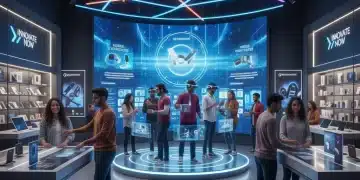
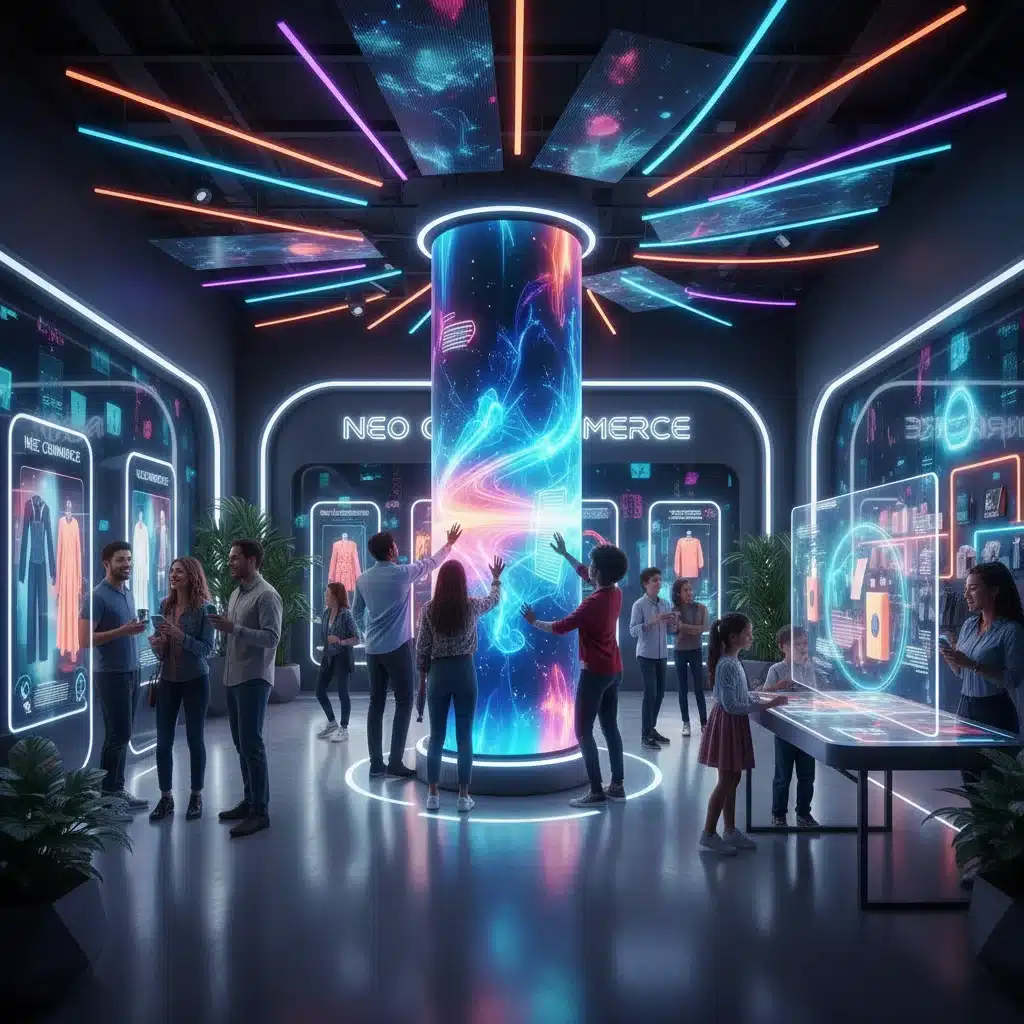
One of the most compelling experiential retail concepts emerging is the immersive brand storytelling hub. These spaces go far beyond displaying products; they envelop customers in the brand’s narrative, values, and heritage through multi-sensory experiences. Think of it as stepping into a living advertisement, where every element, from the scent in the air to the visual projections on the walls, contributes to a cohesive and captivating story.
For instance, a prominent outdoor gear brand might create an in-store experience that simulates a mountain expedition, complete with virtual reality tours of national parks, interactive displays showcasing the durability of their products in extreme conditions, and even a simulated campfire area where customers can learn about survival skills. The goal isn’t just to sell a jacket, but to sell the dream of adventure and the reliability of their gear in achieving it. Customers leave not just with a purchase, but with a deeper emotional connection to the brand and a memorable story to tell.
These hubs often incorporate cutting-edge technology such as augmented reality (AR) mirrors that allow customers to virtually try on clothing, or interactive touchscreens that provide detailed information about product origins and sustainability efforts. The focus is on educating and inspiring, making the shopping journey an enriching adventure rather than a mere transaction. The success of these experiential retail concepts lies in their ability to transport the customer, creating an escape from the mundane and embedding the brand deeply within their consciousness.
The impact of such immersive storytelling is profound. It builds brand advocates, fosters community, and generates significant social media buzz. When a shopping experience is so unique and engaging, customers are eager to share it with their networks, providing invaluable organic marketing. This concept is particularly effective for brands with a strong identity and a rich history, allowing them to showcase their essence in a dynamic and unforgettable way.
2. The "Learn and Create" Workshop Spaces
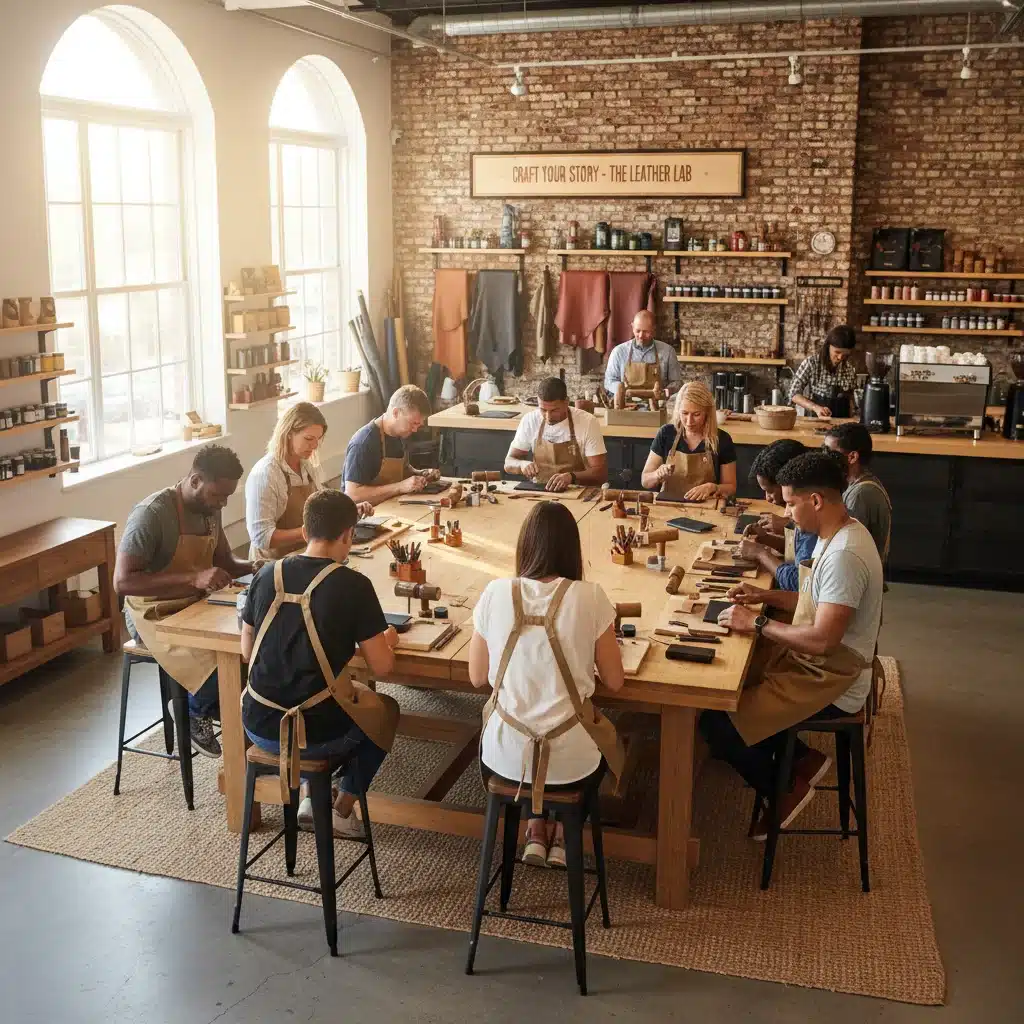
Another powerful trend in experiential retail concepts is the integration of "learn and create" workshop spaces within retail environments. These spaces transform stores into educational and creative hubs where customers can acquire new skills, customize products, or simply engage in hands-on activities related to the brand’s offerings. This taps into the growing consumer desire for personal growth, unique experiences, and a sense of accomplishment.
Imagine a craft supply store offering workshops on pottery, knitting, or jewelry making, using the very materials they sell. Or a cooking utensil store hosting culinary classes where participants can test out high-end blenders and specialty knives before making a purchase. These workshops provide a tangible value beyond the product itself, fostering a sense of community and shared passion among participants. They also serve as an excellent way to showcase product utility and quality in a practical, engaging setting.
These experiential retail concepts are not limited to traditional craft or hobby stores. Apparel brands are offering customization stations where customers can personalize garments with embroidery or patches. Beauty brands are hosting masterclasses on makeup application or skincare routines, allowing customers to experiment with products under expert guidance. The key is to provide an opportunity for active participation and creation, turning passive shoppers into active participants in the brand’s world.
The benefits are multi-faceted: increased dwell time, higher conversion rates for related products, and the creation of a loyal customer base that associates the brand with positive, enriching experiences. Furthermore, these workshops often generate user-generated content, as participants proudly share their creations online, further extending the brand’s reach. It’s a win-win, offering customers valuable skills while simultaneously driving sales and brand engagement.
3. The Curated "Third Place" Retail Destinations
Beyond home and work, people seek a "third place" – a communal space for social interaction, relaxation, and personal enrichment. Savvy retailers are capitalizing on this by transforming their stores into curated "third place" destinations, blending retail with hospitality and community-building elements. These experiential retail concepts prioritize comfort, connection, and a sense of belonging, making customers want to linger and return.
This could manifest as a bookstore with an integrated coffee shop and cozy reading nooks, hosting author readings and book club meetings. Or a home goods store featuring a demonstration kitchen that hosts cooking classes and tasting events, alongside stylish lounge areas where customers can comfortably browse design magazines. The emphasis is on creating an inviting atmosphere where shopping is just one component of a broader, more enjoyable experience.
Many of these "third place" retailers are also incorporating co-working spaces, pop-up events, and wellness activities like yoga classes or meditation sessions. The goal is to make the store a hub of activity and a valuable resource for the local community, fostering a sense of loyalty that extends beyond product purchases. Customers come not just to buy, but to connect, learn, and relax, making the store an integral part of their lifestyle.
The success of these experiential retail concepts hinges on their ability to create an authentic and welcoming environment. They are often characterized by thoughtful design, comfortable furnishings, and a curated selection of products that align with the lifestyle they promote. By becoming a cherished "third place," these retailers build strong community ties, encourage repeat visits, and cultivate a deeply engaged customer base that sees the store as more than just a place to shop.
4. Hyper-Personalized Service & Customization Labs
In a world of mass production, consumers increasingly desire unique, personalized items that reflect their individuality. This has led to the rise of hyper-personalized service and customization labs as a leading force in experiential retail concepts. These spaces offer customers the opportunity to co-create products, receive bespoke services, and feel truly seen and understood by the brand.
Consider a sneaker brand that allows customers to design their own shoes from scratch, choosing materials, colors, and even adding personalized engravings, with the shoes then assembled on-site or delivered within days. Or a beauty brand with a "mixology bar" where experts formulate custom foundation shades or skincare serums tailored to an individual’s specific needs and preferences. These experiences transform shopping into a collaborative and highly personal journey.
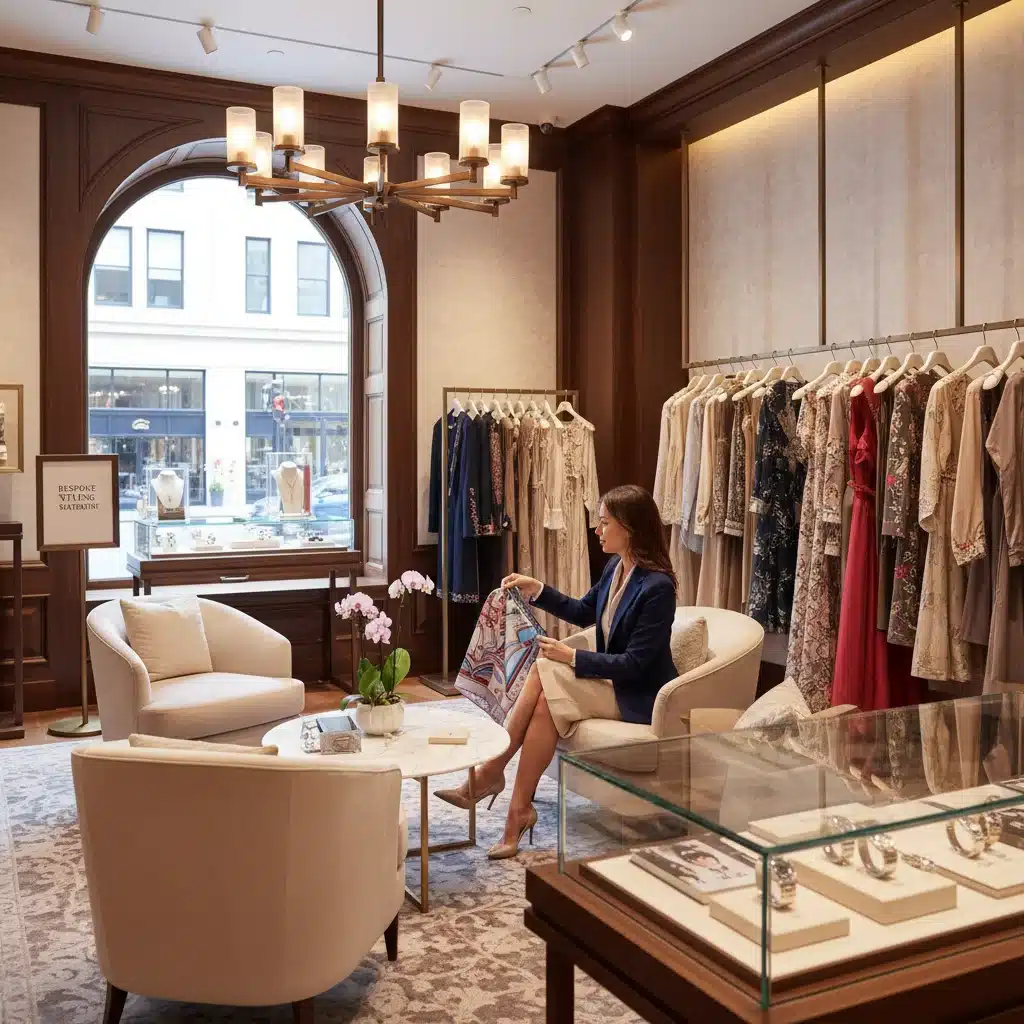
Beyond product customization, this concept extends to personalized styling services, where expert consultants offer one-on-one fashion advice, wardrobe overhauls, or even personal shopping experiences. Technology plays a crucial role here, with AI-powered tools assisting stylists in understanding customer preferences and recommending suitable items. The emphasis is on providing an unparalleled level of service that makes each customer feel valued and unique.
These experiential retail concepts build immense customer loyalty and advocacy. When a customer has a hand in creating a product or receives a service perfectly tailored to them, the emotional investment is significantly higher. It creates a sense of ownership and satisfaction that is hard to replicate. Furthermore, the personalized nature of these offerings often comes with a premium price point, reflecting the added value and unique experience provided, making it a profitable strategy for retailers.
5. "Phygital" Retail: Seamless Blending of Physical & Digital
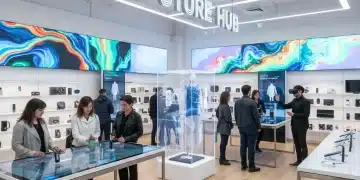
The future of retail isn’t purely physical or purely digital; it’s a seamless integration of both, often referred to as "phygital" retail. These experiential retail concepts leverage technology to bridge the gap between online and offline channels, creating a cohesive and convenient customer journey that enhances both aspects of shopping.
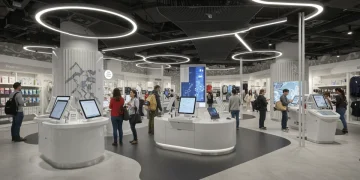
An example of "phygital" retail is a store where customers can browse products on interactive digital displays, check inventory across all locations, and even make purchases for home delivery, all while physically present in the store. Conversely, online shoppers might be encouraged to visit a physical store for exclusive product launches, personalized consultations, or to experience products firsthand before committing to an online purchase.
Click-and-collect services, where customers order online and pick up in-store, are a basic form of phygital retail, but the concept is evolving rapidly. Smart mirrors that suggest complementary items based on what a customer is trying on, QR codes that link to extended product information or customer reviews, and virtual queues managed via mobile apps are all examples of how technology is enhancing the in-store experience. These innovations streamline processes, offer greater convenience, and provide a richer information flow, catering to the tech-savvy consumer.
The beauty of these experiential retail concepts is their ability to offer the best of both worlds: the tactile experience and immediate gratification of physical shopping combined with the vast selection and convenience of e-commerce. It’s about creating an omnichannel strategy where each touchpoint reinforces the other, leading to a more efficient, enjoyable, and ultimately more profitable customer journey. Retailers adopting this approach are seeing significant improvements in customer satisfaction and operational efficiency.
6. Ethical & Sustainable "Impact Hubs"
With increasing consumer awareness about environmental and social issues, ethical and sustainable "impact hubs" are gaining significant traction as compelling experiential retail concepts. These stores don’t just sell products; they champion a cause, educate consumers, and provide transparent insights into their supply chains and ethical practices.
Imagine a clothing brand that not only sells sustainable apparel but also hosts workshops on mending clothes, upcycling old garments, or understanding the environmental impact of fast fashion. The store might feature interactive displays detailing the origin of materials, the fair labor practices involved in production, and the brand’s carbon footprint. It becomes a space where customers can align their purchasing decisions with their values, feeling good about every item they buy.
These impact hubs often go beyond their own products, curating a selection of complementary items from other ethical brands, or even collaborating with local non-profits to host events and raise awareness for various causes. They foster a sense of shared purpose and community among like-minded consumers who prioritize sustainability and social responsibility.
The appeal of these experiential retail concepts lies in their authenticity and commitment. Consumers, particularly younger generations, are willing to pay a premium for brands that demonstrate genuine ethical practices. By creating a transparent and educational environment, these retailers build trust, cultivate a loyal customer base, and position themselves as leaders in responsible consumption. They prove that doing good for the planet and society can also be good for business, offering a powerful model for the future of retail.
The Driving Force Behind Experiential Retail’s Rise
The ascendancy of experiential retail concepts isn’t merely a fleeting trend; it’s a fundamental shift driven by several key factors. Firstly, the rise of the experience economy means consumers are increasingly valuing experiences over possessions. They seek memorable moments and personal enrichment, and physical retail is uniquely positioned to deliver this in ways e-commerce cannot.
Secondly, social media plays a pivotal role. Unique and visually appealing retail experiences are inherently shareable, providing customers with content for their platforms and acting as organic marketing for brands. An "Instagrammable" store or an engaging workshop can quickly go viral, attracting new customers who are eager to participate in the experience.
Thirdly, the desire for human connection in an increasingly digital world cannot be overstated. Physical stores offer opportunities for face-to-face interaction, community building, and a sense of belonging that online platforms often lack. Experiential retail concepts capitalize on this by creating spaces where people can gather, learn, and connect with others who share similar interests.
Finally, technology, rather than being a threat, has become a powerful enabler. From virtual reality and augmented reality to AI-powered personalization and seamless omnichannel integration, technology allows retailers to create more immersive, efficient, and tailored experiences than ever before. It enhances, rather than replaces, the human element of shopping.
Implementing Experiential Retail: Key Considerations
For retailers looking to embrace experiential retail concepts, several considerations are paramount. First and foremost, a deep understanding of the target audience is crucial. What experiences resonate with them? What are their pain points, desires, and passions? Tailoring the experience to these insights is key to success.
Secondly, authenticity is non-negotiable. Consumers are astute and can quickly discern genuine efforts from superficial gimmicks. The experience must align with the brand’s core values and identity, feeling like a natural extension of its offerings rather than a forced addition.
Thirdly, integration of staff is vital. Well-trained, enthusiastic, and knowledgeable staff are the backbone of any successful experiential retail concept. They are the facilitators of the experience, guiding customers, answering questions, and adding a personal touch that technology alone cannot provide. Investing in staff training and empowerment is essential.
Finally, measurement and iteration are critical. Like any business strategy, experiential retail requires continuous evaluation. Retailers need to track metrics such as dwell time, customer engagement rates, workshop attendance, social media mentions, and ultimately, how these experiences translate into sales and customer loyalty. Based on these insights, concepts should be refined and evolved to ensure sustained relevance and impact.
Conclusion: The Enduring Power of Experience
The future of brick-and-mortar retail in the United States is undoubtedly experiential. The six experiential retail concepts discussed – immersive brand storytelling hubs, "learn and create" workshop spaces, curated "third place" destinations, hyper-personalized service and customization labs, "phygital" retail, and ethical & sustainable "impact hubs" – represent the vanguard of this transformation. They demonstrate a clear understanding that in today’s market, selling products is no longer enough; it’s about selling an experience, a lifestyle, a community, or a cause.
Retailers who embrace these innovative approaches are not just surviving; they are thriving. They are building deeper connections with their customers, fostering unparalleled loyalty, and creating memorable moments that transcend the transactional. As consumers continue to seek richer, more meaningful interactions, the power of experience will only grow, solidifying its place as the cornerstone of successful brick-and-mortar retail in the years to come.
The shift towards experiential retail concepts is a testament to the enduring human desire for connection, discovery, and engagement. For brands willing to innovate and invest in creating these compelling experiences, the future of physical retail is not just bright, but truly exciting.