
Sustainable Retail Practices: Boosting Brand Loyalty and Achieving a 5% Cost Reduction in Operations
In today’s rapidly evolving retail landscape, consumers are increasingly prioritizing businesses that demonstrate a genuine commitment to environmental and social responsibility. This shift isn’t just a trend; it’s a fundamental change in consumer values that directly impacts purchasing decisions and brand perception. For retailers, embracing sustainable retail practices is no longer an optional add-on but a strategic imperative. Beyond the undeniable ethical benefits, integrating sustainability into your core operations can unlock significant competitive advantages, including enhanced brand loyalty, a stronger market position, and, crucially, a measurable reduction in operational costs – often exceeding a 5% saving.
This comprehensive guide will delve into the multifaceted world of sustainable retail, providing actionable insights and strategies to help your business thrive. We’ll explore how adopting eco-friendly policies can resonate deeply with the modern, conscious consumer, transforming them into loyal advocates. Furthermore, we’ll uncover the tangible financial benefits, illustrating how optimized resource management, waste reduction, and energy efficiency directly translate into bottom-line improvements. Prepare to discover how a commitment to sustainability can not only safeguard our planet but also secure a more prosperous future for your retail enterprise.
The Growing Demand for Sustainable Retail Practices
The global consciousness regarding environmental issues is at an all-time high. From climate change to plastic pollution, consumers are more informed and concerned than ever before. This heightened awareness translates directly into their shopping habits. Studies consistently show that a significant percentage of consumers, particularly younger generations, are willing to pay more for sustainable products and prefer to buy from brands that align with their values. This isn’t just about ‘greenwashing’; it’s about authentic, transparent, and demonstrable commitment to environmental responsibility.
Retailers who ignore this shift do so at their peril. Those who embrace sustainable retail practices, however, stand to gain immense benefits. By integrating sustainability into every facet of their business – from sourcing and supply chain to store operations and end-of-life product management – retailers can build a powerful narrative that resonates with this growing segment of eco-conscious consumers. This connection fosters a deeper level of trust and loyalty, moving beyond transactional relationships to emotional bonds. When customers feel that a brand shares their values, they are more likely to return, recommend, and remain loyal, even in the face of competitive pressures.
Beyond individual consumer choices, regulatory bodies and investors are also increasingly scrutinizing corporate sustainability efforts. Governments are implementing stricter environmental regulations, and investors are looking for companies with strong ESG (Environmental, Social, and Governance) performance, recognizing that such businesses are often more resilient and future-proof. Therefore, investing in sustainable retail practices is not just about ethical consumerism; it’s about strategic foresight and long-term business viability.
Boosting Brand Loyalty Through Green Initiatives
Brand loyalty is the holy grail for any retail business. In a crowded marketplace, it’s what keeps customers coming back and advocating for your brand. Sustainable retail practices offer a unique and powerful pathway to cultivating this loyalty. When a brand genuinely commits to sustainability, it communicates a set of values that extend beyond just products and prices. It shows care for the planet, for communities, and for the future – values that many modern consumers deeply admire and wish to support.
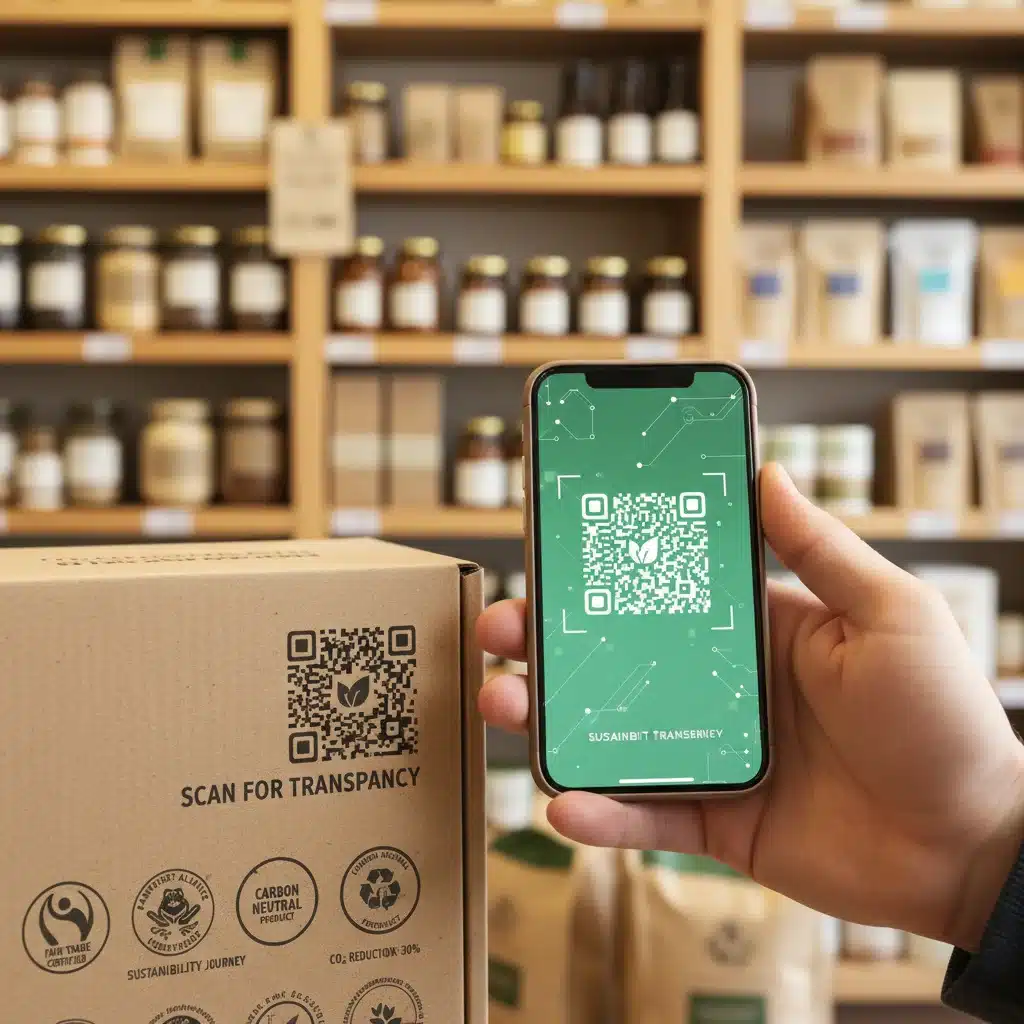
Consider the impact of transparent sourcing. Consumers are increasingly interested in knowing where their products come from, how they were made, and under what conditions. By providing clear, verifiable information about your supply chain – detailing ethical labor practices, responsible raw material extraction, and minimal environmental impact – you build an invaluable layer of trust. This transparency transforms a simple purchase into a statement of shared values, making customers feel good about their choices and reinforcing their connection to your brand. Brands that actively communicate their sustainability journey, including both successes and challenges, are perceived as more authentic and trustworthy.
Furthermore, engaging customers in your sustainability efforts can significantly deepen loyalty. This could involve offering recycling programs for your products, incentivizing the use of reusable bags, or partnering with environmental charities where a portion of sales is donated. When customers feel they are part of a larger mission, their engagement with your brand intensifies. Loyalty programs that reward sustainable choices, such as discounts for bringing back empty containers or for choosing carbon-neutral shipping options, can also be highly effective. These initiatives not only encourage repeat business but also create a community around your brand’s values, fostering a powerful sense of belonging and shared purpose.
Achieving a 5% Cost Reduction: Operational Efficiency through Sustainability
While the focus on sustainability often highlights its ethical and brand-building advantages, its financial benefits are equally compelling. Implementing sustainable retail practices can lead to substantial cost reductions, often exceeding the 5% mark across various operational areas. These savings are not merely incidental; they are the direct result of optimized processes, reduced waste, and more efficient resource utilization.
Energy Efficiency: Lighting, HVAC, and Renewables
One of the most immediate and significant areas for cost reduction is energy consumption. Retail stores, warehouses, and offices are often large energy consumers. By upgrading to energy-efficient LED lighting, optimizing HVAC (heating, ventilation, and air conditioning) systems with smart thermostats and better insulation, and investing in renewable energy sources like solar panels, businesses can drastically cut their utility bills. For instance, LED lighting uses up to 80% less energy than traditional incandescent bulbs and has a much longer lifespan, reducing both energy costs and maintenance expenses. Smart HVAC systems can learn usage patterns and adjust temperatures accordingly, preventing energy waste during off-hours. These measures contribute directly to a lower carbon footprint and a healthier bottom line, easily contributing to the 5% overall cost reduction target.
Waste Reduction and Management
Waste is not just an environmental problem; it’s a significant financial drain. From product packaging to operational refuse, waste represents lost resources and additional disposal costs. Implementing robust waste reduction strategies, such as minimizing packaging, optimizing inventory to reduce spoilage, and establishing comprehensive recycling and composting programs, can lead to substantial savings. Embracing a circular economy model, where materials are reused, repaired, or recycled rather than discarded, further enhances efficiency. This includes working with suppliers to reduce packaging upstream and exploring take-back programs for products at the end of their life cycle. Every pound of waste diverted from landfills is a pound of avoided disposal fees and a step towards greater operational efficiency. These practices are core to effective sustainable retail practices.
Optimizing Supply Chain and Logistics
The supply chain is often the largest contributor to a retailer’s environmental footprint and, consequently, a prime area for sustainable cost reduction. Re-evaluating logistics to minimize transportation distances, utilizing more fuel-efficient vehicles, or consolidating shipments can significantly reduce fuel costs and carbon emissions. Partnering with local suppliers not only supports local economies but also shortens supply routes, leading to quicker delivery times and lower transportation expenses. Implementing advanced inventory management systems can prevent overstocking and reduce the need for expedited shipping, both of which are costly. Furthermore, demanding sustainable practices from suppliers, such as eco-friendly packaging or responsible production methods, can create a ripple effect of efficiency throughout the entire value chain. This holistic approach to sustainable retail practices in the supply chain is vital for achieving the 5% cost reduction.
Water Conservation
Water usage, often overlooked, can also be a significant operational cost. Implementing water-saving fixtures in restrooms, using drought-resistant landscaping, and optimizing water use in cleaning processes can lead to measurable savings. For retailers with manufacturing or processing components, advanced water recycling systems can drastically reduce consumption and discharge costs. While perhaps not as large an expense as energy, cumulative savings from water conservation contribute to the overall efficiency gains that define strong sustainable retail practices.
Key Pillars of Sustainable Retail Practices
To effectively implement sustainable retail practices, it’s helpful to categorize efforts into several key pillars. This provides a structured approach to identifying opportunities and tracking progress.
1. Sustainable Sourcing and Supply Chain Management
- Ethical Sourcing: Ensuring that all products and materials are sourced from suppliers who adhere to fair labor practices, human rights, and responsible environmental stewardship. This includes avoiding conflict minerals, supporting fair trade initiatives, and conducting thorough due diligence on supplier ethics.
- Eco-Friendly Materials: Prioritizing materials that are recycled, recyclable, biodegradable, renewable, or have a low environmental impact (e.g., organic cotton, bamboo, reclaimed wood). Reducing reliance on virgin plastics and non-renewable resources.
- Supply Chain Transparency: Mapping out the entire supply chain to understand its environmental and social impacts. Utilizing blockchain or other technologies to provide customers with verifiable information about product origins and sustainability credentials.
- Logistics Optimization: Implementing strategies to reduce the carbon footprint of transportation, such as route optimization, using electric vehicles, consolidating shipments, and partnering with local producers.
2. Energy Efficiency and Renewable Energy
- LED Lighting: Replacing traditional lighting with energy-efficient LED systems across all retail spaces, warehouses, and offices.
- Smart HVAC Systems: Installing programmable thermostats, upgrading to energy-efficient heating and cooling units, and improving insulation to reduce energy waste.
- Renewable Energy Integration: Investing in on-site solar panels, purchasing renewable energy credits, or switching to green energy providers to power operations.
- Energy Audits: Regularly conducting energy audits to identify areas for improvement and implement cost-saving measures.
3. Waste Reduction and Circularity
- Packaging Optimization: Designing packaging that is minimal, recyclable, compostable, or made from recycled content. Eliminating single-use plastics.
- Recycling and Composting Programs: Implementing comprehensive programs for both operational waste and customer returns. Educating staff and customers on proper disposal.
- Product Lifespan and Repair: Designing products for durability and repairability. Offering repair services, take-back programs, or resale options to extend product life and reduce waste.
- Inventory Management: Using advanced analytics to optimize inventory levels, reduce overproduction, and minimize waste from unsold or expired goods.
4. Water Conservation
- Efficient Fixtures: Installing low-flow toilets, faucets, and showerheads in retail facilities.
- Smart Landscaping: Using drought-tolerant plants and efficient irrigation systems for outdoor spaces.
- Water Recycling: Implementing systems to recycle and reuse water in operations where applicable, such as in cleaning or industrial processes.
5. Employee Engagement and Customer Education
- Staff Training: Educating employees on sustainable practices, waste sorting, and energy conservation. Empowering them to be ambassadors for your brand’s sustainability mission.
- Customer Communication: Clearly communicating your sustainability efforts, product certifications, and environmental impact to customers through in-store signage, website content, and marketing campaigns.
- Incentivizing Green Choices: Offering incentives for customers to make sustainable choices, such as using reusable bags, participating in recycling programs, or choosing eco-friendly product options.
Implementing Sustainable Retail Practices: A Step-by-Step Guide
Embarking on a sustainability journey can seem daunting, but by breaking it down into manageable steps, retailers can effectively integrate sustainable retail practices into their operations.
Step 1: Conduct a Baseline Assessment
Before making changes, understand your current environmental footprint. Conduct an audit of your energy consumption, water usage, waste generation, and supply chain practices. Identify your biggest areas of impact and where the most significant cost savings can be achieved. This baseline will serve as a benchmark for measuring progress.
Step 2: Set Clear Goals and KPIs
Based on your assessment, establish specific, measurable, achievable, relevant, and time-bound (SMART) sustainability goals. For example, aim to reduce energy consumption by 10% within two years, divert 75% of waste from landfills by 2025, or source 80% of materials from certified sustainable suppliers within three years. Define Key Performance Indicators (KPIs) to track your progress.
Step 3: Engage Stakeholders
Sustainability is a collective effort. Engage employees at all levels, from senior management to frontline staff, in the process. Their input and buy-in are crucial for successful implementation. Also, communicate your goals to suppliers, customers, and investors, inviting them to be part of your sustainable journey.
Step 4: Prioritize Initiatives
Start with initiatives that offer the greatest impact and the quickest return on investment. Often, energy efficiency upgrades and waste reduction strategies fall into this category, as they directly contribute to the 5% cost reduction goal. Gradually expand to more complex areas like supply chain transformation.

Step 5: Implement and Innovate
Put your plans into action. This might involve investing in new technologies, revising operational procedures, or renegotiating with suppliers. Be open to innovation; explore new sustainable materials, circular business models, and partnerships that can further enhance your sustainability performance. Continuously look for ways to improve your sustainable retail practices.
Step 6: Monitor, Measure, and Report
Regularly track your KPIs and measure your progress against your goals. Transparency is key here. Report your sustainability performance to stakeholders, highlighting both achievements and areas for improvement. This not only builds trust but also holds your business accountable and reinforces your commitment.
Step 7: Communicate Your Story
Don’t keep your sustainable efforts a secret. Effectively communicate your journey to your customers. Use your website, social media, in-store signage, and marketing campaigns to share your progress, explain your initiatives, and educate consumers on the impact of their choices. This reinforces brand loyalty and attracts new eco-conscious customers, further solidifying the benefits of your sustainable retail practices.
The Future of Retail: A Sustainable Imperative
The retail industry is at a crossroads. The traditional linear model of ‘take-make-dispose’ is no longer viable in a world grappling with resource scarcity and environmental degradation. The future belongs to businesses that embrace circularity, responsibility, and genuine commitment to sustainability. Sustainable retail practices are not just a trend; they are becoming the standard expectation for consumers, regulators, and investors alike.
By proactively adopting these practices, retailers can position themselves as leaders, not just followers. They can build stronger, more resilient businesses that are better equipped to navigate future challenges. The 5% cost reduction is a tangible, immediate benefit, but the long-term gains – enhanced brand reputation, deep customer loyalty, reduced regulatory risks, and increased innovation – are immeasurable. Investing in sustainability is an investment in the longevity and prosperity of your business, ensuring that it remains relevant, respected, and profitable for generations to come. It’s about creating a positive legacy, one sustainable choice at a time.
Conclusion: Thrive with Sustainable Retail Practices
The journey towards full sustainability is continuous, but the benefits of embarking on it are profound. By integrating sustainable retail practices, businesses can not only meet the evolving demands of the modern consumer but also unlock significant financial efficiencies. The dual advantage of boosting brand loyalty and achieving a crucial 5% cost reduction in operations demonstrates that doing good for the planet can also mean doing good for your business.
From optimizing energy consumption and minimizing waste to fostering transparent supply chains and engaging employees, every sustainable step contributes to a more robust and responsible retail model. As consumers become increasingly discerning, those retailers who lead with integrity and environmental consciousness will be the ones who capture hearts, minds, and market share. Embrace sustainability not as a burden, but as your ultimate competitive advantage, paving the way for a more ethical, efficient, and enduring retail future.