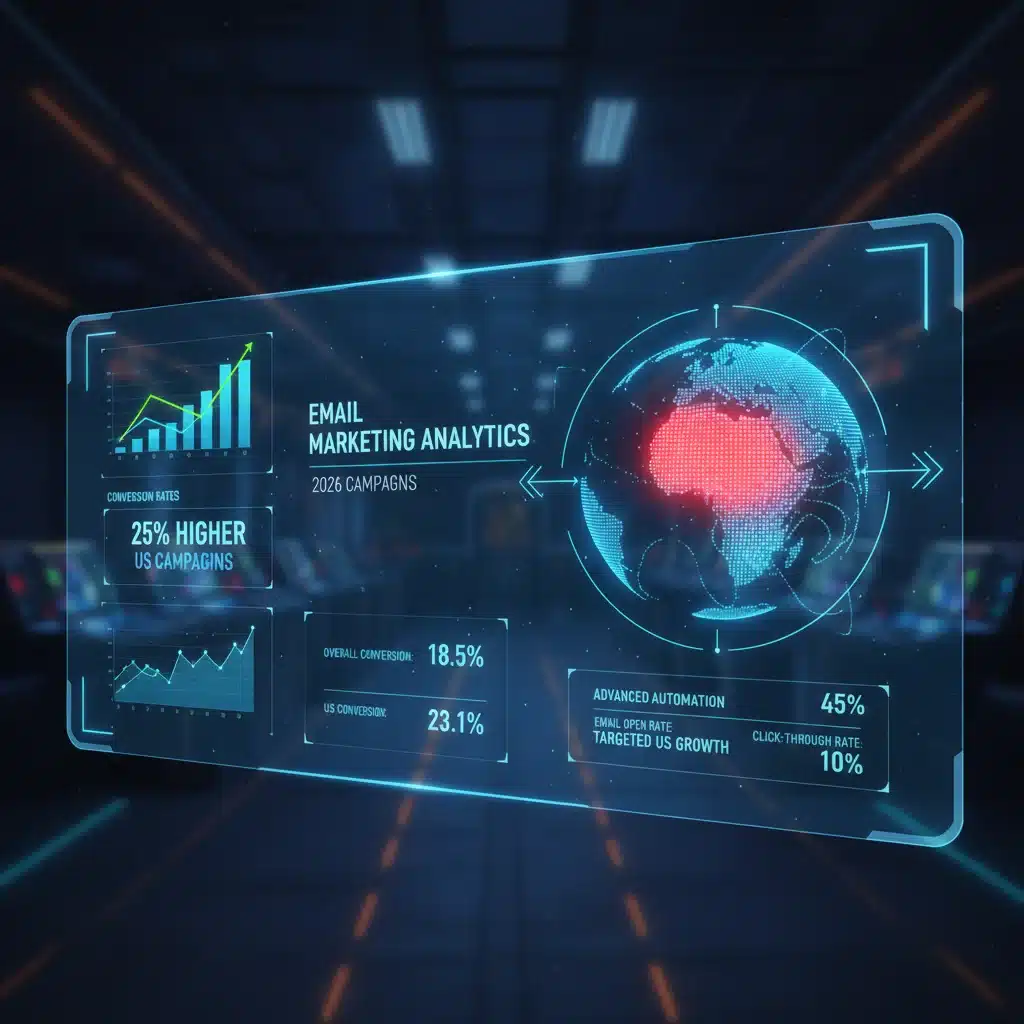
In the rapidly evolving digital landscape, staying ahead means embracing innovation. For businesses targeting the lucrative US market, the question isn’t whether to use email marketing, but how to optimize it for maximum impact. We’re not just talking about incremental gains; we’re talking about securing a staggering 25% higher conversion rate for your US campaigns by leveraging cutting-edge Email Marketing Automation in 2026. This isn’t a pipe dream; it’s an achievable reality with the right strategies, tools, and foresight.
The digital marketing ecosystem is dynamic, with consumer expectations continually rising. In 2026, generic, one-size-fits-all email blasts are not just ineffective; they’re detrimental. Consumers expect hyper-personalization, contextual relevance, and timely communication. This is where advanced Email Marketing Automation steps in, transforming your outreach from a chore into a highly efficient, revenue-generating machine. This comprehensive guide will delve into the strategies, technologies, and best practices that will empower your business to dominate the US market and achieve unprecedented conversion rates.
The Evolution of Email Marketing Automation: Beyond Basic Triggers
For years, email automation has been synonymous with simple welcome sequences or abandoned cart reminders. While these remain foundational, the 2026 landscape of Email Marketing Automation is far more sophisticated. We’re entering an era where AI and machine learning are not just supporting features but central pillars, enabling unparalleled levels of personalization and predictive analytics. The goal is to anticipate customer needs and deliver the exact message they need, precisely when they need it.
AI-Driven Personalization: The New Standard
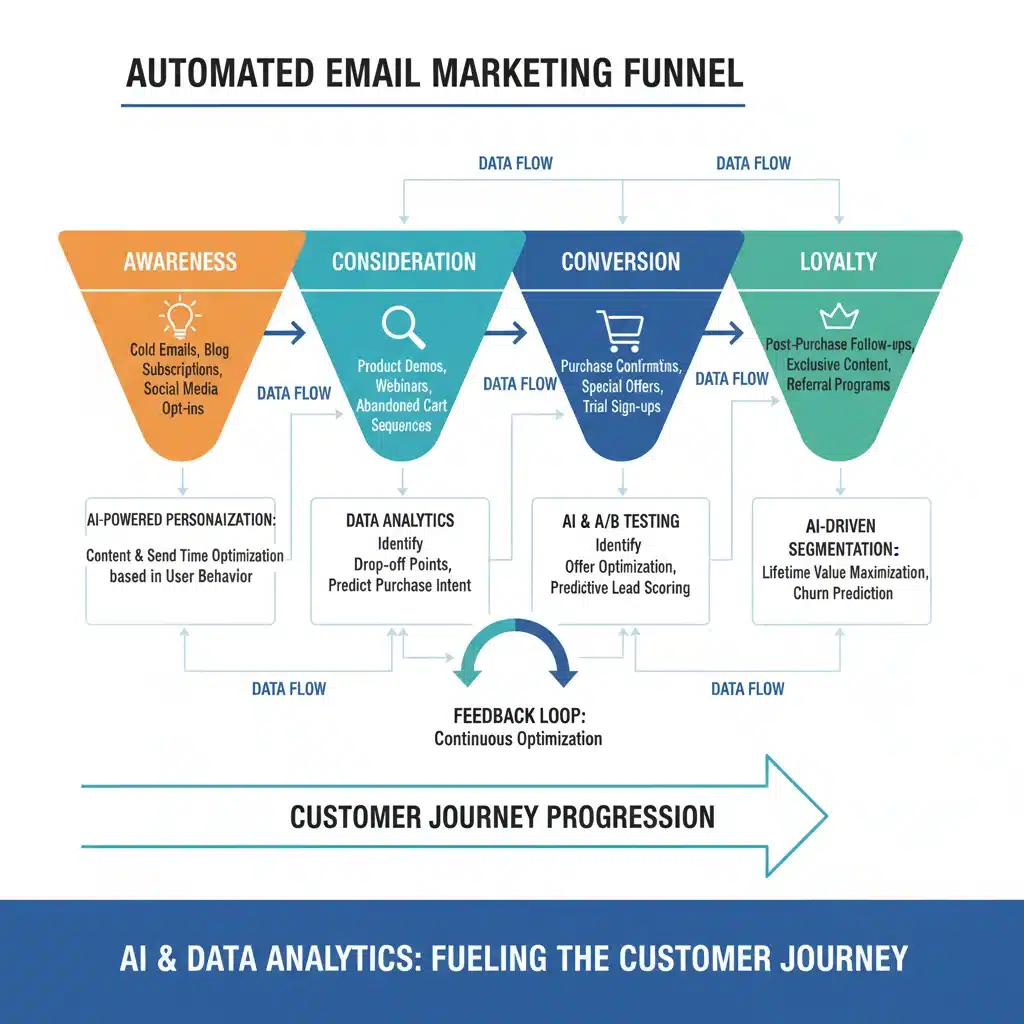
Forget segmenting by demographics alone. AI-driven personalization analyzes behavioral data, purchase history, browsing patterns, and even sentiment analysis to create truly unique customer profiles. This allows for dynamic content generation, where elements within an email (product recommendations, call-to-actions, imagery) are tailored in real-time for each individual recipient. Imagine an email that not only suggests products based on past purchases but also considers the weather in their location or their recent social media interactions. This level of granular personalization is what will drive that 25% conversion uplift.
Predictive Analytics for Proactive Engagement
The future of Email Marketing Automation lies in its ability to predict. Predictive analytics, powered by AI, can forecast customer churn, identify upselling and cross-selling opportunities, and even determine the optimal send time for each individual subscriber. By understanding who is likely to convert, who might disengage, and what they’re likely to be interested in next, businesses can proactively tailor their email strategies, preventing issues before they arise and capitalizing on opportunities instantly.
Hyper-Segmentation and Micro-Journeys
While AI handles much of the heavy lifting, human strategists still play a crucial role in defining hyper-segments and designing intricate customer journeys. Instead of broad segments, think micro-segments based on specific behaviors, interests, and stages in the customer lifecycle. Each micro-segment can then have a unique, automated email journey designed to guide them towards conversion. This might involve a series of emails triggered by a specific website visit, a download, or even a period of inactivity.
Key Strategies for Achieving a 25% Higher Conversion Rate in US Campaigns
To reach that ambitious 25% conversion uplift, a multi-faceted approach to Email Marketing Automation is essential. It requires a blend of technological prowess, strategic planning, and a deep understanding of the US consumer.
1. Deep Dive into US Consumer Behavior
The US market is diverse, with regional, cultural, and demographic nuances that significantly impact consumer behavior. Successful Email Marketing Automation in the US requires an understanding of these differences. For example, what resonates with a tech-savvy audience in Silicon Valley might differ greatly from a more traditional consumer base in the Midwest. Data analysis should go beyond surface-level metrics to uncover these deeper insights, informing everything from content tone to promotional offers.
2. Leveraging AI for Content Optimization and A/B Testing
AI isn’t just for personalization; it’s a powerful tool for optimizing your email content. AI-powered tools can analyze past campaign performance, predict which subject lines will perform best, and even suggest optimal email copy and visual layouts. Furthermore, dynamic A/B testing, where AI continuously tests variations of your emails and automatically optimizes for the best-performing elements, will be crucial. This iterative optimization process, often too complex for manual execution, becomes seamless with advanced automation platforms.
3. Omnichannel Integration: Email as a Central Hub
In 2026, Email Marketing Automation doesn’t operate in a silo. It’s a central component of an integrated omnichannel strategy. Your email campaigns should seamlessly connect with your social media, website, SMS, and even physical store experiences. For instance, an email triggered by an in-store purchase could offer a discount for an online follow-up, or a social media ad could drive sign-ups for an exclusive email series. This holistic approach ensures a consistent brand experience and maximizes engagement across all touchpoints.
4. Interactive Email Experiences
Static emails are a thing of the past. Future Email Marketing Automation will incorporate interactive elements directly within the email itself. Think quizzes, polls, surveys, mini-games, and even embedded video players. These interactive experiences increase engagement, provide valuable zero-party data, and make the recipient feel more involved, significantly boosting the likelihood of conversion. The US market, known for its demand for engaging content, will particularly respond to these innovations.
5. Advanced Segmentation and Lifecycle Marketing
Beyond basic demographic segmentation, focus on behavioral and psychographic segmentation. This involves creating segments based on website activity, past purchases, email engagement levels, product interests, and even predicted future behavior. Implement robust lifecycle marketing campaigns, where each stage of the customer journey (awareness, consideration, purchase, retention, advocacy) has its own automated email sequence tailored to move the customer forward. This nuanced approach ensures every email is relevant and timely.

6. Harnessing User-Generated Content (UGC)
US consumers trust authentic content. Incorporating user-generated content (UGC) into your automated email campaigns can be incredibly powerful. This could include customer reviews, testimonials, photos, or even social media posts featuring your products. Automated emails can solicit UGC or dynamically pull in existing UGC, adding a layer of social proof and authenticity that significantly influences purchasing decisions.
7. Accessibility and Inclusivity in Design
The US market is incredibly diverse. Ensuring your automated emails are accessible to everyone, regardless of ability, is not just good practice but a regulatory imperative. This includes using appropriate font sizes, high contrast colors, descriptive alt text for images, and clear, concise language. Inclusive design ensures your message reaches and resonates with the broadest possible audience, preventing potential conversions from being lost due to accessibility barriers.
8. Strategic Use of Urgency and Scarcity
While always used with caution and authenticity, strategic application of urgency and scarcity can significantly impact conversion rates. Email Marketing Automation allows for dynamically generated countdown timers for limited-time offers, real-time updates on low stock levels, or personalized expiring discounts. These automated triggers can create a powerful impetus for immediate action, provided they are genuine and not overused.
Implementing Robust Email Marketing Automation: Tools and Technologies for 2026
Achieving a 25% higher conversion rate requires not just strategy but the right technological infrastructure. The Email Marketing Automation platforms of 2026 are more integrated, intelligent, and user-friendly than ever before.
Choosing the Right Automation Platform
When selecting an Email Marketing Automation platform for 2026, consider its AI capabilities, integration ecosystem, scalability, and ease of use. Look for platforms that offer:
- Advanced AI/ML Features: Predictive analytics, dynamic content optimization, smart send times.
- Robust CRM Integration: Seamless connection with your customer relationship management system for a unified customer view.
- Omnichannel Orchestration: Ability to integrate and coordinate campaigns across email, SMS, push notifications, and social media.
- Intuitive Workflow Builders: Drag-and-drop interfaces for creating complex automated journeys.
- Detailed Analytics and Reporting: Granular insights into campaign performance, subscriber behavior, and ROI.
- A/B/n Testing Capabilities: Beyond simple A/B, look for multi-variant testing features.
Leveraging AI-Powered Copywriting Tools
The rise of generative AI means that creating compelling, personalized email copy is faster and more efficient than ever. AI-powered copywriting tools can assist in drafting subject lines, body copy, and calls-to-action, ensuring they are optimized for engagement and conversion based on your historical data and target audience. While human oversight remains crucial, these tools significantly boost productivity and consistency in your Email Marketing Automation efforts.
Data Management and Compliance (GDPR, CCPA, etc.)
With increased data collection comes increased responsibility. In 2026, adherence to data privacy regulations like GDPR (for any international contacts, even if primarily US-focused) and CCPA (California Consumer Privacy Act), along with emerging US state-level privacy laws, is paramount. Your Email Marketing Automation platform must have robust features for managing consent, data deletion requests, and ensuring overall compliance. Transparency and trust are non-negotiable for US consumers.
Measuring Success: Beyond Open and Click Rates
While open and click rates remain important, a 25% higher conversion rate requires a deeper dive into analytics. Your Email Marketing Automation strategy in 2026 must focus on key performance indicators (KPIs) that directly tie back to revenue and business goals.
Conversion Rate as the Ultimate Metric
The primary KPI for your Email Marketing Automation efforts should be the conversion rate – the percentage of recipients who complete a desired action (purchase, signup, download, etc.). Track this rigorously across different segments, campaigns, and automation workflows to identify what’s working and what needs adjustment.
Customer Lifetime Value (CLTV)
Effective Email Marketing Automation doesn’t just drive initial conversions; it fosters long-term customer relationships. Monitor how your automated campaigns contribute to increased Customer Lifetime Value (CLTV). Are customers acquired through automation spending more over time? Are they more likely to repurchase?
Return on Investment (ROI)
Ultimately, your Email Marketing Automation initiatives must demonstrate a positive ROI. Calculate the revenue generated directly from your email campaigns against the costs associated with your platform, content creation, and strategy. A 25% conversion increase will naturally lead to a significant boost in ROI, but continuous monitoring ensures you’re always optimizing for profitability.
Attribution Modeling
Understanding the role of email in the broader customer journey requires sophisticated attribution modeling. Is email the first touchpoint, a mid-funnel nurture tool, or the final conversion driver? Multi-touch attribution models can provide a more accurate picture of email’s impact, allowing you to optimize your Email Marketing Automation strategy within your overall marketing mix.
Common Pitfalls to Avoid in 2026 Email Marketing Automation
While the potential for higher conversions is immense, there are common traps to sidestep when implementing advanced Email Marketing Automation.
Over-Automation Without Human Oversight
While automation is powerful, it should not replace human intuition and strategic oversight. Regularly review your automated workflows, analyze performance data, and be prepared to make manual adjustments. An over-reliance on automation without periodic human review can lead to stale content or missed opportunities.
Ignoring Data Quality
Garbage in, garbage out. The effectiveness of AI-driven personalization and predictive analytics hinges entirely on the quality of your data. Implement robust data hygiene practices, regularly clean your subscriber lists, and ensure accurate data collection from all touchpoints. Poor data quality will undermine even the most sophisticated Email Marketing Automation efforts.
Lack of Testing and Iteration
The digital landscape is constantly changing, and so are consumer preferences. What worked last year might not work next year. Continuous A/B testing, multivariate testing, and ongoing optimization are crucial. Treat your Email Marketing Automation strategy as a living, evolving entity, constantly refining and improving based on performance data.
Neglecting Deliverability
Even the most perfectly crafted, personalized, and automated email is useless if it doesn’t reach the inbox. Focus on deliverability best practices: maintaining a clean list, authenticating your domain (SPF, DKIM, DMARC), monitoring sender reputation, and avoiding spam triggers. High deliverability is the foundation of any successful Email Marketing Automation campaign.
Failing to Adapt to New Technologies
The pace of technological change is accelerating. New AI models, interactive email capabilities, and integration possibilities will emerge constantly. Businesses that fail to adapt their Email Marketing Automation strategies to incorporate these innovations will quickly fall behind. Stay informed, experiment with new tools, and be agile in your approach.
The Future is Now: Securing Your 25% Higher Conversion Rate
The promise of a 25% higher conversion rate for your US campaigns through advanced Email Marketing Automation in 2026 is not an exaggeration. It’s a strategic imperative for businesses looking to thrive in a competitive market. By embracing AI-driven personalization, predictive analytics, omnichannel integration, and interactive experiences, you can transform your email marketing from a mere communication channel into a powerful engine for growth and customer loyalty.
Start planning today. Audit your current email marketing efforts, identify areas for automation and personalization, invest in the right technology, and commit to continuous learning and optimization. The businesses that master Email Marketing Automation in 2026 will not only achieve remarkable conversion rates but will also build deeper, more meaningful relationships with their US customers, securing a sustainable competitive advantage for years to come.
Don’t just send emails; orchestrate experiences. Don’t just automate; intelligently engage. The future of email marketing is here, and it’s ready to deliver unprecedented results for your US campaigns.