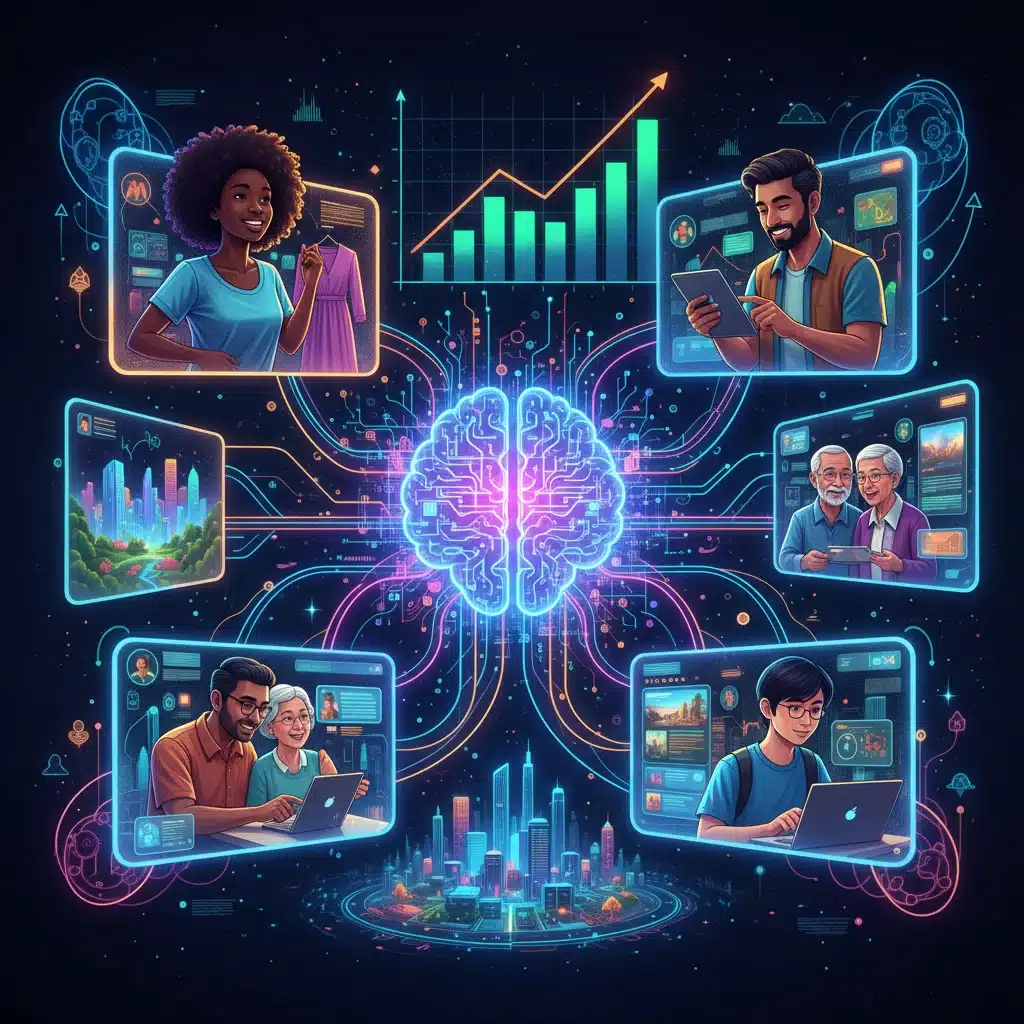
In the fiercely competitive digital landscape, businesses are constantly seeking innovative ways to not only attract but also retain customers. The promise of achieving a 10% higher customer conversion rate within a single quarter might seem ambitious, but with the advent of advanced AI-powered personalization, it’s not just a possibility—it’s an achievable reality. This article delves deep into the latest trends and strategies in AI personalization, offering a comprehensive guide to leveraging these technologies for unparalleled business growth and a significant uplift in your AI personalization conversion rates.
The digital world is awash with data, and the true power lies not just in collecting it, but in understanding and acting upon it. This is where AI personalization shines. By analyzing vast amounts of customer data—from browsing history and purchase patterns to demographic information and real-time behavior—AI algorithms can create highly individualized experiences that resonate deeply with each user. This level of tailored interaction fosters stronger connections, builds trust, and ultimately drives higher conversion rates. The goal is to move beyond generic marketing and embrace a future where every customer interaction feels uniquely crafted for them, leading to a substantial boost in your AI personalization conversion metrics.
The journey towards achieving a 10% higher conversion rate begins with a clear understanding of what AI personalization entails and how it differs from traditional personalization methods. While rule-based personalization relies on predefined segments and ‘if-then’ statements, AI-powered personalization is dynamic, adaptive, and predictive. It learns from every interaction, continuously refining its understanding of individual customer preferences and behaviors. This continuous learning loop is the secret sauce behind its effectiveness in optimizing the AI personalization conversion funnel.
Understanding the Core of AI-Powered Personalization
At its heart, AI-powered personalization leverages machine learning (ML) algorithms to process and interpret customer data at a scale and speed impossible for humans. These algorithms can identify subtle patterns and correlations that inform highly accurate predictions about future customer behavior. This predictive capability is crucial for delivering the right message, to the right person, at the right time, thereby maximizing the likelihood of a conversion. The sophistication of these systems means that businesses can now anticipate customer needs and offer solutions proactively, rather than reactively.
The Evolution from Traditional to AI Personalization
Traditional personalization often involves segmenting customers into broad categories based on demographics or past purchases. While this approach has its merits, it lacks the granularity and adaptability of AI. AI personalization, on the other hand, treats each customer as an individual, creating a ‘segment of one.’ This micro-segmentation allows for hyper-targeted recommendations, content, and offers that are far more likely to convert. For instance, instead of recommending a generic ‘popular products’ list, AI can suggest items based on a user’s specific browsing history, items viewed, and even the time spent on certain product pages. This precision is a game-changer for AI personalization conversion.
Key Technologies Driving AI Personalization
Several key technologies underpin effective AI personalization:
- Machine Learning (ML): The foundation of AI personalization, ML algorithms learn from data to make predictions or decisions without being explicitly programmed.
- Natural Language Processing (NLP): Enables AI systems to understand and process human language, facilitating personalized content generation, chatbot interactions, and sentiment analysis.
- Computer Vision: Allows AI to interpret images and videos, useful for visual search, product recommendations based on visual similarity, and analyzing customer engagement with visual content.
- Predictive Analytics: Uses historical data to forecast future outcomes, such as which customers are most likely to churn or convert, enabling proactive engagement strategies.
- Reinforcement Learning: An advanced form of ML where algorithms learn by trial and error, optimizing their strategies over time to achieve specific goals, like maximizing conversion rates.
By harnessing these technologies, businesses can create a truly intelligent personalization engine that continuously improves its performance and directly contributes to a higher AI personalization conversion rate.
Strategic Implementation: Achieving a 10% Higher Conversion Rate
To realize a 10% increase in customer conversion rates, a strategic and phased approach to AI personalization is essential. It’s not just about deploying technology; it’s about integrating it seamlessly into your overall customer experience strategy.
Step 1: Data Collection and Integration
The bedrock of any successful AI personalization strategy is robust data. You need to collect comprehensive data from all customer touchpoints: website, mobile app, email, CRM, social media, and even offline interactions. This data must then be integrated into a unified customer profile. A Customer Data Platform (CDP) is often instrumental here, providing a single, consistent view of each customer. Ensure your data collection practices are compliant with privacy regulations like GDPR and CCPA.
Step 2: Defining Clear Goals and KPIs
Before diving into implementation, clearly define what a ‘10% higher conversion rate’ means for your business. Is it a 10% increase in sales, sign-ups, lead generations, or app downloads? Establish specific Key Performance Indicators (KPIs) that will measure your progress. For instance, if your current conversion rate is 2%, aiming for 2.2% represents a 10% increase. This clarity will guide your AI implementation and allow for accurate measurement of its impact on AI personalization conversion.
Step 3: Choosing the Right AI Tools and Platforms
The market is flooded with AI personalization tools, from recommendation engines and dynamic content platforms to AI-powered chatbots and predictive analytics suites. Select tools that align with your specific goals, existing technology stack, and budget. Consider scalability, ease of integration, and vendor support. Some popular options include platforms like Salesforce Einstein, Adobe Sensei, and various open-source ML libraries for custom solutions.
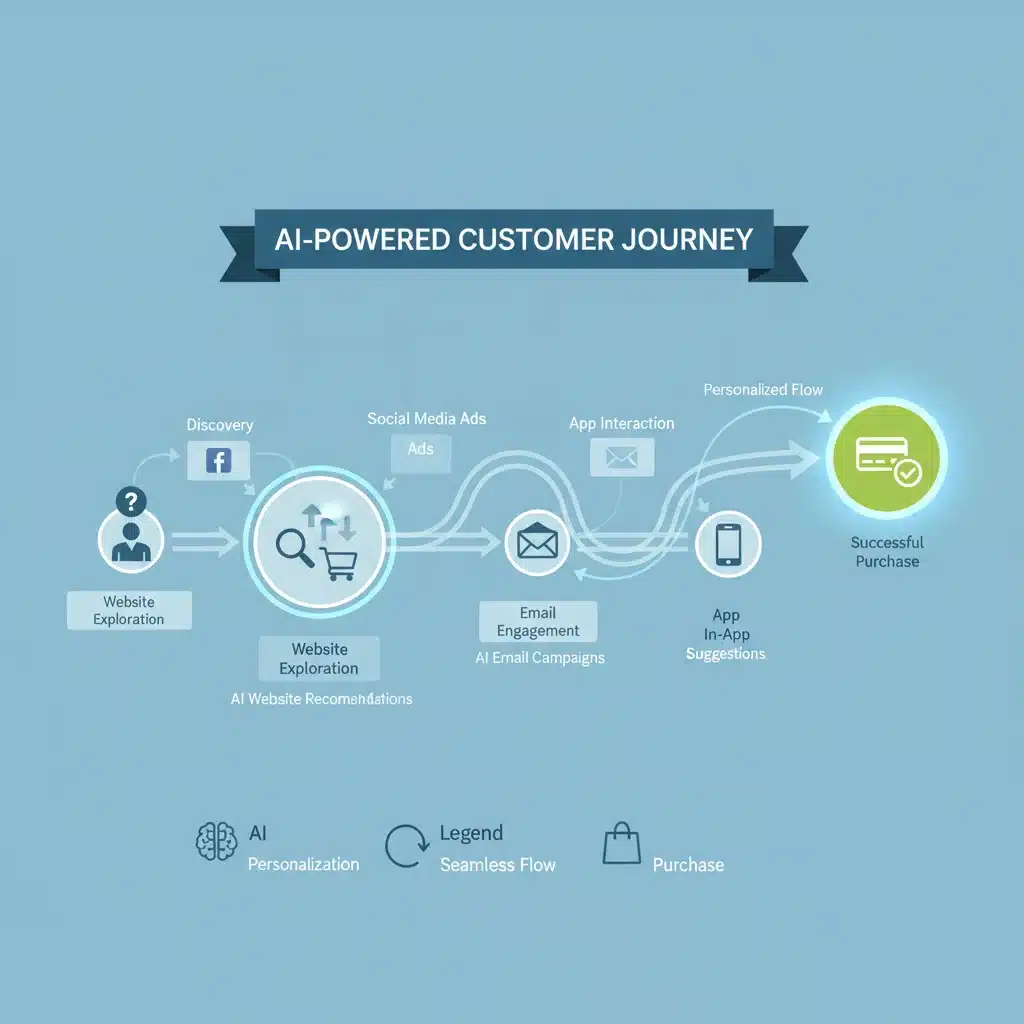
Step 4: Implementing AI Across Key Customer Touchpoints
Once you have your data and tools in place, begin implementing AI personalization across critical customer touchpoints:
-
Website and Mobile App Personalization
Dynamic content, product recommendations, personalized search results, and tailored landing pages based on user behavior significantly enhance the on-site experience. For e-commerce, this could mean recommending complementary products or displaying recently viewed items. For content sites, it could involve suggesting articles based on reading history. This direct application greatly influences AI personalization conversion.
-
Email Marketing Personalization
Move beyond segment-based emails to truly individualized campaigns. AI can determine the optimal send time, personalize subject lines, and dynamically populate email content with relevant product offers, articles, or services. Abandoned cart recovery emails, for example, become far more effective when personalized with specific product details and incentives.
-
Personalized Advertising
AI can optimize ad targeting by identifying high-value audiences and predicting which creative elements and messaging will resonate most. This reduces wasted ad spend and increases the likelihood of conversion from your advertising efforts.
-
Customer Service and Support
AI-powered chatbots and virtual assistants can provide instant, personalized support, answering queries, guiding users through processes, and even making product recommendations. This improves customer satisfaction and can prevent potential churn, indirectly boosting AI personalization conversion.
Step 5: A/B Testing and Optimization
AI personalization is not a ‘set it and forget it’ solution. Continuous A/B testing is vital to understand what works and what doesn’t. Test different personalization strategies, content variations, and recommendation algorithms. Use the insights gained to refine your AI models and strategies, ensuring they are always optimizing for the highest possible conversion rates. This iterative process is key to sustained growth in your AI personalization conversion.
Advanced Strategies for Maximizing AI Personalization Conversion
Beyond the foundational steps, several advanced strategies can further amplify your AI personalization efforts and push your conversion rates beyond the 10% mark.
Real-Time Personalization
The ability to personalize experiences in real-time is a significant differentiator. AI systems can analyze a user’s current session behavior—clicks, scrolls, time on page—and immediately adapt the content and offers presented. This instantaneous responsiveness creates a highly engaging and relevant experience, capturing customer attention at their moment of highest intent. For example, if a user lingers on a specific product category, real-time personalization can instantly display related products, reviews, or special offers within that category.
Predictive Personalization
Moving beyond current behavior, predictive personalization uses AI to anticipate future needs and actions. This could involve predicting which customers are likely to churn and then triggering proactive retention campaigns, or foreseeing which products a customer might be interested in before they even search for them. Predictive analytics can also optimize pricing strategies and inventory management, ensuring the right products are available at the right price for personalized offers. This foresight is invaluable for improving AI personalization conversion.
Omnichannel Personalization
Customers interact with brands across multiple channels. True omnichannel personalization ensures that the personalized experience is consistent and seamless across all these touchpoints. An AI system should recognize a customer whether they are browsing on a desktop, using a mobile app, interacting with a chatbot, or even visiting a physical store. This unified view prevents disjointed experiences and reinforces the personalized relationship, driving higher engagement and conversion across the entire customer journey.
Dynamic Pricing and Promotions
AI can analyze market demand, competitor pricing, and individual customer price sensitivity to offer dynamic pricing and personalized promotions. This means offering discounts or bundles that are most likely to convert a specific customer without cannibalizing profits from those who would have paid full price. This nuanced approach to pricing is a powerful lever for increasing AI personalization conversion.
Personalized Content and Recommendations Beyond Products
Personalization extends beyond just product recommendations. AI can personalize content such as blog posts, videos, tutorials, and even customer support articles based on individual interests and past interactions. For service-based businesses, this could mean recommending relevant service packages or educational resources. For media companies, it’s about curating a personalized feed of news or entertainment. The broader the scope of personalization, the deeper the engagement.
Measuring Success: Beyond the 10% Mark
While achieving a 10% higher customer conversion rate is an excellent benchmark, continuous measurement and analysis are crucial for sustaining and exceeding this growth. Focus on a holistic view of customer success, not just immediate conversions.
Key Metrics to Monitor
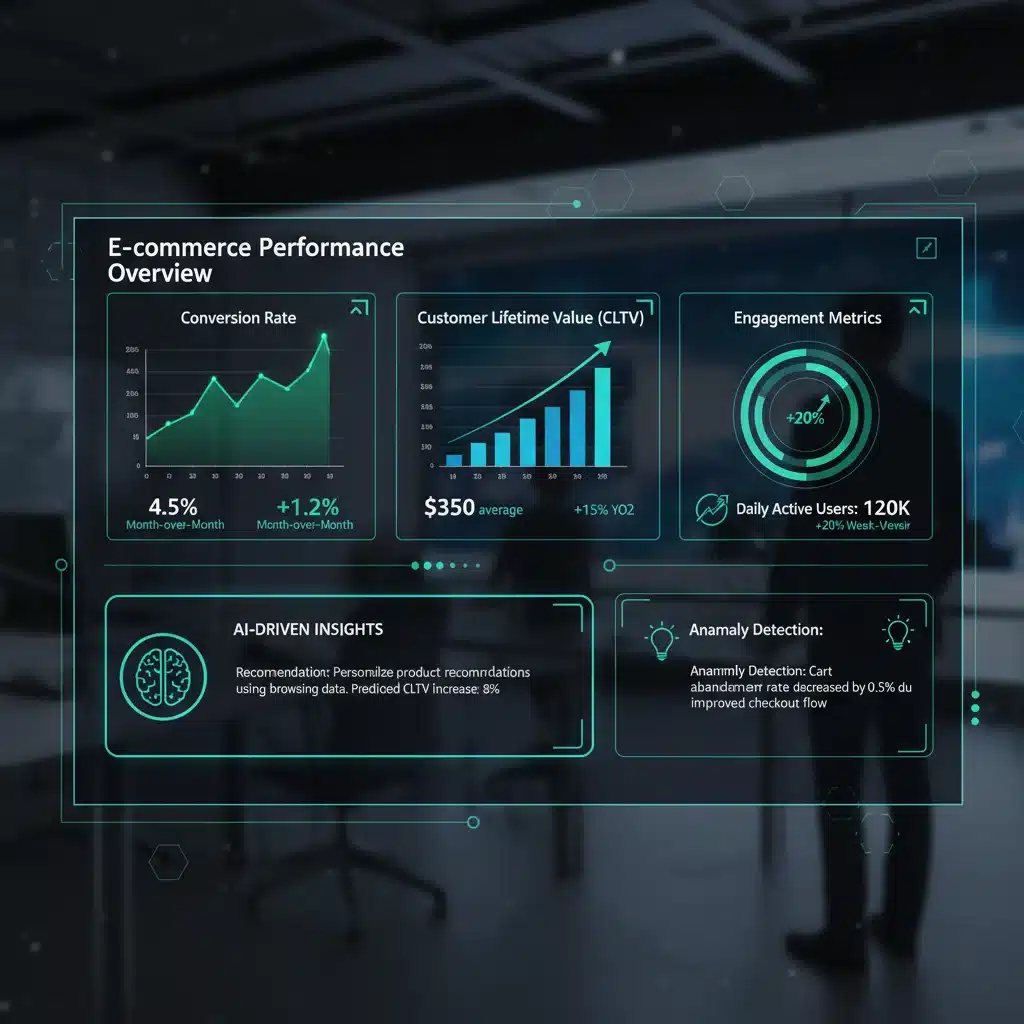
- Conversion Rate: The primary metric, tracking the percentage of visitors who complete a desired action.
- Customer Lifetime Value (CLTV): AI personalization often leads to increased CLTV by fostering loyalty and encouraging repeat purchases.
- Average Order Value (AOV): Personalized recommendations can encourage customers to add more items to their cart, increasing AOV.
- Churn Rate: AI’s ability to predict and prevent churn directly impacts customer retention and overall profitability.
- Engagement Metrics: Time on site, pages per session, click-through rates (CTR) on personalized content, and email open rates all indicate the effectiveness of your personalization efforts.
- Return on Investment (ROI): Quantify the financial impact of your AI personalization initiatives by comparing increased revenue against the cost of implementation and maintenance.
Attribution Models for AI Personalization
Accurately attributing conversions to AI personalization can be complex, especially in an omnichannel environment. Consider using advanced attribution models that give credit to all touchpoints in the customer journey, not just the last click. Multi-touch attribution models can provide a more accurate picture of AI’s contribution to your AI personalization conversion.
Ethical Considerations and Transparency
As AI personalization becomes more sophisticated, ethical considerations and data privacy become paramount. Be transparent with your customers about how their data is being used to personalize their experience. Offer clear opt-out options and ensure your practices comply with all relevant data protection regulations. Building trust is essential for long-term customer relationships and sustainable conversion growth.
Challenges and How to Overcome Them
Implementing AI-powered personalization is not without its challenges. Understanding these hurdles and preparing for them is key to a successful deployment.
Data Silos
One of the biggest obstacles is fragmented data. Many organizations have customer data scattered across various systems that don’t communicate with each other. Overcoming this requires a robust data integration strategy, often involving a CDP, to create a unified customer view. This unified data is critical for effective AI personalization conversion.
Lack of Expertise
Implementing and managing AI solutions requires specialized skills in data science, machine learning, and analytics. If internal expertise is lacking, consider hiring specialists, upskilling existing teams, or partnering with external AI solution providers.
Integration Complexities
Integrating new AI tools with existing legacy systems can be complex and time-consuming. Prioritize solutions with open APIs and strong documentation to facilitate smoother integration. A phased rollout can also help manage complexity.
Maintaining Data Quality
AI models are only as good as the data they are fed. Poor data quality—inaccurate, incomplete, or inconsistent data—will lead to flawed personalization. Implement strong data governance policies and invest in data cleaning and validation processes to ensure the integrity of your data.
Measuring ROI
Demonstrating the clear return on investment for AI personalization can sometimes be challenging, especially in the initial stages. Establish clear KPIs from the outset and continuously track them. Use A/B testing and control groups to isolate the impact of personalization on conversion rates.
The Future of AI Personalization: Beyond 10%
The field of AI personalization is rapidly evolving. As technologies become more sophisticated, we can expect even more dynamic and proactive personalization capabilities. The future will likely see:
- Hyper-Personalized Content Generation: AI will not just recommend existing content but generate entirely new, personalized content (text, images, even video) on the fly, tailored to individual preferences and real-time context.
- Emotion AI and Sentiment Analysis: AI systems will become better at detecting and responding to customer emotions, allowing for even more empathetic and effective personalized interactions.
- Voice and Conversational AI: The integration of voice assistants and conversational AI will create new avenues for highly personalized and intuitive customer experiences, from product discovery to post-purchase support.
- Proactive and Contextual Personalization: AI will anticipate needs even before customers express them, based on a deeper understanding of their context, environment, and lifestyle, leading to truly seamless and invisible personalization.
- Ethical AI and Trust: As AI becomes more pervasive, there will be an even greater emphasis on ethical AI development, transparency, and building customer trust through responsible data practices.
These advancements promise to push the boundaries of what’s possible, making the goal of not just a 10% but a 20% or even higher AI personalization conversion rate a tangible reality for businesses willing to embrace the cutting edge.
Conclusion
Achieving a 10% higher customer conversion rate this quarter through AI-powered personalization is an ambitious yet entirely attainable goal. By strategically collecting and integrating data, defining clear objectives, selecting the right tools, and implementing AI across all key customer touchpoints, businesses can unlock unprecedented levels of customer engagement and drive significant growth. The continuous cycle of testing, optimization, and ethical consideration will ensure that your AI personalization strategies remain effective and sustainable. Embrace the power of AI to transform your customer experience, build lasting relationships, and secure a competitive edge in today’s dynamic market. The future of customer interaction is personalized, and AI is the key to unlocking its full potential for your AI personalization conversion success.