
Personalization at Scale: Boost Customer Engagement 10% by 2026
Master personalization at scale to achieve significant customer engagement growth. This guide explores actionable strategies, essential technologies, and future trends for digital marketing success by 2026.

US Consumer Privacy Regulations 2026: Digital Marketing Impact
Explore the latest US consumer privacy regulations (March 2026 update) and their critical implications for digital marketing. Understand compliance, data handling, and strategic adjustments.

Boost Q1 2026 E-commerce Sales: 5 Digital Marketing Strategies for 15% ROI Uplift
Discover 5 powerful digital marketing strategies meticulously designed to supercharge your Q1 2026 e-commerce sales. Learn how to implement these tactics for a proven 15% ROI uplift, focusing on customer acquisition, retention, and conversion optimization.
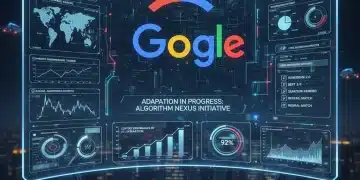
Mastering Google’s January 2026 Algorithm: A US Business Survival Guide
Stay ahead of the curve with our expert analysis of Google's January 2026 algorithm updates. This guide offers actionable strategies for US businesses to optimize their digital presence and secure top search rankings.

U.S. Privacy Regulations 2026: Digital Marketing Compliance Guide
Understanding and adapting to the new U.S. privacy regulations for 2026 is crucial for digital marketers. This guide provides a 5-step compliance plan to ensure your strategies are legal, ethical, and effective in the evolving privacy landscape.
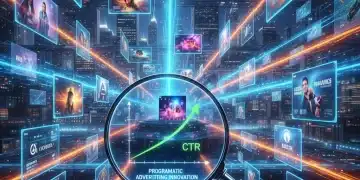
Programmatic Advertising Trends: Boosting CTR in the US Market
Dive into the future of programmatic advertising in the U.S. market. Uncover innovative strategies and technological advancements designed to elevate your Click-Through Rate (CTR) by an ambitious 10% by 2026, focusing on AI, data, and privacy-centric approaches.
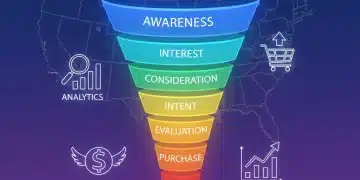
U.S. E-commerce Funnel Optimization: 7 Steps to 25% Conversion Lift by 2026
Unlock significant growth in your U.S. e-commerce business. This guide provides a 7-point checklist to optimize your sales funnel, aiming for a 25% conversion rate increase by 2026.

TikTok Ad Formats 2026: Boost U.S. Traffic 30% with Innovation
Explore the revolutionary TikTok ad formats set to launch by 2026, promising a 30% surge in U.S. traffic. This article delves into the strategies and technologies behind these innovations, offering marketers a roadmap for future success.
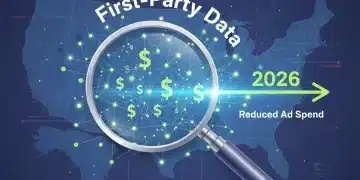
First-Party Data Strategies: U.S. Brands Cut Ad Spend 18% by 2026
Explore how U.S. brands can strategically implement first-party data to achieve an 18% reduction in advertising costs by 2026. This post details actionable strategies, technological integrations, and best practices for building direct customer relationships and optimizing marketing efficiency in the evolving digital landscape.

Voice Search SEO: Capture 12% More US Organic Traffic by 2026
Discover how optimizing for voice search SEO can significantly boost your organic traffic. This guide explores key strategies to prepare your website for the growing voice-activated landscape and secure a larger share of the market.