First-Party Data Strategies: U.S. Brands Cut Ad Spend 18% by 2026
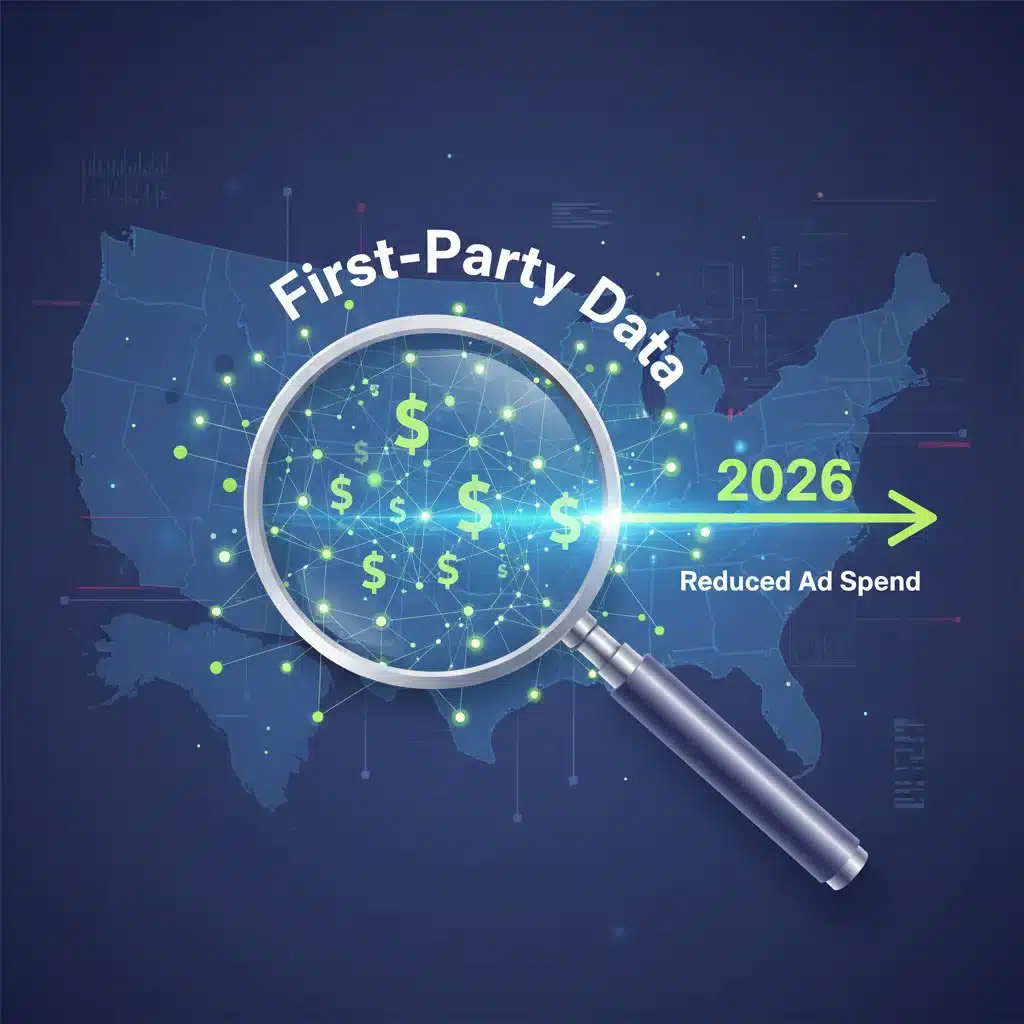
First-Party Data Strategies: How U.S. Brands Can Reduce Ad Spend by 18% in 2026
In the rapidly evolving digital marketing landscape, the ability to effectively reach and engage target audiences is paramount. However, with increasing privacy regulations, the deprecation of third-party cookies, and a growing demand for personalized experiences, U.S. brands are facing unprecedented challenges in optimizing their advertising expenditures. The good news? A robust first-party data strategy offers a powerful solution, promising not only enhanced customer understanding but also a significant reduction in ad spend – an estimated 18% by 2026.
This comprehensive guide delves into the transformative potential of first-party data, exploring how U.S. businesses can harness its power to build direct customer relationships, refine targeting, and ultimately achieve greater marketing efficiency. We’ll examine the foundational elements of a successful first-party data strategy, the technological enablers, and the strategic shifts required to thrive in a privacy-first world.
The Shifting Sands of Digital Advertising: Why First-Party Data is Non-Negotiable
For decades, digital advertising relied heavily on third-party cookies to track user behavior across websites, enabling broad audience segmentation and retargeting. This era, however, is drawing to a close. Google’s announcement to phase out third-party cookies from Chrome by late 2024, coupled with stringent privacy regulations like GDPR and CCPA, has created a seismic shift. Marketers can no longer depend on these external data sources for their targeting and measurement needs. This monumental change necessitates a fundamental re-evaluation of how brands collect, manage, and activate customer information.
Enter first-party data. This is the information a company collects directly from its customers with their consent. It includes data from website visits, purchase history, CRM systems, customer service interactions, email engagement, surveys, and loyalty programs. Unlike third-party data, first-party data is owned by the brand, is highly accurate, and provides direct insights into customer behavior and preferences. Building a strong first-party data strategy is no longer just an advantage; it’s a critical imperative for survival and growth.
The Economic Imperative: Reducing Ad Spend with First-Party Data
The projection of an 18% reduction in ad spend by 2026 for U.S. brands that effectively implement a first-party data strategy is not merely an optimistic forecast; it’s a data-driven expectation. This reduction stems from several key areas:
- Precision Targeting: With rich first-party data, brands can move beyond broad demographic targeting to hyper-personalized campaigns. Understanding individual customer preferences, purchase intent, and lifecycle stage allows for more relevant messaging, leading to higher conversion rates and less wasted ad impressions. This surgical precision means every dollar spent on advertising works harder.
- Reduced Reliance on Paid Media: As brands deepen their understanding of existing customers, they can foster stronger relationships, encouraging repeat purchases and organic advocacy. This reduces the need for constant acquisition through expensive paid channels.
- Optimized Customer Lifetime Value (CLTV): First-party data enables brands to identify high-value customers and tailor retention strategies, increasing their CLTV. Retaining an existing customer is significantly cheaper than acquiring a new one, directly impacting ad spend efficiency.
- Improved Personalization at Scale: Generic campaigns yield generic results. First-party data allows for dynamic content, product recommendations, and offers that resonate deeply with individual customers, boosting engagement and conversion without necessarily increasing media spend.
- Enhanced Measurement and Attribution: Direct access to customer data provides clearer insights into campaign performance, allowing brands to accurately attribute conversions and optimize budgets in real-time. This eliminates guesswork and ensures resources are allocated to the most effective channels and creative assets.
Pillars of a Powerful First-Party Data Strategy
Developing an effective first-party data strategy requires a multi-faceted approach, encompassing technology, process, and cultural shifts within an organization. Here are the core pillars:
1. Comprehensive Data Collection and Integration
The first step is to identify all potential sources of first-party data within your organization. This goes beyond just website analytics. Consider:
- Website and App Interactions: Page views, clicks, search queries, time spent, abandoned carts.
- CRM Systems: Customer demographics, contact information, interaction history, support tickets.
- Transactional Data: Purchase history, order value, frequency, product preferences.
- Email and Marketing Automation Platforms: Open rates, click-through rates, subscription preferences.
- Surveys and Feedback Forms: Direct customer insights into preferences, satisfaction, and needs.
- Loyalty Programs: Membership data, reward redemptions, engagement levels.
- Offline Interactions: In-store purchases, event attendance (if digitized).
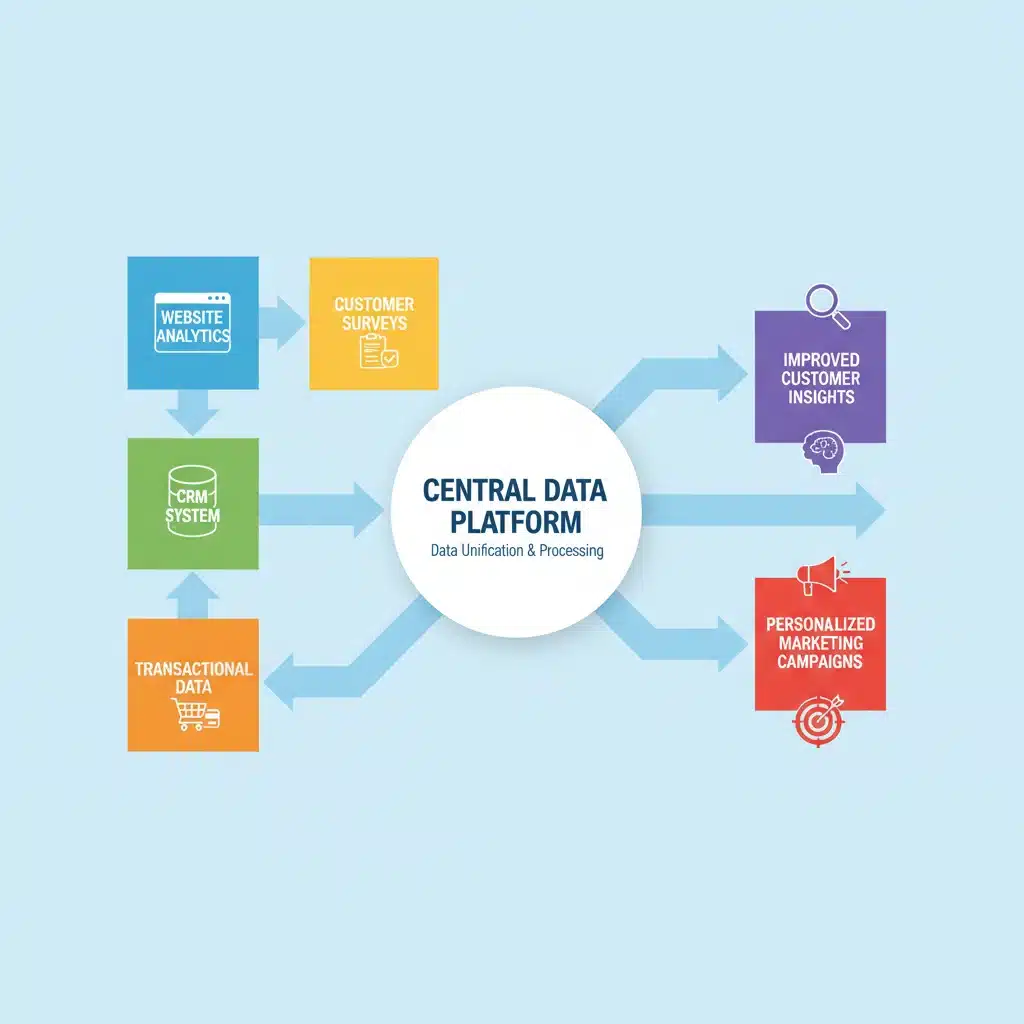
Once identified, the challenge lies in integrating these disparate data sources into a unified customer profile. This often requires a Customer Data Platform (CDP).
2. Investing in a Customer Data Platform (CDP)
A CDP is the cornerstone of a modern first-party data strategy. It’s a packaged software that creates a persistent, unified customer database that is accessible to other systems. Unlike a CRM (which focuses on sales and service interactions) or a DMP (which primarily handles anonymous third-party data for advertising), a CDP:
- Unifies Customer Profiles: Collects and stitches together data from various sources to create a single, comprehensive view of each customer.
- Enables Segmentation: Allows marketers to create highly granular audience segments based on behavior, demographics, preferences, and purchase history.
- Activates Data: Integrates with marketing execution systems (email, advertising platforms, content management) to activate these segments for personalized campaigns.
- Provides Real-time Insights: Offers a dynamic view of customer behavior, enabling real-time personalization and quick campaign adjustments.
The right CDP can dramatically reduce the complexity of managing diverse data sets, empowering marketing teams to leverage insights quickly and efficiently. This direct control over data activation is a critical component of reducing reliance on external ad targeting and thus, ad spend.
3. Prioritizing Data Governance and Privacy
The value of first-party data is directly tied to customer trust. A robust first-party data strategy must embed privacy and data governance at its core. This includes:
- Transparency: Clearly communicate to customers what data is being collected, why it’s being collected, and how it will be used.
- Consent Management: Implement clear, opt-in consent mechanisms for data collection and usage, especially for marketing communications.
- Data Security: Ensure robust security measures are in place to protect customer data from breaches and unauthorized access.
- Compliance: Adhere to all relevant data privacy regulations (e.g., CCPA, state-specific laws in the U.S.).
- Customer Control: Provide customers with easy ways to access, modify, or delete their data.
Failing to prioritize privacy can erode trust, leading to customer churn and potential regulatory penalties, ultimately undermining any gains from a data strategy. Conversely, a strong commitment to privacy can become a competitive differentiator, attracting privacy-conscious consumers.

4. Developing a Data Activation Roadmap
Collecting data is only half the battle; activating it effectively is where the real value lies. A data activation roadmap outlines how first-party data will be used to improve marketing outcomes. This includes:
- Personalized Content and Experiences: Using data to tailor website content, email communications, and product recommendations.
- Optimized Ad Campaigns: Creating custom audiences for paid social, search, and programmatic advertising platforms based on first-party insights, leading to higher relevance and lower CPC/CPM.
- Predictive Analytics: Leveraging data to predict future customer behavior, such as churn risk or next best offer, allowing for proactive interventions.
- Improved Customer Service: Empowering service agents with a complete view of customer history to provide more efficient and personalized support.
- Product Development: Using aggregated customer feedback and behavior data to inform product improvements and new offerings.
Each activation point should be tied to specific business objectives and measurable KPIs to track impact on ad spend and ROI.
Strategic Shifts for U.S. Brands: Embracing the Cookieless Future
The journey towards a mature first-party data strategy requires more than just technology; it demands a cultural shift within marketing departments and across the organization. Here are key strategic adjustments U.S. brands must make:
Building Direct Customer Relationships
The deprecation of third-party cookies forces brands to fundamentally re-think their relationship with customers. Instead of relying on intermediaries, brands must actively cultivate direct relationships. This means:
- Value Exchange: Offering clear value in exchange for customer data (e.g., exclusive content, personalized services, loyalty rewards).
- Engaging Content: Creating compelling content that encourages direct engagement on owned properties (website, app).
- Community Building: Fostering online communities where customers can interact with the brand and each other.
- Transparent Communication: Being upfront about data practices builds trust and encourages data sharing.
This shift from ‘rented’ audiences to ‘owned’ audiences is central to long-term marketing sustainability and ad spend reduction.
Rethinking Measurement and Attribution
Traditional attribution models often relied heavily on last-click or multi-touch models powered by third-party cookies. In a cookieless world, brands need to adapt:
- First-Party Data Driven Attribution: Leveraging your own customer data to understand the true impact of various touchpoints.
- Marketing Mix Modeling (MMM): Combining aggregated data with econometric analysis to understand the impact of marketing activities on sales.
- Incrementality Testing: Running controlled experiments to measure the true incremental lift of marketing campaigns.
- Unified Measurement: Integrating offline and online data to create a holistic view of customer journeys and campaign effectiveness.
Accurate measurement is vital for identifying inefficiencies and optimizing ad spend, making this a critical area of focus for any first-party data strategy.
Fostering Internal Collaboration and Data Literacy
A successful first-party data strategy isn’t solely a marketing initiative. It requires collaboration across departments – IT, sales, customer service, product development, and legal. Data literacy across the organization is also essential, ensuring that teams understand the value of data, how to collect it responsibly, and how to apply insights to their respective functions. Breaking down data silos and fostering a data-driven culture are prerequisites for maximizing the value of first-party data.
Practical Steps for U.S. Brands to Initiate Their First-Party Data Journey
For U.S. brands looking to capitalize on the benefits of a robust first-party data strategy, here’s a phased approach:
Phase 1: Assessment and Audit
- Identify Existing Data Sources: Map out all current sources of customer data within your organization.
- Audit Data Quality: Assess the cleanliness, completeness, and accuracy of your existing data. Develop a plan for data hygiene.
- Review Consent Mechanisms: Ensure all data collection practices are compliant with current privacy regulations and that consent is properly managed.
- Define Use Cases: Brainstorm specific ways you want to use first-party data to improve customer experience and marketing efficiency.
Phase 2: Technology and Infrastructure
- Evaluate CDP Solutions: Research and select a Customer Data Platform that aligns with your needs, budget, and existing tech stack.
- Integrate Data Sources: Begin the process of connecting disparate data sources to your CDP to create unified customer profiles.
- Implement Consent Management Platform (CMP): If not already in place, deploy a CMP to manage user consent effectively across all digital touchpoints.
Phase 3: Activation and Optimization
- Develop Segmentation Strategies: Start creating granular customer segments based on your unified first-party data.
- Launch Pilot Campaigns: Begin with small-scale personalized campaigns using first-party data for targeting and content.
- Measure and Iterate: Continuously monitor campaign performance, gather insights, and refine your strategies based on what the data tells you. This iterative process is crucial for optimizing ad spend.
- Expand Personalization: Gradually extend first-party data activation across more channels and customer touchpoints.
The Future is First-Party: A Competitive Edge
The impending cookieless future and heightened privacy expectations are not threats but opportunities for U.S. brands that embrace a proactive first-party data strategy. By taking ownership of customer relationships and data, brands can unlock unparalleled insights, deliver truly personalized experiences, and significantly optimize their advertising investments. The projected 18% reduction in ad spend by 2026 is a compelling testament to the power of this approach.
Brands that invest now in building robust first-party data capabilities will not only future-proof their marketing efforts but also gain a substantial competitive advantage. They will foster deeper customer loyalty, drive higher returns on investment, and ultimately build more resilient and sustainable businesses in the years to come. The time to act on your first-party data strategy is now.
Conclusion: Seizing the First-Party Data Opportunity
The digital advertising landscape is undergoing a profound transformation, driven by consumer demand for privacy and regulatory changes. For U.S. brands, this shift presents a unique opportunity to pivot from reliance on external data to cultivating their own invaluable asset: first-party data. By meticulously collecting, unifying, and activating this data, brands can forge stronger, more direct relationships with their customers, leading to highly effective and efficient marketing campaigns.
The potential for an 18% reduction in ad spend by 2026 is a powerful incentive, but the benefits extend far beyond cost savings. A well-executed first-party data strategy empowers brands to deliver truly personalized customer experiences, build lasting loyalty, and gain a competitive edge in an increasingly crowded market. It demands strategic investment in technology like Customer Data Platforms, a steadfast commitment to data privacy, and a culture that champions data literacy and collaboration. Brands that embrace this paradigm shift will not only navigate the challenges of the cookieless future but will thrive, turning data into their most valuable marketing asset.