Gen Z’s Digital Wallet: 5 Emerging Payment Trends Driving US Retail Innovation in the Next 12 Months

Gen Z’s Digital Wallet: 5 Emerging Payment Trends Driving US Retail Innovation in the Next 12 Months
The retail landscape is in a constant state of flux, but perhaps no demographic is accelerating this change more profoundly than Gen Z. Born between the late 1990s and early 2010s, this generation represents a formidable economic force, not just in their current spending power but in their future influence. Unlike any previous generation, Gen Z has grown up entirely immersed in a digital world, making their expectations for payments and commerce inherently different. For US retailers, understanding and adapting to these shifts isn’t just about staying competitive; it’s about survival and thriving in the coming 12 months.
The traditional wallet, once a bulky repository of cash and plastic, has largely been supplanted by the sleek, multifunctional digital wallet residing within their smartphones. This isn’t merely a preference; it’s a fundamental shift in how they interact with money, make purchases, and evaluate brands. Their payment choices are intertwined with convenience, speed, security, and increasingly, values. As we delve into the top 5 emerging Gen Z Payment Trends, remember that these aren’t isolated phenomena but interconnected threads weaving a new tapestry of retail commerce.
From the proliferation of mobile payment apps to the burgeoning interest in cryptocurrency, Gen Z Payment Trends are forcing retailers to rethink their entire transaction ecosystem. This article will explore these critical trends, providing actionable insights for businesses looking to innovate and capture the loyalty of this digitally native consumer base. The next 12 months will be crucial for adopting these strategies, as Gen Z’s influence continues to grow exponentially in the US retail sector.
1. The Ubiquity of Mobile Wallets and Contactless Payments
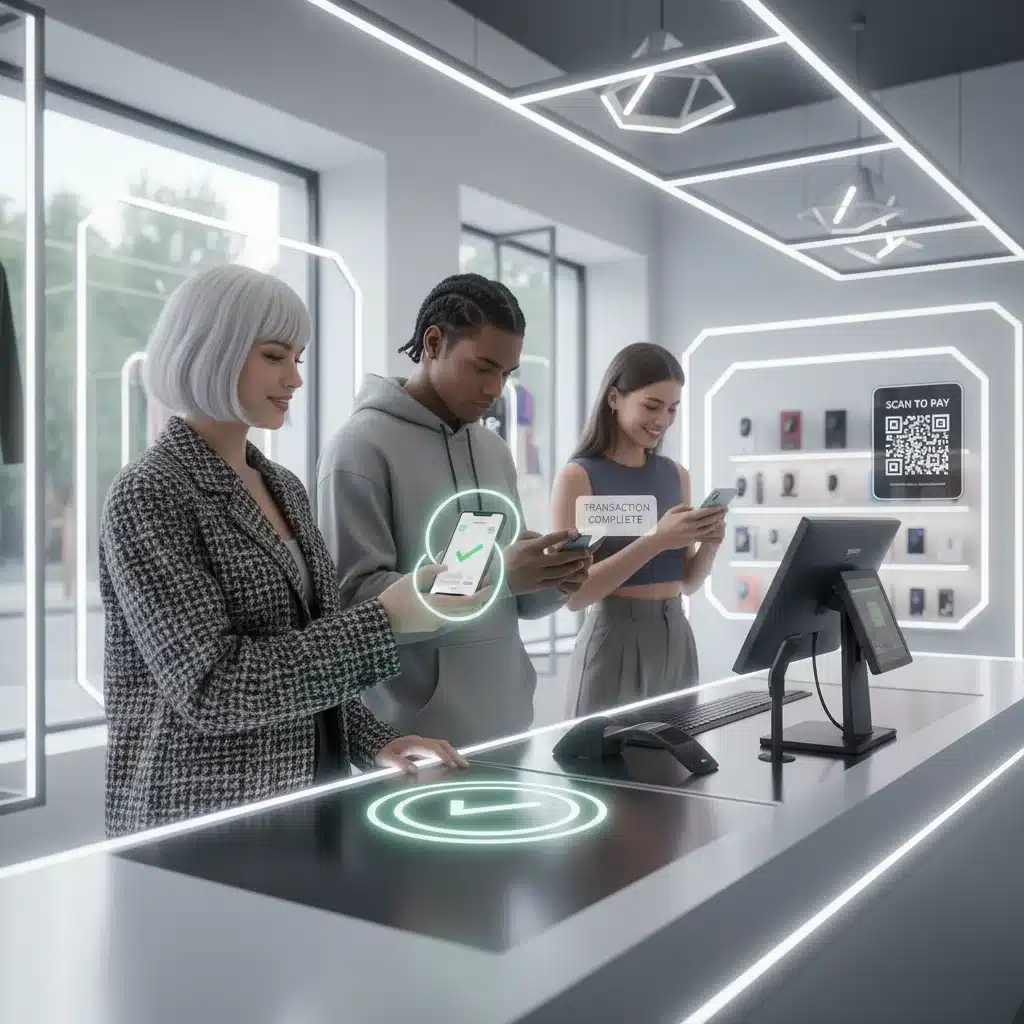
For Gen Z, the smartphone is an extension of themselves, and naturally, it’s their preferred payment tool. Mobile wallets like Apple Pay, Google Pay, and Samsung Pay offer unparalleled convenience, security, and speed. The days of fumbling for cards or cash are rapidly fading for this demographic. They expect to tap, scan, or click to complete a transaction, whether in a physical store or online.
Why Mobile Wallets are Dominant for Gen Z
- Speed and Convenience: Transactions are often faster than traditional card payments, reducing checkout times and friction. Gen Z has a low tolerance for inefficiency, and a swift payment process is a key differentiator.
- Enhanced Security: Tokenization and biometric authentication (fingerprint, facial recognition) inherent in mobile wallets offer a perception and reality of greater security compared to physical cards. This resonates deeply with a generation acutely aware of data breaches.
- Integration with Loyalty Programs: Many mobile wallets seamlessly integrate loyalty cards and rewards programs, making it easier for Gen Z to earn and redeem points without extra steps. This frictionless experience enhances brand stickiness.
- Digital-First Lifestyle: Having grown up with smartphones, the idea of paying with a device they already carry everywhere is intuitive and natural. It aligns with their overall digital-first lifestyle, where everything from communication to entertainment is managed on their phone.
Retailer Action Plan for the Next 12 Months:
Retailers must ensure their Point-of-Sale (POS) systems are fully equipped for contactless payments. This means NFC (Near Field Communication) readers at every checkout. Beyond hardware, integrating mobile payment options prominently on e-commerce platforms is non-negotiable. Consider offering incentives for using mobile wallets, such as exclusive discounts or faster checkout lanes. Proactively communicate the security and convenience benefits to encourage adoption among older demographics as well, leveraging Gen Z’s influence.
Furthermore, exploring in-app payment options within your brand’s dedicated mobile application can create a more immersive and personalized shopping experience. This goes beyond just accepting payments; it’s about building a digital ecosystem that caters to the comprehensive needs of the Gen Z Payment Trends. The goal is to make the payment process so seamless it almost becomes invisible, allowing the focus to remain on the product and the brand experience.
2. The Rise of Buy Now, Pay Later (BNPL) Services
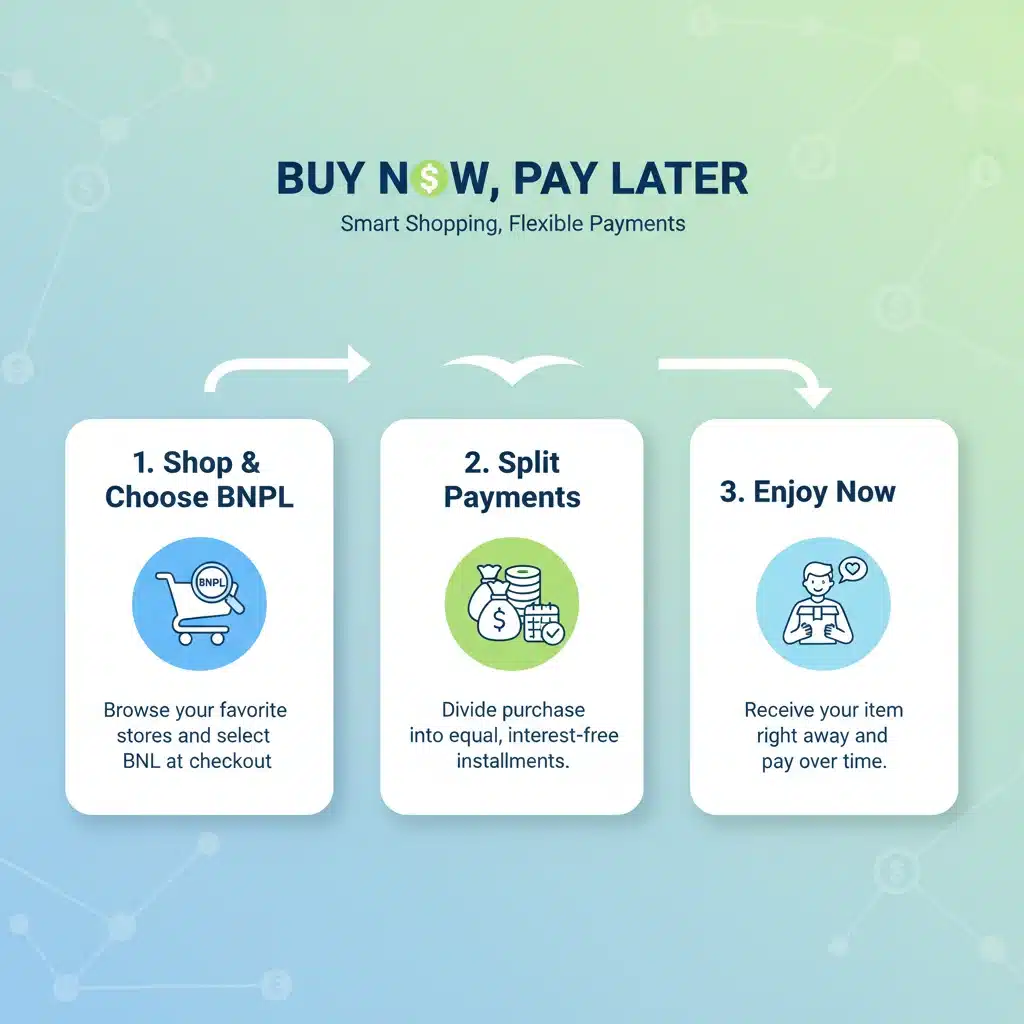
One of the most significant Gen Z Payment Trends is the explosive growth of Buy Now, Pay Later (BNPL) services. Platforms like Affirm, Afterpay, Klarna, and Zip allow consumers to split purchases into interest-free installments, often without hard credit checks. This model appeals strongly to Gen Z, many of whom are just starting their financial journeys and may have limited credit history or a preference for avoiding traditional credit card debt.
Why BNPL Resonates with Gen Z:
- Financial Flexibility: BNPL offers immediate gratification without the immediate financial strain, allowing Gen Z to manage their budgets more effectively, especially for larger purchases.
- Avoidance of Credit Card Debt: Many Gen Z individuals are wary of high-interest credit card debt, having witnessed previous generations struggle. BNPL presents an alternative that feels more responsible and transparent.
- Budget Management: The fixed, scheduled payments of BNPL plans help Gen Z consumers budget for discretionary spending more easily, making purchases that might otherwise be out of reach.
- Perceived Transparency: Compared to the often complex terms of credit cards, BNPL services are generally perceived as more straightforward, with clear payment schedules and fewer hidden fees (provided payments are made on time).
Retailer Action Plan for the Next 12 Months:
Integrating multiple BNPL options at checkout, both online and in-store, is no longer a luxury but a necessity for retailers targeting Gen Z. Highlight these options prominently on product pages and at the point of purchase. Educate staff on how BNPL works to answer customer questions effectively. Furthermore, consider how BNPL can be strategically used during promotional periods or for higher-ticket items to boost conversion rates and average order value. The data insights gained from BNPL usage can also inform inventory management and marketing strategies, understanding what products Gen Z is more likely to finance.
The competitive landscape for BNPL is intensifying, with new players and features constantly emerging. Retailers should regularly review their BNPL partnerships to ensure they are offering the most appealing and relevant options to their Gen Z customers. This includes evaluating the user experience of the BNPL provider, their integration capabilities, and their reputation among the target demographic. Staying abreast of these evolving Gen Z Payment Trends is vital.
3. The Growing Interest in Cryptocurrency and Digital Assets
While still nascent in widespread retail adoption, the interest in cryptocurrency and other digital assets among Gen Z is undeniable. This generation is inherently curious about new technologies and often more willing to experiment with alternative financial systems. While directly paying with Bitcoin or Ethereum might not be mainstream today, the underlying principles of decentralization and digital ownership resonate with them, hinting at future payment preferences.
Why Crypto Appeals to Gen Z (and its Future Potential):
- Technological Savvy: Gen Z is fluent in digital concepts, making them more comfortable with the complexities of blockchain and cryptocurrency. They see it as a natural evolution of money.
- Investment Opportunity: Many Gen Z individuals view cryptocurrency as an investment, and the ability to spend their holdings directly could become an attractive feature.
- Decentralization and Trust: Some are drawn to the idea of a financial system independent of traditional banks and governments, aligning with a broader skepticism towards established institutions.
- Novelty and Exclusivity: Early adoption of new technologies often carries a sense of status and being ‘ahead of the curve,’ which can be appealing.
Retailer Action Plan for the Next 12 Months:
While full-scale crypto payment integration might be a longer-term play for many, retailers should start exploring the possibilities. This could involve partnering with payment processors that convert crypto to fiat currency at the point of sale, mitigating volatility risks. More importantly, understanding the underlying technology and the demographic’s interest is crucial. Consider offering NFTs (Non-Fungible Tokens) as loyalty rewards or exclusive digital collectibles, which can bridge the gap between digital assets and retail. This exploratory phase is about positioning your brand as forward-thinking and responsive to emerging Gen Z Payment Trends, even if direct crypto payments are not yet a primary revenue stream.
Educating your team about cryptocurrency basics and monitoring its regulatory landscape will also be essential. While the immediate impact on day-to-day transactions may be limited, ignoring this trend would be a significant oversight for any retailer hoping to connect with the future financial habits of Gen Z. The conversation around digital assets is only going to intensify.
4. The Demand for Seamless, Omnichannel Payment Experiences
Gen Z doesn’t distinguish between online and offline shopping; for them, it’s all part of one continuous retail journey. This means their payment experience must be equally seamless across all touchpoints – from browsing on a mobile app to purchasing in-store, and returning items online. Inconsistency or friction in payment methods across channels is a major deterrent.
What Omnichannel Payments Mean for Gen Z:
- Unified Accounts: They expect their payment information and preferences to be saved and accessible regardless of whether they’re on a desktop, mobile, or in a physical store.
- Click & Collect Integration: Paying online and picking up in-store, or vice-versa, should be a fluid process without requiring re-entry of payment details or separate accounts.
- Consistent Security: The level of security and trust associated with payments should be uniform across all channels, reinforcing brand reliability.
- Personalized Offers: Payment data, when ethically used, can inform personalized offers and recommendations, enhancing the shopping experience across channels.
Retailer Action Plan for the Next 12 Months:
Retailers must invest in robust payment infrastructure that supports a truly omnichannel experience. This involves unifying customer data across all platforms, allowing for consistent payment options and saved preferences. Implement features like ‘buy online, return in-store’ with seamless refund processing, or ‘scan-and-go’ technologies in physical stores that allow payment via mobile app. The goal is to eliminate any perceived barriers between the digital and physical realms, creating a cohesive and intuitive customer journey that aligns with evolving Gen Z Payment Trends. Regularly audit your customer journey for payment friction points and address them proactively.
Furthermore, ensure that your customer service teams are equipped to handle payment-related queries across all channels, providing consistent support whether a customer contacts you via chat, email, or in person. This holistic approach to payments will build trust and loyalty with Gen Z, who value convenience and consistency above all else.
5. The Influence of Social Commerce and In-App Purchases
Social media is not just for connecting; for Gen Z, it’s a significant shopping destination. Social commerce, where purchases are made directly within social media platforms or through integrated links, is a burgeoning trend. Similarly, in-app purchases within gaming or lifestyle apps are a familiar and accepted payment model for this generation, blurring the lines between content consumption and commerce.
Why Social Commerce and In-App Payments are Key for Gen Z:
- Native Experience: Gen Z spends a significant amount of time on social media. Integrating shopping and payment directly into these platforms feels natural and frictionless.
- Influencer-Driven Purchases: Recommendations from trusted influencers often lead directly to purchase decisions, and integrated payment options make conversion instant.
- Discovery and Entertainment: Shopping on social media is often an entertaining experience, blending discovery with immediate purchasing power.
- Microtransactions: The familiarity with in-app purchases for digital goods (e.g., game upgrades, digital fashion) translates into an acceptance of small, frequent digital payments for physical goods as well.
Retailer Action Plan for the Next 12 Months:
Retailers need to significantly ramp up their social commerce capabilities. This means enabling shoppable posts, integrating direct checkout options on platforms like Instagram and TikTok, and exploring partnerships with relevant influencers. Beyond social media, consider how your brand can integrate payment options into other popular apps or digital environments frequented by Gen Z. This could involve developing mini-games with in-app purchases or sponsoring content that leads to direct commerce opportunities. The key is to meet Gen Z where they are, providing payment solutions within their preferred digital ecosystems. This proactive embrace of social and in-app commerce is crucial for staying ahead of Gen Z Payment Trends.
Investing in robust analytics for social commerce is also critical. Understanding which platforms drive the most engagement and conversions, and which payment methods are preferred within those environments, will allow for continuous optimization of your social selling strategy. This isn’t just about presence; it’s about making every social interaction a potential, seamless transaction.
Conclusion: Adapting to Gen Z’s Digital Wallet is Non-Negotiable
The digital wallet of Gen Z is not just a technological tool; it’s a reflection of their values, their expectations for convenience, security, and their inherent digital fluency. For US retailers, the next 12 months represent a critical window to adapt and innovate in response to these powerful Gen Z Payment Trends. Ignoring these shifts risks alienating a generation that will soon be the largest consumer group.
From the foundational expectation of mobile and contactless payments to the emerging opportunities in BNPL, cryptocurrency, seamless omnichannel experiences, and social commerce, each trend presents both challenges and immense opportunities. Retailers who embrace these changes will not only capture Gen Z’s spending power but will also future-proof their businesses for the evolving digital economy.
The journey to a Gen Z-optimized payment ecosystem requires continuous learning, strategic investment in technology, and a willingness to experiment. By prioritizing convenience, security, and integrated experiences, retailers can build lasting relationships with this influential demographic, ensuring their continued relevance and success in the dynamic world of US retail.