Gig Economy Retail: Q3 2026 Staffing Strategies for US Businesses
The Gig Economy’s Impact on Retail Labor: What US Businesses Need to Know for Q3 2026 Staffing Strategies
The retail landscape is in a constant state of flux, driven by technological advancements, evolving consumer behaviors, and significant shifts in the labor market. Among these transformative forces, the gig economy stands out as a particularly potent disruptor and, simultaneously, a powerful enabler. For US businesses, understanding the profound implications of the gig economy retail phenomenon is no longer optional; it’s a strategic imperative, especially as we look ahead to Q3 2026 staffing strategies. The ability to adapt, integrate, and optimize flexible labor models will distinguish thriving retailers from those struggling to keep pace.
As consumer expectations for speed, convenience, and personalized experiences continue to escalate, retailers face immense pressure to maintain agile and cost-effective operations. Traditional full-time staffing models, while offering stability, often lack the elasticity required to meet fluctuating demand, seasonal peaks, and unexpected market shifts. This is precisely where the gig economy steps in, offering a dynamic alternative that promises both flexibility and efficiency. However, harnessing this potential requires careful planning, a deep understanding of the regulatory environment, and a commitment to integrating gig workers seamlessly into existing operations.
This comprehensive guide will delve into the multifaceted impact of the gig economy on retail labor, providing US businesses with the insights and actionable strategies necessary to formulate robust staffing plans for Q3 2026. We will explore the benefits and challenges, regulatory considerations, technological solutions, and best practices for creating a resilient and adaptable workforce.
Understanding the Gig Economy Retail Revolution
The gig economy, characterized by short-term contracts or freelance work rather than permanent jobs, has permeated various sectors, but its growth in retail has been particularly remarkable. From last-mile delivery drivers and in-store merchandisers to personal shoppers and temporary customer service agents, gig workers are filling critical roles that demand flexibility and scalability. This shift is not merely a temporary trend; it represents a fundamental re-evaluation of how work is structured and performed in the retail industry.
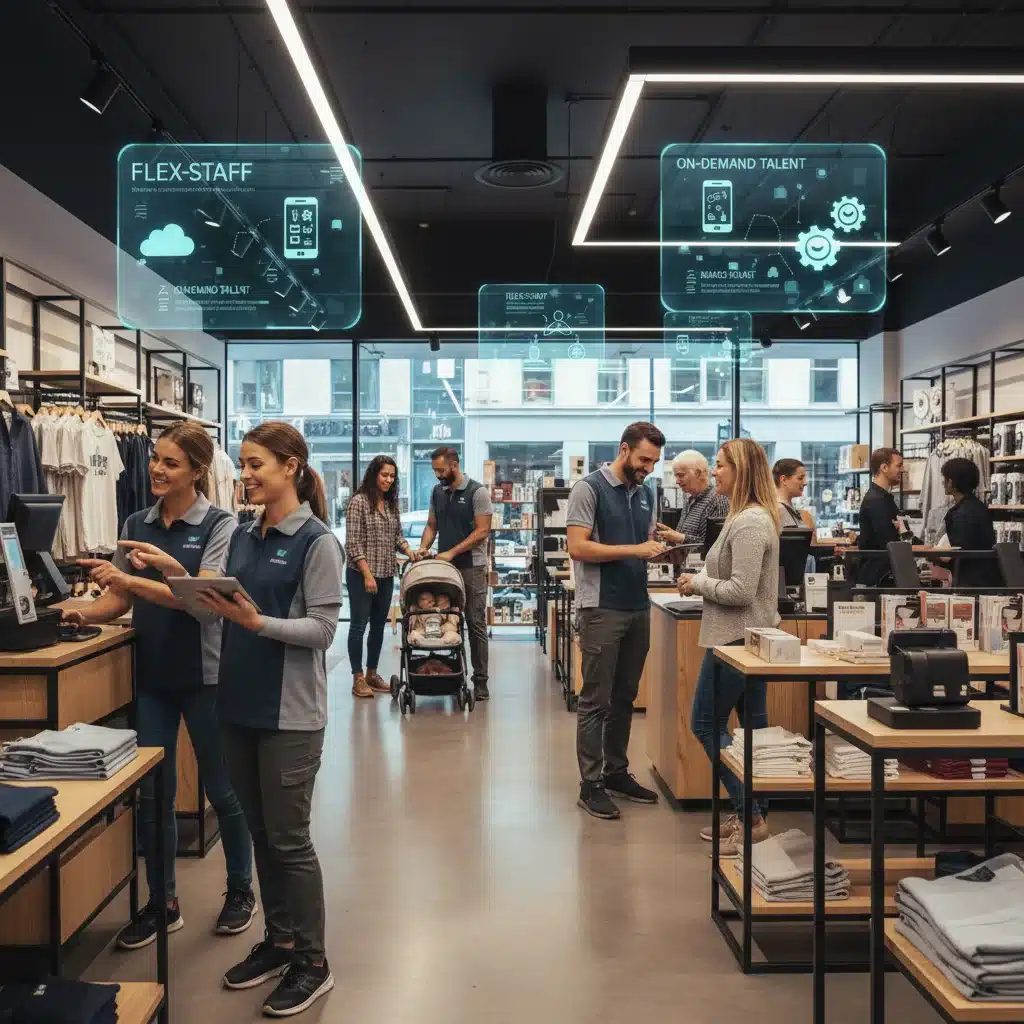
For US retail businesses, the appeal of the gig economy retail model is multi-faceted. It offers an unparalleled ability to scale operations up or down rapidly in response to real-time demand fluctuations. This agility is crucial in an industry where sales can spike during holidays, promotional events, or even due to unexpected viral trends. Instead of bearing the overhead costs associated with a large permanent workforce during lean periods, retailers can leverage gig workers to augment their teams precisely when and where needed.
Moreover, the gig economy provides access to a broader and more diverse talent pool. Individuals seeking flexible work arrangements, such as students, parents, or those looking for supplemental income, are often drawn to gig opportunities. This expands the available labor force beyond traditional full-time seekers, potentially bringing in specialized skills or a fresh perspective that might otherwise be difficult to acquire. The competitive advantage gained from this enhanced flexibility and talent access can be significant, allowing businesses to optimize their operational costs while simultaneously improving customer service and responsiveness.
Key Trends Shaping Retail Labor for Q3 2026
As we plan for Q3 2026, several key trends will continue to shape the gig economy retail landscape:
- Continued Digital Transformation: The acceleration of e-commerce and omnichannel retail means a sustained demand for workers who can manage online orders, handle logistics, and provide digital customer support. Gig workers are perfectly positioned to fill these roles, often operating remotely or as part of a distributed network.
- Demand for Hyper-Personalization and Expedited Delivery: Consumers expect faster delivery and more personalized shopping experiences. This fuels the need for flexible last-mile delivery services and in-store associates who can provide tailored assistance, roles often suited for gig workers.
- Labor Shortages and Wage Pressures: Many retail segments continue to face labor shortages, particularly in entry-level positions. The gig economy can help bridge these gaps by attracting workers who prefer flexible schedules over traditional employment. However, businesses must also contend with increasing wage expectations, making efficient labor utilization paramount.
- Focus on Employee Experience (Even for Gig Workers): As the gig economy matures, businesses are realizing the importance of treating gig workers as valuable contributors. Positive experiences can lead to higher retention, better performance, and a more reliable flexible workforce.
- Regulatory Scrutiny: Governments are increasingly examining the classification and treatment of gig workers. US businesses must stay abreast of evolving labor laws at both federal and state levels to ensure compliance and mitigate legal risks.
Benefits of Integrating Gig Workers into Retail Staffing
The strategic integration of gig workers offers numerous advantages for US retail businesses aiming for optimal Q3 2026 staffing:
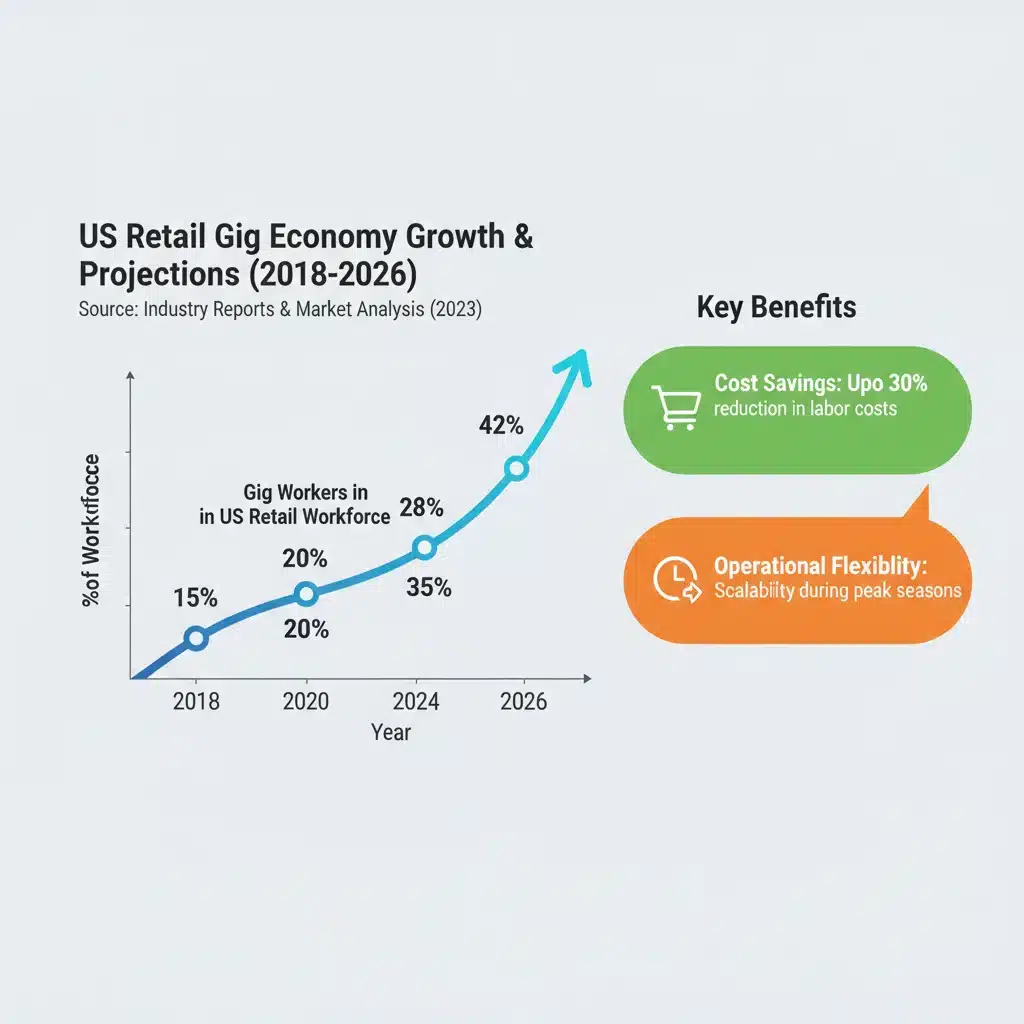
- Enhanced Flexibility and Scalability: This is arguably the most significant benefit. Retailers can quickly adjust staffing levels to match demand peaks and troughs, minimizing overstaffing during slow periods and preventing understaffing during busy times. This agility is crucial for managing seasonal rushes, holiday sales, and unexpected promotions.
- Cost Optimization: By reducing the need for full-time employees, businesses can save on costs associated with benefits, training, and recruitment. Gig workers are typically paid for tasks completed or hours worked, allowing for more precise budget allocation.
- Access to Specialized Skills: The gig economy provides a platform to tap into a diverse pool of talent, including individuals with specific skills in areas like merchandising, digital marketing, data entry, or even specialized customer service for niche products, without the long-term commitment of a full-time hire.
- Improved Customer Experience: With adequate staffing during peak hours, wait times can be reduced, and customer service can be enhanced. Flexible labor allows businesses to maintain high service standards even when demand surges, leading to greater customer satisfaction and loyalty.
- Reduced Administrative Burden: While some administrative aspects exist, many gig platforms handle payroll, taxes, and other HR functions, simplifying the process for businesses.
Challenges and Considerations for Q3 2026 Staffing
Despite the numerous benefits, integrating gig workers also presents several challenges that US retail businesses must proactively address:
- Worker Classification: The distinction between independent contractors and employees is a complex legal area. Misclassification can lead to significant penalties, back wages, and legal disputes. Businesses must be meticulously compliant with federal and state laws, such as those related to AB5 in California or similar regulations emerging elsewhere.
- Quality Control and Consistency: Maintaining consistent service quality can be challenging with a transient workforce. Ensuring gig workers are adequately trained and adhere to brand standards requires robust onboarding and performance management systems.
- Integration with Existing Teams: Seamlessly integrating gig workers with permanent staff can be difficult. Issues of team cohesion, communication, and potential resentment from full-time employees need to be managed carefully.
- Data Security and Confidentiality: Granting temporary access to systems and sensitive customer data to gig workers necessitates stringent security protocols and clear confidentiality agreements.
- Worker Availability and Reliability: While the gig economy offers flexibility, businesses might face challenges with worker availability during peak times or ensuring the reliability of individual gig workers.
- Brand Image and Company Culture: The perception of relying heavily on gig labor can impact brand image. Businesses need to ensure that their use of gig workers aligns with their values and doesn’t detract from the overall employee or customer experience.
Strategic Staffing Models for Q3 2026
To effectively leverage the gig economy retail for Q3 2026, US businesses should consider adopting hybrid staffing models:
- Core-Flex Model: Maintain a core team of full-time employees for essential, consistent operations and supplement with gig workers for fluctuating demands, specialized tasks, or peak periods. This provides stability while retaining agility.
- Task-Based Staffing: Break down larger roles into smaller, discrete tasks that can be efficiently completed by gig workers. This is particularly effective for inventory management, online order fulfillment, or specific customer service queries.
- Seasonal Gig Augmentation: Strategically plan for increased gig worker utilization during predictable seasonal surges (e.g., holiday shopping, back-to-school) to manage the influx of customers and orders without overcommitting to permanent staff.
- Special Project Teams: Assemble short-term project teams using gig workers for initiatives like store renovations, new product launches, or technology implementations, leveraging specialized skills for defined periods.
Technological Solutions for Gig Workforce Management
Effective management of a hybrid workforce, including gig workers, relies heavily on robust technological solutions. For Q3 2026, US retail businesses should prioritize tools that facilitate:
- Workforce Management (WFM) Software: Platforms that can forecast demand, schedule both permanent and gig workers, track hours, and manage payroll efficiently. Advanced WFM systems can integrate with gig platforms to streamline operations.
- Gig Platform Integrations: Utilizing dedicated gig platforms (e.g., Instacart for grocery, DoorDash for delivery, or specialized retail staffing platforms) that can seamlessly integrate with internal systems for order management, inventory, and customer service.
- Communication and Collaboration Tools: Ensuring effective communication between permanent staff and gig workers is crucial. Tools like Slack, Microsoft Teams, or specialized internal communication apps can foster collaboration and information sharing.
- Training and Onboarding Platforms: Digital learning management systems (LMS) can provide standardized, on-demand training modules for gig workers, ensuring consistency in service and adherence to brand guidelines without extensive in-person training.
- Performance Tracking and Feedback Systems: Implementing systems to monitor gig worker performance, gather feedback, and provide ratings helps in maintaining quality and identifying reliable workers for future engagements.
Legal and Regulatory Compliance in the Gig Economy Retail Space
Navigating the legal complexities of the gig economy retail is paramount. US businesses must be acutely aware of worker classification laws, which vary significantly by state and can evolve rapidly. Key considerations for Q3 2026 include:
- Independent Contractor vs. Employee: The IRS and various state labor departments have specific criteria to determine if a worker is an independent contractor or an employee. Factors include the degree of control the business has over the worker, how the worker is paid, and the permanency of the relationship. Misclassification can lead to significant financial penalties, including unpaid taxes, overtime, and benefits.
- State-Specific Laws (e.g., AB5 in California): California’s AB5 law, which codified the "ABC test" for worker classification, has had a profound impact on the gig economy. While Proposition 22 created some exemptions for app-based transportation and delivery companies, other retail sectors remain subject to strict interpretation. Businesses operating in or planning expansion into states with similar laws must consult legal counsel.
- Wage and Hour Laws: If gig workers are deemed employees, they are subject to minimum wage, overtime, and other wage and hour protections under the Fair Labor Standards Act (FLSA) and state laws.
- Non-Disclosure and Non-Compete Agreements: Ensure that appropriate legal agreements are in place to protect proprietary information and business interests when engaging gig workers.
- Insurance and Liability: Clarify insurance coverage for gig workers, including general liability, workers’ compensation (if applicable), and auto insurance for delivery roles.
Proactive engagement with legal experts specializing in labor law is essential to ensure compliance and mitigate risks associated with leveraging the gig economy for retail staffing.

Best Practices for Managing a Hybrid Workforce
Successfully integrating gig workers requires more than just legal compliance and technological solutions. It demands a strategic approach to people management:
- Clear Communication and Expectations: Establish clear job descriptions, performance metrics, and communication channels for gig workers. Ensure they understand their roles, responsibilities, and how their contributions fit into the broader business objectives.
- Standardized Onboarding and Training: Develop efficient, scalable onboarding processes that quickly bring gig workers up to speed on company policies, brand standards, and specific task requirements. Utilize digital training modules and clear, concise instructions.
- Fair Compensation and Timely Payments: Competitive pay and prompt payments are crucial for attracting and retaining high-quality gig talent. Transparent payment structures build trust and encourage repeat engagement.
- Feedback Mechanisms: Implement systems for both giving and receiving feedback. Regular performance reviews (even informal ones) help gig workers improve, and their feedback can offer valuable insights into operational efficiencies.
- Foster a Sense of Inclusion (Where Appropriate): While gig workers are not employees, fostering a positive working relationship can improve their engagement and commitment. Consider informal recognition or appreciation for consistent, high-quality work.
- Data-Driven Decision Making: Use data analytics from WFM systems and gig platforms to identify patterns in demand, worker performance, and efficiency. This data can inform future staffing decisions and operational adjustments for Q3 2026 and beyond.
- Invest in Your Core Team: Ensure that your permanent employees feel valued and supported. Address any concerns they may have about working alongside gig workers and highlight the benefits of a flexible workforce for the entire team.
Forecasting Retail Labor Needs for Q3 2026
Accurate forecasting is the bedrock of effective staffing, especially when incorporating flexible labor. For Q3 2026, US retail businesses should:
- Analyze Historical Data: Review sales data, customer traffic patterns, and labor utilization from previous Q3 periods. Identify seasonal trends, promotional impacts, and any recurring fluctuations.
- Consider Macroeconomic Factors: Account for broader economic indicators such as inflation, consumer spending forecasts, unemployment rates, and disposable income trends, which can influence both demand and labor availability.
- Evaluate Industry-Specific Trends: Stay informed about retail-specific trends, including the growth of certain product categories, shifts in shopping channels (online vs. in-store), and competitor strategies.
- Leverage Predictive Analytics: Utilize advanced analytics and AI-powered tools to process vast amounts of data and generate more accurate demand forecasts, which can then be translated into precise staffing requirements.
- Scenario Planning: Develop multiple staffing scenarios based on different demand levels (e.g., optimistic, realistic, pessimistic) to build resilience and prepare for various outcomes.
The Future of Retail Labor: Beyond Q3 2026
The gig economy retail is not a static concept; it is continually evolving. Beyond Q3 2026, we can anticipate further integration of AI and automation into retail operations, which will likely redefine the roles of both permanent and gig workers. Tasks that are repetitive or data-driven may be automated, while human workers (both full-time and gig) will focus on roles requiring empathy, complex problem-solving, and personalized customer interaction.
The regulatory environment will also continue to mature, potentially leading to more standardized frameworks for gig worker classification and protections. Proactive businesses will not only comply with these changes but will actively seek to shape them through industry advocacy and by demonstrating best practices in worker engagement.
Ultimately, the most successful US retail businesses in the coming years will be those that view their workforce as a dynamic ecosystem, capable of adapting to rapid change. Embracing the gig economy as a strategic component of this ecosystem, rather than a temporary fix, will be key to long-term success, profitability, and customer satisfaction.
Conclusion
The gig economy has fundamentally reshaped the retail labor landscape, presenting both unprecedented opportunities and significant challenges for US businesses. As we approach Q3 2026, a strategic and informed approach to integrating gig workers into staffing models is no longer an advantage but a necessity. By understanding the benefits of flexibility and cost optimization, proactively addressing legal and operational complexities, and leveraging technological solutions, retailers can build a resilient, agile, and cost-effective workforce.
The future of retail demands a workforce that can adapt to rapid shifts in consumer demand and market conditions. By embracing the gig economy with a well-thought-out strategy, US businesses can ensure they are well-positioned to thrive, delivering exceptional customer experiences while optimizing operational efficiency. The time to plan and implement these crucial staffing strategies is now, securing a competitive edge for Q3 2026 and beyond.