
Subscription Box Models: A 7-Step Guide to Launching a Profitable Retail Service by Mid-2026
The subscription box market has exploded in recent years, transforming the retail landscape and offering entrepreneurs a unique opportunity to build recurring revenue streams. From gourmet snacks to curated beauty products, pet supplies to craft kits, there’s a subscription box for almost every interest imaginable. If you’ve been contemplating diving into this dynamic industry, now is an opportune time. This comprehensive 7-step guide will walk you through everything you need to know to successfully launch a subscription box service, aiming for profitability by mid-2026. We’ll cover essential strategies, from validating your niche to optimizing your fulfillment process, ensuring you build a sustainable and thriving business.
Understanding the Subscription Box Phenomenon
Before we delve into the practical steps to launch a subscription box, it’s crucial to understand why these models have become so popular. For consumers, subscription boxes offer convenience, discovery, and a sense of anticipation. They provide a curated experience, often introducing new products or delivering essentials directly to their doorsteps. For businesses, they offer predictable recurring revenue, foster strong customer loyalty, and provide valuable data insights into consumer preferences. The recurring nature of payments makes financial planning easier and allows for more aggressive scaling strategies once a solid foundation is established.
The market is diverse, broadly categorized into three main types:
- Curation Boxes: These boxes focus on discovery, offering a selection of new or themed products. Examples include beauty boxes, snack boxes, or craft kits. The element of surprise and novelty is a key selling point.
- Replenishment Boxes: Designed for convenience, these boxes deliver essential products on a regular schedule. Think razors, coffee, pet food, or household supplies. The value here is saving customers time and ensuring they never run out of necessities.
- Access Boxes: These models provide exclusive access to products, services, or communities. While less common as pure physical box models, they often blend with curation, offering early access to new releases or members-only items.
Your journey to launch a subscription box will involve choosing which of these models, or a hybrid, best suits your vision and target audience. The key is to identify a gap in the market and offer a unique value proposition that resonates with your ideal customer.
Step 1: Niche Selection and Market Research – Finding Your Sweet Spot
The very first and arguably most critical step in how to launch a subscription box is defining your niche. The market is competitive, so generic offerings rarely succeed. You need to identify a specific audience with unmet needs or a passion that can be consistently served through a subscription model. Ask yourself:
- What are my passions or areas of expertise?
- What problems can I solve for a specific group of people?
- Is there a community around this interest that I can tap into?
- What are existing subscription boxes doing well, and where are their weaknesses?
Once you have a few ideas, conduct thorough market research. This involves:
- Competitor Analysis: Study existing subscription boxes in your potential niche. What are their price points, product offerings, marketing strategies, and customer reviews? Identify gaps they aren’t filling or areas where you can offer superior value.
- Target Audience Identification: Who is your ideal customer? Create detailed buyer personas, including demographics (age, income, location), psychographics (interests, values, lifestyle), and pain points. Where do they hang out online? What are their spending habits?
- Demand Validation: Use tools like Google Trends, social media listening, and online forums (Reddit, Facebook groups) to gauge interest in your niche. Are people actively searching for products or solutions related to your idea? Conduct surveys or informal interviews with potential customers to gather direct feedback.
- Product Sourcing Feasibility: Can you reliably source high-quality products for your chosen niche at a cost that allows for profitability? This ties into your overall business model and financial projections.
A well-defined niche with validated demand is the cornerstone of a successful subscription box business. Without it, even the best products or marketing efforts will struggle to gain traction.
Step 2: Product Sourcing and Curation – The Heart of Your Box
After solidifying your niche, the next step in your journey to launch a subscription box is to meticulously plan your product sourcing and curation. The quality and appeal of the items inside your box will directly impact customer satisfaction and retention. This isn’t just about finding products; it’s about creating an experience.
Sourcing Strategies:
- Wholesale Suppliers: This is a common approach. Look for wholesalers specializing in your niche. Attending trade shows can be incredibly beneficial for discovering new products and negotiating favorable terms.
- Direct from Makers/Artisans: If your niche is craft-focused or emphasizes unique, handmade items, partnering directly with independent makers can differentiate your box. This often requires more direct communication and relationship building.
- Private Labeling: Consider creating your own branded products. This offers maximum control over quality and branding but requires a larger upfront investment and manufacturing expertise.
- Dropshipping (Less Common for Subscriptions): While dropshipping is popular in general e-commerce, it’s less ideal for subscription boxes due to the need for consistent product availability and branding control. However, some models might incorporate it for specific add-on items.
Curation Best Practices:
- Theme Consistency: Each box should have a clear, cohesive theme. This enhances the unboxing experience and makes the contents feel thoughtfully selected.
- Value Perception: Customers need to feel they are getting more value than what they paid for. This doesn’t always mean a higher monetary value, but a higher perceived value through unique items, convenience, or exclusivity.
- Variety and Discovery: Especially for curation boxes, offer a mix of familiar favorites and exciting new discoveries. Avoid sending the exact same types of products repeatedly.
- Quality Over Quantity: It’s better to have fewer, high-quality items than many cheap, low-quality ones. This builds trust and encourages repeat subscriptions.
- Packaging Integration: The products should fit well within your chosen packaging, both aesthetically and practically.
Building strong relationships with your suppliers is paramount. Negotiate favorable pricing, minimum order quantities (MOQs), and consistent delivery schedules. Remember, every item in your box reflects on your brand when you launch a subscription box.
Step 3: Pricing Strategy and Financial Modeling – Ensuring Profitability
A robust pricing strategy is essential for profitability and sustainability. When you launch a subscription box, you need to balance perceived customer value with your operational costs and desired profit margins. This involves more than just calculating product costs.
Key Financial Considerations:
- Cost of Goods Sold (COGS): This includes the direct cost of all products in your box, plus any packaging materials (box, tissue paper, filler).
- Shipping Costs: Often a significant expense. Research various carriers, negotiate rates, and consider different shipping zones.
- Marketing and Acquisition Costs (CAC): How much does it cost you to acquire a new subscriber? This is crucial for understanding the long-term viability of your business.
- Operating Expenses: Website hosting, subscription management software, payment processing fees, labor, rent (if applicable), insurance, and other overheads.
- Customer Lifetime Value (LTV): How much revenue do you expect to generate from a typical subscriber over their entire subscription period? This helps justify your CAC.
- Churn Rate: The percentage of subscribers who cancel their subscription over a given period. A lower churn rate means higher LTV.
Pricing Models:
- Flat-Rate Pricing: A single price for all boxes, regardless of content variations. Simple for customers and management.
- Tiered Pricing: Offer different levels of subscriptions (e.g., basic, premium) with varying product quantities or exclusivity.
- Per-Item Pricing: Less common for curated boxes, more for replenishment where customers customize their order.
Perform detailed financial modeling. Create a spreadsheet that projects your costs, revenue, and profit margins for different subscription tiers and volume scenarios. Don’t forget to account for potential discounts for longer-term subscriptions (e.g., 3-month or 6-month plans). Your goal is to find a price point that customers are willing to pay, that covers your costs, and that generates a healthy profit margin to ensure you can successfully launch a subscription box and sustain it.
Step 4: Platform Selection and Website Development – Your Digital Storefront
To effectively launch a subscription box, you need a robust e-commerce platform that can handle recurring billing, inventory management, and customer relations. While general e-commerce platforms can work, specialized subscription platforms offer distinct advantages.
Key Platform Features to Look For:
- Recurring Billing: This is non-negotiable. The platform must be able to automatically charge customers on a set schedule.
- Subscription Management: Allow customers to easily manage their subscriptions (pause, skip, cancel, update payment info) without needing to contact support.
- Inventory Management: Track product levels, especially if you have limited edition items or multiple box variations.
- Customer Relationship Management (CRM): Tools to manage customer data, communication, and support.
- Analytics and Reporting: Provide insights into sales, churn rates, customer demographics, and product performance.
- Integrations: Compatibility with shipping software, email marketing tools, accounting software, and other third-party services.
- Scalability: Can the platform grow with your business as you acquire more subscribers?
Popular Platforms for Subscription Boxes:
- Shopify with a Subscription App (e.g., Recharge, Bold Subscriptions): A very popular combination, offering flexibility and a vast app ecosystem. Shopify is user-friendly for setting up your main store.
- Cratejoy: A platform specifically designed for subscription boxes, offering a marketplace component that can help with initial discovery. It handles all the subscription logic natively.
- WooCommerce with Subscription Plugins: For WordPress users, WooCommerce combined with a robust subscription plugin can be a powerful and customizable solution.
Your website needs to be visually appealing, user-friendly, and clearly communicate your value proposition. High-quality product photography, compelling descriptions, and a straightforward checkout process are crucial for converting visitors into subscribers. Ensure your website is mobile-responsive, as many customers will browse and purchase on their phones.
Step 5: Fulfillment and Logistics – Delivering the Experience
The operational backbone of your subscription box business lies in efficient fulfillment and logistics. This covers everything from receiving products to getting the box into your customer’s hands. A smooth process is vital for customer satisfaction when you launch a subscription box.
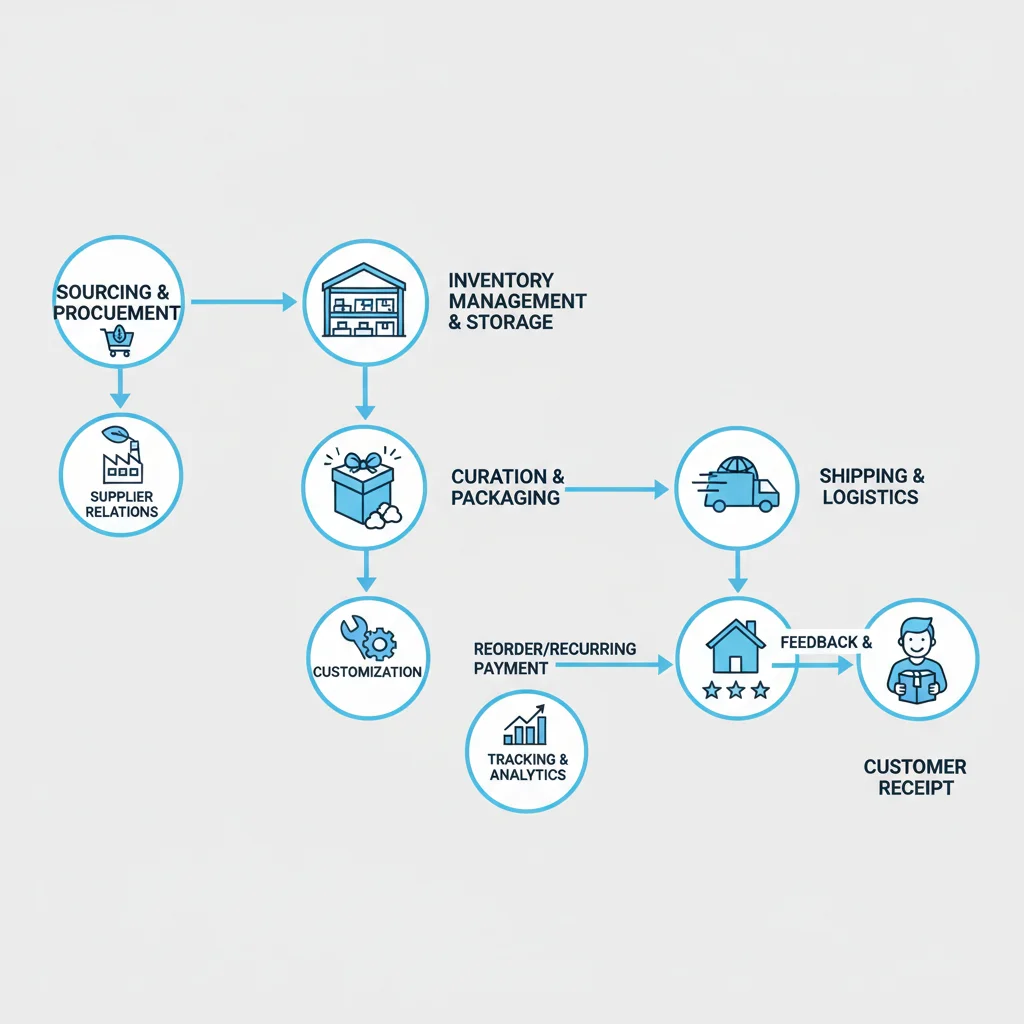
Key Fulfillment Components:
- Inventory Management: Keep accurate track of all your products. This prevents overselling and ensures you have enough stock for each shipping cycle. Implement a system, whether manual spreadsheets or integrated software, to monitor stock levels.
- Packaging: Your packaging is a crucial part of the unboxing experience. Design custom boxes, use branded tissue paper, and include small inserts (e.g., welcome letters, product cards, discount codes). Ensure packaging protects the products during transit.
- Assembly: This is where you put the boxes together. Depending on your volume, you might do this yourself, hire temporary staff, or outsource to a fulfillment center. Develop an efficient assembly line process to minimize errors and maximize speed.
- Shipping: Choose reliable shipping carriers that offer competitive rates and tracking capabilities. Consider flat-rate shipping, calculated shipping, or offering free shipping (factoring the cost into your pricing). International shipping adds complexity with customs and duties.
- Returns and Exchanges: While less common for subscription boxes (especially curated ones), have a clear policy in place for damaged goods or customer issues.
In-House vs. Outsourced Fulfillment:
- In-House: You manage everything yourself. This gives you maximum control over quality and branding but can be time-consuming and resource-intensive as you scale. Ideal for startups with lower volumes.
- Third-Party Logistics (3PL) / Fulfillment Centers: These companies store your inventory, pack your boxes, and handle shipping. They can save you time, space, and often offer better shipping rates. However, they come with a cost and require careful selection to ensure their services align with your brand’s quality standards. As you scale, outsourcing becomes increasingly attractive.
Regardless of your chosen method, clear processes, quality control checks, and robust tracking systems are essential for smooth operations and satisfied customers. A well-executed fulfillment strategy ensures that the exciting anticipation your marketing builds is met with a delightful and timely delivery when you launch a subscription box.
Step 6: Marketing and Customer Acquisition – Getting the Word Out
Even the most perfectly curated box won’t succeed if no one knows about it. Effective marketing is paramount when you launch a subscription box. Your strategy should focus on reaching your target audience, converting them into subscribers, and then retaining them.
Pre-Launch Strategies:
- Build an Email List: Start collecting emails long before your launch. Offer a discount, exclusive content, or early access in exchange for sign-ups.
- Social Media Teasers: Create anticipation by sharing behind-the-scenes content, product sneak peeks, and countdowns on platforms where your target audience is active.
- Influencer Outreach: Partner with micro-influencers in your niche for reviews or giveaways.
- Landing Page: Set up a simple landing page explaining your concept and capturing emails.
Launch and Post-Launch Marketing:
- Content Marketing: Create blog posts, videos, and social media content related to your niche. This establishes you as an authority and drives organic traffic.
- Social Media Advertising: Utilize targeted ads on platforms like Facebook, Instagram, and Pinterest to reach your buyer personas.
- Search Engine Optimization (SEO): Optimize your website and content for relevant keywords (like ‘launch a subscription box‘, ‘best [niche] box’, etc.) to improve organic search rankings.
- Paid Search (PPC): Consider Google Ads to capture users actively searching for subscription box options.
- Public Relations (PR): Reach out to relevant bloggers, journalists, and media outlets for features and reviews.
- Referral Programs: Encourage existing subscribers to refer friends by offering discounts or free products.
- Partnerships: Collaborate with complementary businesses for cross-promotion.
- Email Marketing: Essential for nurturing leads, announcing new boxes, and re-engaging churned subscribers.
Focus on your unique selling proposition (USP) in all your marketing efforts. What makes your box different and better than the competition? Highlight the value, convenience, and excitement your subscription offers. Continuously monitor your marketing analytics to optimize your campaigns and reduce your customer acquisition cost (CAC).
Step 7: Customer Retention and Iteration – Sustaining Growth
Acquiring new customers is expensive; retaining existing ones is far more profitable. Customer retention is the bedrock of a successful subscription box business. Once you launch a subscription box, your work shifts towards keeping your subscribers happy and engaged.
Strategies for High Retention:
- Exceptional Customer Service: Be responsive, empathetic, and proactive. Address issues quickly and efficiently.
- Consistent Quality: Never compromise on the quality of your products or the overall unboxing experience.
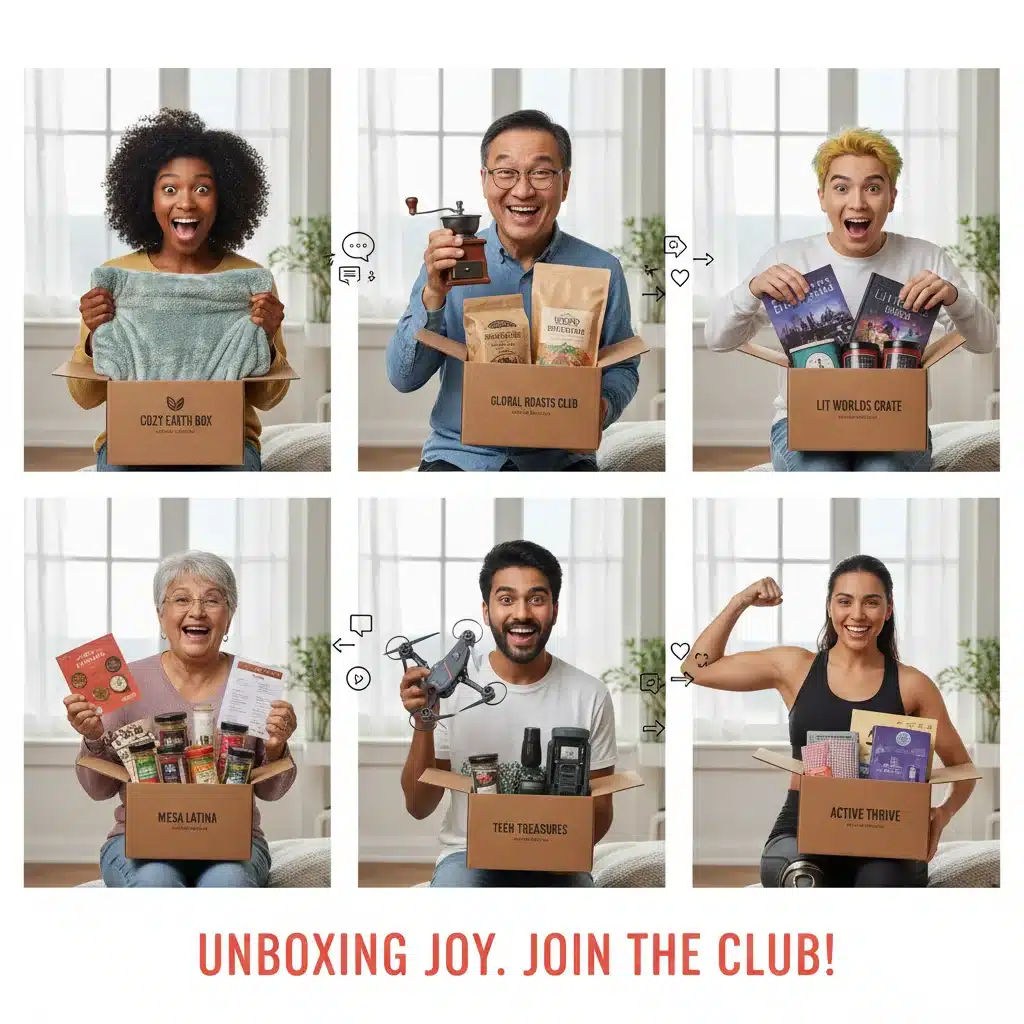
- Surprise and Delight: Occasionally include a bonus item, a handwritten note, or a personalized touch to make subscribers feel valued.
- Community Building: Create a sense of community around your brand. This could be a private Facebook group, forums, or interactive content.
- Feedback Mechanisms: Actively solicit feedback from your subscribers through surveys, social media polls, and direct communication. Use this feedback to improve your offerings.
- Win-Back Campaigns: Have strategies in place to re-engage subscribers who cancel. Offer incentives or address their stated reasons for leaving.
- Loyalty Programs: Reward long-term subscribers with exclusive perks, discounts, or early access to new products.
Iterate and Evolve:
The market is constantly changing, and so should your subscription box. Use customer feedback, sales data, and market trends to continuously iterate and improve your product. Introduce new themes, experiment with different product types, or refine your packaging. Don’t be afraid to pivot if something isn’t working.
Monitor key metrics like churn rate, customer lifetime value (LTV), and average order value (AOV) closely. These metrics will tell you how well your retention strategies are performing and where there are opportunities for improvement. The goal is to create a dynamic and evolving experience that keeps customers excited month after month, ensuring the long-term success of your decision to launch a subscription box.
Conclusion: Your Path to a Profitable Subscription Box by Mid-2026
Launching a subscription box business is an exciting venture that combines product curation, e-commerce, and community building. By following these seven comprehensive steps – from meticulous niche selection and product sourcing to strategic marketing and unwavering customer retention – you can lay a strong foundation for success. The journey to launch a subscription box is challenging but incredibly rewarding, offering the potential for predictable revenue and a loyal customer base.
Remember, success isn’t just about the products in the box; it’s about the entire experience you deliver. Focus on creating value, fostering connections, and consistently exceeding customer expectations. With careful planning, persistent effort, and a commitment to continuous improvement, you’ll be well on your way to building a profitable subscription box service by mid-2026 and carving out your unique space in the thriving subscription economy.