Master Marketing Automation: 5 Key Platform Updates for 2026 Success
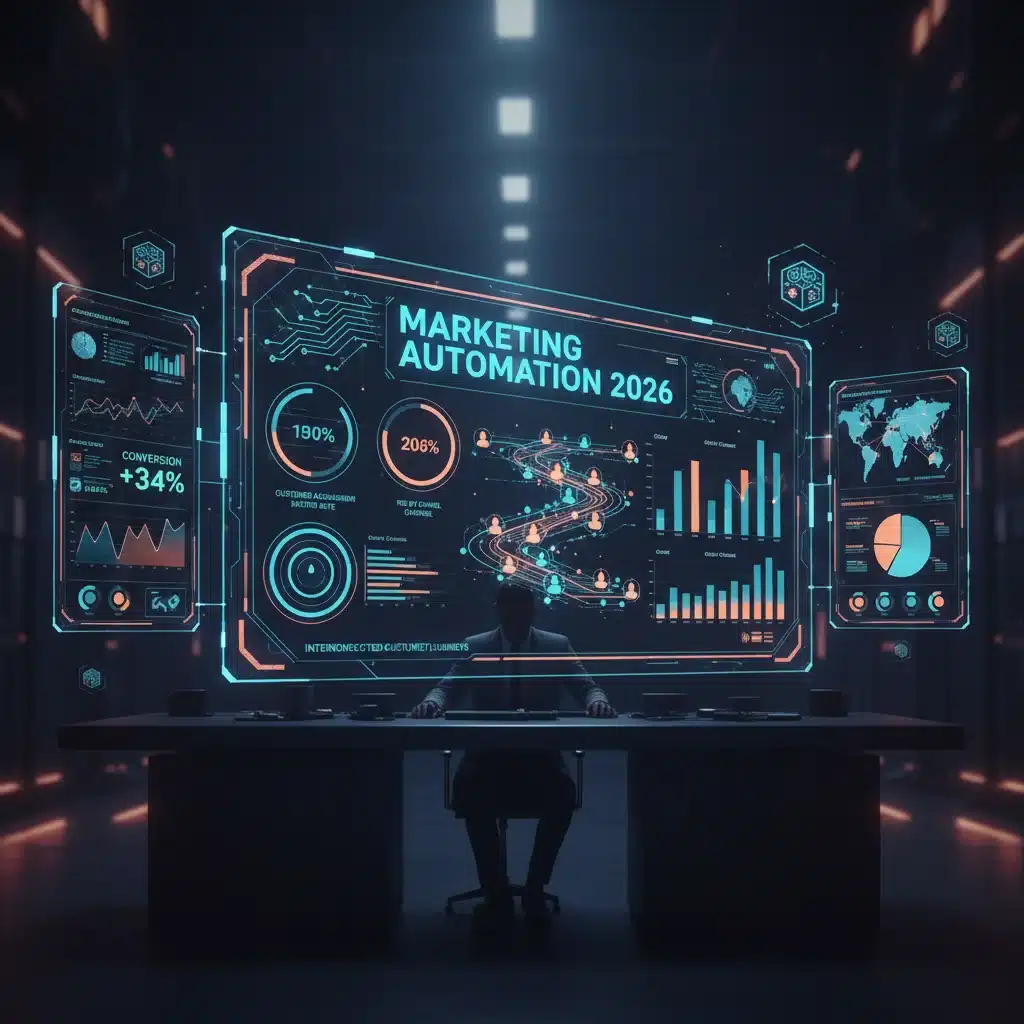
In the rapidly evolving landscape of digital marketing, staying ahead means continuously adapting to new technologies and strategies. As we look towards 2026, the realm of marketing automation updates is undergoing a transformative shift, promising unprecedented levels of efficiency, personalization, and ROI. Businesses that embrace these advancements will not only optimize their operations but also forge deeper, more meaningful connections with their audiences. The future of marketing is intelligent, integrated, and intensely focused on the customer.
The core of successful modern marketing lies in its ability to automate repetitive tasks while simultaneously enhancing the customer experience. This dual objective is at the heart of the latest marketing automation updates. Gone are the days of one-size-fits-all campaigns; today’s consumers expect bespoke interactions that anticipate their needs and preferences. The platforms that power these interactions are becoming more sophisticated, leveraging artificial intelligence, machine learning, and advanced data analytics to deliver truly remarkable results. Understanding these updates is not just about keeping pace; it’s about setting the pace.
This comprehensive guide will delve into five pivotal marketing automation updates that are set to redefine how marketers operate in 2026. From hyper-intelligent AI capabilities to seamless omnichannel integration and robust predictive analytics, each update offers a unique opportunity to elevate your marketing strategy. Prepare to explore how these innovations can help you maximize your platform’s potential, drive engagement, and ultimately, achieve your business objectives.
The Dawn of Hyper-Intelligent AI for Personalized Journeys
Artificial Intelligence (AI) has been a buzzword in marketing for years, but its application in marketing automation updates for 2026 is moving beyond basic chatbots and recommendation engines. We are now entering an era of hyper-intelligent AI that can truly understand individual customer behaviors, preferences, and even emotional states to craft dynamic, personalized journeys in real-time. This isn’t just about segmenting audiences; it’s about treating each customer as an individual with unique needs and guiding them through a tailored experience that feels intuitive and highly relevant.
Predictive Personalization at Scale
One of the most significant advancements in marketing automation updates is the ability of AI to predict future customer actions with remarkable accuracy. By analyzing vast datasets—including browsing history, purchase patterns, social media interactions, and even sentiment analysis—AI algorithms can forecast what a customer is likely to do next. This allows marketers to proactively deliver the right message, through the right channel, at precisely the right moment. Imagine an AI identifying a customer showing signs of churn and automatically triggering a personalized retention campaign with a compelling offer, or detecting an upsell opportunity based on recent product usage and suggesting a complementary service. This level of predictive personalization moves marketing from reactive to proactive, significantly boosting conversion rates and customer loyalty.
Dynamic Content Optimization
Another facet of hyper-intelligent AI is its capacity for dynamic content optimization. Instead of manually creating multiple versions of an email or landing page, AI-powered platforms can now generate and optimize content variations on the fly, based on individual user profiles and real-time engagement data. This includes everything from headline variations and image choices to calls-to-action and layout adjustments. The AI continuously learns which content elements resonate most with specific audience segments, iteratively refining its approach to maximize engagement and conversions. This reduces the manual effort involved in A/B testing and ensures that every customer sees the most effective version of your message, a truly revolutionary step in marketing automation updates.
Conversational AI and Natural Language Processing (NLP) Enhancements
The integration of advanced conversational AI and Natural Language Processing (NLP) is also transforming customer interactions. Chatbots are becoming more sophisticated, capable of understanding complex queries, providing nuanced responses, and even performing actions like scheduling appointments or processing orders without human intervention. These AI-driven conversations can be seamlessly integrated into marketing automation workflows, enriching customer profiles with valuable insights and ensuring a consistent brand voice across all touchpoints. This enhancement allows for 24/7 support and engagement, freeing up human agents for more complex tasks and providing an always-on resource for customers, marking a critical evolution in marketing automation updates.
Seamless Omnichannel Orchestration and Attribution
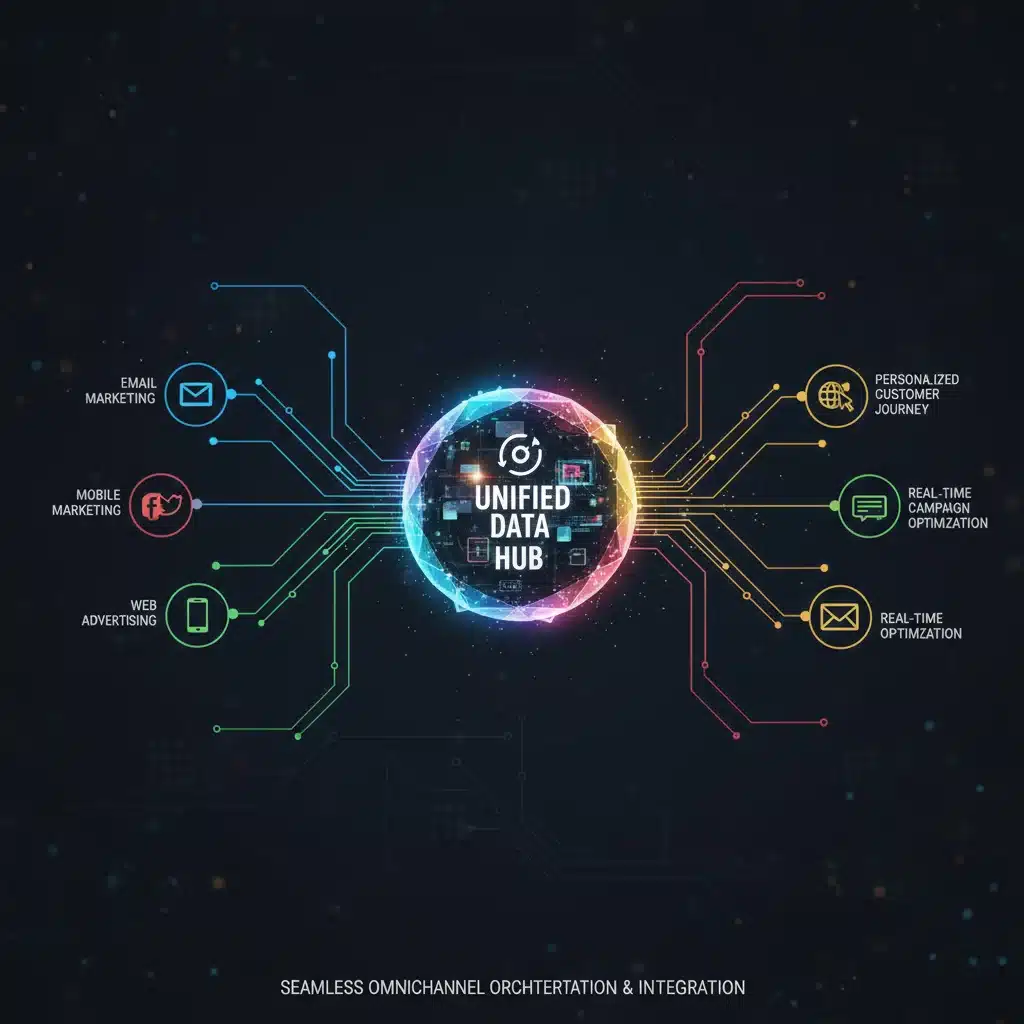
The modern customer journey is rarely linear. It spans multiple devices, platforms, and channels—from email and social media to mobile apps, websites, and even offline interactions. Effective marketing in 2026 demands seamless omnichannel orchestration, and this is where significant marketing automation updates are making a profound impact. The goal is to create a cohesive, consistent, and continuous brand experience regardless of how or where a customer chooses to interact.
Unified Customer Profiles Across All Channels
Central to effective omnichannel orchestration is the development of truly unified customer profiles. The latest marketing automation updates are enabling platforms to consolidate data from every touchpoint into a single, comprehensive view of the customer. This means that whether a customer opens an email, clicks on a social ad, visits your website, or interacts with a chatbot, all that information is instantly accessible and contributes to their evolving profile. This unified view eliminates data silos, prevents redundant communications, and allows marketers to understand the full context of every customer interaction, leading to more relevant and timely engagements.
Intelligent Journey Mapping and Triggering
With a unified customer profile, marketing automation updates now empower marketers to design highly intelligent and dynamic customer journeys that span multiple channels. Instead of simple, linear workflows, platforms can now react to real-time customer behavior across any channel and trigger appropriate follow-up actions. For example, if a customer abandons a shopping cart on their desktop, the system might send a push notification to their mobile device, followed by a personalized email with a discount code a few hours later. The ability to orchestrate these complex, multi-channel sequences automatically ensures that customers receive the right message at the right time, on their preferred channel, significantly enhancing engagement and conversion rates.

Advanced Omnichannel Attribution Models
Understanding which marketing efforts contribute to conversions across a fragmented customer journey has always been a challenge. However, marketing automation updates for 2026 are bringing sophisticated omnichannel attribution models to the forefront. These models move beyond simplistic last-click or first-click attribution, using AI and machine learning to analyze the entire customer journey and assign appropriate credit to each touchpoint. This provides marketers with a much clearer picture of their ROI across different channels and campaigns, allowing for more informed budget allocation and optimization decisions. Knowing the true impact of each interaction is invaluable for maximizing marketing effectiveness.
Enhanced Predictive Analytics and Performance Forecasting
Data is the lifeblood of modern marketing, but raw data alone is not enough. The true power lies in extracting actionable insights and predicting future outcomes. The latest marketing automation updates are significantly enhancing predictive analytics capabilities, transforming how marketers understand past performance and forecast future trends. This shift from descriptive to predictive analytics empowers businesses to make data-driven decisions that are both strategic and proactive.
Advanced Customer Lifetime Value (CLV) Prediction
One of the most valuable applications of enhanced predictive analytics is the more accurate forecasting of Customer Lifetime Value (CLV). By analyzing historical purchase data, engagement patterns, and demographic information, AI-powered marketing automation updates can now predict the potential revenue a customer will generate over their entire relationship with your brand. This insight is crucial for segmenting customers, tailoring retention strategies, and optimizing acquisition costs. Knowing which customers are likely to be high-value allows marketers to invest their resources more effectively, nurturing those relationships for maximum long-term profitability.
Campaign Performance Forecasting and Optimization
Imagine being able to predict the success of a marketing campaign before it even launches. With the new marketing automation updates, this is becoming a reality. Predictive analytics models can simulate various campaign scenarios, estimate potential outcomes (e.g., open rates, click-through rates, conversion rates), and identify potential roadblocks. This allows marketers to optimize campaign elements—such as messaging, timing, and audience targeting—before committing resources, significantly reducing risk and improving the likelihood of success. Post-launch, these systems continue to monitor performance in real-time, providing alerts and suggesting adjustments to maximize ROI.
Churn Prediction and Proactive Intervention
Customer churn is a persistent challenge for many businesses. However, marketing automation updates equipped with advanced predictive analytics can now identify customers at high risk of churning before they actually leave. By analyzing subtle changes in behavior—such as decreased engagement, reduced purchase frequency, or negative sentiment—the system can flag these customers and automatically trigger personalized re-engagement or retention campaigns. This proactive approach to churn prevention is far more effective and cost-efficient than trying to win back customers after they’ve already departed, solidifying the importance of these updates.
Deeper CRM and Sales Integration for Unified Operations
The traditional silos between marketing and sales departments have long been a bottleneck for many organizations. However, the latest marketing automation updates are aggressively pushing towards deeper, more seamless integration with CRM (Customer Relationship Management) and sales platforms. This convergence creates a unified operational ecosystem where marketing and sales teams work in perfect harmony, sharing insights and collaborating to move leads through the funnel more efficiently.
Real-time Data Synchronization and Lead Handoff
A cornerstone of these integration improvements is real-time data synchronization. As leads progress through the marketing automation funnel, every interaction, score, and piece of demographic information is instantly updated in the CRM system. This means sales teams always have access to the most current and comprehensive view of a lead, allowing them to tailor their outreach and conversations effectively. Automated lead scoring, a key feature in marketing automation updates, ensures that sales reps only receive truly qualified leads, preventing wasted time and improving conversion rates. The seamless handoff between marketing nurturing and sales engagement becomes a fluid, continuous process.
Shared Analytics and Reporting Dashboards
With integrated platforms, marketing and sales can now share common analytics and reporting dashboards. This eliminates discrepancies in data and provides a single source of truth for performance metrics. Both teams can see the full customer journey, from initial touchpoint to closed deal, understanding the impact of each stage. This shared visibility fosters greater accountability, facilitates cross-functional collaboration, and allows for joint optimization efforts. For example, marketing can see which types of leads convert best for sales, and sales can provide feedback on the quality of leads generated by specific campaigns, leading to continuous improvement in marketing automation updates.
Personalized Sales Enablement Content
The integration also extends to sales enablement. Marketing automation platforms can now automatically suggest relevant content (e.g., case studies, whitepapers, testimonials) to sales reps based on the specific lead they are engaging with. This ensures that sales teams are equipped with the most pertinent information to address a lead’s pain points and answer their questions effectively. This intelligent content recommendation, driven by the insights gathered through marketing automation updates, empowers sales to have more impactful conversations and close deals faster.
Advanced Compliance and Data Privacy Features
In an era of increasing data privacy regulations (like GDPR, CCPA, and others globally), ensuring compliance is not just a legal necessity but a critical component of building customer trust. The latest marketing automation updates are placing a strong emphasis on robust compliance and data privacy features, offering marketers the tools they need to navigate this complex landscape effectively.
Granular Consent Management
Modern marketing automation platforms are now equipped with highly granular consent management tools. These allow businesses to capture, record, and manage customer consent preferences for different types of communication and data usage. Customers can easily opt-in or opt-out of specific marketing activities, and their preferences are automatically respected across all channels. This level of control not only ensures compliance but also builds trust by empowering customers to manage their own data, which is a significant aspect of responsible marketing automation updates.
Automated Data Governance and Anonymization
To further aid compliance, new marketing automation updates include features for automated data governance. This involves tools for data retention policies, automatic anonymization or deletion of data after a specified period, and robust data security protocols. Platforms are designed to help organizations maintain data hygiene and reduce the risk associated with storing sensitive customer information. These automated processes reduce the manual burden on marketers and IT teams, ensuring that data handling practices are consistently compliant with evolving regulations.
Transparency and Audit Trails
Transparency is key to data privacy. The updated platforms provide comprehensive audit trails that record every interaction a customer has had with your marketing efforts and every change made to their data. This allows businesses to demonstrate compliance to regulators if needed and provides a clear record of consent and data usage. Furthermore, many platforms are offering customer-facing preference centers where individuals can view and manage their data and communication preferences directly, reinforcing trust and control, which is an indispensable part of marketing automation updates.
Embracing the Future: Maximizing Your Platform’s Potential
The landscape of marketing automation is dynamic and exciting, with these five key marketing automation updates setting the stage for a truly transformative year in 2026. From hyper-intelligent AI that crafts bespoke customer journeys to seamless omnichannel orchestration and predictive analytics that forecast future outcomes, the tools available to marketers are becoming incredibly powerful. Deeper CRM and sales integration ensures organizational alignment, while advanced compliance features build essential trust in a privacy-conscious world.
To fully capitalize on these advancements, businesses must adopt a strategic approach. It’s not enough to simply implement new features; the real value comes from integrating them thoughtfully into your overall marketing strategy. This involves:
- Auditing Your Current Platform: Understand its capabilities and identify areas where these new updates can be integrated.
- Investing in Training: Ensure your marketing team is proficient in leveraging the advanced features of your updated platform.
- Fostering Cross-Functional Collaboration: Break down silos between marketing, sales, and IT to ensure a unified approach to customer engagement.
- Prioritizing Data Quality: Clean, accurate data is the foundation for effective AI and predictive analytics.
- Staying Agile: The marketing technology landscape will continue to evolve, so maintain a flexible mindset and be prepared to adapt.
By embracing these pivotal marketing automation updates, businesses can not only streamline their operations and boost efficiency but also create deeply personalized, impactful customer experiences that drive loyalty and sustainable growth. The future of marketing is here, and it’s more intelligent, integrated, and customer-centric than ever before. Are you ready to unlock the full potential of your platform?