Mastering Social Commerce: Drive 25% More Sales with Integrated Platforms

In the ever-evolving landscape of online retail, businesses are constantly seeking innovative ways to connect with customers and drive sales. One of the most potent forces reshaping this environment is Social Commerce Strategy. Far from being a mere trend, social commerce has solidified its position as a critical component of a successful e-commerce ecosystem, offering a direct pathway from discovery to purchase within the social media experience. For businesses aiming to not just survive but thrive, understanding and implementing an effective social commerce strategy is paramount. The goal for many forward-thinking brands this year is ambitious yet achievable: driving 25% of new online sales through integrated social commerce platforms.
This article delves deep into the mechanics of social commerce, exploring how businesses can strategically leverage various platforms to engage audiences, build communities, and ultimately, convert followers into loyal customers. We will unpack the essential elements of a robust Social Commerce Strategy, from choosing the right platforms to optimizing content and analyzing performance. By the end of this comprehensive guide, you will have a clear roadmap to harness the power of social commerce and significantly boost your online revenue.
Understanding the Paradigm Shift: What is Social Commerce?
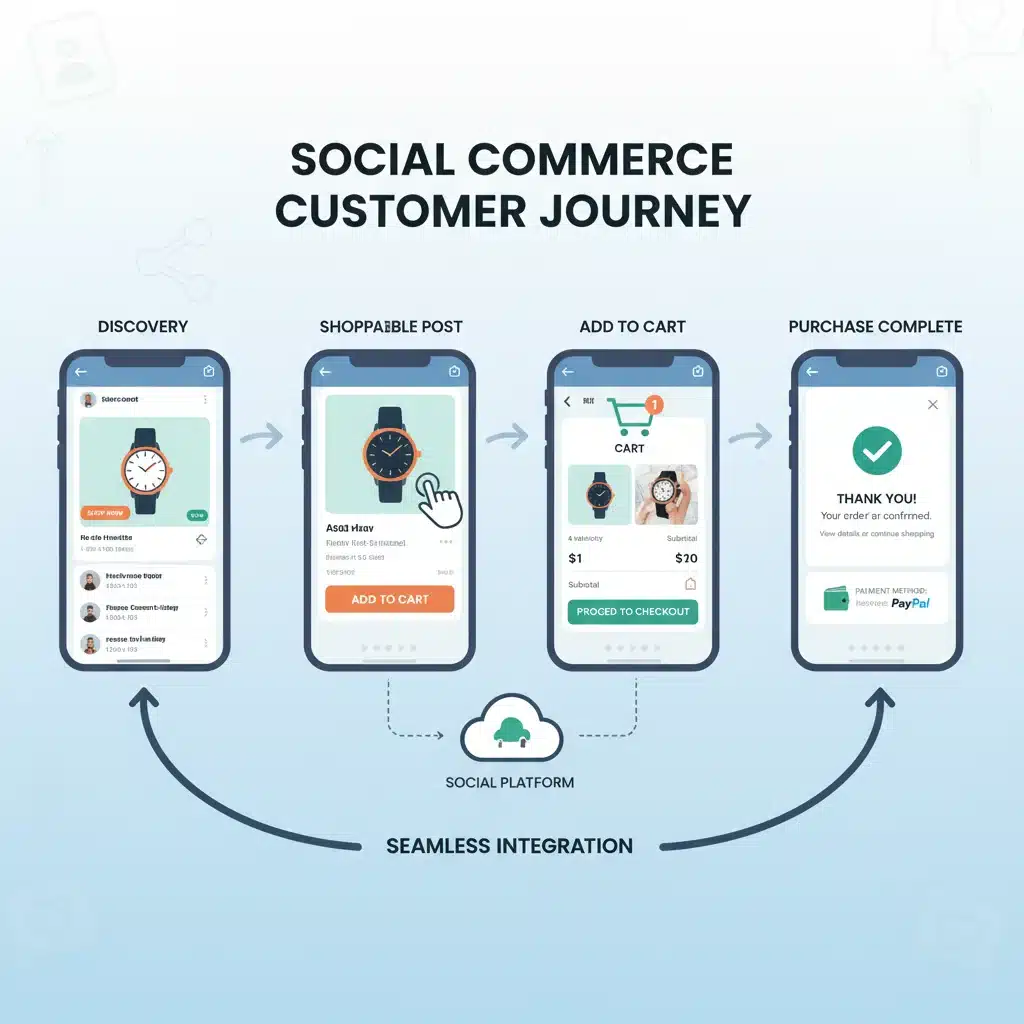
Before we dive into the ‘how,’ it’s crucial to define ‘what.’ Social commerce is the process of selling products directly through social media platforms. Unlike traditional social media marketing, which uses platforms to drive traffic to an external e-commerce site, social commerce allows users to complete the entire shopping journey – from product discovery to checkout – without ever leaving the social app. This seamless integration removes friction, enhances user experience, and capitalizes on the impulsive nature of social browsing.
The rise of social commerce is a direct response to changing consumer behaviors. Modern shoppers spend significant time on social media, not just for connecting with friends but also for discovering new brands, researching products, and getting recommendations. Social commerce taps into this innate behavior, transforming social platforms from mere marketing channels into powerful sales engines. Implementing a strong Social Commerce Strategy means meeting your customers where they already are, making their buying journey as convenient and enjoyable as possible.
The distinction between social media marketing and social commerce is subtle but vital. While both aim to promote products, social media marketing’s primary goal is awareness and traffic generation. Social commerce, on the other hand, is about direct conversion. It’s about enabling a ‘shop now’ button directly on an Instagram post, a live shopping event on Facebook, or a TikTok video featuring a product link that leads straight to purchase within the app. This directness is the core of an effective Social Commerce Strategy.
The Pillars of a Winning Social Commerce Strategy
To achieve the ambitious goal of driving 25% of new online sales through integrated platforms, a multi-faceted Social Commerce Strategy is essential. It’s not enough to simply post products; you need a strategic approach that encompasses platform selection, content creation, community engagement, and performance analysis.
1. Strategic Platform Selection: Where Your Audience Shops
Not all social platforms are created equal, and neither are all audiences. A successful Social Commerce Strategy begins with identifying where your target customers spend their time and, more importantly, where they are most receptive to purchasing. Each platform offers unique features and caters to different demographics:
- Instagram: With its visual-first approach, Instagram is a powerhouse for fashion, beauty, home goods, and lifestyle brands. Features like Instagram Shopping, shoppable posts and stories, and Instagram Live Shopping provide direct avenues for sales.
- Facebook: Facebook Marketplace and Facebook Shops offer broad reach, especially for a slightly older demographic or those looking for a diverse range of products. Live shopping events are also highly effective here.
- TikTok: Rapidly growing among younger demographics, TikTok’s short-form video content is ideal for showcasing products in action, tutorials, and user-generated content. TikTok Shop Ads is quickly expanding its capabilities.
- Pinterest: Often overlooked, Pinterest is a visual discovery engine where users actively seek inspiration for purchases. Shoppable Pins and product catalogs make it a strong contender for home decor, crafts, and fashion.
- YouTube: While primarily video-sharing, YouTube’s product tagging and live shopping features make it suitable for product reviews, demonstrations, and direct sales, especially for tech, gaming, and educational products.
Your Social Commerce Strategy should prioritize platforms where your audience is most active and where the platform’s features align best with your product type and brand aesthetic. It’s better to excel on a few key platforms than to spread yourself too thin across many.
2. Engaging and Shoppable Content Creation
Content is the currency of social media, and in social commerce, it’s the catalyst for conversion. Your Social Commerce Strategy must include a robust content plan that goes beyond static product images. Think dynamic, interactive, and value-driven content:
- High-Quality Visuals: Professional photos and videos are non-negotiable. Showcase products from multiple angles, in different settings, and on diverse models.
- Product Demos & Tutorials: Show users how to use your products, highlighting their benefits and solving potential pain points. This builds trust and demonstrates value.
- User-Generated Content (UGC): Encourage customers to share their experiences with your products. UGC is authentic, builds social proof, and significantly influences purchase decisions. Reshare customer photos and videos.
- Live Shopping Events: Host interactive live streams where you showcase products, answer questions in real-time, and offer exclusive discounts. This creates urgency and a sense of community.
- Influencer Collaborations: Partner with relevant influencers whose audience aligns with your target market. Their recommendations can drive significant sales. Ensure their content is authentically integrated into your Social Commerce Strategy.
- Interactive Features: Utilize polls, quizzes, and Q&A stickers in stories to engage users and gather feedback, which can also inform future product development.
Remember, the goal is to make content not just engaging, but directly shoppable. Integrate ‘shop now’ buttons, product tags, and direct links wherever possible to minimize the steps to purchase.
3. Seamless Integration and User Experience
The ‘integrated platforms’ aspect of driving 25% of new online sales is crucial. Your Social Commerce Strategy must prioritize a frictionless user experience. This means:
- In-App Checkout: The holy grail of social commerce. If a platform offers native checkout, leverage it. This eliminates the need for users to leave the app, reducing abandonment rates.
- Synchronized Product Catalogs: Ensure your product catalog on social media platforms is always up-to-date with your e-commerce site. This includes inventory levels, pricing, and product descriptions. Tools like Facebook Catalog Manager can help.
- Unified Customer Service: Integrate your customer service channels across social media and your main e-commerce site. Respond promptly to inquiries, comments, and direct messages. Chatbots can assist with common questions.
- Consistent Branding: Maintain a consistent brand voice, aesthetic, and messaging across all social commerce touchpoints and your main website.
A disjointed experience will deter potential buyers. The more seamless the journey from discovery to purchase, the higher your conversion rates will be, directly impacting your ability to achieve your 25% sales growth target through your Social Commerce Strategy.
4. Building Community and Fostering Trust
Social media is inherently about connection. Your Social Commerce Strategy should harness this to build a loyal community around your brand. Trust is a significant driver of purchase decisions, and social platforms are ideal for cultivating it:
- Engage Actively: Respond to comments, messages, and reviews. Show that there’s a human behind the brand who values their customers.
- Create Interactive Content: Ask questions, run polls, and encourage discussions. Make your audience feel heard and involved.
- Showcase Authenticity: Be transparent about your brand values, processes, and even challenges. Authenticity resonates deeply with consumers.
- Leverage Social Proof: Highlight customer testimonials, reviews, and user-generated content. People trust their peers more than they trust brands.
- Run Contests and Giveaways: These are excellent for boosting engagement, growing your audience, and rewarding loyal followers.
A strong community not only drives immediate sales but also fosters long-term customer loyalty and advocacy, making your Social Commerce Strategy sustainable and impactful.
5. Data-Driven Optimization and Analytics
To truly drive 25% of new online sales, your Social Commerce Strategy must be agile and data-driven. Continuous monitoring and optimization are key:
- Track Key Metrics: Monitor conversion rates, average order value (AOV), customer acquisition cost (CAC) from social channels, return on ad spend (ROAS), engagement rates, and reach.
- A/B Testing: Experiment with different content formats, calls to action (CTAs), product presentations, and targeting strategies to see what resonates best with your audience.
- Analyze Customer Behavior: Use platform insights and integrated analytics tools to understand how users interact with your shoppable content, where they drop off, and what influences their purchase decisions.
- Iterate and Adapt: The social media landscape is constantly changing. Be prepared to adjust your Social Commerce Strategy based on performance data, new platform features, and emerging trends.
Without robust analytics, you’re flying blind. Data provides the insights needed to refine your approach, allocate resources effectively, and maximize your social commerce ROI.
Overcoming Challenges in Social Commerce
While the potential of social commerce is immense, businesses may encounter challenges. A well-thought-out Social Commerce Strategy anticipates and addresses these:
- Algorithm Changes: Social media algorithms are constantly evolving, which can impact content visibility. Diversify your content strategy and consider paid social promotions to maintain reach.
- Building Trust: Some consumers are still hesitant to make purchases directly on social media. Emphasize security, provide clear return policies, and leverage social proof to build confidence.
- Inventory Management: Keeping product catalogs synchronized across multiple platforms and your main e-commerce site can be complex. Invest in robust inventory management systems.
- Measuring ROI: Attributing sales directly to social commerce efforts can be tricky. Implement proper tracking mechanisms (e.g., UTM parameters, pixel tracking) to accurately measure performance.
- Content Fatigue: With so much content vying for attention, it’s easy for your posts to get lost. Focus on quality over quantity and continuously innovate your content formats.
Addressing these challenges proactively is a vital part of refining your Social Commerce Strategy and ensuring long-term success.
Future Trends in Social Commerce
The social commerce space is dynamic, and staying ahead of emerging trends is crucial for maintaining a competitive edge. Your Social Commerce Strategy should be adaptable and forward-looking:
- Augmented Reality (AR) Shopping: AR filters that allow users to virtually ‘try on’ clothes, makeup, or place furniture in their homes are becoming more sophisticated and integrated into social commerce.
- Personalized Shopping Experiences: AI-powered recommendations based on user behavior and preferences will become even more prevalent, offering highly tailored product suggestions.
- Voice Commerce Integration: As voice assistants become more common, the ability to shop via voice commands on social platforms could emerge as a new frontier.
- Creator Economy & Micro-Influencers: The power will continue to shift towards individual creators and micro-influencers who have highly engaged, niche audiences.
- Metaverse & Web3 Commerce: While still nascent, the development of virtual worlds and decentralized platforms could open up entirely new avenues for immersive social shopping experiences.
By keeping an eye on these trends and experimenting with new technologies, you can ensure your Social Commerce Strategy remains cutting-edge and continues to drive significant sales growth.

Implementing Your Social Commerce Strategy: A Step-by-Step Guide
Ready to put theory into practice? Here’s a simplified step-by-step guide to implementing your Social Commerce Strategy and working towards that 25% sales growth:
- Audit Your Current Presence: Evaluate your existing social media channels. Which ones are performing best? Where is your audience most active?
- Define Your Goals: Beyond the 25% sales target, what specific KPIs will you track? (e.g., conversion rate, AOV from social, new customer acquisition).
- Select Key Platforms: Based on your audit and goals, choose 2-3 primary social commerce platforms to focus on initially.
- Set Up Shoppable Features: Configure Instagram Shopping, Facebook Shops, TikTok Shop, Pinterest Buyable Pins, etc. Ensure your product catalogs are synced.
- Develop a Content Calendar: Plan diverse, engaging, and shoppable content. Include product demos, UGC, live sessions, and influencer collaborations.
- Integrate Customer Service: Establish clear channels for customer inquiries on social media and ensure prompt responses.
- Launch & Promote: Announce your new social shopping capabilities. Use paid social ads to boost visibility and reach new audiences.
- Monitor & Analyze: Regularly review your social commerce analytics. Identify what’s working and what’s not.
- Optimize & Iterate: Make data-driven adjustments to your content, targeting, and platform usage. Continuously refine your Social Commerce Strategy.
- Stay Updated: Keep abreast of new platform features and industry trends. Be willing to experiment and adapt.
This systematic approach will help you build a robust and effective Social Commerce Strategy that delivers tangible results.
Conclusion: The Future is Social, The Future is Commerce
The imperative to embrace social commerce is clearer than ever. As consumer behavior continues to shift towards integrated, seamless shopping experiences, businesses that master their Social Commerce Strategy will be best positioned for significant growth. By strategically selecting platforms, crafting compelling shoppable content, fostering community, ensuring seamless integration, and leveraging data for continuous optimization, brands can realistically aim to drive 25% or more of their new online sales through these powerful channels.
Social commerce isn’t just an add-on; it’s an integral part of modern e-commerce. It offers an unparalleled opportunity to connect with customers on a personal level, build trust, and convert engagement directly into revenue. Start refining your Social Commerce Strategy today, and unlock a new era of online sales success.