Boost Impulse Buys: Optimize Retail Store Layouts for 10% Growth by 2026
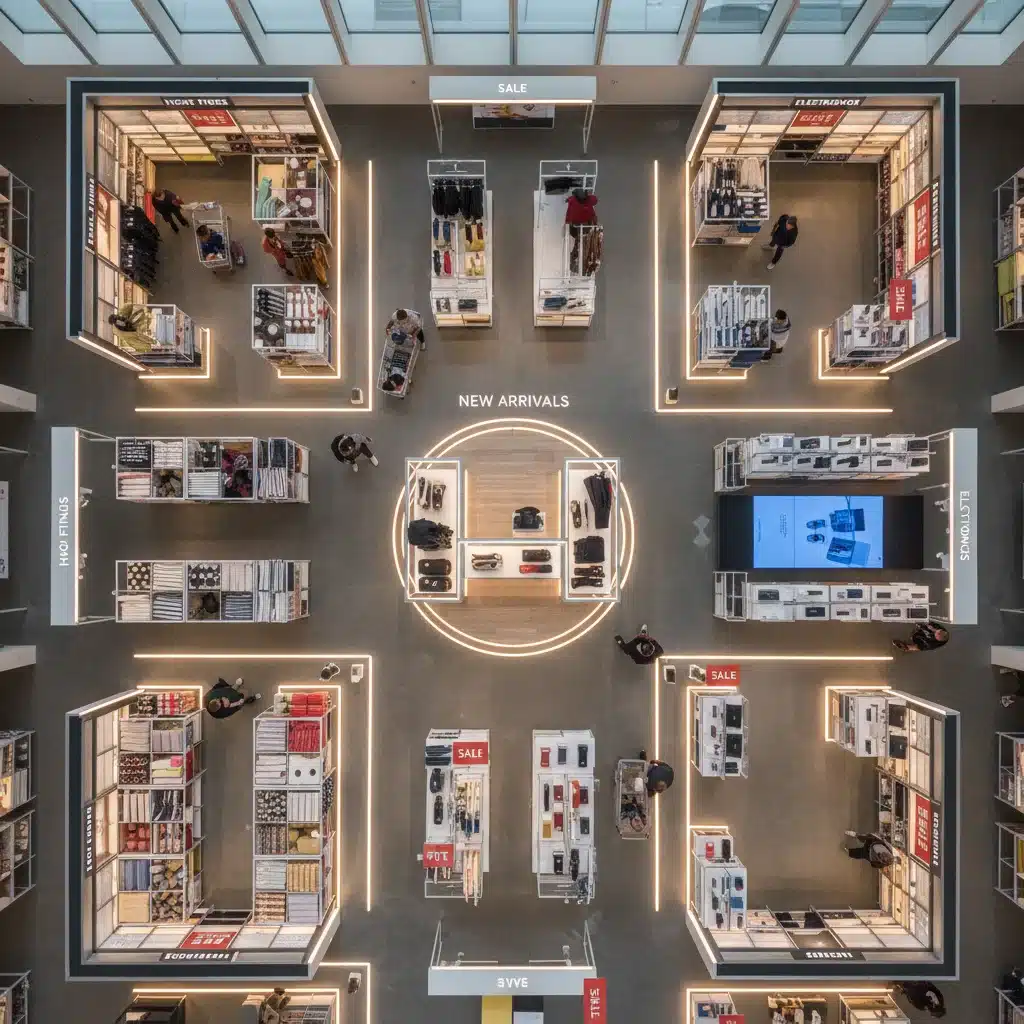
In the fiercely competitive world of retail, every square foot of your store holds immense potential. It’s not just about stocking shelves; it’s about crafting an experience, guiding your customers, and subtly influencing their purchasing decisions. One of the most powerful tools at a retailer’s disposal is the strategic optimization of their Retail Store Layout. This isn’t merely an aesthetic choice; it’s a science-backed approach designed to maximize sales, enhance customer satisfaction, and, crucially, drive impulse purchases. Our ambitious goal: to help you achieve a 10% increase in impulse purchases by December 2026 through masterful layout design.
The concept of impulse buying is fascinating. It’s that moment when a customer, having entered your store for a specific item, spots something else entirely and decides, on the spur of the moment, to add it to their basket. These unplanned purchases can significantly boost your average transaction value and overall revenue. But how do you encourage this seemingly spontaneous behavior? The answer lies largely in your Retail Store Layout.
This comprehensive guide will delve deep into the principles of effective retail layout, offering actionable strategies, expert insights, and real-world examples to help you transform your store into an impulse-purchase generating machine. From understanding customer psychology to leveraging technology, we’ll cover every aspect necessary to hit that 10% growth target.
Understanding the Psychology Behind Impulse Purchases
Before we dissect the mechanics of a great Retail Store Layout, it’s vital to grasp the psychological triggers that lead to impulse buys. These are often emotionally driven decisions, influenced by factors like:
- Novelty and Excitement: New products, limited editions, or unique items can pique curiosity.
- Perceived Value: Bargains, discounts, or bundled offers can make an unplanned purchase seem like a smart decision.
- Sensory Stimulation: Appealing visuals, enticing aromas, engaging sounds, or tactile displays can draw customers in.
- Convenience: Easily accessible items, especially near checkout, capitalize on the ‘grab-and-go’ mentality.
- Emotional Connection: Products that evoke positive feelings, solve an immediate (even if unacknowledged) problem, or offer a treat can be irresistible.
- Social Proof: Seeing others purchase an item, or products highlighted as ‘bestsellers,’ can influence buying decisions.
A well-designed Retail Store Layout acts as the conductor for these psychological triggers, orchestrating a seamless journey that encourages customers to linger, discover, and ultimately, buy more than they initially intended. It’s about creating an environment where impulse is not just possible, but probable.
The Foundation: Types of Retail Store Layouts and Their Impact
Different store layouts serve different purposes and influence customer behavior in distinct ways. Choosing the right one, or a hybrid, is the first step towards optimizing for impulse purchases. Here are the most common types:
1. Grid Layout
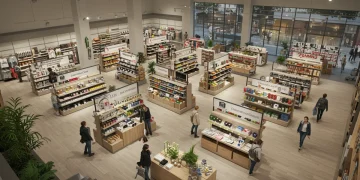
The most common layout, often found in supermarkets and pharmacies. It features long aisles and shelves, maximizing product visibility and allowing for efficient stock management. While excellent for planned purchases, it can feel less inviting for impulse buys unless strategically broken up with end-caps and promotional displays.
2. Racetrack (Loop) Layout
Guides customers through the entire store, exposing them to a maximum number of products. Department stores often use this. It encourages exploration and discovery, naturally increasing the chances of impulse purchases as customers encounter a wider array of items.
3. Free-Flow Layout
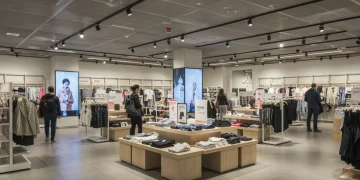
Offers maximum flexibility, allowing for creative displays and an unconstrained shopping experience. Boutiques and specialty stores often adopt this. It encourages browsing and can create a more relaxed atmosphere, conducive to discovering unique impulse items.
4. Spine Layout
Features a main aisle running from the front to the back of the store, with smaller aisles branching off. This combines the structured feel of a grid with the exploratory nature of a racetrack, offering a balanced approach to product exposure and navigation.
5. Herringbone Layout
Similar to a grid but with aisles angled, often seen in discount stores. It can create more movement and visual interest but might feel cluttered if not managed well. Impulse items can be effectively placed at the ends of these angled aisles.
The key is to select a layout that aligns with your brand, products, and target customer, then fine-tune it with strategic placements to boost impulse buys. Understanding your current Retail Store Layout and its inherent advantages and disadvantages is crucial before making any changes.
Strategic Placement: The Art of Encouraging Impulse Buys
Once you have your foundational layout, the real magic happens in the strategic placement of products. This is where you actively engineer opportunities for impulse purchases. Consider these zones and techniques:
The ‘Decompression Zone’
This is the first area customers encounter upon entering. It’s critical not to overwhelm them. Use this space for visually appealing displays, new arrivals, or seasonal promotions. While not directly for impulse buys, it sets the tone for discovery.
Power Aisles and End-Caps
These are prime real estate. End-caps, in particular, are perfect for impulse items. They break up the monotony of long aisles and draw attention. Use them for:
- High-margin impulse products: Small, desirable items that complement main purchases.
- Promotional items: ‘Buy one get one free’ or discounted goods.
- Seasonal or trending products: Capitalize on current fads or holidays.
The ‘In-Between’ Spaces
Don’t neglect the space between major departments. Small, attractive displays of related or complementary products can spark an impulse. For example, in a clothing store, place accessories near apparel displays.
The Checkout Zone (The ‘Impulse Alley’)
This is the undisputed king of impulse purchases. Customers are already committed to buying, have their wallets out, and are often bored while waiting. Ideal items include:
- Candy, gum, snacks
- Small electronics (batteries, phone chargers)
- Magazines, small toys
- Travel-sized toiletries
- Gift cards or small gift items
Ensure these items are affordable, easy to grab, and visually appealing. The goal is a quick, low-regret decision.
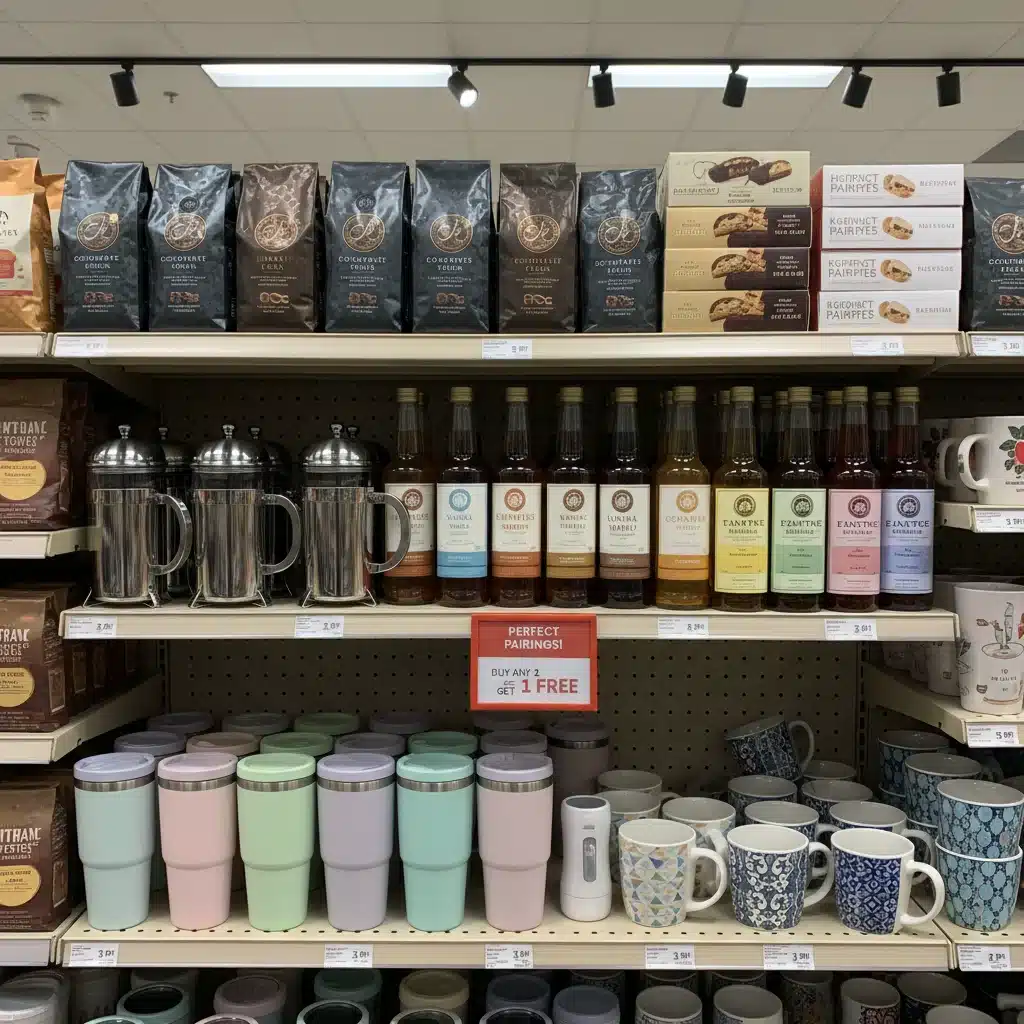
Cross-Merchandising
This technique involves placing complementary products together, even if they belong to different categories. For example, placing barbecue sauces next to grilling tools, or coffee mugs near gourmet coffee beans. This jogs the customer’s memory and suggests additional purchases they might not have considered.
Leveraging Sensory Marketing in Your Retail Store Layout
Humans are sensory beings, and a truly optimized Retail Store Layout engages more than just sight. By appealing to multiple senses, you create a richer, more memorable shopping experience that fosters impulse buys.
Visual Appeal
- Lighting: Use accent lighting to highlight impulse products. Bright, inviting light encourages exploration.
- Color Psychology: Use colors that evoke excitement (red, orange) for promotional areas, or calming colors (blue, green) for broader areas.
- Signage: Clear, concise, and compelling signage for promotions and product benefits is crucial.
- Cleanliness and Organization: A tidy, well-organized store is inviting and makes products seem more desirable.
Aural Stimulation
- Music: Upbeat, moderate-tempo music can encourage faster shopping and a more positive mood, increasing the likelihood of impulse purchases.
- Soundscapes: The subtle sounds of your store – a gentle coffee grinder, the rustle of leaves in a garden center – can enhance the theme and experience.
Olfactory Engagement
- Scent Marketing: Pleasant aromas (e.g., fresh baked goods, subtle floral scents) can create a positive mood, increase dwell time, and even be associated with specific product categories, driving impulse decisions.
Tactile Experiences
- Interactive Displays: Allow customers to touch, feel, and try products where appropriate. This reduces perceived risk and builds desire.
- Comfort: Comfortable flooring and well-maintained fixtures make the shopping experience more enjoyable.
Engaging these senses creates an immersive environment that subtly influences purchasing behavior, making those impulse items even more appealing within your optimized Retail Store Layout.
Technology’s Role in Optimizing Your Retail Store Layout
Modern technology offers powerful tools to understand customer behavior and refine your layout for maximum impact. Integrating these can be a game-changer for hitting your 10% impulse purchase growth target.
Customer Tracking and Analytics
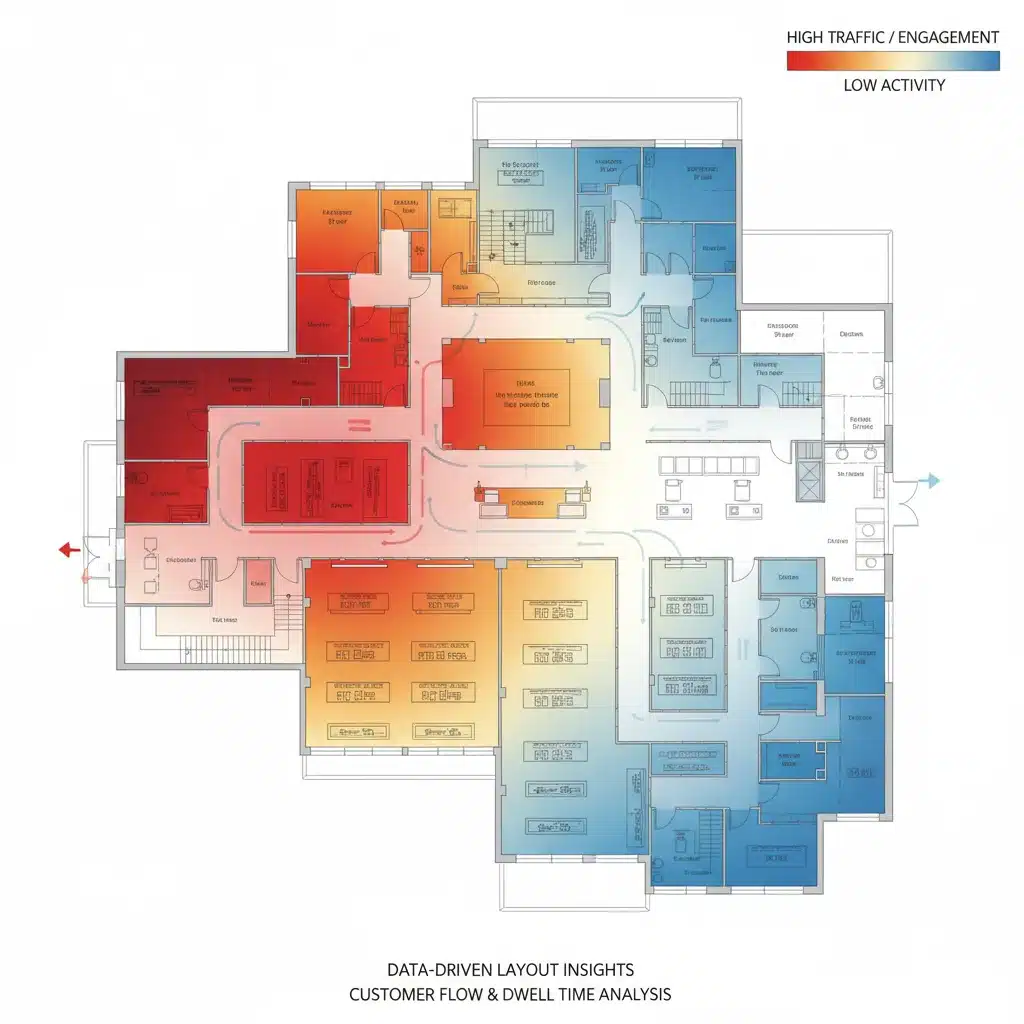
- Heat Maps: Use sensors or cameras to track customer movement and dwell times. This data reveals hot spots (where customers linger) and cold spots (where they avoid). Adjust your layout and product placement based on these insights.
- Traffic Flow Analysis: Understand common paths customers take. Are they missing key areas? Reroute pathways or place compelling displays to guide them.
- Conversion Rates by Zone: Measure which areas of your store are most effective at converting browsers into buyers.
Digital Signage and Interactive Displays
- Dynamic Promotions: Use digital screens to display real-time promotions for impulse items, especially near relevant product categories or checkout.
- Interactive Product Information: Allow customers to explore product details, reviews, or complementary items digitally, enhancing their engagement and decision-making process.
Mobile Integration
- In-Store Navigation Apps: For larger stores, help customers find what they need, and subtly suggest impulse items along their route.
- Location-Based Offers: Send personalized promotions to customers’ phones when they are near a display of potential impulse purchases.
By leveraging these technological insights, you can move beyond guesswork and make data-driven decisions to continuously improve your Retail Store Layout and its impact on impulse purchases.
Case Studies and Examples of Successful Retail Store Layouts
Learning from others’ successes can provide invaluable inspiration for your own Retail Store Layout optimization efforts. Here are a few examples:
- Apple Stores: Master the free-flow layout, encouraging exploration and interaction with products. The open tables and accessible devices invite customers to touch and play, leading to impulse upgrades or accessory purchases.
- IKEA: The ultimate racetrack layout. Customers are guided through virtually every department, ensuring maximum exposure to their vast product range, including countless small, affordable impulse items strategically placed throughout the journey and at checkout.
- Sephora: Combines a grid-like structure with free-flow elements. Their ‘Beauty Hubs’ and open product testing stations encourage interaction, while well-placed mini-products and gift sets near the checkout capitalize on impulse.
- Grocery Stores: While primarily grid-based, they excel at end-cap displays, seasonal sections, and the infamous checkout aisle for high-volume impulse buys like candy, magazines, and gum.
These examples highlight that regardless of the core layout, strategic placement, sensory engagement, and a deep understanding of customer flow are paramount to driving impulse purchases. Your Retail Store Layout should be a dynamic tool, constantly reviewed and refined.
Measuring Success: Tracking Your 10% Impulse Purchase Growth
To achieve your target of a 10% increase in impulse purchases by December 2026, you need robust methods for tracking your progress. Without measurement, optimization is just guesswork.
Key Metrics to Monitor:
- Average Transaction Value (ATV): A direct indicator of how much customers are spending per visit. An increase suggests successful impulse buying.
- Items Per Transaction (IPT): Measures how many individual items customers are buying. More items, especially small ones, points to impulse success.
- Conversion Rate of Promotional Displays: If you place an impulse item on an end-cap, track its sales before and after the placement.
- Customer Feedback: Surveys or direct observation can reveal if customers felt encouraged to buy additional items.
- Sales Data by Product Category: Identify which categories contribute most to impulse purchases and focus your layout efforts there.
Setting Up Your Measurement System:
- Establish a Baseline: Before making any changes to your Retail Store Layout, meticulously record your current ATV, IPT, and impulse category sales data.
- Implement Changes Incrementally: Rather than overhauling everything at once, make targeted adjustments and measure their specific impact. This allows for A/B testing elements of your layout.
- Regular Reporting: Set up weekly or monthly reports to track the key metrics. Look for trends and correlations between your layout changes and sales figures.
- Feedback Loop: Use the data to inform further adjustments. If a change didn’t perform as expected, analyze why and iterate.
Consistent monitoring and analysis are what will truly allow you to fine-tune your Retail Store Layout and confidently report on your journey towards that 10% impulse purchase growth.
Common Pitfalls to Avoid When Optimizing Your Retail Store Layout
While the potential rewards of an optimized Retail Store Layout are significant, there are common mistakes that can hinder your progress:
- Overcrowding: Too many products or displays can lead to visual clutter, overwhelming customers and making it difficult to find anything.
- Poor Navigation: Confusing pathways or blocked aisles frustrate customers and cause them to leave without making additional purchases.
- Ignoring Customer Feedback: Don’t assume you know what customers want. Listen to their comments and observe their behavior.
- Lack of Flexibility: Your layout shouldn’t be static. Seasonal changes, new product lines, and evolving customer preferences demand adaptability.
- Inconsistent Branding: Your layout and displays should always align with your brand’s image and messaging.
- Neglecting Staff Training: Even the best layout needs knowledgeable staff who can guide customers and suggest complementary products.
By being aware of these pitfalls, you can proactively avoid them and ensure your efforts to optimize your Retail Store Layout are effective and sustainable.
The Future of Retail Store Layouts: Innovation and Personalization
As retail continues to evolve, so too will the strategies for optimizing the Retail Store Layout. Looking ahead, we can expect to see even greater integration of technology and personalization:
- AI-Powered Layout Optimization: Artificial intelligence will increasingly analyze vast amounts of data – from sales figures to eye-tracking – to suggest optimal product placements and traffic flows dynamically.
- Augmented Reality (AR) for Shoppers: AR apps could help customers navigate stores, highlighting personalized recommendations for impulse buys as they walk through.
- Modular and Flexible Fixtures: Stores will become even more adaptable, allowing for rapid changes to layouts and displays to respond to real-time trends and inventory.
- Experiential Zones: Stores will continue to evolve into destinations offering unique experiences, where products are discovered naturally within an engaging environment, fostering organic impulse purchases.
- Hyper-Personalization: Leveraging customer data, stores might create ‘micro-layouts’ or personalized paths for individual shoppers, presenting highly relevant impulse offers.
Staying abreast of these innovations will ensure your Retail Store Layout remains cutting-edge and continues to drive impressive results, well beyond our 2026 target.
Conclusion: Make Your Retail Store Layout a Sales Superpower
Optimizing your Retail Store Layout is not a one-time project; it’s an ongoing process of observation, analysis, and adaptation. By understanding the psychology of impulse buying, strategically placing products, engaging multiple senses, and leveraging technology, you can transform your store into a powerful sales engine. The goal of a 10% increase in impulse purchases by December 2026 is ambitious, but entirely achievable with a focused, data-driven approach.
Start today by evaluating your current layout, identifying areas for improvement, and implementing changes incrementally. Measure your results diligently, learn from your successes and failures, and continuously refine your strategy. Your store’s layout is more than just how products are arranged; it’s a silent salesperson, a guide, and a powerful influencer. Master it, and watch your impulse purchases – and your profits – soar.