Platform UI UX Enhancements: Boosting Conversion Rates by 10% in 2026

Driving Growth in 2026: The Latest Platform UI/UX Enhancements and Their 10% Impact on Conversion Rates
In the rapidly evolving digital landscape, the success of any online platform hinges significantly on its User Interface (UI) and User Experience (UX). As we look towards 2026, the strategic implementation of advanced Platform UI UX enhancements is not just a trend but a critical imperative for businesses aiming to achieve substantial growth. Industry projections indicate that well-executed UI/UX improvements can lead to an impressive 10% increase in conversion rates, a figure that translates directly into enhanced revenue and market share. This article delves into the transformative power of modern Platform UI UX, exploring the key trends, best practices, and actionable strategies that will define success in the coming years.
The Pivotal Role of Platform UI UX in Digital Success
The user experience is no longer a secondary consideration; it is the cornerstone of digital product development. A seamless, intuitive, and engaging Platform UI UX directly influences user satisfaction, retention, and ultimately, conversion. In a world saturated with digital offerings, users have become increasingly discerning. They expect platforms to be not only functional but also aesthetically pleasing, easy to navigate, and personalized to their needs. Poor UI/UX can lead to frustration, abandonment, and a significant loss of potential customers, regardless of the quality of the underlying product or service.
Consider the impact of a sluggish loading time, an unintuitive navigation menu, or an inconsistent visual design. Each of these seemingly minor flaws can accumulate, creating a barrier between the user and their desired action. Conversely, a thoughtfully designed Platform UI UX anticipates user needs, simplifies complex tasks, and provides a delightful journey, fostering trust and encouraging continued engagement. This positive interaction is what drives conversions, whether it’s signing up for a newsletter, making a purchase, or completing a specific task.
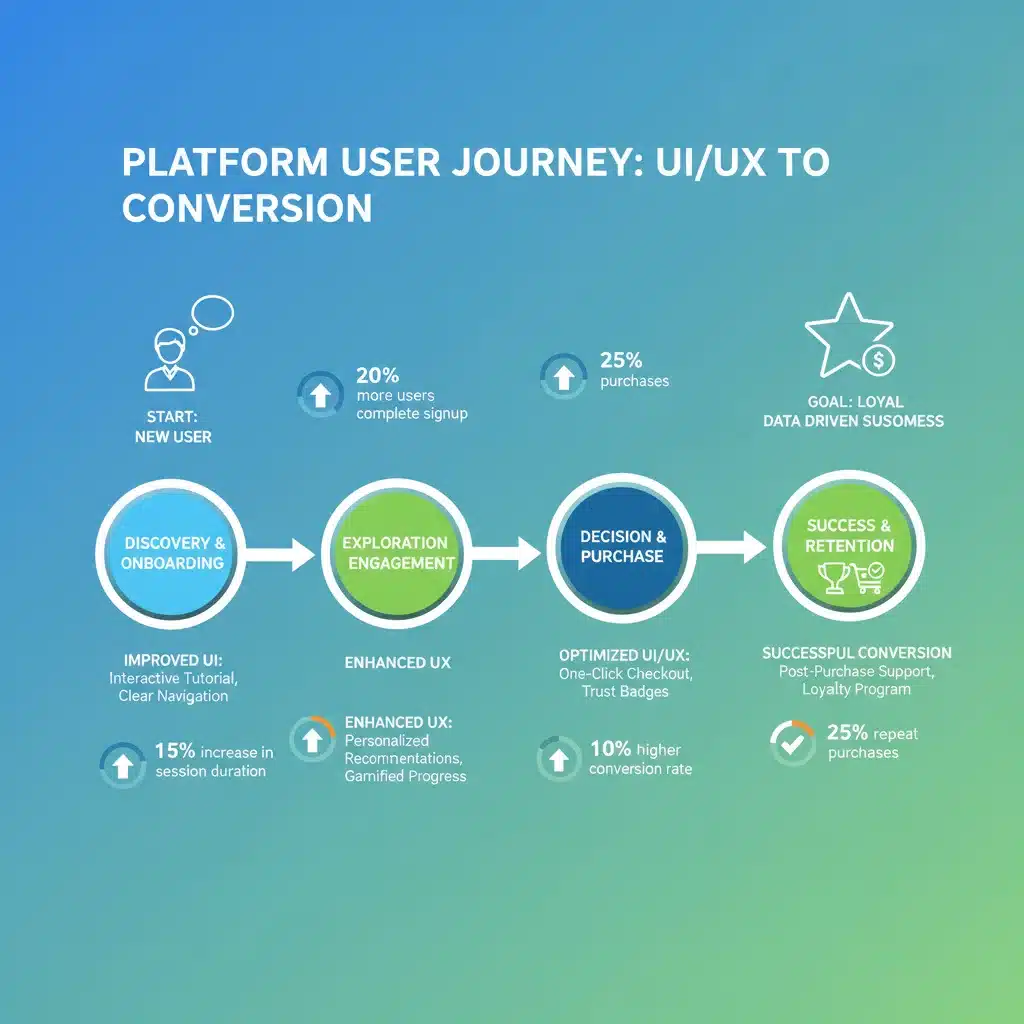
The 10% projected increase in conversion rates by 2026 is a testament to the growing understanding among businesses that investing in superior Platform UI UX is a direct investment in their bottom line. This isn’t just about making things look pretty; it’s about strategic design choices backed by data and user research, aimed at optimizing every touchpoint of the user’s interaction with the platform.
Key Trends Shaping Platform UI UX in 2026
Several exciting trends are set to redefine Platform UI UX in the coming years. Staying ahead of these trends will be crucial for businesses looking to gain a competitive edge.
1. Hyper-Personalization and Adaptive Interfaces
Gone are the days of one-size-fits-all interfaces. Users now expect platforms to adapt to their individual preferences, behaviors, and contexts. Hyper-personalization, driven by AI and machine learning, will allow platforms to offer tailored content, features, and even UI layouts based on a user’s past interactions, demographic data, and real-time activity. Imagine a platform that automatically adjusts its dashboard to highlight the most relevant tools for a specific user at a particular time of day. This level of personalization significantly enhances the relevance and efficiency of the user experience, directly contributing to higher engagement and conversion rates.
2. Voice and Conversational UI
The proliferation of voice assistants and natural language processing (NLP) is paving the way for more intuitive and hands-free interactions. Voice and conversational UIs will become increasingly integrated into platforms, allowing users to navigate, search, and perform tasks using spoken commands or text-based chat. This not only improves accessibility but also offers a more natural and efficient way to interact, especially for complex applications or on-the-go usage. Designing effective conversational flows and understanding user intent will be critical for successful adoption of this Platform UI UX trend.
3. Immersive Experiences: AR/VR Integration
While still in its nascent stages for many mainstream platforms, Augmented Reality (AR) and Virtual Reality (VR) are set to revolutionize certain aspects of Platform UI UX. For e-commerce, AR can allow users to virtually “try on” products or visualize them in their own environment. In educational or collaborative platforms, VR can create immersive learning or meeting spaces. As hardware becomes more accessible and sophisticated, businesses that creatively integrate AR/VR will offer unparalleled user experiences, setting new benchmarks for engagement and driving conversions through novel interactions.
4. Micro-interactions and Haptic Feedback
The smallest details often make the biggest difference. Micro-interactions – the subtle animations, sounds, and visual cues that provide feedback on user actions – are crucial for a delightful Platform UI UX. They confirm actions, indicate system status, and guide users through the interface. Coupled with haptic feedback (tactile sensations), these elements create a more engaging and responsive experience, making interactions feel more tangible and satisfying. A well-placed haptic buzz can confirm a successful submission, while a smooth animation can make a transition feel seamless, reducing friction and enhancing user satisfaction.
5. Ethical Design and Digital Wellbeing
As concerns about screen time and digital addiction grow, ethical design principles are gaining prominence. Platform UI UX designers are increasingly focusing on creating experiences that promote digital wellbeing, offering features like “focus modes,” customizable notifications, and transparent data usage policies. Ethical design also encompasses accessibility, ensuring platforms are usable by individuals with diverse abilities. Building trust through transparent and user-centric design practices will be vital for long-term user loyalty and conversion.
Strategic Approaches to Enhance Platform UI UX for Conversion
Achieving a 10% conversion rate increase requires more than just awareness of trends; it demands a strategic and systematic approach to Platform UI UX design and optimization. Here are key strategies:
1. Data-Driven Design Iterations
The foundation of effective Platform UI UX enhancements lies in continuous data analysis. Utilize analytics tools to track user behavior, identify pain points, and understand conversion funnels. A/B testing, heatmaps, session recordings, and user surveys provide invaluable insights into how users interact with your platform. This data should inform every design decision, leading to iterative improvements that are backed by evidence rather than assumptions. Regularly analyze conversion metrics and correlate them with UI/UX changes to quantify the impact of your efforts.
2. User-Centric Research and Testing
Before, during, and after design implementation, user research is paramount. Conduct usability testing, interviews, and focus groups to gain deep qualitative insights into user needs, expectations, and frustrations. Early involvement of target users in the design process (e.g., through prototyping and feedback sessions) can prevent costly redesigns later on. Understanding your users’ mental models is key to designing an intuitive Platform UI UX that resonates with them.
3. Streamlined Onboarding Processes
The first impression is often the most critical. A complex or confusing onboarding process can lead to high abandonment rates. Design a streamlined, intuitive, and engaging onboarding experience that quickly demonstrates the value of your platform. Use progressive disclosure to introduce features gradually, provide clear guidance, and celebrate small wins to keep users motivated. A well-designed onboarding flow sets the stage for a positive user journey and significantly impacts initial conversion rates.
4. Optimized Navigation and Information Architecture
Users should be able to find what they need quickly and effortlessly. A clear, consistent, and logical navigation system is fundamental to good Platform UI UX. This involves intuitive menus, effective search functionalities, and a well-structured information architecture that categorizes content logically. Reduce cognitive load by minimizing choices and using familiar design patterns. Every click and every decision point should be optimized to guide the user towards their goal with minimal friction.
5. Visual Hierarchy and Readability
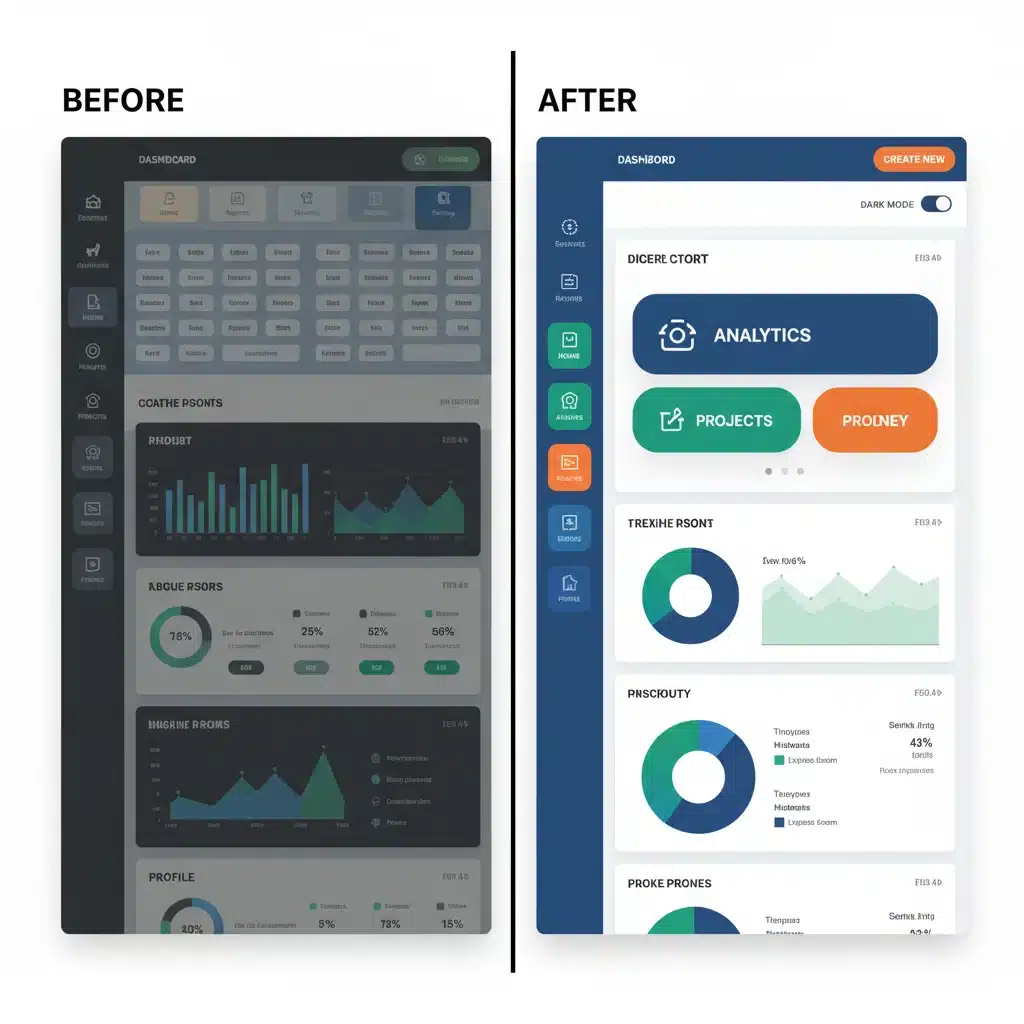
The visual presentation of information plays a huge role in guiding user attention and facilitating comprehension. Establish a clear visual hierarchy using size, color, contrast, and spacing to highlight important elements and de-emphasize less critical ones. Ensure excellent readability through appropriate font choices, line spacing, and text-to-background contrast. A visually appealing and easy-to-read interface reduces eye strain and makes the platform more inviting, encouraging users to spend more time engaging with the content and features, which can lead to higher conversion rates.
6. Performance and Responsiveness
In today’s fast-paced digital world, speed is not just a feature; it’s a necessity. Slow loading times or unresponsive interfaces are major deterrents. Optimize platform performance to ensure quick loading, smooth animations, and immediate feedback to user actions. Furthermore, ensure your Platform UI UX is fully responsive and adapts seamlessly across various devices and screen sizes, from desktops to mobile phones and tablets. A consistent and high-performing experience across all touchpoints is crucial for retaining users and driving conversions.
7. Accessibility by Design
Designing for accessibility means ensuring that your platform is usable by people with a wide range of abilities and disabilities. This includes providing alternative text for images, keyboard navigation support, sufficient color contrast, and clear focus indicators. Beyond being a legal and ethical requirement, an accessible Platform UI UX broadens your potential user base, improves SEO, and often results in a better experience for all users. Integrating accessibility from the outset is far more efficient than retrofitting it later.
Measuring the 10% Impact on Conversion Rates
The promise of a 10% increase in conversion rates is compelling, but how do businesses accurately measure this impact? A robust measurement framework is essential.
1. Define Clear Conversion Goals
Before implementing any Platform UI UX changes, clearly define what constitutes a “conversion” for your platform. This could be a purchase, a sign-up, a download, a form submission, or a specific engagement metric. Having well-defined goals allows for accurate tracking and attribution.
2. Establish Baseline Metrics
Before any enhancements, gather comprehensive data on your current conversion rates, user engagement metrics, and key performance indicators (KPIs). This baseline will serve as the benchmark against which the impact of your Platform UI UX improvements will be measured.
3. Implement A/B Testing and Multivariate Testing
For specific UI/UX changes, A/B testing is invaluable. Test different versions of a page, a button, a form, or an entire flow to see which performs better in terms of conversion. Multivariate testing allows for testing multiple variables simultaneously. This scientific approach provides concrete data on the effectiveness of individual enhancements.
4. Monitor Key Performance Indicators (KPIs)
Beyond direct conversion rates, monitor related KPIs such as bounce rate, time on page, pages per session, task completion rates, and customer satisfaction scores (e.g., NPS). Improvements in these metrics often correlate with higher conversion rates and indicate a better overall Platform UI UX.
5. Qualitative Feedback and User Sentiment
Quantitative data tells you “what” is happening, but qualitative feedback explains “why.” Regularly collect user feedback through surveys, interviews, and usability testing. Analyze customer support tickets and social media comments for insights into user pain points and satisfaction levels. This holistic view helps to understand the full impact of your Platform UI UX efforts.
Overcoming Challenges in Platform UI UX Implementation
While the benefits are clear, implementing significant Platform UI UX enhancements can present challenges. These include:
1. Legacy Systems and Technical Debt
Many established platforms are built on older technologies, making UI/UX overhauls complex and time-consuming. Addressing technical debt and integrating new design patterns into existing infrastructure requires careful planning and resources.
2. Resistance to Change
Internal stakeholders or existing user bases might resist significant changes to a familiar interface. Effective change management, clear communication of benefits, and involving users in the design process can help mitigate this.
3. Budget and Resource Constraints
High-quality UI/UX design and development require skilled professionals and adequate funding. Businesses need to justify these investments by clearly articulating the ROI, such as the projected 10% increase in conversion rates.
4. Balancing Innovation with User Familiarity
While adopting new trends is important, it’s crucial not to alienate existing users by introducing too much novelty too quickly. A balanced approach that gradually introduces innovations while maintaining core familiarity is often the most successful.
The Future is User-Centric: A Call to Action for Platform UI UX
As we approach 2026, the message is clear: the future of digital platforms belongs to those who prioritize the user. The projected 10% increase in conversion rates from strategic Platform UI UX enhancements is not an arbitrary number but a reflection of the growing power of user experience in shaping business outcomes. Businesses that invest proactively in understanding their users, embracing innovative design trends, and iteratively optimizing their interfaces will be the ones that thrive.
Start by conducting a thorough audit of your current Platform UI UX. Identify areas of friction, gather user feedback, and benchmark against competitors. Develop a roadmap for enhancements, prioritizing changes based on potential impact and feasibility. Foster a culture of user-centricity within your organization, ensuring that design thinking permeates every stage of product development.
The journey to achieving a 10% conversion rate boost through superior Platform UI UX is continuous. It requires commitment, adaptability, and a relentless focus on delivering exceptional value to your users. By doing so, you not only improve your metrics but also build lasting relationships with your audience, securing your platform’s relevance and success in the years to come.
Final Thoughts on Platform UI UX and Conversion Growth
The digital landscape is a battleground for user attention and loyalty. In this competitive environment, the quality of your Platform UI UX serves as a critical differentiator. It’s the silent salesperson, the intuitive guide, and the consistent companion that dictates whether a user stays, engages, and converts. The 10% conversion rate impact isn’t a magic bullet, but a direct consequence of deliberate, data-driven, and user-focused design. By embracing the trends of hyper-personalization, conversational interfaces, immersive experiences, and ethical design, while rigorously applying data-driven iterations and user research, platforms can unlock significant growth potential.
Remember, the goal is not just to build a functional platform, but to craft an experience that delights, empowers, and retains users. Every pixel, every interaction, and every flow contributes to the overall narrative of your brand. Make that narrative compelling, seamless, and undeniably user-friendly. The investment in advanced Platform UI UX today will yield substantial returns in conversion rates and long-term business success by 2026 and beyond.