Leverage AI Analytics for Retail: 15% Sales Boost by 2026

New Platform Update January 2026: How Retailers Can Leverage AI-Powered Analytics for a 15% Sales Boost
The retail landscape is constantly evolving, and staying ahead requires not just adapting, but innovating. As we approach January 2026, a groundbreaking platform update is set to redefine how retailers operate, offering unprecedented opportunities to leverage Retail AI Analytics. This isn’t just another technological advancement; it’s a paradigm shift designed to empower businesses with the insights needed to achieve a remarkable 15% sales boost. In this comprehensive guide, we’ll delve deep into the functionalities of this new update, exploring how AI-powered analytics can transform every facet of your retail operations, from understanding customer behavior to optimizing inventory and personalizing experiences.
The Dawn of a New Era: Understanding the January 2026 Platform Update
The upcoming January 2026 platform update represents a significant leap forward in retail technology. Built on a foundation of advanced machine learning algorithms and robust data processing capabilities, this update is engineered to provide retailers with a competitive edge. At its core, the platform integrates sophisticated AI models that can analyze vast amounts of data – from transactional records and customer interactions to external market trends and social media sentiment – to generate actionable insights. This holistic approach to data analysis is what sets this update apart, moving beyond basic reporting to deliver predictive and prescriptive intelligence. The primary goal? To facilitate a direct and measurable increase in sales, with projections indicating an average 15% boost for early adopters who effectively integrate Retail AI Analytics into their strategies.
One of the key features of this update is its enhanced ability to process unstructured data. Traditional analytics often struggle with qualitative information, but the new AI capabilities can interpret customer reviews, social media comments, and even video footage from in-store cameras to extract valuable insights into customer preferences, pain points, and emerging trends. This rich understanding allows retailers to move beyond assumptions and make data-driven decisions that resonate deeply with their target audience. The platform’s intuitive interface also ensures that these complex capabilities are accessible to a wider range of users, democratizing access to advanced analytics and fostering a culture of data-driven decision-making across the organization.
Furthermore, the update introduces a modular architecture, allowing retailers to customize their analytics suite based on their specific needs and business goals. Whether your focus is on optimizing supply chain logistics, personalizing marketing campaigns, or enhancing in-store experiences, the platform offers tailored solutions that can be integrated seamlessly into existing systems. This flexibility is crucial for retailers of all sizes, from small boutiques to large multinational corporations, ensuring that the power of Retail AI Analytics is within reach for everyone aiming for that 15% sales boost.
Unlocking Customer Behavior: Predictive Personalization with AI
Understanding your customer is paramount to retail success. The January 2026 update elevates this understanding to an entirely new level through advanced predictive personalization powered by Retail AI Analytics. Gone are the days of generic marketing campaigns and one-size-fits-all promotions. The new platform leverages AI to analyze individual customer behaviors, purchase histories, browsing patterns, and even external demographic data to create highly accurate customer profiles. These profiles enable retailers to predict future purchasing behaviors, identify potential churn risks, and pinpoint opportunities for upselling and cross-selling with unparalleled precision.
Imagine a scenario where your e-commerce platform automatically recommends products that a customer is highly likely to purchase, not just based on what they’ve bought before, but on their current mood, recent searches, and even external factors like weather patterns or seasonal events. This is the power of AI-driven personalization. The platform’s algorithms continuously learn and adapt, refining their predictions with every interaction. This leads to a significantly improved customer experience, as shoppers feel understood and valued, receiving relevant offers and content that truly resonate with their needs and desires. This deep level of personalization is a direct driver of increased conversion rates and customer loyalty, contributing significantly to the projected 15% sales boost.
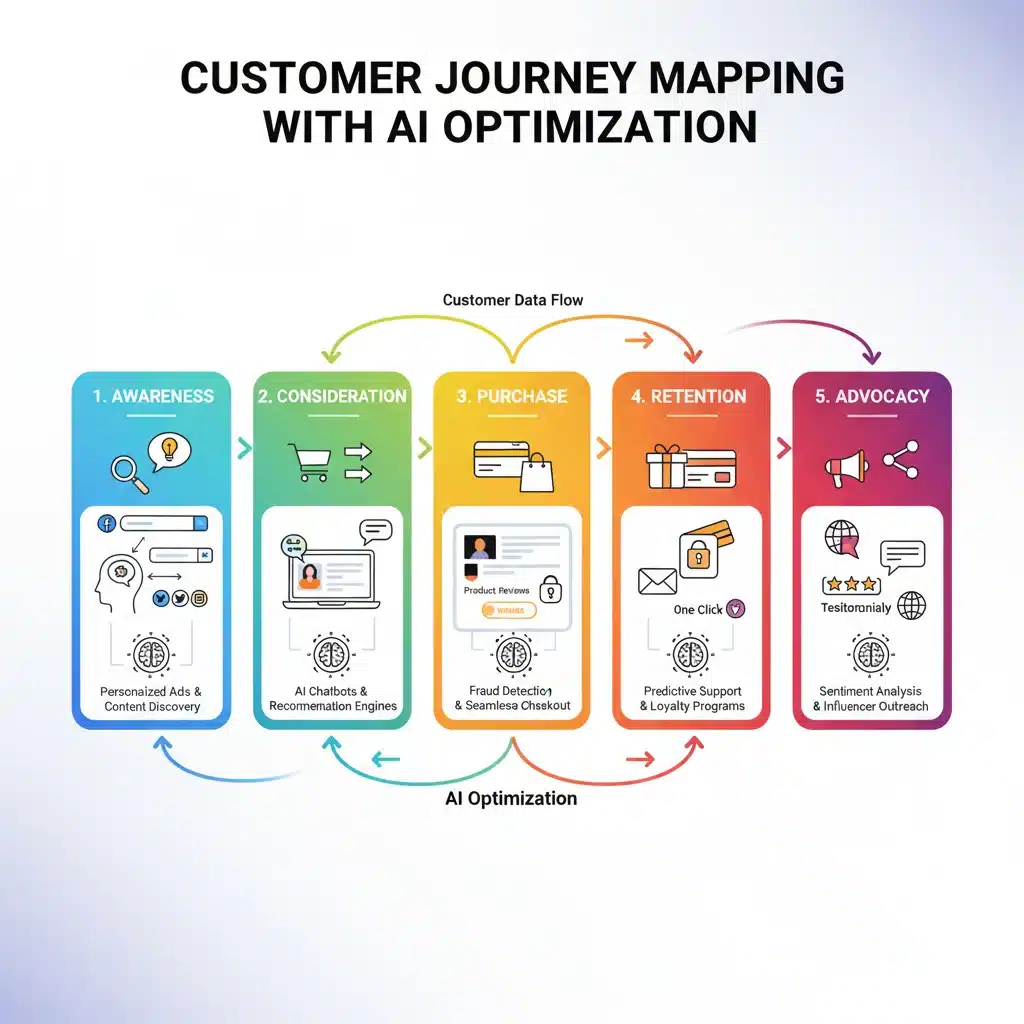
Beyond product recommendations, AI-powered personalization extends to every touchpoint of the customer journey. From personalized email campaigns and dynamic website content to tailored in-store promotions and predictive customer service, the platform ensures a consistent and highly relevant experience across all channels. This unified approach not only enhances customer satisfaction but also streamlines marketing efforts, reducing wasted resources on ineffective campaigns and maximizing ROI. The ability to anticipate customer needs and proactively offer solutions is a game-changer, fostering stronger customer relationships and driving repeat business, which is a cornerstone of sustainable growth in retail.
Revolutionizing Inventory Management and Supply Chain with AI
Inefficient inventory management and a fragmented supply chain can be major drains on retail profitability. The January 2026 platform update addresses these challenges head-on by integrating robust Retail AI Analytics into inventory and supply chain operations. This means moving away from reactive stock management to a proactive, predictive model that minimizes waste, optimizes stock levels, and ensures products are available when and where customers want them.
The AI models within the platform can analyze historical sales data, seasonal trends, promotional impacts, and even external factors like economic forecasts and competitor activities to predict demand with remarkable accuracy. This allows retailers to optimize ordering quantities, reduce overstocking (and associated carrying costs), and prevent stockouts that lead to lost sales and customer dissatisfaction. The system can also identify slow-moving items, suggesting strategies for clearance or repositioning, and highlight fast-moving products that require expedited replenishment. This level of granular insight into inventory dynamics is critical for maximizing efficiency and profitability.
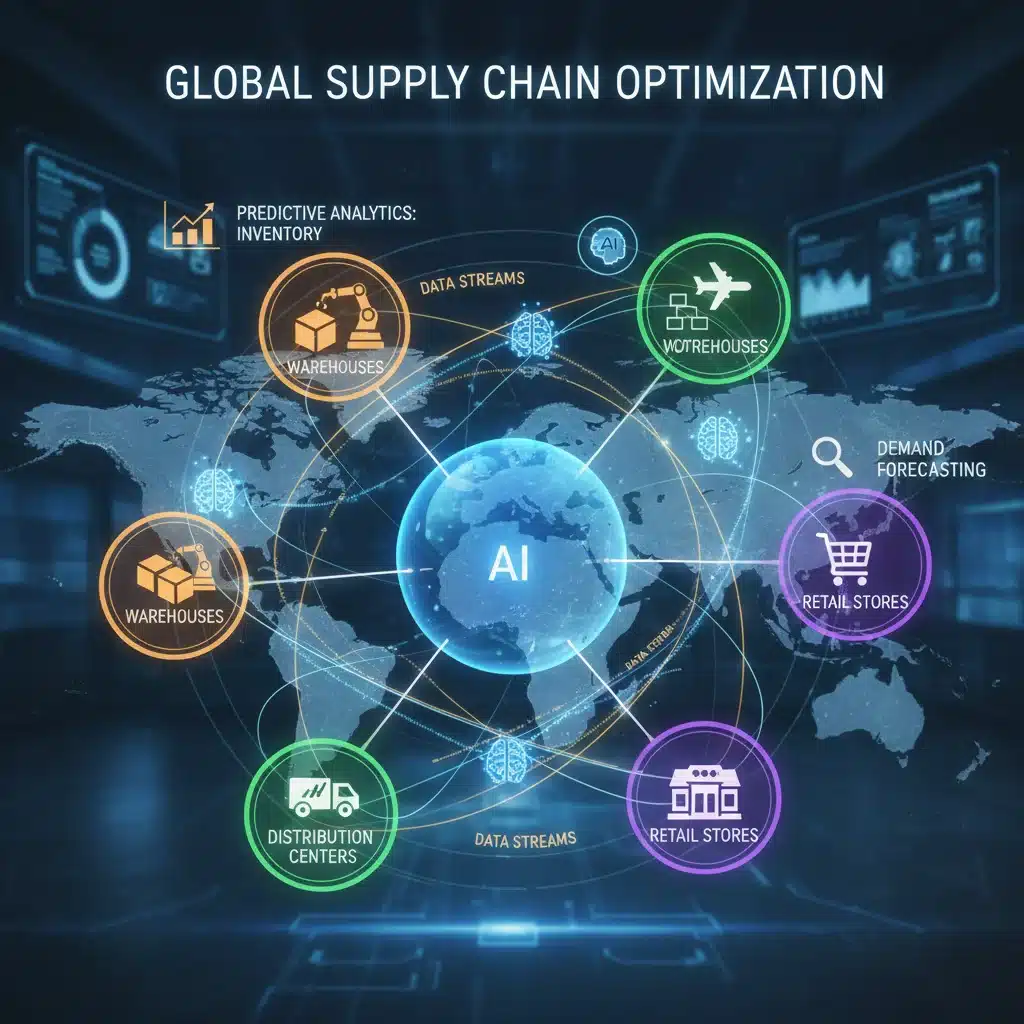
Furthermore, the platform’s AI capabilities extend to optimizing the entire supply chain. From supplier selection and procurement to warehousing and last-mile delivery, AI can identify bottlenecks, predict potential disruptions, and recommend optimal routes and logistics strategies. This leads to reduced shipping costs, faster delivery times, and improved overall operational efficiency. By leveraging AI to create a transparent and agile supply chain, retailers can respond quickly to market changes, capitalize on emerging opportunities, and ultimately deliver a superior customer experience, all while contributing to the overarching goal of a 15% sales boost.
The predictive power of this update means retailers can anticipate supply chain issues before they escalate, implementing preventative measures that save time and money. For example, if AI detects a potential delay in a key supply route, it can automatically suggest alternative suppliers or shipping methods, ensuring continuity of stock. This proactive approach not only safeguards sales but also builds resilience into the retail operation, making it more adaptable to unforeseen circumstances. The synergy between AI-driven demand forecasting and supply chain optimization is a cornerstone of the January 2026 update’s promise.
Optimizing Marketing and Sales Strategies with Data-Driven Insights
Achieving a 15% sales boost requires more than just better products; it demands smarter marketing and sales strategies. The January 2026 platform update empowers retailers to optimize these critical functions through sophisticated Retail AI Analytics. By providing deep insights into customer segments, campaign performance, and market trends, AI transforms marketing from an art into a precise science.
The platform enables retailers to segment their customer base with unprecedented accuracy, identifying micro-segments based on behavior, demographics, and psychographics. This granular segmentation allows for the creation of highly targeted marketing campaigns that resonate with specific groups, leading to higher engagement rates and improved conversion. AI can also predict which marketing channels will be most effective for different customer segments, optimizing ad spend and maximizing the return on investment for marketing efforts. This precision targeting ensures that every marketing dollar is spent wisely, contributing directly to sales growth.
Beyond targeting, the AI-powered analytics can perform real-time A/B testing and multivariate analysis of marketing materials, website layouts, and promotional offers. This continuous optimization process allows retailers to quickly identify what works best and adapt their strategies on the fly. For instance, AI can analyze user interactions on a website and suggest changes to product page layouts or call-to-action buttons that are likely to increase conversions. This iterative improvement process is crucial for staying competitive in a fast-paced market.
Sales teams also benefit immensely from these insights. AI can provide sales associates with real-time information about customer preferences, purchase history, and even recommended products to suggest during an interaction, whether in-store or online. This empowers sales staff to offer a more personalized and effective selling experience, leading to higher average transaction values and improved customer satisfaction. The integration of Retail AI Analytics into sales workflows essentially turns every sales interaction into a data-informed opportunity, driving tangible results towards the 15% sales target.
Enhancing In-Store and Online Customer Experience Through AI
The modern retail journey often blurs the lines between physical and digital. The January 2026 platform update leverages Retail AI Analytics to create a seamless, enhanced customer experience across both in-store and online channels, directly impacting sales and brand loyalty. A superior customer experience is no longer a luxury but a necessity for achieving and sustaining growth.
In the physical store, AI can be utilized in various innovative ways. For example, AI-powered sensors and cameras (with appropriate privacy safeguards) can analyze foot traffic patterns, identify popular product displays, and even detect customer emotions or frustration levels. This data can inform store layout optimizations, staff allocation, and personalized in-store recommendations delivered via mobile apps or digital signage. Imagine a customer browsing a particular section; their phone could receive a notification about a relevant promotion, or a sales associate could be alerted to offer assistance based on their browsing behavior. This intelligent intervention enhances the shopping experience and increases the likelihood of a purchase.
Online, the impact of AI on customer experience is even more profound. Beyond personalized product recommendations, AI powers intelligent chatbots that can provide instant customer support, answer queries, and even guide shoppers through the purchase process. These chatbots are capable of understanding natural language, learning from interactions, and providing consistent, accurate information 24/7. This reduces the burden on human customer service teams and ensures that customers receive timely assistance, preventing frustration and reducing cart abandonment rates.
Furthermore, AI can analyze website engagement metrics, identifying areas where customers struggle or drop off. This insight allows retailers to continuously optimize their e-commerce platforms for better navigation, faster loading times, and a more intuitive user interface. The goal is to create an effortless and enjoyable shopping journey, whether customers are browsing on a desktop, tablet, or mobile device. By leveraging Retail AI Analytics to fine-tune both the physical and digital touchpoints, retailers can cultivate a consistent brand experience that fosters loyalty and drives the anticipated 15% sales increase.
Measuring Success: KPIs and the 15% Sales Boost
The promise of a 15% sales boost isn’t just a hypothetical figure; it’s a measurable outcome achievable through the strategic implementation of the January 2026 platform update and its Retail AI Analytics capabilities. To truly leverage this potential, retailers must establish clear Key Performance Indicators (KPIs) and continuously monitor their progress.
Key metrics to track include, but are not limited to: conversion rates (both online and in-store), average order value, customer lifetime value, customer acquisition cost, inventory turnover rates, supply chain efficiency metrics (e.g., on-time delivery, order accuracy), and customer satisfaction scores (e.g., NPS). The platform provides comprehensive dashboards and reporting tools that make it easy to visualize these KPIs in real-time, allowing retailers to quickly identify trends, pinpoint areas for improvement, and measure the direct impact of their AI-driven strategies.
The 15% sales boost is a cumulative effect of improvements across various operational areas. By optimizing inventory, personalizing customer interactions, streamlining marketing efforts, and enhancing the overall customer journey, each small gain contributes to a significant overall increase. For example, a 2% increase in conversion rate combined with a 3% increase in average order value and a 5% reduction in stockouts can quickly add up to double-digit sales growth. The power of Retail AI Analytics lies in its ability to identify and quantify these interconnected improvements.
Moreover, the platform’s predictive analytics can help forecast the impact of proposed changes, allowing retailers to model different scenarios and choose the most effective strategies before committing resources. This reduces risk and increases the likelihood of achieving desired sales targets. Regular analysis of these KPIs, coupled with continuous optimization based on AI-generated insights, will be the cornerstone of sustained growth and profitability in the post-January 2026 retail landscape. It’s about creating a data-feedback loop that constantly refines and improves operations, ensuring that the 15% sales boost is not just a one-time achievement but an ongoing trajectory.
Challenges and Considerations for Implementation
While the January 2026 platform update offers immense potential, successful implementation of Retail AI Analytics is not without its challenges. Retailers must approach this transformation strategically, addressing key considerations to maximize their return on investment and truly achieve that 15% sales boost.
One primary challenge is data integration and quality. AI models are only as good as the data they are fed. Retailers often have data scattered across disparate systems – POS, CRM, e-commerce platforms, inventory management, etc. – which can be inconsistent or incomplete. A crucial first step is to establish a robust data infrastructure that can consolidate, clean, and standardize data from all sources. This foundational work is essential for the AI to generate accurate and actionable insights. Investing in data governance and data warehousing solutions will be critical.
Another consideration is the need for skilled talent. While the platform aims to be user-friendly, having employees who understand data science principles, AI concepts, and how to interpret complex analytical outputs will be a significant advantage. This might involve upskilling existing staff or hiring new talent with specialized expertise. Training programs focused on data literacy and AI application within a retail context will be vital to ensure widespread adoption and effective utilization of the new capabilities.
Furthermore, privacy and ethical considerations surrounding AI and customer data are paramount. Retailers must be transparent with customers about how their data is being used and ensure compliance with all relevant data protection regulations (e.g., GDPR, CCPA). Building trust with customers regarding data usage is essential for long-term success. The platform itself will incorporate features to aid in compliance, but the ultimate responsibility lies with the retailer to implement ethical data practices.
Finally, change management is a significant hurdle. Introducing new technology and processes requires careful planning and communication to overcome resistance from employees. Demonstrating the benefits of Retail AI Analytics, providing adequate training, and fostering a culture of innovation will be key to ensuring a smooth transition and encouraging adoption across all levels of the organization. Addressing these challenges proactively will pave the way for a successful implementation and unlock the full potential of the January 2026 update, leading to sustained growth and competitive advantage.