Retail Cyber Security: Halving Data Breaches by 2026
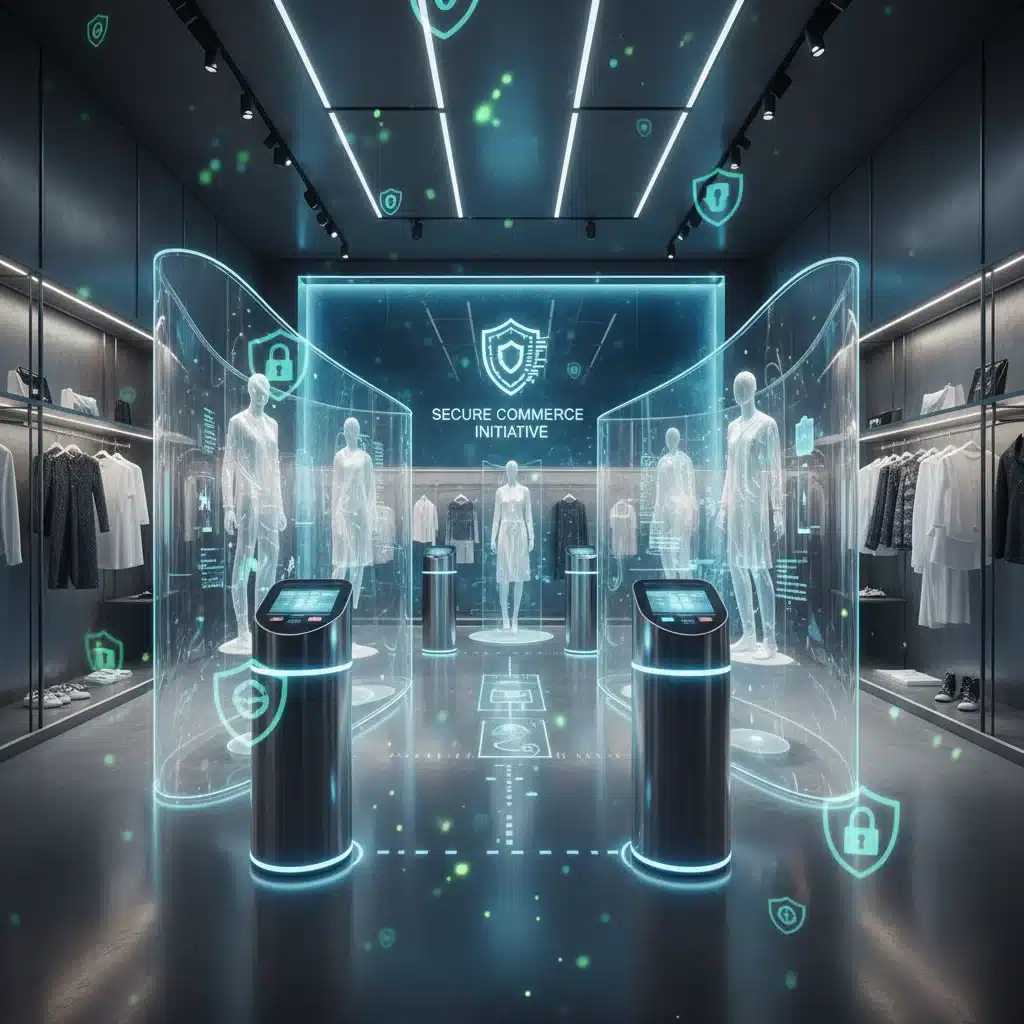
In an increasingly digital world, retail businesses find themselves at the forefront of innovation, constantly seeking new ways to engage customers and streamline operations. However, this digital transformation comes with an inherent risk: heightened exposure to cyber threats. The goal for many forward-thinking retail enterprises is ambitious yet critical: to reduce data breaches by 50% by 2026. This objective is not merely a technical challenge; it represents a fundamental shift in how retail organizations approach security, integrating it into every facet of their operations. Achieving this significant reduction requires a multi-faceted approach, combining advanced technological solutions with comprehensive human-centric strategies. The landscape of retail cyber security is evolving rapidly, demanding proactive measures and continuous adaptation to stay ahead of malicious actors. From protecting sensitive customer data to safeguarding supply chain integrity, the stakes have never been higher. A single data breach can lead to devastating financial losses, irreparable damage to brand reputation, and a profound erosion of customer trust. Therefore, investing in robust retail cyber security is no longer an option but a strategic imperative for survival and growth in the modern retail ecosystem.
The digital age has ushered in an era where customer data is a valuable commodity, making retailers prime targets for cybercriminals. Personal identifiable information (PII), payment card details, and shopping habits are all attractive datasets for those looking to exploit vulnerabilities. The sheer volume of transactions and customer interactions occurring daily in the retail sector creates an expansive attack surface that requires constant vigilance. Beyond financial implications, regulatory bodies worldwide are imposing stricter data protection laws, such as GDPR and CCPA, which carry hefty penalties for non-compliance. These regulations underscore the importance of not just preventing breaches but also demonstrating a clear commitment to data privacy and security. Therefore, the ambition to cut data breaches by half by 2026 is a reflection of this growing pressure and an acknowledgment that current security postures, while perhaps adequate for yesterday’s threats, are insufficient for tomorrow’s challenges. This article delves into the core strategies and technologies that will empower retail businesses to achieve this critical security milestone, ensuring their resilience in a hostile digital environment.
Understanding the Current Retail Cyber Security Landscape
Before embarking on a journey to reduce data breaches, it’s crucial to understand the current state of retail cyber security. The retail sector faces a unique set of challenges due to its diverse operations, including online e-commerce platforms, physical brick-and-mortar stores, point-of-sale (POS) systems, supply chain logistics, and a vast network of third-party vendors. Each of these touchpoints represents a potential vulnerability that cybercriminals can exploit. Phishing attacks, ransomware, malware, and insider threats are just some of the common attack vectors targeting retailers. The proliferation of IoT devices within stores, from smart shelves to inventory tracking systems, further expands the attack surface, creating new entry points for sophisticated attacks. Moreover, the rapid adoption of cloud computing for data storage and processing, while offering numerous benefits, also introduces complexities regarding data sovereignty, access controls, and compliance. The distributed nature of retail operations means that security efforts must be coordinated across multiple locations and departments, often involving varying levels of technical expertise and budget allocation. This fragmentation can lead to inconsistencies in security posture, making it difficult to establish a unified defense against evolving threats. Furthermore, the quick pace of technological innovation in retail, driven by consumer demand for seamless experiences, often outpaces the implementation of adequate security measures, leaving organizations exposed.
One of the most persistent threats in retail is the exploitation of POS systems. These systems, which handle sensitive payment information, are frequently targeted through sophisticated malware designed to scrape card data. Card-not-present fraud, prevalent in e-commerce, also continues to be a major concern, necessitating robust fraud detection mechanisms. Supply chain attacks, where adversaries compromise a trusted vendor to gain access to a retailer’s network, are also on the rise, highlighting the need for rigorous third-party risk management. The human element remains a significant vulnerability, with social engineering attacks like phishing and pretexting often succeeding due to insufficient employee awareness and training. Insider threats, whether malicious or accidental, also contribute to data breach incidents, emphasizing the importance of strong access controls and monitoring. The sheer volume of data processed by retailers, from customer purchase histories to loyalty program details, makes them attractive targets for data theft. The challenge is not just about preventing attacks but also about detecting them quickly and responding effectively to minimize damage. Many retailers struggle with visibility into their entire digital ecosystem, making it difficult to identify and neutralize threats before they escalate into full-blown breaches. This complex and ever-changing threat landscape necessitates a proactive, adaptive, and comprehensive approach to retail cyber security, moving beyond reactive defenses to predictive and preventative strategies.
Strategic Pillars for 50% Data Breach Reduction by 2026
Achieving a 50% reduction in data breaches by 2026 requires a strategic, multi-pronged approach built upon several key pillars. These pillars encompass technological advancements, process improvements, and a strong focus on human capital. By systematically addressing each area, retailers can build a resilient defense against the most sophisticated cyber threats. The first pillar involves strengthening foundational security controls. This includes implementing robust firewalls, intrusion detection/prevention systems (IDPS), and advanced endpoint protection across all devices and networks. Regular vulnerability assessments and penetration testing are essential to identify and remediate weaknesses before they can be exploited. Furthermore, adopting a ‘zero-trust’ security model, where no user or device is inherently trusted, regardless of their location, significantly enhances security by requiring strict verification for every access request. This model is particularly relevant for retailers with distributed operations and remote workforces. The second pillar focuses on data encryption, both in transit and at rest. Encrypting sensitive customer and business data ensures that even if a breach occurs, the stolen information remains unreadable and unusable to unauthorized parties. This is critical for compliance with data protection regulations and for maintaining customer trust. Strong encryption protocols should be applied to all databases, cloud storage, and communication channels. The third pillar emphasizes the importance of identity and access management (IAM). Implementing multi-factor authentication (MFA) for all user accounts, especially privileged ones, dramatically reduces the risk of unauthorized access. Regular review of access privileges and the principle of least privilege, where users are granted only the minimum access necessary to perform their job functions, are vital for preventing insider threats and minimizing the impact of compromised credentials. These foundational elements form the bedrock upon which more advanced security strategies can be built, providing a comprehensive defense against a wide array of cyber threats.
Leveraging Artificial Intelligence and Machine Learning for Enhanced Protection
Artificial Intelligence (AI) and Machine Learning (ML) are rapidly transforming the field of retail cyber security, offering unprecedented capabilities for threat detection, prevention, and response. These technologies can process vast amounts of data at speeds and scales impossible for humans, identifying patterns and anomalies that indicate malicious activity. AI-powered security solutions can analyze network traffic, user behavior, and system logs in real-time, flagging suspicious activities that might otherwise go unnoticed. For instance, ML algorithms can learn normal user behavior patterns and detect deviations, such as unusual login times, access to sensitive data, or large data transfers, which could signal an insider threat or a compromised account. Predictive analytics, driven by AI, can anticipate potential attack vectors and vulnerabilities, allowing retailers to proactively strengthen their defenses. This shift from reactive to predictive security is crucial for staying ahead of sophisticated cybercriminals. AI can also enhance fraud detection systems, particularly in e-commerce, by analyzing transaction data for unusual patterns that suggest fraudulent activity. By rapidly identifying and blocking fraudulent transactions, retailers can minimize financial losses and protect their customers. Furthermore, AI can automate routine security tasks, such as threat intelligence gathering, vulnerability scanning, and incident response, freeing up human security analysts to focus on more complex strategic challenges. The integration of AI and ML into retail cyber security frameworks is not just about efficiency; it’s about building an intelligent, adaptive defense system that can continuously learn and evolve to counter emerging threats, making it an indispensable tool in the quest to reduce data breaches significantly.
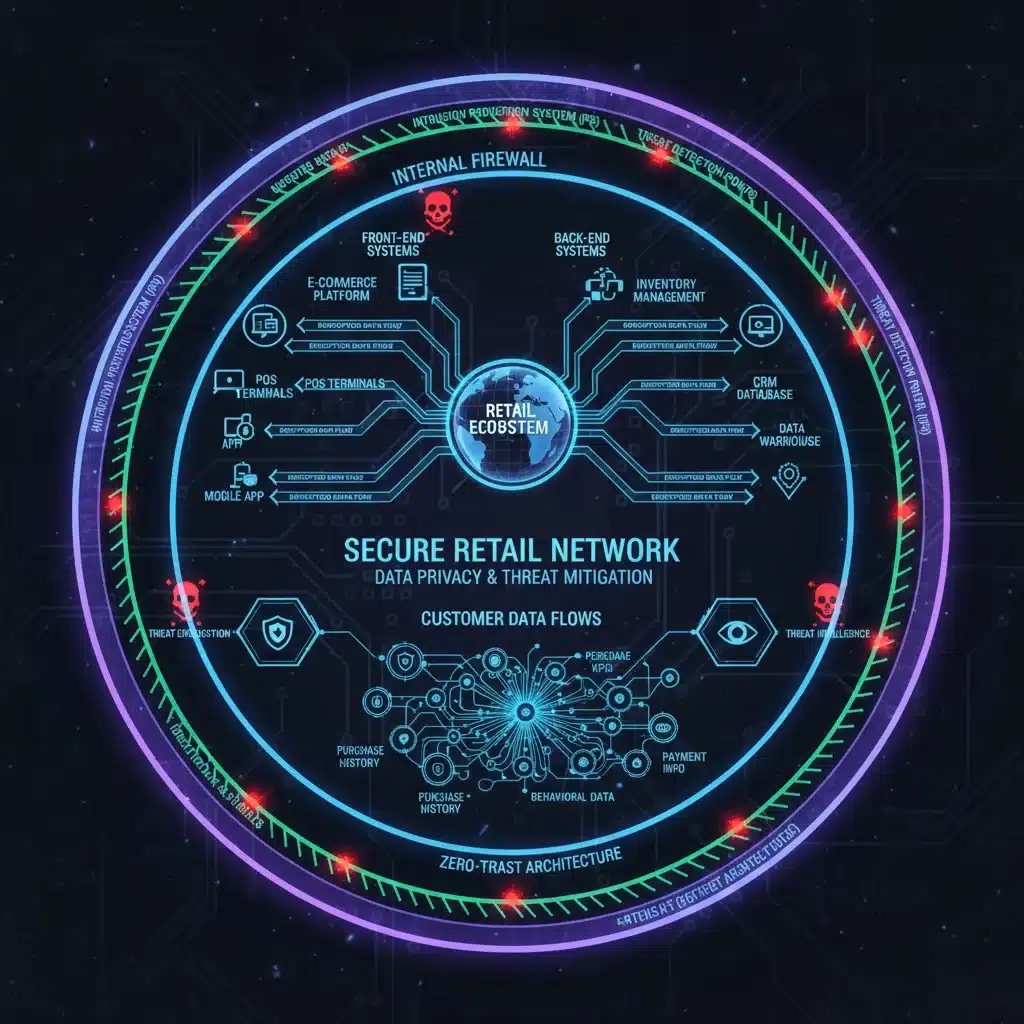
The Role of Blockchain in Securing Retail Supply Chains and Data Integrity
Blockchain technology, often associated with cryptocurrencies, holds immense potential for enhancing retail cyber security, particularly in securing supply chains and ensuring data integrity. Its decentralized, immutable, and transparent ledger system offers unique advantages in combating fraud and unauthorized data manipulation. In the retail supply chain, blockchain can create a secure and verifiable record of every product’s journey, from manufacturing to the customer. This immutable ledger makes it extremely difficult for counterfeit products to enter the supply chain or for unauthorized alterations to be made to shipment data. Each transaction and movement is timestamped and cryptographically linked, providing an unbroken chain of custody that can be audited and verified by all authorized participants. This enhanced transparency and traceability can significantly reduce the risk of supply chain attacks, where malicious actors might inject malware or compromise products at various stages. Beyond supply chain security, blockchain can also play a role in protecting customer data. Decentralized identity solutions built on blockchain can empower customers with greater control over their personal information, allowing them to selectively grant access to retailers without centralizing their data in a single, vulnerable database. This ‘self-sovereign identity’ model reduces the attractiveness of retailers as targets for mass data theft, as sensitive PII is not stored in one easily accessible location. Furthermore, blockchain’s cryptographic principles can be applied to secure data storage and integrity verification, ensuring that critical business data has not been tampered with. While the full-scale adoption of blockchain in retail cyber security is still in its nascent stages, its inherent security features make it a powerful tool for building trust, enhancing transparency, and significantly bolstering data integrity across the retail ecosystem, contributing to the overall goal of data breach reduction.
Strengthening Third-Party Risk Management and Vendor Security
The interconnected nature of modern retail often means relying on a vast ecosystem of third-party vendors, from payment processors and logistics providers to cloud service providers and marketing agencies. While these partnerships are essential for business operations, they also introduce significant security risks. A single vulnerability in a third-party vendor’s system can become a gateway for cybercriminals to access a retailer’s network and sensitive data. Therefore, strengthening third-party risk management and vendor security is a critical pillar in achieving a 50% reduction in data breaches. This involves a comprehensive approach that starts with rigorous due diligence before engaging any new vendor. Retailers must thoroughly assess a vendor’s security posture, including their data protection policies, incident response plans, compliance certifications, and track record. Service Level Agreements (SLAs) should include explicit clauses related to cyber security, data ownership, breach notification, and liability. Regular security audits and assessments of existing vendors are also crucial. This can include periodic penetration testing, vulnerability scans, and reviews of their security controls to ensure they meet the retailer’s standards. Continuous monitoring of third-party security performance is becoming increasingly important, leveraging security rating services and automated tools that can provide real-time insights into a vendor’s risk profile. Furthermore, establishing clear communication channels and incident response protocols with vendors is essential. In the event of a breach involving a third party, a predefined plan for information sharing, containment, and remediation can significantly mitigate the impact. By treating third-party security as an extension of their own, retailers can significantly reduce the attack surface and prevent breaches originating from their supply chain or service providers, making this a non-negotiable component of a robust retail cyber security strategy.
Cultivating a Culture of Security: Employee Training and Awareness
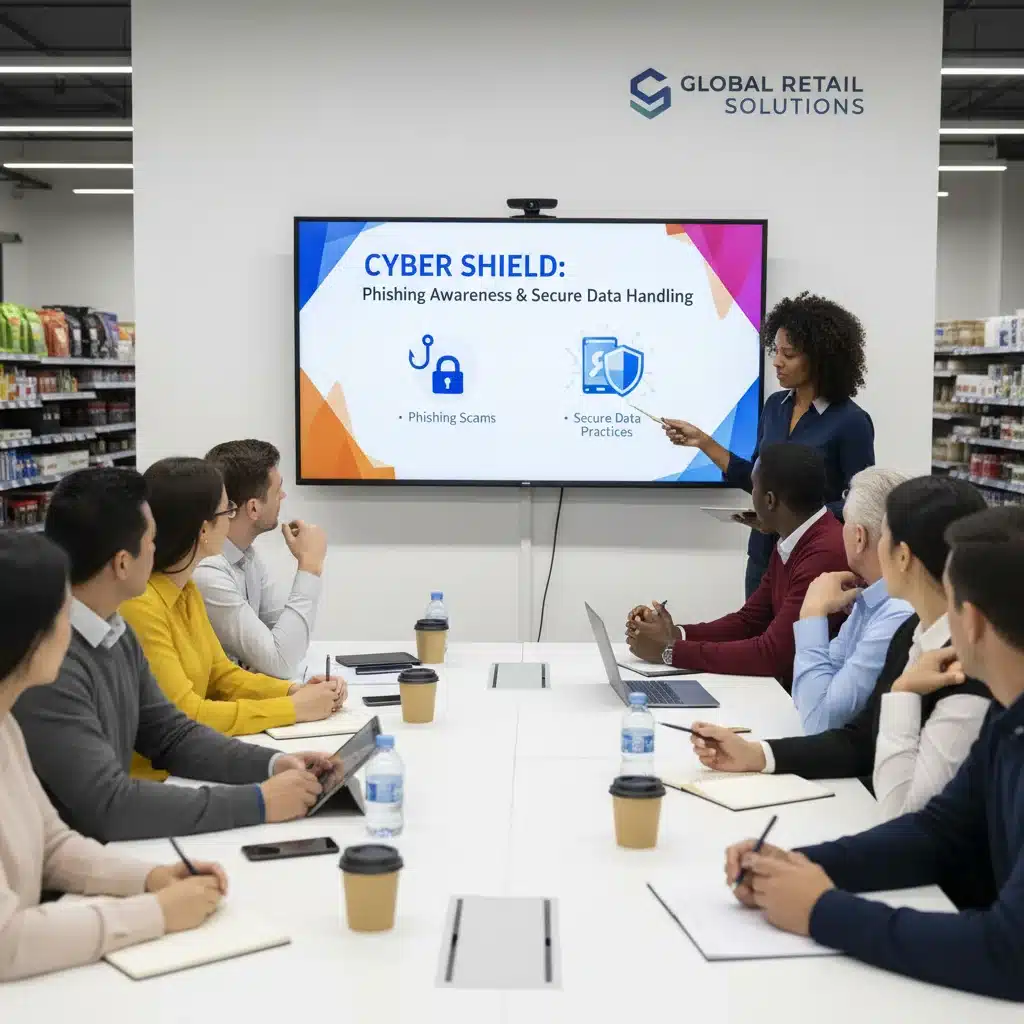
Even the most advanced retail cyber security technologies can be undermined by human error. Employees often represent the weakest link in an organization’s security chain, making a strong culture of security, driven by comprehensive training and awareness programs, absolutely critical. The goal of reducing data breaches by 50% by 2026 cannot be achieved without empowering every employee, from the C-suite to front-line staff, to be an active participant in the organization’s defense. Regular, engaging, and relevant training sessions are essential to educate employees about the latest cyber threats, such as phishing, ransomware, social engineering, and insider fraud. These training programs should go beyond theoretical knowledge, incorporating practical examples, simulations, and real-world scenarios to help employees identify and respond to threats effectively. For instance, simulated phishing campaigns can test employees’ vigilance and provide immediate feedback, reinforcing best practices. Awareness campaigns should be ongoing, utilizing various communication channels like internal newsletters, posters, and regular security alerts to keep cyber security top of mind. The content should be tailored to different roles and responsibilities, addressing specific risks relevant to each department. For example, POS staff need training on secure transaction processing and identifying suspicious customer behavior, while IT personnel require more in-depth technical security education. Beyond technical skills, fostering a security-first mindset involves promoting a culture where employees feel comfortable reporting suspicious activities without fear of reprimand. Establishing clear reporting mechanisms and encouraging a proactive approach to security can turn employees into an organization’s first line of defense. Leadership commitment is also paramount; when executives prioritize cyber security and lead by example, it sends a powerful message throughout the organization. By investing in continuous employee education and fostering a strong security culture, retailers can significantly reduce the risk of human-induced data breaches, transforming their workforce into a formidable asset in the fight against cybercrime and advancing the goal of significant data breach reduction.
Advanced Threat Detection and Incident Response
Even with robust preventative measures, no system is entirely impervious to attack. Therefore, advanced threat detection and a well-defined incident response plan are paramount for minimizing the impact of potential breaches and achieving the target of 50% reduction. Modern cyber threats are increasingly sophisticated, often designed to evade traditional security defenses. Retailers need to move beyond signature-based detection to incorporate behavioral analytics, threat intelligence, and security information and event management (SIEM) systems. SIEM solutions aggregate and analyze security logs from various sources across the network, providing a centralized view of security events and enabling rapid identification of suspicious activities. Extended Detection and Response (XDR) platforms take this a step further, integrating and correlating data across endpoints, networks, cloud environments, and applications to provide a more holistic view of threats and enable faster, more accurate detection. Proactive threat hunting, where security teams actively search for hidden threats within their networks, rather than waiting for alerts, is also becoming a critical practice. This involves leveraging threat intelligence feeds and advanced analytical tools to uncover sophisticated persistent threats (APTs) that might otherwise go undetected. Once a threat is detected, a swift and efficient incident response is crucial. An effective incident response plan (IRP) should outline clear roles and responsibilities, communication protocols, containment strategies, eradication procedures, and recovery steps. Regular tabletop exercises and simulations of various breach scenarios can help test the IRP’s effectiveness and ensure that all stakeholders are prepared to act decisively under pressure. Automated incident response tools can also accelerate the containment and remediation process, reducing the time attackers have to inflict damage. Post-incident analysis is equally important, providing valuable lessons learned that can be used to further strengthen security controls and prevent future occurrences. By investing in advanced threat detection capabilities and a mature incident response framework, retailers can significantly reduce the mean time to detect (MTTD) and mean time to respond (MTTR) to incidents, thereby limiting the scope and impact of breaches and contributing directly to the ambitious goal of reducing data breaches by 50%.
The Future of Retail Cyber Security: Emerging Technologies and Best Practices
Looking towards 2026 and beyond, the future of retail cyber security will be shaped by the continuous evolution of technology and the adoption of cutting-edge best practices. Quantum-resistant cryptography, while still in its early stages, is an emerging field that could revolutionize data encryption, protecting sensitive information from future quantum computing attacks. As quantum computing capabilities advance, current encryption standards may become vulnerable, necessitating a proactive shift towards quantum-safe algorithms. Edge computing, with its promise of processing data closer to its source, will also impact retail security. While it offers benefits in terms of speed and efficiency, it also introduces new security challenges, requiring robust security measures at the edge of the network. Secure by design principles will become even more ingrained in software development, ensuring that security is considered from the very inception of new retail applications and systems, rather than being an afterthought. This approach minimizes vulnerabilities by building security directly into the architecture. The concept of ‘security mesh architecture’ is gaining traction, advocating for a distributed security approach where security controls are spread across various layers of the IT environment, rather than relying on a single perimeter defense. This provides more granular control and resilience against sophisticated attacks. Furthermore, the increasing use of biometric authentication, such as facial recognition and fingerprint scanning, will offer more secure and convenient ways for customers and employees to access systems and complete transactions, reducing reliance on easily compromised passwords. Continued investment in threat intelligence sharing platforms will allow retailers to collaborate and share information about emerging threats and attack methodologies, strengthening the collective defense of the retail sector. Finally, a relentless focus on compliance and governance will remain paramount, ensuring that security practices align with evolving regulatory requirements and industry standards. By embracing these emerging technologies and continuously refining best practices, retailers can not only achieve the ambitious goal of reducing data breaches by 50% by 2026 but also build a resilient, future-proof security posture that protects their customers, their data, and their brand in an ever-changing digital landscape.
Conclusion: A Secure Future for Retail
The journey towards a 50% reduction in data breaches by 2026 is an ambitious but achievable goal for the retail sector. It demands a holistic and proactive approach that integrates advanced technology, robust processes, and a strong security-aware culture. From leveraging AI and ML for intelligent threat detection to securing supply chains with blockchain and fortifying defenses through rigorous third-party risk management, each strategic pillar plays a vital role. Crucially, the human element cannot be overlooked; continuous employee training and fostering a security-first mindset are fundamental to building a resilient defense. The evolving landscape of cyber threats necessitates constant adaptation and a commitment to continuous improvement. By embracing emerging technologies and adhering to best practices, retailers can not only protect their valuable assets and customer trust but also establish themselves as leaders in digital security. This proactive stance will not only mitigate financial and reputational risks but also foster greater customer confidence, ultimately contributing to sustainable growth and success in the digital age. The future of retail is secure, provided organizations commit to this transformative journey, making retail cyber security an integral part of their core business strategy. The path to 2026 is clear: innovate, educate, and secure, ensuring a safer and more trustworthy experience for everyone involved in the retail ecosystem.