Mastering Retail Inventory: Achieve a 15% Cost Reduction with Predictive Analytics by 2026
In the fiercely competitive landscape of retail, efficient inventory management isn’t just a best practice; it’s a critical determinant of profitability and long-term success. As we hurtle towards 2026, the stakes are higher than ever. Retailers are grappling with fluctuating consumer demands, complex global supply chains, and the relentless pressure to minimize operational costs. The traditional methods of inventory control, often reliant on historical sales data and manual forecasting, are proving increasingly inadequate. This article delves into the transformative power of predictive analytics, outlining a strategic roadmap for retailers to achieve an ambitious yet entirely attainable goal: a 15% reduction in holding costs through sophisticated retail inventory optimization by 2026.
The journey to significant cost reduction begins with a fundamental shift in perspective – moving from reactive stock management to proactive, data-driven forecasting. Predictive analytics, powered by artificial intelligence and machine learning, offers precisely this capability. By analyzing vast datasets, identifying intricate patterns, and anticipating future trends with remarkable accuracy, these advanced technologies empower retailers to make smarter, more timely decisions about what to stock, when to stock it, and where to position it across their distribution networks.
Imagine a scenario where overstocking becomes a rarity, where stockouts are minimized, and where capital isn’t tied up in slow-moving or obsolete merchandise. This isn’t a futuristic fantasy; it’s the tangible outcome of embracing sophisticated retail inventory optimization strategies. This comprehensive guide will explore the challenges hindering current inventory practices, illuminate the core principles of predictive analytics in a retail context, and provide actionable steps to implement a robust, cost-saving inventory strategy that positions your business for unparalleled efficiency and growth.
The Modern Retail Inventory Predicament: Why Traditional Methods Fall Short
Before we explore the solutions, it’s crucial to understand the depth of the challenge. Retailers today face a multitude of pressures that make traditional inventory management a precarious balancing act:
- Volatile Consumer Demand: Social media trends, economic shifts, and unexpected global events can cause sudden spikes or drops in demand, making static forecasts obsolete almost instantly.
- Complex Supply Chains: Globalized sourcing, multiple distribution centers, and diverse vendor relationships introduce numerous points of potential disruption and inefficiency.
- Rising Holding Costs: Warehousing expenses, insurance, obsolescence, spoilage, and capital tied up in inventory all contribute to significant holding costs that erode profit margins.
- Omnichannel Expectations: Customers expect seamless experiences across online and physical channels, requiring accurate, real-time inventory visibility across the entire ecosystem.
- Data Overload, Insight Underload: Retailers collect vast amounts of data, but often lack the tools and expertise to extract meaningful, actionable insights for retail inventory optimization.
These factors collectively lead to common pitfalls: overstocking (tying up capital, increasing holding costs, and risking obsolescence) and understocking (lost sales, customer dissatisfaction, and brand damage). The sweet spot – having just enough of the right product, at the right place, at the right time – remains elusive for many. This is precisely where predictive analytics steps in, offering a powerful antidote to these pervasive issues.
Understanding Predictive Analytics for Superior Retail Inventory Optimization
At its core, predictive analytics uses statistical algorithms, machine learning techniques, and historical data to forecast future outcomes. In the context of retail inventory optimization, this translates to anticipating demand, predicting supply chain disruptions, and optimizing stock levels with unprecedented precision.
Key Components of Predictive Analytics in Inventory:
- Demand Forecasting: Beyond simple historical sales, predictive models incorporate a myriad of external factors: seasonal trends, promotional activities, local events, weather patterns, competitor actions, social media sentiment, and even macroeconomic indicators. This holistic approach provides a far more accurate picture of future demand.
- Lead Time Variability Prediction: Understanding that lead times are rarely constant, predictive analytics can forecast potential delays from suppliers, shipping routes, or customs, allowing retailers to adjust order quantities and timings proactively.
- Optimal Reorder Points and Quantities: Instead of fixed reorder points, systems can dynamically adjust these based on predicted demand, lead time variability, and desired service levels, ensuring optimal stock levels without excessive buffer stock.
- Inventory Segmentation: Not all products are created equal. Predictive analytics can help segment inventory based on sales velocity, profitability, and demand predictability, allowing for differentiated management strategies. High-value, fast-moving items might warrant more frequent, smaller orders, while slow-moving items can be managed with a leaner, just-in-time approach.
- Promotional Impact Analysis: Accurately predicting the uplift from planned promotions or marketing campaigns enables retailers to stock appropriately, avoiding both lost sales and post-promotion excess.
The beauty of predictive analytics is its ability to learn and adapt. As new data flows in, the models refine themselves, becoming increasingly accurate over time. This continuous learning cycle is fundamental to achieving sustained improvements in retail inventory optimization.
The Path to a 15% Reduction in Holding Costs by 2026
Achieving a 15% reduction in holding costs is an ambitious but achievable target when leveraging predictive analytics effectively. Here’s a strategic framework for implementation:
Phase 1: Data Foundation and Preparation (6-12 months)
- Audit and Consolidate Data Sources: The first step is to identify all relevant data – sales history (POS data), returns, promotional calendars, supplier lead times, shipping data, website traffic, customer demographics, and even external data like weather forecasts or local event schedules. Consolidate these into a centralized data warehouse or lake. Data quality is paramount here; ‘garbage in, garbage out’ applies more than ever.
- Cleanse and Structure Data: Inconsistent formats, missing values, and errors must be addressed. This often involves significant data cleaning and transformation to ensure it’s suitable for analytical models.
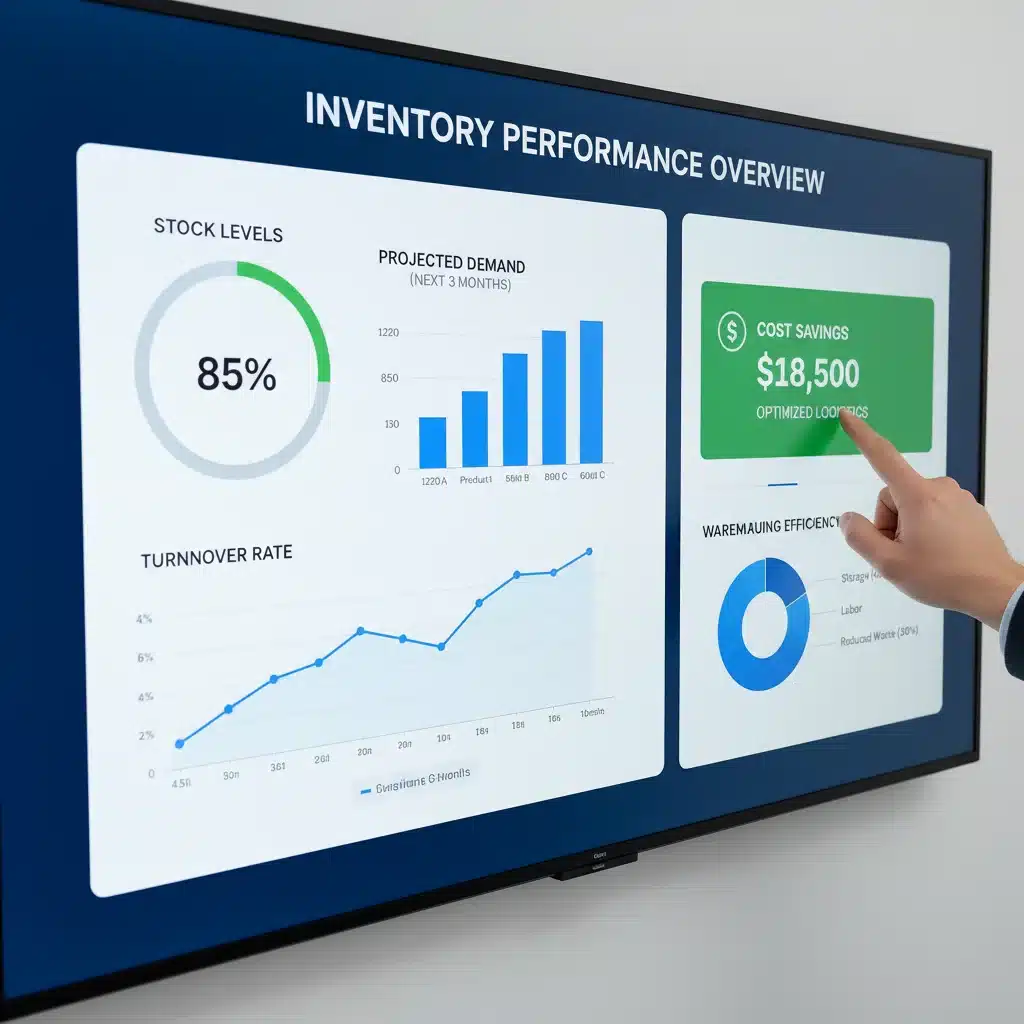
- Define Key Performance Indicators (KPIs): Clearly define what ‘15% reduction in holding costs’ means for your business. Establish baseline metrics for current holding costs, inventory turnover, stockout rates, and overstock percentages. These KPIs will measure progress and validate the impact of your retail inventory optimization efforts.
- Invest in the Right Technology Stack: This might involve upgrading your ERP system, implementing a dedicated inventory optimization platform, or integrating with specialized predictive analytics software. Cloud-based solutions often offer scalability and cost-effectiveness.
Phase 2: Model Development and Pilot (12-18 months)
- Develop Predictive Models: Work with data scientists (either in-house or external) to build and train machine learning models for demand forecasting, lead time prediction, and dynamic reorder point calculation. Start with specific product categories or locations to pilot the approach.
- Integrate with Existing Systems: The predictive insights must flow seamlessly into your existing purchasing, warehousing, and merchandising systems. This requires robust API integrations and workflow automation.
- Pilot Program Implementation: Launch a pilot in a controlled environment. Select a subset of SKUs or a few stores to test the models’ accuracy and impact. Monitor KPIs closely and gather feedback from operational teams.
- Iterate and Refine: Based on pilot results, continuously refine the models. This involves adjusting algorithms, incorporating new data sources, and fine-tuning parameters to improve forecasting accuracy and operational efficiency.
Phase 3: Scaled Deployment and Continuous Optimization (18-24 months and beyond)
- Full-Scale Rollout: Once the pilot demonstrates significant improvements, gradually roll out the predictive analytics solution across your entire product catalog and store network. Ensure adequate training for all relevant personnel.
- Automate Decision-Making: Where appropriate and safe, automate reorder suggestions or even direct purchasing based on predictive insights. This reduces manual effort and speeds up response times.
- Establish a Culture of Data-Driven Decisions: Encourage cross-functional collaboration. Inventory managers, merchandisers, marketing teams, and supply chain personnel should all use the insights generated by the predictive models to inform their strategies.
- Monitor and Adapt: The retail environment is dynamic. Continuously monitor model performance, track holding costs, and be prepared to adapt strategies and models as market conditions, consumer behavior, and supply chain dynamics evolve. Regular audits and performance reviews are crucial for sustained retail inventory optimization.
Tangible Benefits Beyond Cost Reduction
While the 15% reduction in holding costs is a compelling primary goal, the adoption of predictive analytics for retail inventory optimization yields a cascade of additional benefits:
- Improved Cash Flow: Less capital tied up in excess inventory means more liquidity for other strategic investments, such as marketing, store upgrades, or product development.
- Enhanced Customer Satisfaction: Fewer stockouts mean customers can consistently find the products they want, leading to higher satisfaction, increased loyalty, and repeat business.
- Reduced Waste and Obsolescence: By accurately predicting demand, retailers can minimize over-ordering of perishable goods or products subject to rapid fashion cycles, reducing write-offs and environmental waste.
- Optimized Warehouse Space: A leaner, more efficient inventory means less need for expansive, costly warehouse space, or the ability to utilize existing space more effectively for faster fulfillment.
- Greater Agility and Responsiveness: The ability to quickly adapt to market changes, whether a sudden surge in demand or a supply chain disruption, becomes a significant competitive advantage.
- Better Supplier Relationships: More accurate forecasting allows for more stable and predictable orders with suppliers, fostering stronger, more collaborative partnerships.
- Empowered Employees: With automated insights handling routine forecasting, inventory teams can focus on more strategic tasks, problem-solving, and continuous improvement, enhancing job satisfaction and productivity.

Overcoming Implementation Challenges
Implementing a sophisticated predictive analytics solution for retail inventory optimization is not without its hurdles. Retailers should be prepared to address:
- Data Silos and Quality: This is often the biggest initial challenge. Investing time and resources into data integration and cleansing is non-negotiable.
- Talent Gap: Finding or training data scientists and analysts with expertise in both machine learning and retail operations can be difficult. Outsourcing or partnering with specialized firms might be necessary.
- Resistance to Change: Employees accustomed to traditional methods may resist new processes. Effective change management, clear communication of benefits, and comprehensive training are vital.
- Cost of Initial Investment: The upfront investment in technology and expertise can be substantial. However, the long-term ROI, particularly from significant cost reductions, far outweighs this initial outlay.
- Model Complexity and Interpretability: Ensuring that the models are not black boxes and that their outputs can be understood and trusted by business users is crucial for adoption.
Addressing these challenges proactively will pave a smoother path towards successful implementation and the realization of the 15% holding cost reduction target.
Case Studies and Real-World Impact
Numerous retailers globally are already reaping the rewards of advanced retail inventory optimization. For instance, a major fashion retailer leveraged AI-driven forecasting to reduce excess inventory by 20% and improve in-stock rates by 10%, directly impacting their bottom line. A grocery chain, by integrating predictive analytics, managed to cut fresh produce waste by 15% while ensuring shelves remained stocked, leading to both cost savings and enhanced customer satisfaction.
These examples highlight that the 15% holding cost reduction target is not theoretical; it’s a proven outcome for businesses committed to data-driven transformation. The key lies in strategic planning, robust data infrastructure, and a willingness to embrace cutting-edge technology.
The Future of Retail Inventory: Beyond 2026
As we look beyond 2026, the evolution of retail inventory optimization will continue. Expect even more sophisticated models incorporating real-time sensor data from smart shelves, hyper-localized demand prediction, and autonomous inventory management systems. The integration of blockchain for enhanced supply chain transparency and the use of digital twins to simulate inventory scenarios will further refine predictive capabilities.
Retailers who establish a strong foundation in predictive analytics now will be exceptionally well-positioned to adapt to these future innovations and maintain a competitive edge. The continuous pursuit of efficiency and customer satisfaction through intelligent inventory practices will define the leaders of tomorrow’s retail landscape.
Conclusion: Seize the Opportunity for Smarter Retail Inventory
The goal of a 15% reduction in holding costs by 2026 through advanced retail inventory optimization is not just a financial objective; it’s a strategic imperative for any retailer aiming for sustainable growth and resilience. The tools and methodologies are available today, offering an unparalleled opportunity to transform a historically complex and costly aspect of retail operations into a source of competitive advantage.
By investing in data infrastructure, embracing predictive analytics, and fostering a culture of continuous improvement, retailers can navigate the complexities of modern commerce with confidence. The time to act is now. Begin your journey towards a leaner, more efficient, and more profitable retail inventory strategy. The future of retail is data-driven, and those who harness its power will undoubtedly thrive.