Transforming Retail Payments: Reduce Transaction Times by 25% This Year
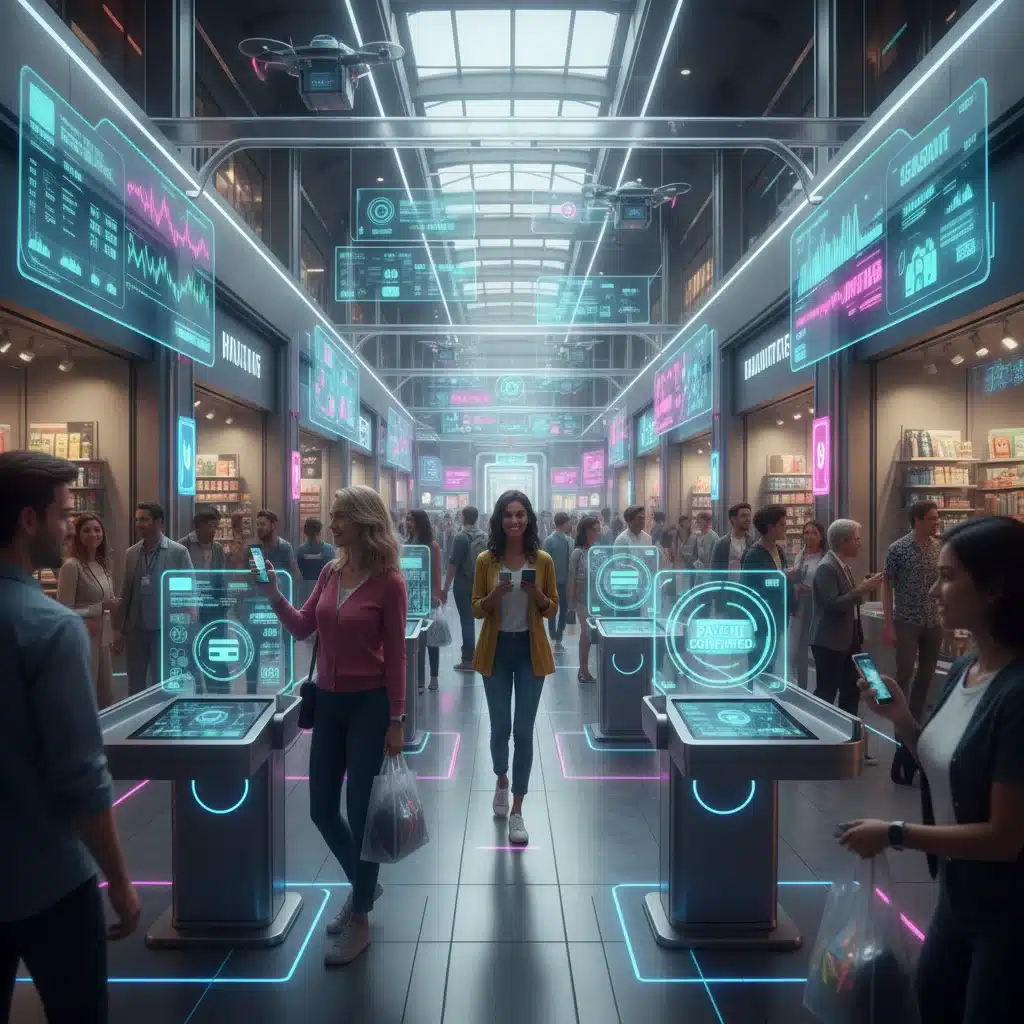
In the fast-paced world of retail, every second counts. Customers today expect not just quality products and excellent service, but also a swift and seamless checkout experience. Long queues and slow payment processing can quickly lead to frustration, abandoned carts, and ultimately, lost sales. This is why the adoption of new technologies to reduce transaction times is no longer a luxury but a necessity for retailers aiming to thrive in an increasingly competitive market. Our focus today is on how businesses can strategically embrace Retail Payment Innovation to achieve a remarkable 25% reduction in transaction times this year.
The Future of Retail Payments: Adopting New Technologies to Reduce Transaction Times by 25% This Year
The retail landscape is undergoing a profound transformation, driven by technological advancements and evolving consumer expectations. Payment processing, once a mere backend function, has now become a critical component of the overall customer experience. Retailers who prioritize efficient and secure payment solutions are better positioned to attract and retain customers, optimize operational costs, and gain a significant competitive edge. This article delves deep into the strategies and technologies that can help businesses achieve a 25% reduction in payment transaction times within the next year, focusing on the core principles of Retail Payment Innovation.
Imagine a scenario where your customers glide through checkout, their transactions completed in mere seconds, leaving them with a positive, lasting impression. This isn’t a futuristic dream; it’s an achievable reality with the right technological investments and strategic planning. We will explore the current challenges in retail payment processing, the emerging technologies offering solutions, and practical steps businesses can take to implement these changes effectively.
Understanding the Current Landscape of Retail Payments
Before we can innovate, we must first understand the existing challenges. Traditional payment methods, while familiar, often contribute to bottlenecks. Magnetic stripe cards, manual signature verification, and outdated point-of-sale (POS) systems can significantly prolong transaction times. Even chip-and-PIN transactions, while more secure, can sometimes feel slow when compared to newer, faster alternatives.
Common Bottlenecks in Retail Payment Processing:
- Legacy POS Systems: Many retailers still rely on older POS hardware and software that are not optimized for speed or integration with modern payment methods.
- Slow Authorization Times: The time it takes for a transaction to be authorized by banks can vary, especially during peak hours or with international transactions.
- Manual Entry Errors: For businesses that still rely on manual input for card details or loyalty programs, human error can lead to delays and reprocessing.
- Network Latency: A slow or unreliable internet connection can severely impact payment processing speed.
- Fraud Prevention Measures: While essential, overly complex or time-consuming fraud checks can add seconds to each transaction.
- Customer Familiarity: Some customers may be slower to adopt new payment technologies, requiring more assistance from staff.
Addressing these bottlenecks is the first step towards achieving significant reductions in transaction times. By understanding where the delays occur, retailers can pinpoint areas for improvement and focus their Retail Payment Innovation efforts.
The Power of Modern Retail Payment Innovation: Key Technologies
The good news is that a plethora of innovative technologies are available today to streamline the payment process. By strategically implementing these solutions, retailers can dramatically cut down on transaction times and enhance the overall customer experience.
1. Contactless Payments (NFC and Tap-to-Pay):
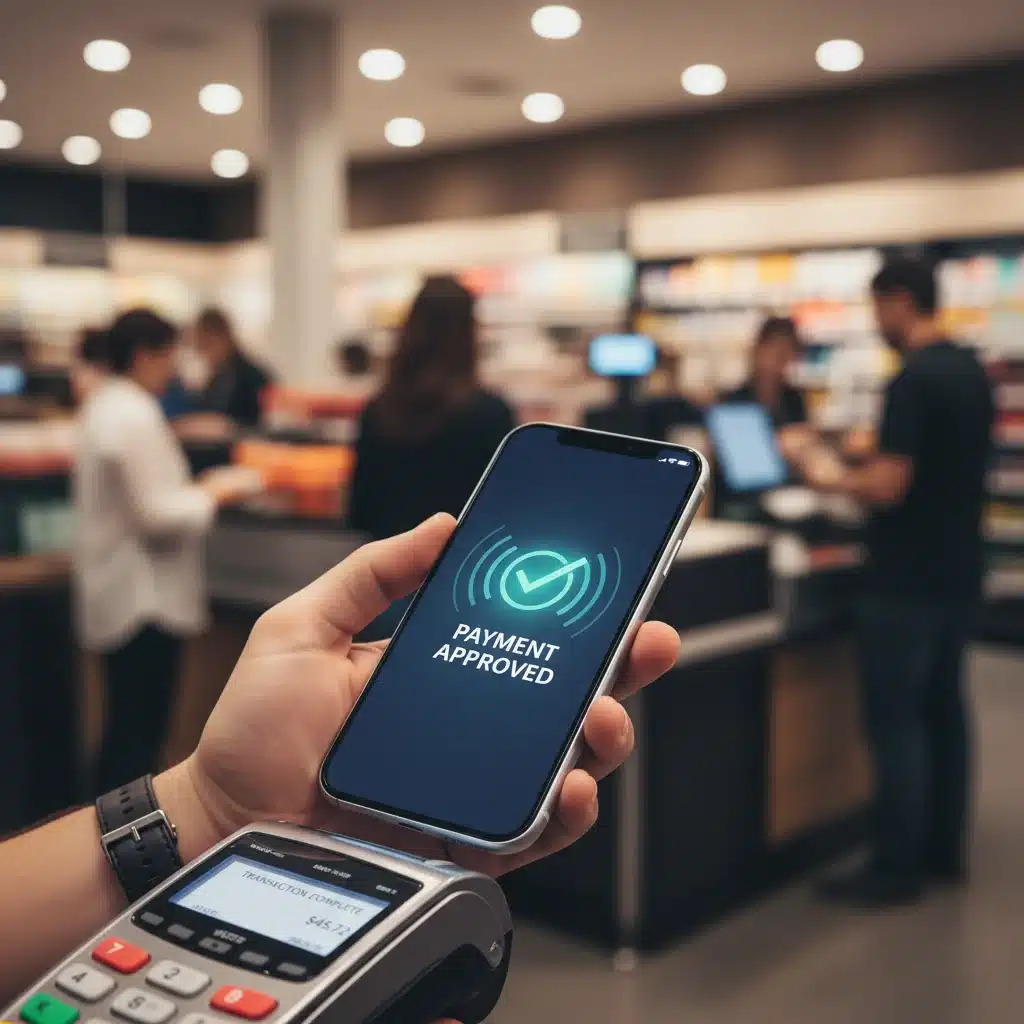
Near Field Communication (NFC) technology has revolutionized in-store payments. Customers can simply tap their credit card, debit card, smartphone, or smartwatch on a compatible terminal to complete a transaction in a matter of milliseconds. This eliminates the need for inserting cards, entering PINs (for smaller transactions), or signing receipts, making it incredibly fast and convenient. Adoption of NFC is a cornerstone of modern Retail Payment Innovation.
- Speed: Transactions often complete in under a second.
- Convenience: No physical interaction with the terminal beyond a tap.
- Hygiene: Reduced contact, especially relevant in a post-pandemic world.
2. QR Code Payments:
Popularized in Asia and rapidly gaining traction globally, QR code payments offer another fast and low-cost alternative. Customers scan a QR code displayed by the merchant using their smartphone payment app, confirm the amount, and authorize the payment. This method is particularly beneficial for smaller businesses or those looking to reduce hardware costs.
- Cost-Effective: Requires minimal hardware investment.
- Versatile: Can be used for both in-store and online payments.
- Accessibility: Widely supported by various payment apps.
3. Mobile Wallets and Digital Payment Apps:
Platforms like Apple Pay, Google Pay, Samsung Pay, and various proprietary retailer apps integrate multiple payment methods, loyalty programs, and offers into a single digital wallet. These apps leverage NFC or QR codes for swift in-store payments and offer a seamless experience for online purchases. Investing in integrations with popular mobile wallets is a crucial aspect of Retail Payment Innovation.
- Consolidated Experience: Combines payment, loyalty, and offers.
- Enhanced Security: Tokenization and biometric authentication protect transactions.
- Personalization: Allows for targeted promotions and rewards.
4. Self-Checkout and Automated Stores:
Self-checkout kiosks empower customers to scan and pay for their items independently, significantly reducing wait times and the need for cashier assistance. Fully automated stores, like Amazon Go, take this a step further by using advanced sensors and AI to detect what customers take from shelves and automatically charge their accounts upon exit, eliminating the checkout process entirely.
- Reduced Labor Costs: Frees up staff for other tasks.
- Increased Throughput: More customers can be processed simultaneously.
- Customer Autonomy: Appeals to customers who prefer self-service.
5. Cloud-Based POS Systems:
Moving from traditional on-premise POS systems to cloud-based solutions offers numerous advantages. Cloud POS systems are often faster, more reliable, and easier to update. They can integrate seamlessly with e-commerce platforms, inventory management, and customer relationship management (CRM) systems, providing a unified view of business operations and streamlining the payment process.
- Real-time Data: Access to sales and inventory data from anywhere.
- Scalability: Easily expand or add new terminals as needed.
- Enhanced Security: Reputable cloud providers offer robust security features.
6. AI and Machine Learning in Fraud Prevention:
While fraud prevention is essential, traditional methods can be slow. AI and machine learning algorithms can analyze vast amounts of data in real-time to detect fraudulent patterns with high accuracy and speed, often without interrupting legitimate transactions. This allows for faster authorization while maintaining high security standards, a key part of advanced Retail Payment Innovation.
- Faster Detection: Identifies suspicious activity instantly.
- Reduced False Positives: Minimizes legitimate transactions being flagged.
- Adaptive Learning: Algorithms improve over time.
7. Blockchain and Cryptocurrency Payments:
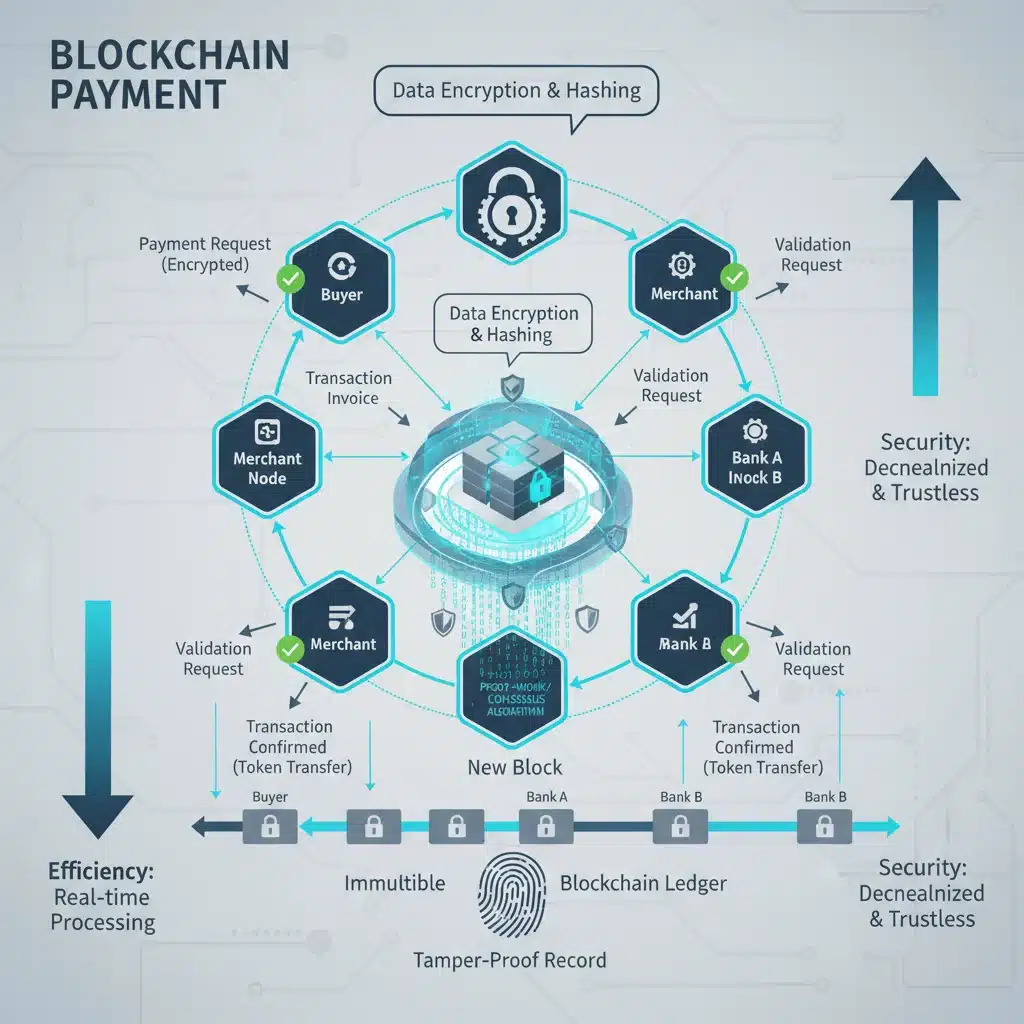
Though still in early stages of widespread retail adoption, blockchain technology offers the potential for highly secure, transparent, and immutable transactions with reduced intermediation. Cryptocurrency payments, while volatile, can be processed very quickly if the infrastructure is in place, potentially offering lower transaction fees in the long run. This is a nascent but powerful area for Retail Payment Innovation.
- Decentralization: Reduces reliance on traditional financial institutions.
- Security: Cryptographic encryption enhances transaction integrity.
- Speed (Potential): Direct peer-to-peer transactions can be very fast.
Strategies for Implementing Retail Payment Innovation to Reduce Transaction Times by 25%
Achieving a 25% reduction in transaction times requires a strategic, phased approach. Here’s how retailers can plan and execute their Retail Payment Innovation initiatives:
1. Assess Your Current Payment Ecosystem:
Start by conducting a thorough audit of your existing payment infrastructure. Identify the slowest points in your current process. Are queues forming due to slow card readers? Is your internet connection unreliable? Are your staff spending too much time troubleshooting payment issues? Understanding the baseline is crucial for measuring improvement.
2. Prioritize High-Impact Technologies:
Based on your assessment, identify which technologies will offer the most significant impact on transaction times for your specific business model. For many, upgrading to NFC-enabled POS terminals and promoting mobile wallet usage will be a quick win. For others, implementing self-checkout or optimizing online payment gateways might be more critical.
3. Invest in Robust Infrastructure:
Fast payments require fast and reliable underlying infrastructure. This means investing in high-speed internet, secure local networks, and modern, compatible POS hardware. Outdated hardware will negate the benefits of advanced software.
4. Train Your Staff:
Even the best technology is ineffective without proper training. Ensure your staff are fully proficient in operating new payment systems, troubleshooting common issues, and guiding customers through the process. Well-trained staff can significantly speed up transactions and improve customer satisfaction.
5. Educate Your Customers:
Promote the use of faster payment methods to your customers. Clearly display signage indicating contactless payment options, QR code availability, and supported mobile wallets. Offer incentives for using these faster methods, such as loyalty points or discounts. A smooth transition involves engaging your customer base in this Retail Payment Innovation.
6. Integrate and Unify Payment Systems:
For retailers operating both online and offline, a unified payment system is paramount. Integrate your in-store POS with your e-commerce platform to ensure consistent data, shared customer profiles, and a seamless omnichannel experience. This reduces data entry, reconciliations, and potential errors.
7. Leverage Data Analytics:
Modern payment systems generate a wealth of data. Use analytics tools to monitor transaction speeds, identify peak times, understand customer payment preferences, and continuously optimize your payment processes. Data-driven decisions are key to sustained improvement in Retail Payment Innovation.
8. Partner with Innovative Payment Providers:
Choosing the right payment processor and technology partners is crucial. Look for providers that offer advanced features, robust security, competitive pricing, and excellent customer support. They should be partners in your Retail Payment Innovation journey.
Measuring Success: How to Track Your 25% Reduction
To confirm you’ve achieved your goal of a 25% reduction in transaction times, you need clear metrics and a consistent tracking methodology.
Key Performance Indicators (KPIs):
- Average Transaction Time: Measure the time from when a customer initiates payment to when the transaction is successfully completed.
- Queue Length and Wait Times: Monitor the average and maximum number of customers in line, and how long they wait.
- Payment Method Usage: Track the adoption rates of faster payment methods (e.g., percentage of contactless vs. chip-and-PIN transactions).
- Error Rates: Reduced errors mean fewer re-scans or re-entries, contributing to faster transactions.
- Customer Satisfaction Scores: Surveys and feedback can reveal if customers perceive the checkout process as faster and more efficient.
Establish a baseline before implementing changes and then continuously monitor these KPIs. Regular reporting and analysis will help you fine-tune your strategies and ensure you stay on track to meet your 25% reduction target through effective Retail Payment Innovation.
Case Studies and Real-World Impact
Numerous retailers have already seen significant benefits from embracing Retail Payment Innovation. For instance, major grocery chains that have implemented extensive self-checkout lanes and promoted contactless payments have reported reductions in customer wait times by as much as 30-40% during peak hours. Similarly, coffee shop chains leveraging mobile order-and-pay apps have dramatically reduced in-store transaction times, allowing customers to pick up their orders without waiting in line at all.
A small boutique clothing store, after upgrading its POS system to a cloud-based solution with integrated contactless payments, reported a 20% increase in daily transaction volume due to faster checkout, and a 15% reduction in end-of-day reconciliation time. These examples highlight that Retail Payment Innovation is not just for large enterprises but can deliver substantial benefits across businesses of all sizes.
Overcoming Challenges in Adopting New Payment Technologies
While the benefits are clear, adopting new payment technologies can come with its own set of challenges. Retailers might face initial costs for hardware upgrades, software licenses, and training. There could also be resistance from staff or customers who are comfortable with older methods. Security concerns, data privacy regulations, and integration complexities with existing systems are also common hurdles.
To overcome these, a phased rollout approach can be beneficial. Start with a pilot program in a few locations or with a specific set of customers. Gather feedback, address issues, and then scale up. Clear communication about the benefits of new systems to both staff and customers can help mitigate resistance. Partnering with experienced payment solution providers can also help navigate technical complexities and ensure compliance with security standards.
The Long-Term Benefits Beyond Speed
Reducing transaction times by 25% is an ambitious and achievable goal, but the benefits of Retail Payment Innovation extend far beyond just speed:
- Improved Customer Experience: Faster checkouts lead to happier customers, increased loyalty, and positive word-of-mouth.
- Increased Sales and Throughput: Shorter queues mean more transactions can be processed, especially during busy periods.
- Enhanced Operational Efficiency: Streamlined payment processes reduce manual tasks, errors, and staff workload.
- Better Data Insights: Modern payment systems provide rich data on customer behavior, sales patterns, and inventory, enabling more informed business decisions.
- Stronger Security: Advanced payment technologies often come with enhanced security features like tokenization and end-to-end encryption, reducing fraud risks.
- Future-Proofing Your Business: Adopting innovative payment solutions positions your business to adapt to future technological shifts and consumer demands.
These long-term advantages underscore why investing in Retail Payment Innovation is not just about a quick fix but about building a resilient, customer-centric, and efficient retail operation for the future.
Conclusion: Your Path to Faster Retail Payments
The journey to reducing retail payment transaction times by 25% this year is an exciting one, paved with opportunities for growth and enhanced customer satisfaction. By understanding the current bottlenecks, strategically adopting cutting-edge technologies like contactless payments, QR codes, mobile wallets, and cloud POS systems, and implementing a well-thought-out plan, retailers can achieve this ambitious goal.
The commitment to Retail Payment Innovation is a commitment to your customers and the future success of your business. It’s about creating a seamless, efficient, and secure shopping experience that keeps customers coming back. Start your assessment today, identify your key areas for improvement, and embark on the path to a faster, more agile, and more profitable retail payment ecosystem. The future of retail payments is here, and it’s faster than ever.