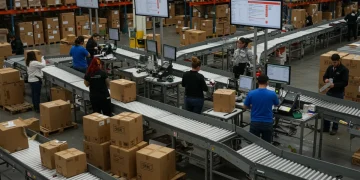
Navigating Supply Chain Disruptions: Retail Strategies to Maintain 95% On-Time Delivery in 2026
The retail landscape is in a constant state of flux, characterized by evolving consumer demands, geopolitical shifts, and unforeseen global events. In this dynamic environment, maintaining high levels of operational efficiency, particularly in supply chain management, is not merely an advantage but a fundamental necessity for survival and growth. The ambitious target of achieving 95% on-time delivery by 2026 is a testament to the increasing pressure on retailers to perfect their logistics and distribution networks. This article delves into comprehensive strategies designed to bolster Retail Supply Chain Resilience, enabling businesses to not only withstand disruptions but also to thrive amidst uncertainty.
The Shifting Sands of Retail Supply Chains
The past few years have served as a stark reminder of the fragility of global supply chains. From the Suez Canal blockage to the COVID-19 pandemic, and from labor shortages to geopolitical conflicts, retailers have faced an unprecedented array of challenges. These disruptions have exposed critical vulnerabilities, leading to stockouts, delayed deliveries, increased costs, and ultimately, dissatisfied customers. The traditional linear supply chain model, often optimized for cost efficiency at the expense of flexibility, has proven inadequate in the face of such volatility.
As we look towards 2026, the expectation is not for these challenges to disappear, but rather for them to evolve in complexity and frequency. Climate change, cyber threats, and continued geopolitical instability will likely introduce new layers of risk. Therefore, building Retail Supply Chain Resilience is no longer an optional endeavor but a strategic imperative. It involves a fundamental shift from reactive problem-solving to proactive risk management and adaptive planning.
Defining 95% On-Time Delivery: More Than Just a Metric
Achieving 95% on-time delivery signifies a commitment to excellence that permeates every facet of a retail operation. It means that 95% of orders reach their intended destination within the promised timeframe, meeting or exceeding customer expectations. This metric is crucial for several reasons:
- Customer Satisfaction and Loyalty: In an age of instant gratification, timely delivery is a significant driver of customer satisfaction. Reliable delivery builds trust and fosters repeat business.
- Brand Reputation: A consistent record of on-time delivery enhances a brand’s reputation for reliability and efficiency, setting it apart from competitors.
- Operational Efficiency: High on-time delivery rates often correlate with optimized inventory management, efficient warehousing, and streamlined transportation, leading to reduced operational costs.
- Competitive Advantage: In a crowded market, superior delivery performance can be a key differentiator, attracting and retaining customers who prioritize speed and reliability.
The journey to 95% on-time delivery by 2026 requires a multi-faceted approach, integrating technology, strategic partnerships, and a culture of continuous improvement across the entire Retail Supply Chain Resilience framework.
Pillars of Retail Supply Chain Resilience
1. Enhanced Visibility and Data Analytics
One of the most significant weaknesses exposed during recent disruptions was a lack of end-to-end visibility across the supply chain. Many retailers operated with blind spots, unaware of potential issues until they escalated into major problems. To achieve 95% on-time delivery, comprehensive visibility is non-negotiable.
- Real-time Tracking and Monitoring: Implementing advanced tracking technologies, such as IoT sensors, GPS, and RFID, allows retailers to monitor goods in transit, inventory levels, and warehouse operations in real-time. This provides immediate alerts for delays, diversions, or damage, enabling proactive intervention.
- Integrated Data Platforms: Breaking down data silos between different departments (e.g., procurement, logistics, sales, customer service) and external partners (suppliers, carriers) is crucial. A unified data platform provides a single source of truth, facilitating better decision-making and coordination.
- Predictive Analytics and AI: Leveraging artificial intelligence and machine learning to analyze historical data, market trends, weather patterns, and geopolitical forecasts can help predict potential disruptions before they occur. This enables retailers to pre-emptively adjust inventory levels, reroute shipments, or secure alternative suppliers. For instance, AI can analyze social media sentiment to predict spikes in demand for certain products, allowing for timely inventory adjustments.
- Control Tower Solutions: A supply chain control tower acts as a central hub for monitoring, analyzing, and managing all supply chain activities. It provides a holistic view, enabling rapid response to exceptions and optimizing overall performance.
2. Diversification and Redundancy
Over-reliance on a single supplier, manufacturing region, or transportation route significantly amplifies risk. Building Retail Supply Chain Resilience necessitates strategic diversification.
- Multi-Sourcing Strategies: Identifying and qualifying multiple suppliers for critical components and products reduces dependence on any single entity. This might involve sourcing from different geographical regions to mitigate country-specific risks.
- Geographic Diversification: Spreading manufacturing and distribution operations across various locations can buffer against localized disruptions such as natural disasters, labor strikes, or political instability. Nearshoring or reshoring some production can also reduce lead times and transportation costs for certain goods.
- Logistics Network Optimization: Designing a flexible logistics network with multiple distribution centers, cross-docking facilities, and alternative transportation modes ensures that if one node or route is compromised, others can pick up the slack. This could involve partnerships with various carriers and freight forwarders.
- Safety Stock and Inventory Buffers: While lean inventory strategies are often favored for cost efficiency, a certain level of safety stock for critical items is essential to absorb unexpected demand spikes or supply interruptions. The key is to strike a balance between carrying costs and the risk of stockouts.

3. Collaborative Partnerships and Supplier Relationship Management
A resilient supply chain is not built in isolation; it relies heavily on strong, collaborative relationships with all stakeholders, particularly suppliers and logistics partners.
- Strategic Supplier Relationships: Moving beyond transactional relationships to forge long-term, strategic partnerships with key suppliers can lead to greater transparency, shared risk, and mutual problem-solving. This includes regular communication, joint planning, and even co-investment in new technologies or processes.
- Information Sharing and Transparency: Encouraging open communication and data sharing with partners allows for earlier identification of potential issues and more coordinated responses. This could involve sharing demand forecasts, production schedules, and inventory data.
- Contractual Flexibility: Negotiating contracts with suppliers and carriers that include clauses for flexibility, such as alternative delivery options, expedited shipping, or temporary capacity increases, can be invaluable during disruptions.
- Performance Monitoring and Auditing: Regularly evaluating the performance of suppliers and logistics partners against agreed-upon metrics helps ensure compliance and identifies areas for improvement. This also includes assessing their own resilience capabilities.
4. Agile and Flexible Operations
Rigid processes and systems can hinder a quick response to disruptions. Agility and flexibility are crucial for maintaining Retail Supply Chain Resilience.
- Flexible Manufacturing and Production: The ability to quickly pivot production schedules, reallocate resources, or even shift manufacturing locations can be a game-changer. This might involve investing in modular production lines or leveraging advanced manufacturing technologies like 3D printing for rapid prototyping or on-demand production of certain parts.
- Dynamic Routing and Logistics: Utilizing intelligent transportation management systems (TMS) that can dynamically optimize routes, select alternative carriers, and adjust delivery schedules in real-time helps mitigate the impact of unforeseen delays.
- Cross-Functional Teams: Establishing cross-functional teams within the organization that can quickly assess disruption impacts and develop coordinated response plans ensures a holistic approach to problem-solving.
- Scenario Planning and Stress Testing: Regularly conducting scenario planning exercises and stress-testing the supply chain against various hypothetical disruptions (e.g., a major port closure, a cyber-attack, a sudden surge in demand) helps identify weak points and refine contingency plans.
5. Technology Adoption and Digital Transformation
Technology is the backbone of modern Retail Supply Chain Resilience. Digital transformation is not just about implementing new tools; it’s about fundamentally rethinking processes and leveraging data for strategic advantage.
- Blockchain for Transparency and Traceability: Blockchain technology can provide an immutable and transparent record of transactions and product movements across the supply chain, enhancing traceability, reducing fraud, and improving trust among partners.
- Robotics and Automation: Automating repetitive tasks in warehouses, distribution centers, and even in last-mile delivery (e.g., autonomous vehicles, drones) can improve efficiency, reduce labor dependency, and accelerate order fulfillment, directly contributing to on-time delivery.
- Cloud-Based Solutions: Migrating supply chain management systems to the cloud offers greater scalability, accessibility, and collaboration capabilities, enabling real-time data sharing and remote management.
- Digital Twins: Creating a digital replica of the physical supply chain allows retailers to simulate different scenarios, test the impact of changes, and optimize operations in a virtual environment before implementing them in the real world.
6. Talent Development and Workforce Resilience
Even the most advanced technology is ineffective without a skilled workforce to operate and manage it. Investing in human capital is critical for Retail Supply Chain Resilience.
- Upskilling and Reskilling Programs: Providing training for employees in new technologies, data analytics, and risk management techniques ensures that the workforce is equipped to handle the complexities of a modern supply chain.
- Succession Planning: Identifying and developing future leaders in supply chain management ensures continuity and prevents knowledge gaps during personnel changes.
- Employee Well-being and Engagement: A motivated and engaged workforce is more resilient and adaptable. Investing in employee well-being and fostering a positive work environment can reduce turnover and improve productivity.
7. Sustainability and Ethical Practices
Beyond operational efficiency, integrating sustainability and ethical considerations into supply chain management is becoming increasingly important, not only for corporate social responsibility but also for Retail Supply Chain Resilience.
- Sustainable Sourcing: Partnering with suppliers who adhere to ethical labor practices and environmental standards can mitigate reputational risks and ensure long-term supply stability.
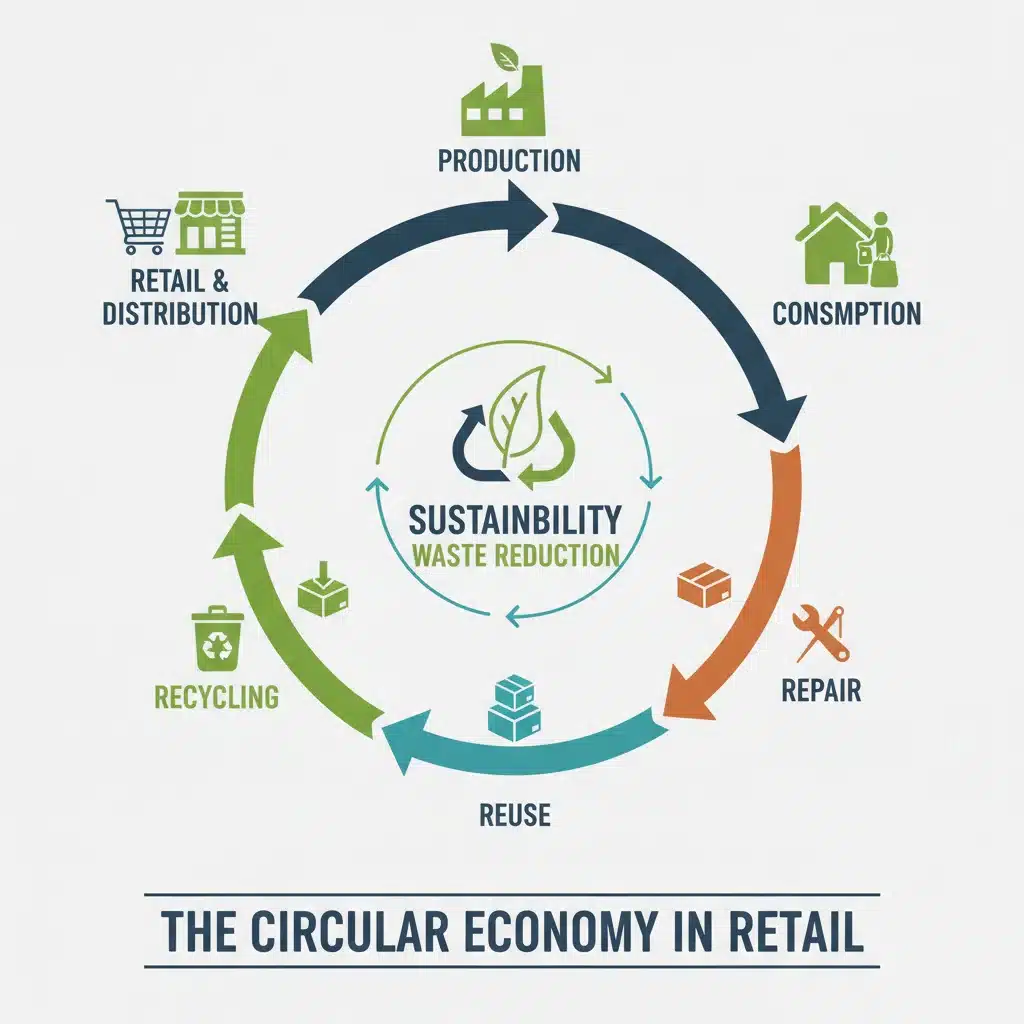
- Circular Economy Principles: Embracing circular economy principles, such as reducing waste, reusing materials, and designing for recyclability, can reduce reliance on virgin resources and create more resilient supply chains. This also aligns with growing consumer demand for eco-friendly products.
- Carbon Footprint Reduction: Optimizing transportation routes, investing in energy-efficient warehouses, and exploring alternative fuels can reduce the environmental impact of the supply chain, while also potentially lowering operational costs and improving brand image.
Roadmap to 95% On-Time Delivery by 2026
Achieving the 95% on-time delivery target by 2026 is an ambitious but attainable goal. It requires a structured approach and continuous commitment. Here’s a suggested roadmap:
- Assess Current State and Identify Gaps (Q1 2024): Conduct a thorough audit of the existing supply chain, identifying current on-time delivery rates, major bottlenecks, and areas of vulnerability. Utilize data from past disruptions to inform this assessment.
- Develop a Resilience Strategy (Q2 2024): Based on the assessment, formulate a comprehensive Retail Supply Chain Resilience strategy that incorporates the pillars outlined above. Define clear objectives, KPIs, and timelines.
- Invest in Technology and Infrastructure (Q3 2024 – Q4 2025): Prioritize investments in critical technologies such as real-time tracking, AI-powered analytics, and integrated data platforms. Upgrade physical infrastructure where necessary (e.g., warehouse automation).
- Strengthen Partnerships (Ongoing): Actively work on building stronger, more transparent relationships with key suppliers and logistics partners. Implement joint planning sessions and regular performance reviews.
- Foster an Agile Culture (Ongoing): Promote a culture of adaptability and continuous improvement within the organization. Encourage cross-functional collaboration and empower teams to make rapid, informed decisions.
- Implement Continuous Monitoring and Optimization (Ongoing): Establish robust systems for continuous monitoring of supply chain performance. Regularly review data, identify areas for optimization, and refine strategies based on new insights and evolving market conditions.
- Regular Stress Testing and Scenario Planning (Bi-annually): Conduct periodic stress tests and scenario planning exercises to ensure the supply chain remains robust against emerging threats.
Challenges and Considerations
While the benefits of enhanced Retail Supply Chain Resilience are clear, the journey is not without its challenges:
- Cost of Investment: Implementing new technologies and diversifying supply bases can require significant upfront investment. Retailers must carefully weigh the costs against the potential returns and risk mitigation benefits.
- Data Integration Complexity: Integrating disparate data systems from various internal departments and external partners can be a complex and time-consuming undertaking.
- Change Management: Shifting from traditional operational models to more agile and technologically advanced ones requires effective change management strategies to ensure employee buy-in and adoption.
- Cybersecurity Risks: Increased reliance on digital technologies also introduces greater cybersecurity risks. Robust security protocols are essential to protect sensitive data and critical infrastructure.
- Regulatory Compliance: Navigating the complex and ever-changing landscape of international trade regulations, tariffs, and environmental standards adds another layer of complexity to supply chain management.
Conclusion: The Future of Retail Supply Chain Resilience
The pursuit of 95% on-time delivery by 2026 is a journey that will transform retail supply chains into highly resilient, agile, and intelligent networks. It demands a holistic approach that integrates advanced technology, strategic partnerships, and a deep understanding of global dynamics. Retailers who proactively invest in these areas will not only achieve their delivery targets but also gain a significant competitive advantage, ensuring long-term sustainability and profitability in an increasingly unpredictable world.
By focusing on end-to-end visibility, strategic diversification, collaborative ecosystems, operational agility, digital transformation, talent development, and sustainable practices, businesses can build a Retail Supply Chain Resilience that is robust enough to weather any storm. The future belongs to those who are prepared, and preparedness in retail means an unwavering commitment to excellence in supply chain management.