Sustainable Consumerism: US Market Shifts & Shopper Decisions

In an era defined by rapid change and increasing global awareness, the landscape of consumer behavior is undergoing a profound transformation. Nowhere is this more evident than in the United States, where sustainable consumerism trends are not just niche movements but powerful forces reshaping market dynamics. A significant 30% of US shoppers are now making purchase decisions heavily influenced by sustainability concerns, a statistic that demands the attention of businesses across all sectors. This shift is not merely a passing fad; it represents a fundamental recalibration of values, driven by two major market shifts that are redefining what it means to be a responsible consumer and, by extension, a responsible brand.
The rise of sustainable consumerism is a multifaceted phenomenon, reflecting growing concerns about environmental degradation, social equity, and corporate accountability. Consumers are no longer content with simply buying products; they want to buy into values. They seek transparency, ethical practices, and a demonstrable commitment to positive impact from the brands they support. This article delves deep into these two pivotal US market shifts, exploring their origins, their current manifestations, and their far-reaching implications for businesses aiming to thrive in this new, conscious marketplace. Understanding these shifts is not just about adapting; it’s about innovating and leading the charge towards a more sustainable future.
The first major market shift driving sustainable consumerism trends is the escalating public awareness and concern over climate change and environmental impact. For decades, environmental issues were often relegated to the periphery of mainstream discourse. However, a confluence of factors – from increasingly visible climate events and scientific consensus to widespread media coverage and grassroots activism – has propelled environmental consciousness to the forefront of public attention. Consumers are now acutely aware of the ecological footprint of their purchases, from the carbon emissions generated during production and transportation to the waste created by packaging and product disposal.
This heightened awareness translates directly into purchasing behavior. Consumers are actively seeking products and services that minimize environmental harm. This includes a demand for energy-efficient appliances, sustainably sourced food, eco-friendly fashion, and products with minimal or recyclable packaging. The concept of a ‘circular economy,’ where products are designed for durability, reuse, and recycling, is gaining traction, challenging the traditional linear ‘take-make-dispose’ model. Brands that can demonstrate a genuine commitment to reducing their environmental impact – through sustainable sourcing, responsible manufacturing processes, and robust recycling programs – are increasingly favored by this informed segment of the market.
The implications for businesses are profound. It’s no longer sufficient to simply offer a ‘green’ product; the entire value chain must reflect sustainable practices. Companies are being scrutinized not just for what they sell, but for how they operate. This includes everything from their energy consumption and waste management to their water usage and commitment to biodiversity. Those that embrace these challenges proactively, integrating sustainability into their core business strategy, are building stronger brand loyalty and gaining a competitive edge. Conversely, companies perceived as environmentally irresponsible risk alienating a growing segment of their customer base and facing reputational damage.
The second pivotal market shift influencing sustainable consumerism trends is the growing demand for corporate social responsibility (CSR) and ethical business practices. Consumers are not just concerned about the planet; they are also deeply invested in people. They want to know that the products they buy are not produced at the expense of human rights, fair labor practices, or community well-being. This shift is fueled by increased transparency facilitated by digital media, where information about a company’s labor practices, supply chain, and social impact can spread rapidly and widely.
This demand for CSR extends beyond simply avoiding egregious abuses. It encompasses a broader expectation that companies contribute positively to society. This includes fair wages, safe working conditions, diversity and inclusion initiatives, community engagement, and philanthropic efforts. Consumers are increasingly using their purchasing power to support companies that align with their social values and boycott those that do not. The rise of certifications like Fair Trade, B Corp, and various ethical sourcing labels provides consumers with tangible indicators of a company’s commitment to social responsibility, empowering them to make more informed choices.
For businesses, this means that ethical considerations must be woven into the fabric of their operations, from the factory floor to the boardroom. Supply chain transparency, once a niche concern, is now a critical component of brand integrity. Companies are expected to trace their products back to their origins, ensuring that every step of the production process adheres to ethical standards. This can be a complex undertaking, especially for global supply chains, but the rewards – enhanced brand trust, stronger customer relationships, and a more resilient business model – are substantial.
The Interplay of Environmental and Social Concerns: Holistic Sustainable Consumerism
While environmental impact and social responsibility can be viewed as distinct drivers, they are increasingly converging to form a holistic understanding of sustainable consumerism trends. Consumers are recognizing that environmental issues often have social dimensions, and vice versa. For example, climate change disproportionately affects vulnerable communities, and resource extraction can lead to human rights abuses. This integrated perspective means that brands cannot afford to address one aspect of sustainability while neglecting another.
The 30% of US shoppers who are heavily influenced by sustainability are not just looking for a product that is ‘green’ or ‘ethical’; they are looking for brands that embody a comprehensive commitment to both. This requires a nuanced approach from businesses, moving beyond token gestures or superficial ‘greenwashing.’ Authenticity and genuine commitment are key. Consumers are savvy and can quickly discern between a company genuinely striving for sustainability and one merely using it as a marketing ploy.
This holistic view also means that businesses must consider the entire lifecycle of their products. From the design phase, where choices about materials and durability are made, to end-of-life considerations like recycling and disposal, every stage presents an opportunity to enhance sustainability. This comprehensive approach not only meets consumer expectations but also often leads to operational efficiencies, reduced waste, and innovation.
Impact on Business Strategy: Adapting to the New Consumer Landscape
The shifts towards heightened environmental awareness and corporate social responsibility are not merely external pressures; they are powerful catalysts for internal transformation within businesses. Companies that successfully navigate these sustainable consumerism trends are often those that embrace sustainability as a core strategic imperative rather than a peripheral initiative. This involves a fundamental rethinking of product development, supply chain management, marketing, and corporate culture.
1. Product Innovation and Design
For many businesses, the journey begins with product innovation. This includes developing new materials that are renewable, recycled, or biodegradable. It also involves designing products for longevity, repairability, and recyclability, moving away from planned obsolescence. Brands are exploring ‘product-as-a-service’ models, where consumers pay for access to a product rather than ownership, encouraging reuse and reducing waste. Examples include clothing rental services or refillable packaging systems.
2. Supply Chain Optimization and Transparency
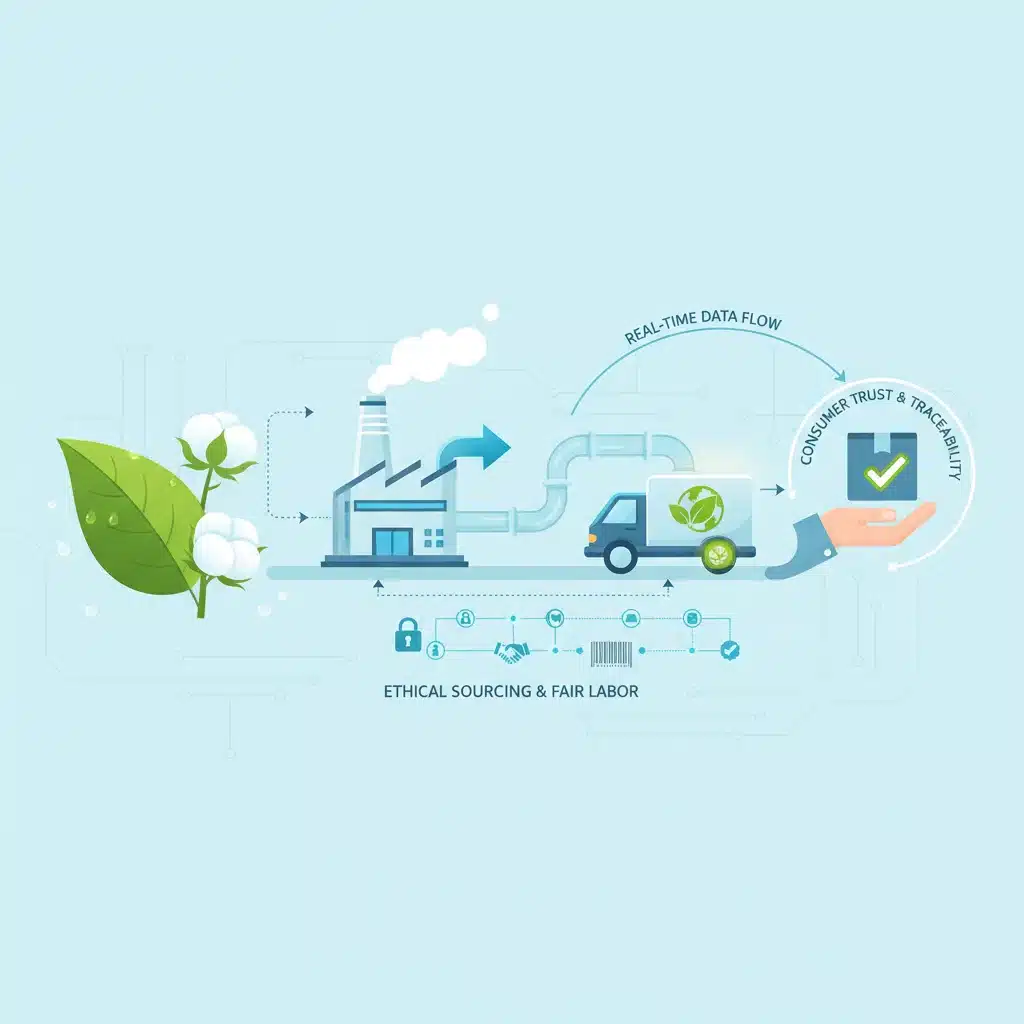
The supply chain is a critical area for sustainable transformation. Businesses are investing in mapping their supply chains to identify and mitigate environmental and social risks. This involves working closely with suppliers to ensure ethical labor practices, responsible resource management, and reduced emissions. Technologies like blockchain are being explored to enhance traceability and transparency, allowing consumers to verify the origin and journey of their products.
3. Marketing and Communication
Effective communication is vital. Brands need to clearly articulate their sustainability efforts without resorting to ‘greenwashing.’ Authenticity, transparency, and verifiable claims are paramount. Storytelling can be a powerful tool, allowing companies to share their journey, their challenges, and their successes in building a more sustainable business. Engaging with consumers on sustainability issues, inviting feedback, and fostering a sense of shared purpose can build strong brand communities.
4. Employee Engagement and Corporate Culture
Sustainability is not just an external strategy; it must be embedded within the corporate culture. Employees who are engaged and empowered to contribute to sustainability initiatives can be powerful advocates and drivers of change. Companies are investing in training, creating internal green teams, and integrating sustainability metrics into performance evaluations. A strong sustainability culture can also enhance employee recruitment and retention, as many job seekers, particularly younger generations, prioritize employers with strong ethical and environmental commitments.
Challenges and Opportunities for Businesses
While the shift towards sustainable consumerism trends presents immense opportunities, it also comes with its share of challenges. One significant hurdle is the potential for increased costs associated with sustainable sourcing, manufacturing, and certification. Businesses must find ways to absorb these costs or pass them on to consumers in a way that is perceived as fair and justified by the added value of sustainability.
Another challenge lies in the complexity of measuring and reporting sustainability impacts. Developing robust metrics, collecting accurate data, and communicating progress effectively requires significant investment and expertise. There’s also the risk of ‘greenwashing’ accusations if a company’s claims are not backed by genuine action, which can severely damage brand reputation.
However, the opportunities far outweigh the challenges. Brands that successfully embrace sustainable consumerism can unlock new markets, differentiate themselves from competitors, and build deeper, more meaningful relationships with their customers. Sustainability can drive innovation, leading to more efficient processes, reduced waste, and the development of entirely new product categories. It can also enhance brand reputation, attract top talent, and foster greater resilience in the face of future environmental and social disruptions.
Furthermore, government regulations and investor expectations are increasingly aligning with sustainability goals. Proactive engagement with sustainable practices can position businesses favorably for future regulatory changes and attract socially responsible investors, who are increasingly seeking out companies with strong ESG (Environmental, Social, and Governance) performance.
The Future of Sustainable Consumerism in the US
The trajectory of sustainable consumerism trends in the US suggests that the influence of environmental and social concerns on purchasing decisions will only continue to grow. The 30% of shoppers currently driving this shift represent a critical mass that is likely to expand as younger, more environmentally and socially conscious generations gain greater purchasing power. Gen Z and Millennials, in particular, are demonstrating a strong preference for brands that align with their values, viewing their consumption choices as an extension of their identity and activism.
Technological advancements will also play a crucial role in shaping the future of sustainable consumerism. AI and data analytics can help companies optimize their supply chains for sustainability, track environmental impacts more accurately, and personalize sustainable product recommendations for consumers. Augmented reality (AR) and virtual reality (VR) could offer immersive experiences that educate consumers about product origins and sustainability features. The rise of direct-to-consumer (DTC) brands with transparent, mission-driven approaches is another indicator of this evolving landscape.

Moreover, the concept of ‘eco-literacy’ among consumers is improving. People are becoming more adept at understanding complex sustainability claims, identifying greenwashing, and demanding concrete evidence of impact. This necessitates an even greater level of transparency and accountability from brands. The pressure for standardized sustainability reporting and clear labeling will likely increase, making it easier for consumers to compare products and make truly informed decisions.
The role of collaboration will also be vital. Businesses, governments, NGOs, and consumers will need to work together to create systemic change. Industry-wide initiatives to address common sustainability challenges, public-private partnerships for sustainable innovation, and consumer education campaigns will all contribute to accelerating the transition towards a more sustainable economy. Policy changes, such as carbon pricing, extended producer responsibility, and incentives for sustainable practices, will further embed these values into the market structure.
Ultimately, the two major US market shifts driving sustainable consumerism trends – heightened environmental awareness and a demand for corporate social responsibility – are not just changing how people shop; they are changing how businesses operate. They are fostering a new paradigm where profitability and purpose are inextricably linked. For businesses to thrive in this evolving environment, they must embrace sustainability not as an optional add-on, but as a fundamental pillar of their identity and strategy. The 30% of shoppers already leading this charge are just the beginning, signaling a future where responsible consumption becomes the norm, not the exception.
The journey towards full sustainability is complex and continuous, requiring ongoing commitment, innovation, and adaptation. However, by understanding and proactively responding to these powerful market shifts, businesses can not only meet the growing demands of conscious consumers but also contribute meaningfully to a more equitable and environmentally sound world. The time for action is now, and the rewards for those who lead with purpose will be substantial and enduring.