Sustainable Packaging: Driving US Consumer Demand by 9% by 2026
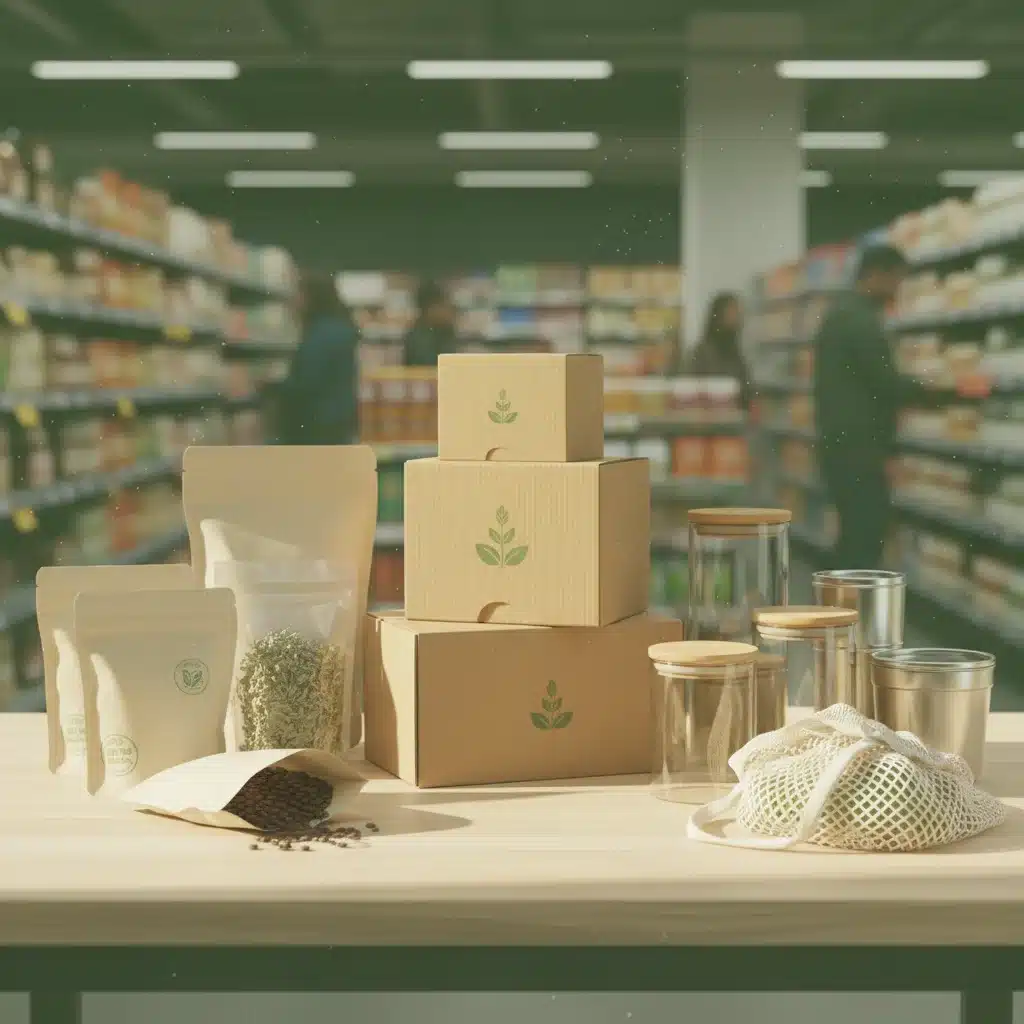
Future-Proofing Retail: Understanding the 9% Increase in US Consumer Demand for Sustainable Packaging by 2026
The retail landscape is constantly evolving, driven by technological advancements, shifting economic tides, and perhaps most profoundly, changing consumer values. In recent years, one trend has risen to prominence, transforming how businesses operate and how consumers make purchasing decisions: sustainability. Specifically, the demand for sustainable packaging is experiencing an unprecedented surge in the United States, with projections indicating a remarkable 9% increase by 2026. This isn’t just a fleeting fad; it’s a fundamental shift in consumer expectations that businesses can no longer afford to ignore. Understanding this growing appetite for sustainable packaging demand is crucial for any brand aiming to future-proof its operations, enhance its reputation, and capture a significant share of the evolving market.
The implications of this trend are far-reaching. From multinational corporations to fledgling startups, every entity involved in the production and distribution of goods must re-evaluate its packaging strategies. This article will delve deep into the factors fueling this impressive growth, explore the benefits for businesses that embrace sustainable practices, and provide actionable insights on how to effectively navigate this transformative period. We will examine the economic, environmental, and social dimensions of sustainable packaging, offering a comprehensive guide for businesses looking to align with consumer values and contribute to a more sustainable future.
The Unstoppable Rise of Sustainable Packaging Demand
The projected 9% increase in US consumer demand for sustainable packaging by 2026 is a testament to a broader cultural awakening. Consumers are becoming increasingly aware of the environmental footprint of their purchases, and packaging, often the first point of physical contact with a product, is under intense scrutiny. This isn’t merely about personal preference; it’s about a collective realization of the urgent need to address climate change, plastic pollution, and resource depletion.
Several key drivers are contributing to this significant rise in sustainable packaging demand:
- Environmental Awareness and Education: Access to information about environmental issues has never been greater. Documentaries, social media campaigns, and news reports consistently highlight the detrimental effects of single-use plastics and excessive waste. This heightened awareness directly translates into consumer behavior, with individuals actively seeking out brands that demonstrate environmental responsibility.
- Generational Shifts: Younger generations, particularly Millennials and Gen Z, are driving much of this change. These demographics are inherently more environmentally conscious and are willing to pay a premium for products that align with their values. They are also more likely to research brands’ sustainability practices and hold them accountable.
- Regulatory Pressure and Corporate Social Responsibility: Governments worldwide are implementing stricter regulations on packaging waste and material usage. While the US landscape is varied, the overall trend is towards greater accountability. Simultaneously, many corporations are adopting robust corporate social responsibility (CSR) initiatives, recognizing that sustainability is not just an ethical imperative but also a strategic business advantage.
- Innovation in Materials and Technologies: The sustainable packaging industry itself is experiencing rapid innovation. New biodegradable materials, compostable alternatives, and advanced recycling technologies are making sustainable options more viable and cost-effective than ever before. This innovation makes it easier for brands to transition to eco-friendly solutions.
- Brand Reputation and Consumer Trust: In an increasingly transparent world, a brand’s commitment to sustainability directly impacts its reputation and consumer trust. Brands perceived as environmentally responsible are more likely to attract and retain customers, fostering loyalty and positive word-of-mouth. Conversely, those seen as environmentally negligent risk alienating a significant portion of the market.
This confluence of factors creates a powerful momentum for sustainable packaging, making it an indispensable component of modern business strategy. The 9% projected growth is not just a statistic; it represents a fundamental recalibration of consumer priorities and market dynamics.
The Business Imperative: Why Brands Must Adapt
For businesses, adapting to the growing sustainable packaging demand is no longer optional; it’s a strategic imperative. The benefits extend far beyond simply meeting consumer expectations, impacting various facets of a company’s operations and bottom line.
Enhanced Brand Image and Customer Loyalty
In a crowded marketplace, differentiation is key. Adopting sustainable packaging practices can significantly enhance a brand’s image, positioning it as a responsible and forward-thinking entity. Consumers are increasingly making purchasing decisions based on values, and supporting brands that prioritize environmental stewardship fosters a deeper connection and loyalty. This loyalty translates into repeat purchases, positive reviews, and strong brand advocacy.
Increased Market Share and Competitive Advantage
As the demand for sustainable options grows, brands that lead the way in eco-friendly packaging will naturally capture a larger market share. Early adopters gain a significant competitive advantage by appealing to a growing segment of environmentally conscious consumers. Those who lag behind risk losing customers to more progressive competitors.
Cost Savings and Operational Efficiencies
While the initial investment in sustainable packaging might seem higher, it often leads to long-term cost savings. Lighter packaging materials can reduce shipping costs, optimized designs can minimize material usage, and the use of recycled content can sometimes be more cost-effective than virgin materials. Furthermore, efficient waste management and reduced reliance on non-renewable resources can streamline operations and lower overall environmental impact fees.
Attracting and Retaining Talent
A strong commitment to sustainability also makes a company more attractive to potential employees, particularly younger generations who seek purpose-driven work. Companies with robust environmental policies often report higher employee morale and retention rates, as employees feel proud to be part of an organization that aligns with their personal values.
Compliance with Evolving Regulations
As mentioned earlier, regulatory landscapes are shifting. Proactively adopting sustainable packaging practices allows businesses to stay ahead of impending regulations, avoiding potential fines and ensuring smooth operations. It positions the company as a leader, rather than a reactive follower, in the sustainability movement.
Strategies for Embracing Sustainable Packaging
Transitioning to sustainable packaging requires a holistic approach, involving careful planning, innovation, and collaboration. Here are key strategies for businesses to effectively respond to the rising sustainable packaging demand:
1. Conduct a Comprehensive Packaging Audit
Before making any changes, businesses should conduct a thorough audit of their current packaging. This involves analyzing materials, design, supply chain, and end-of-life scenarios. Identify areas where waste can be reduced, recycled content can be increased, or alternative materials can be implemented. Understanding the current footprint is the first step towards improvement.
2. Prioritize Material Selection
The choice of material is paramount. Focus on options that are:
- Recyclable: Easily processed and reused in existing recycling infrastructure.
- Compostable/Biodegradable: Break down naturally without leaving harmful residues.
- Reusable: Designed for multiple uses, reducing the need for single-use alternatives.
- Made from Recycled Content: Incorporating post-consumer or post-industrial recycled materials.
- Renewable: Sourced from materials that can be naturally replenished, like plant-based plastics.
- Lightweight: Minimizing material usage and reducing transportation emissions.
Examples include recycled PET, paperboard, bamboo, corn starch-based bioplastics, and glass.
3. Optimize Packaging Design
Sustainable packaging isn’t just about the material; it’s also about smart design. Consider:
- Minimalism: Use only the necessary amount of packaging to protect the product.
- Multi-functionality: Design packaging that can serve a secondary purpose after its primary use (e.g., a product box that becomes a storage container).
- Easy Disassembly: Ensure components can be easily separated for recycling or composting.
- Eliminate Excess: Remove unnecessary layers, inserts, or decorative elements.
Innovative design can significantly reduce waste and improve the overall sustainability profile of a product.
4. Streamline the Supply Chain
A sustainable supply chain is integral to sustainable packaging. This involves:
- Local Sourcing: Reducing transportation distances and associated emissions.
- Efficient Logistics: Optimizing shipping routes and packaging to maximize load efficiency.
- Collaborating with Sustainable Suppliers: Partnering with suppliers who share a commitment to environmental responsibility and can provide certified sustainable materials.
A transparent and ethical supply chain reinforces a brand’s sustainability claims.
5. Educate and Communicate with Consumers
Consumers are actively seeking sustainable options, but they also need clear guidance. Brands must effectively communicate their sustainable packaging efforts through:
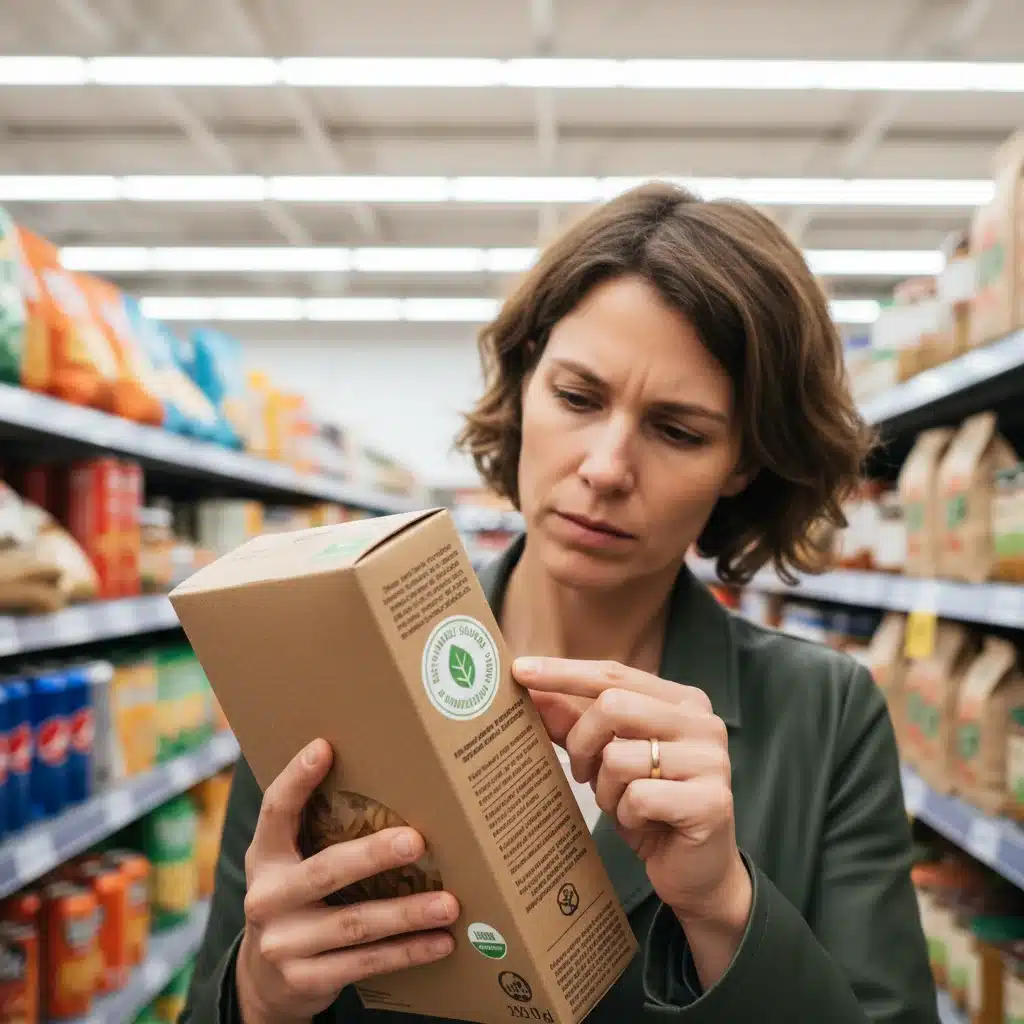
- Clear Labeling: Using certifications (e.g., FSC, Cradle to Cradle) and simple instructions on how to dispose of or recycle packaging.
- Marketing Campaigns: Highlighting sustainability initiatives on websites, social media, and product descriptions.
- Transparency: Being open about challenges and progress in sustainability efforts builds trust.
This communication not only informs but also empowers consumers to make responsible choices, further fueling the sustainable packaging demand.
6. Invest in Research and Development
The field of sustainable packaging is constantly evolving. Brands should invest in R&D to explore new materials, technologies, and innovative design solutions. This could involve partnerships with universities, material science companies, or startups specializing in eco-friendly packaging.
7. Implement Circular Economy Principles
Moving beyond simple recycling, businesses should strive for circular economy models where materials are kept in use for as long as possible. This can involve refillable packaging systems, take-back programs for packaging, or designing products and packaging for complete biodegradability or compostability. The goal is to eliminate waste and pollution by design.
Challenges and Considerations
While the benefits of embracing sustainable packaging are clear, businesses will undoubtedly face challenges. These include:
- Cost Implications: Some sustainable materials can be more expensive than traditional options, especially in smaller quantities. However, economies of scale and innovation are steadily driving these costs down.
- Performance and Durability: Ensuring sustainable packaging offers the same level of product protection and shelf life as conventional materials can be a hurdle. Extensive testing is crucial.
- Consumer Education: While demand is rising, not all consumers fully understand how to properly recycle or compost new sustainable materials. Clear instructions are vital.
- Infrastructure Gaps: Recycling and composting infrastructure varies significantly by region. Brands need to consider the end-of-life options available to their target consumers.
- Greenwashing Concerns: Consumers are increasingly wary of brands making unsubstantiated environmental claims. Authenticity and transparency are key to avoiding accusations of greenwashing.
Navigating these challenges requires a strategic, long-term vision and a genuine commitment to sustainability. The 9% increase in sustainable packaging demand by 2026 underscores that overcoming these hurdles is not just beneficial, but essential for sustained success.
The Future of Retail and Sustainable Packaging
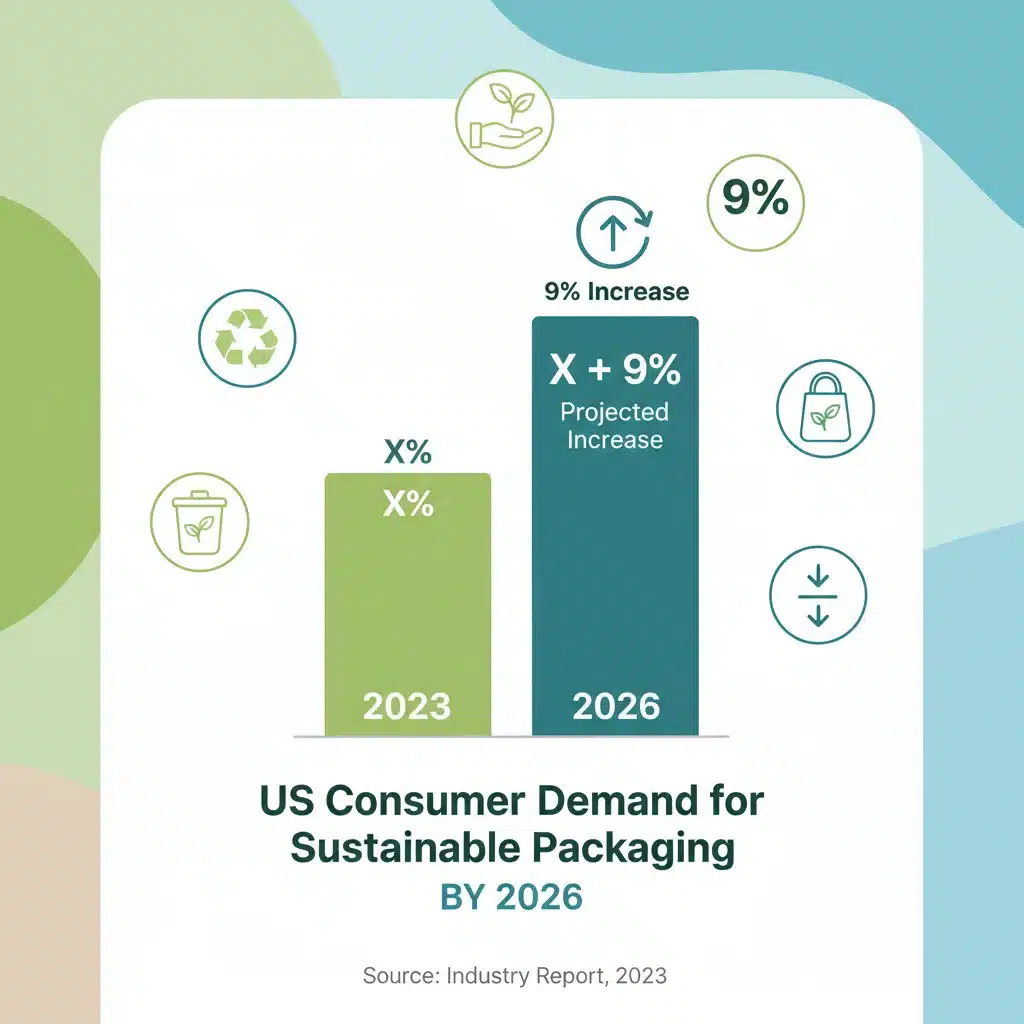
The trajectory of sustainable packaging in the US is clear. The projected 9% increase in consumer demand by 2026 is not an endpoint but a milestone in an ongoing transformation. As technologies advance and consumer awareness deepens, the pressure on brands to adopt eco-friendly practices will only intensify. The future of retail will be inextricably linked to sustainability, and packaging will play a pivotal role in this evolution.
We can anticipate several key trends shaping the future:
- Hyper-Personalized Sustainable Solutions: As data analytics improve, brands will be able to offer more personalized sustainable packaging options, catering to individual consumer preferences and regional recycling capabilities.
- Advanced Bioplastics and Alternative Materials: Research into algae-based packaging, mycelium (mushroom-based) packaging, and other novel materials will continue to yield viable, scalable solutions.
- Smart Packaging for Circularity: Packaging equipped with QR codes or RFID tags will provide consumers with detailed information about material composition, recycling instructions, and even product origin, fostering greater transparency and enabling efficient circular systems.
- Refill and Reuse Models Become Mainstream: The convenience and cost-effectiveness of refillable and reusable packaging will drive widespread adoption across various product categories, from household goods to personal care items.
- Regulatory Harmonization: As global awareness grows, there will likely be greater efforts to harmonize international standards and regulations for sustainable packaging, simplifying compliance for multinational brands.
Brands that proactively embrace these trends and integrate sustainable packaging into their core business strategy will be the ones that thrive in the coming years. They will not only meet the growing sustainable packaging demand but also establish themselves as leaders in responsible commerce, building a resilient and ethical business model for the long term.
Conclusion: A Sustainable Path Forward
The 9% increase in US consumer demand for sustainable packaging by 2026 is a powerful indicator of a fundamental shift in market dynamics. It signals a future where environmental responsibility is not just a niche concern but a mainstream expectation, driving purchasing decisions and shaping brand loyalty. For businesses, this trend represents both a challenge and an immense opportunity.
By understanding the drivers behind this demand, strategically adapting packaging practices, and effectively communicating their efforts, brands can not only meet consumer expectations but also gain a significant competitive edge. Embracing sustainable packaging is more than just an operational change; it’s an investment in a brand’s future, a commitment to planetary health, and a pathway to building deeper, more meaningful connections with consumers.
The journey towards full packaging sustainability is complex and ongoing, but the direction is clear. The brands that lead with innovation, transparency, and genuine commitment will be the ones that capture the hearts and wallets of the increasingly eco-conscious American consumer, forging a path towards a more sustainable and prosperous retail future.