Sustainable Retail Practices: Eco-Friendly Strategies for Business Growth
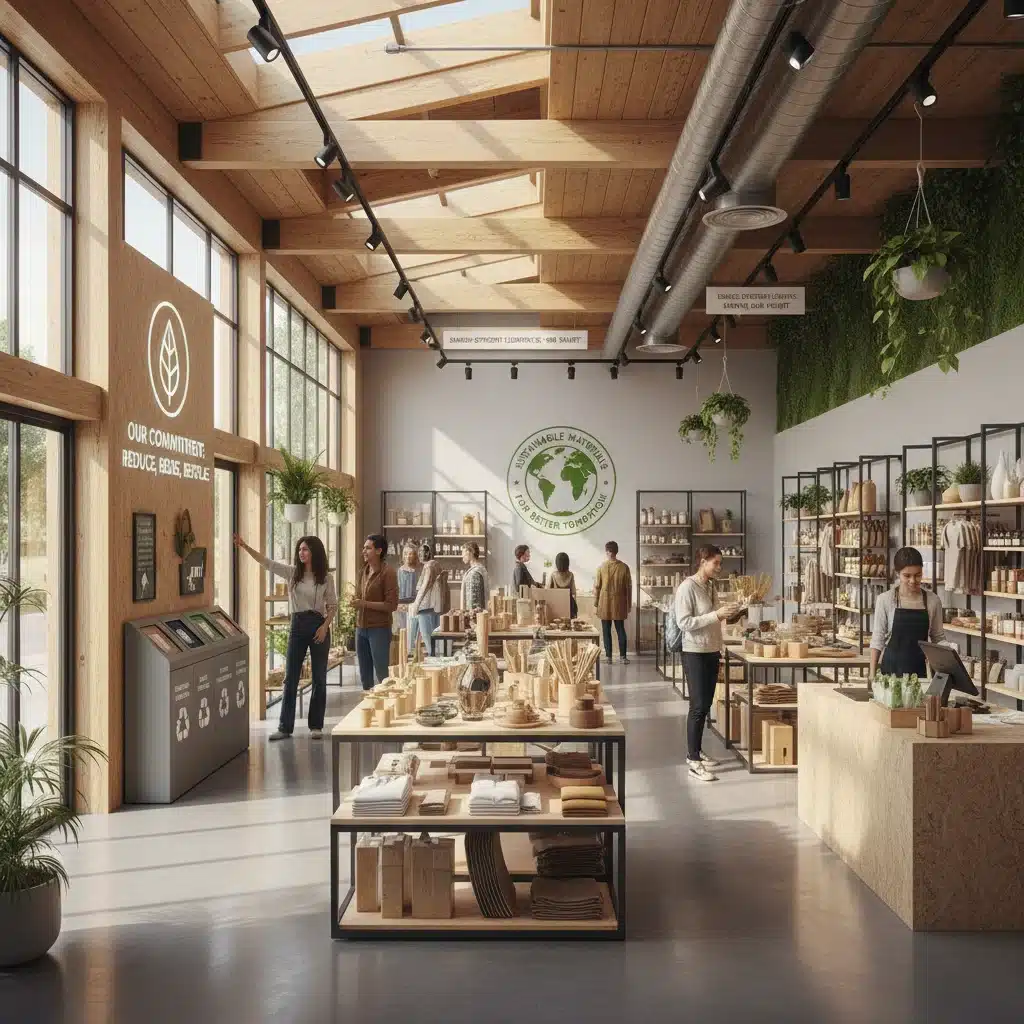
In an era defined by increasing environmental awareness and social responsibility, the retail landscape is undergoing a profound transformation. Consumers are no longer solely driven by price and quality; they are actively seeking brands that align with their values, particularly concerning sustainability. This shift presents both challenges and unparalleled opportunities for retailers. Embracing sustainable retail practices is no longer just a niche trend; it’s a strategic imperative for long-term survival and growth. By integrating eco-friendly strategies into their operations, businesses can not only reduce their environmental footprint but also attract a growing segment of conscious consumers, enhance brand loyalty, and ultimately drive significant revenue increases.
The numbers speak for themselves. Studies consistently show a rising preference for sustainable products and brands. A report by NielsenIQ found that 78% of US consumers say a sustainable lifestyle is important to them, and 67% said they are willing to pay more for sustainable products. This isn’t just a fleeting trend; it’s a fundamental change in consumer behavior that is here to stay. Retailers who fail to adapt risk being left behind, while those who proactively adopt sustainable retail practices stand to gain a competitive edge and secure their future in a rapidly evolving market.
This comprehensive guide will delve into the multifaceted world of sustainable retail practices. We will explore key areas where retailers can make a tangible impact, from ethical sourcing and supply chain transparency to energy efficiency and waste reduction. We’ll also examine how effective communication of these efforts can resonate with consumers, build trust, and foster a loyal customer base. By the end of this article, you will have a clear roadmap for implementing eco-friendly strategies that not only benefit the planet but also boost your bottom line.
The Rising Tide of Conscious Consumerism: Why Sustainability Matters Now More Than Ever
The term ‘conscious consumerism’ describes a movement where consumers make purchasing decisions based on their moral, ethical, and environmental beliefs. This goes beyond simply buying organic or fair-trade products; it encompasses a holistic view of a brand’s entire operation, from how workers are treated to the environmental impact of its production processes and packaging. This growing awareness is fueled by increased access to information, social media, and a younger generation that is particularly passionate about environmental and social justice issues.
For retailers, understanding this demographic is crucial. Conscious consumers are often willing to invest more time and money into researching brands and making choices that align with their values. They are also more likely to advocate for brands they trust and to boycott those that don’t meet their ethical standards. This means that a commitment to sustainable retail practices can directly translate into increased customer acquisition, higher customer retention rates, and stronger brand advocacy.
The Economic Imperative of Sustainable Retail Practices
Beyond the ethical considerations, there’s a compelling economic case for adopting sustainable retail practices. Firstly, operational efficiencies gained through sustainability initiatives can lead to significant cost savings. For instance, investing in energy-efficient lighting and HVAC systems can drastically reduce utility bills. Optimizing logistics and supply chains to minimize transportation emissions can lower fuel costs. Reducing waste not only saves on disposal fees but also opens up opportunities for circular economy models, where waste is repurposed or resold.
Secondly, sustainability can unlock new market opportunities. As consumer demand for eco-friendly products grows, retailers who offer such items are tapping into an expanding market segment. This can differentiate them from competitors and attract customers who might otherwise not have considered their brand. Furthermore, governments and regulatory bodies are increasingly implementing policies that favor sustainable businesses, offering incentives, grants, and tax breaks for companies that meet certain environmental standards. Staying ahead of these regulations can prevent future compliance costs and penalties.
Finally, a strong sustainability record can enhance a brand’s reputation and attract top talent. Employees, especially younger generations, are increasingly seeking employers with strong ethical and environmental commitments. A positive public image built on genuine sustainable retail practices can improve employee morale, reduce turnover, and make a company more attractive to prospective hires.
Key Pillars of Sustainable Retail Practices
Implementing sustainable retail practices requires a holistic approach, touching upon various aspects of a business. Here are the core pillars that retailers should focus on:
1. Ethical Sourcing and Supply Chain Transparency
The journey of a product from raw material to the customer’s hands is often long and complex. Ethical sourcing ensures that products are obtained in a responsible and sustainable way, considering environmental, social, and economic impacts. This includes:
- Fair Labor Practices: Ensuring fair wages, safe working conditions, and no child labor throughout the supply chain.
- Environmentally Responsible Production: Sourcing materials from suppliers who minimize their environmental footprint, conserve natural resources, and avoid harmful chemicals. This could involve using recycled content, organic materials, or sustainably harvested resources.
- Animal Welfare: For retailers dealing with animal products, ensuring ethical treatment of animals.
- Transparency: Being open about where products come from, how they are made, and the conditions under which they are produced. This can involve supplier audits, certifications, and publicly available information.
Retailers should work closely with their suppliers, encouraging them to adopt sustainable practices and providing support where needed. Building long-term relationships with ethical suppliers is key to ensuring a truly sustainable supply chain.
2. Waste Reduction and Circularity
Waste is a significant problem in the retail industry, from packaging to unsold inventory. Adopting circular economy principles, where waste is minimized and resources are kept in use for as long as possible, is a cornerstone of sustainable retail practices.
- Packaging Optimization: Reducing excessive packaging, using compostable, recyclable, or recycled materials, and exploring innovative packaging solutions like reusable containers.
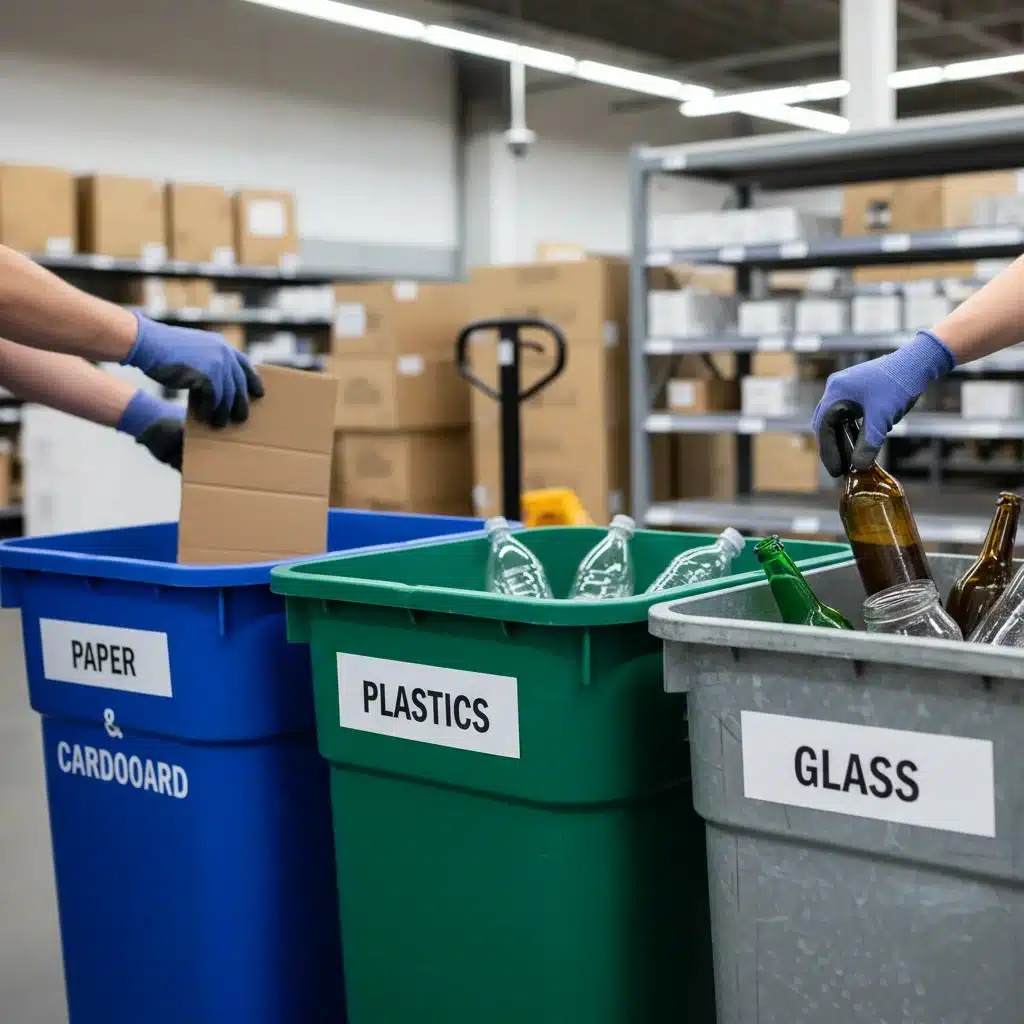
- In-Store Waste Management: Implementing comprehensive recycling programs for cardboard, plastics, glass, and food waste. Educating staff and customers on proper disposal methods.
- Product Lifespan and Repair: Designing products for durability and repairability. Offering repair services or partnering with repair shops can extend product life and reduce waste.
- Inventory Management: Optimizing inventory to reduce overproduction and unsold stock. Donating excess inventory to charities or selling it through discount channels rather than sending it to landfill.
- Take-Back Programs: Encouraging customers to return used products (e.g., electronics, clothing) for recycling or repurposing.
3. Energy Efficiency and Renewable Energy
Retail operations are often energy-intensive, from lighting and heating to cooling and electronic displays. Reducing energy consumption and transitioning to renewable energy sources are critical sustainable retail practices.
- LED Lighting: Replacing traditional lighting with energy-efficient LED bulbs can drastically reduce electricity usage.
- HVAC Optimization: Installing energy-efficient heating, ventilation, and air conditioning systems, and regularly maintaining them. Implementing smart thermostats and zoning controls.
- Appliance Efficiency: Using ENERGY STAR certified appliances and electronics.
- Renewable Energy: Investing in on-site renewable energy sources like solar panels or purchasing renewable energy credits to offset conventional electricity use.
- Building Design: For new constructions or major renovations, incorporating passive design principles to maximize natural light and ventilation, reducing the need for artificial lighting and climate control.
4. Water Conservation
Water is a precious resource, and retailers can contribute to its conservation through various measures.
- Low-Flow Fixtures: Installing low-flow toilets, faucets, and showerheads in restrooms.
- Efficient Landscaping: Using drought-resistant plants and efficient irrigation systems (e.g., drip irrigation) for outdoor spaces.
- Rainwater Harvesting: Collecting and reusing rainwater for non-potable uses like landscaping or toilet flushing.
- Leak Detection and Repair: Regularly checking for and promptly repairing leaks to prevent water waste.
5. Sustainable Transportation and Logistics
The transportation of goods from manufacturers to distribution centers and then to stores and customers contributes significantly to carbon emissions. Optimizing logistics is a vital aspect of sustainable retail practices.
- Route Optimization: Using software to plan the most efficient delivery routes, reducing fuel consumption and emissions.
- Electric Vehicles: Transitioning to electric or hybrid vehicles for delivery fleets where feasible.
- Consolidation: Consolidating shipments to reduce the number of trips.
- Local Sourcing: Prioritizing local suppliers to shorten transportation distances.
- Customer Delivery Options: Offering consolidated delivery options to customers (e.g., fewer, larger shipments) or incentivizing in-store pickup to reduce last-mile delivery emissions.
Communicating Your Sustainability Efforts Effectively
Implementing sustainable retail practices is only half the battle; effectively communicating these efforts to your target audience is equally important. Transparency and authenticity are key to building trust and avoiding accusations of ‘greenwashing’ – the practice of making misleading claims about environmental friendliness.
Be Transparent and Honest
Consumers are savvy. They can often spot superficial attempts at sustainability. Be open about your journey, including challenges and areas for improvement. Share concrete data and measurable goals. For example, instead of just saying ‘we use sustainable packaging,’ specify ‘we use 100% post-consumer recycled content for our packaging, reducing virgin plastic use by 30% annually.’
Tell Your Story
Connect with your audience on an emotional level by telling the story behind your sustainable initiatives. Highlight the specific impacts of your efforts, whether it’s supporting local communities, protecting endangered species, or reducing carbon emissions. Use storytelling across various channels: your website, social media, in-store signage, and product packaging.
Use Clear and Consistent Messaging
Ensure that your sustainability message is consistent across all touchpoints. Use clear, jargon-free language that is easy for consumers to understand. Highlight the benefits of your sustainable practices for both the planet and the consumer (e.g., durable products, healthier ingredients).
Seek Certifications and Partnerships
Third-party certifications (e.g., B Corp, Fair Trade, Organic, FSC) provide independent verification of your sustainability claims, adding credibility and trust. Partnering with reputable environmental organizations or NGOs can also enhance your image and provide valuable expertise.
Educate Your Customers
Empower your customers to make informed choices. Provide information about product lifecycles, care instructions to extend product life, and options for recycling or repurposing. Teach them about the impact of their purchasing decisions and how your brand helps them contribute to a more sustainable future.
Measuring Impact and Continuous Improvement
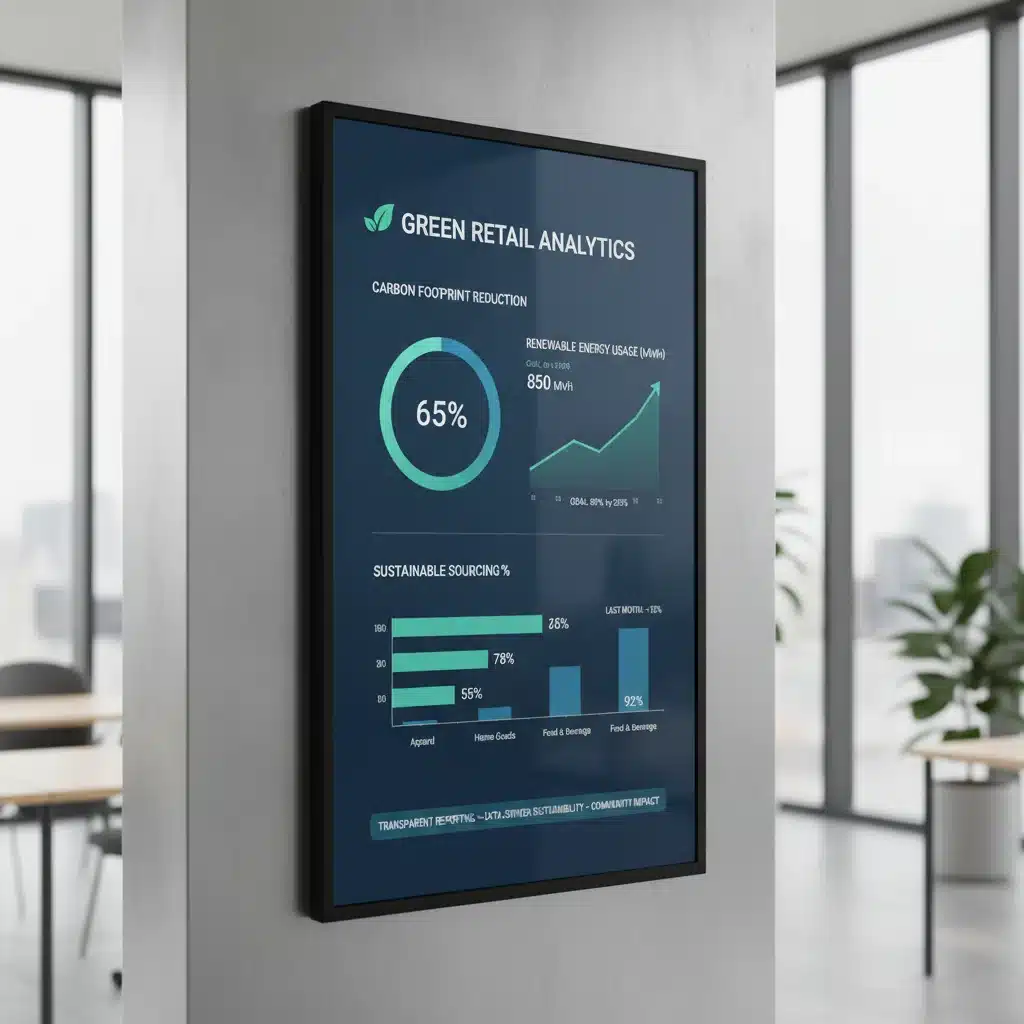
Implementing sustainable retail practices is not a one-time project but an ongoing commitment to continuous improvement. To ensure your efforts are effective and to demonstrate your progress, it’s crucial to measure your impact.
Establish Key Performance Indicators (KPIs)
Define clear, measurable KPIs related to your sustainability goals. These could include:
- Reduction in carbon emissions (e.g., per square foot of retail space, per product sold)
- Percentage of waste diverted from landfill
- Percentage of products sourced from certified sustainable suppliers
- Reduction in water and energy consumption
- Customer satisfaction related to sustainability initiatives
- Employee engagement in sustainability programs
Regular Reporting and Auditing
Regularly collect data and report on your progress against your KPIs. Consider publishing annual sustainability reports that detail your achievements, challenges, and future goals. Independent audits can provide an objective assessment of your performance and identify areas for improvement.
Engage Employees and Stakeholders
Sustainability should be embedded in your company culture. Educate and empower employees to be sustainability champions. Their engagement is vital for successful implementation of sustainable retail practices. Also, solicit feedback from customers, suppliers, and other stakeholders to understand their expectations and identify new opportunities for improvement.
Invest in Innovation
The field of sustainability is constantly evolving, with new technologies and approaches emerging regularly. Stay abreast of these developments and be willing to invest in innovation that can further enhance your sustainable performance. This could include exploring new eco-friendly materials, advanced recycling technologies, or smart energy management systems.
Overcoming Challenges in Sustainable Retail Practices
While the benefits of sustainable retail practices are clear, implementing them can come with challenges. Initial investment costs, supply chain complexities, and the need for new internal processes can be daunting. However, these challenges can be overcome with strategic planning and a long-term vision.
Initial Investment
Many sustainable initiatives, such as installing solar panels or upgrading to energy-efficient equipment, require upfront capital. Retailers can mitigate this by exploring government grants, green loans, or phased implementation strategies. Often, the long-term cost savings and increased customer loyalty outweigh the initial investment.
Supply Chain Complexity
Ensuring sustainability across a global supply chain can be incredibly complex. It requires diligence, strong relationships with suppliers, and potentially new auditing processes. Collaboration with industry peers and participation in multi-stakeholder initiatives can help share the burden and foster collective improvement.
Consumer Education
While conscious consumerism is on the rise, not all consumers are fully aware of the issues or the benefits of sustainable products. Retailers need to invest in educating their customer base, clearly articulating the value proposition of their sustainable offerings without overwhelming them with information.
Greenwashing Avoidance
The risk of being perceived as ‘greenwashing’ is a significant concern. This underscores the importance of genuine commitment, transparency, and third-party verification. Actions speak louder than words, and retailers must ensure their claims are backed by verifiable efforts.
The Future of Retail is Sustainable
The shift towards sustainable retail practices is not a passing fad; it is a fundamental reorientation of how businesses operate in the 21st century. As environmental concerns escalate and consumer values evolve, retailers who embed sustainability into their core business model will be the ones that thrive. By embracing ethical sourcing, minimizing waste, optimizing energy use, and transparently communicating their efforts, retailers can build resilient, responsible, and highly profitable businesses.
The journey towards full sustainability is continuous and challenging, but the rewards are substantial: a healthier planet, a more loyal customer base, a stronger brand reputation, and a business model that is future-proof. Begin your transition to more sustainable retail practices today, and position your brand as a leader in the conscious consumer revolution. The time to act is now, not just for the environment, but for the enduring success of your business.