US Online Grocery Spending Surge: 8% Growth by 2026
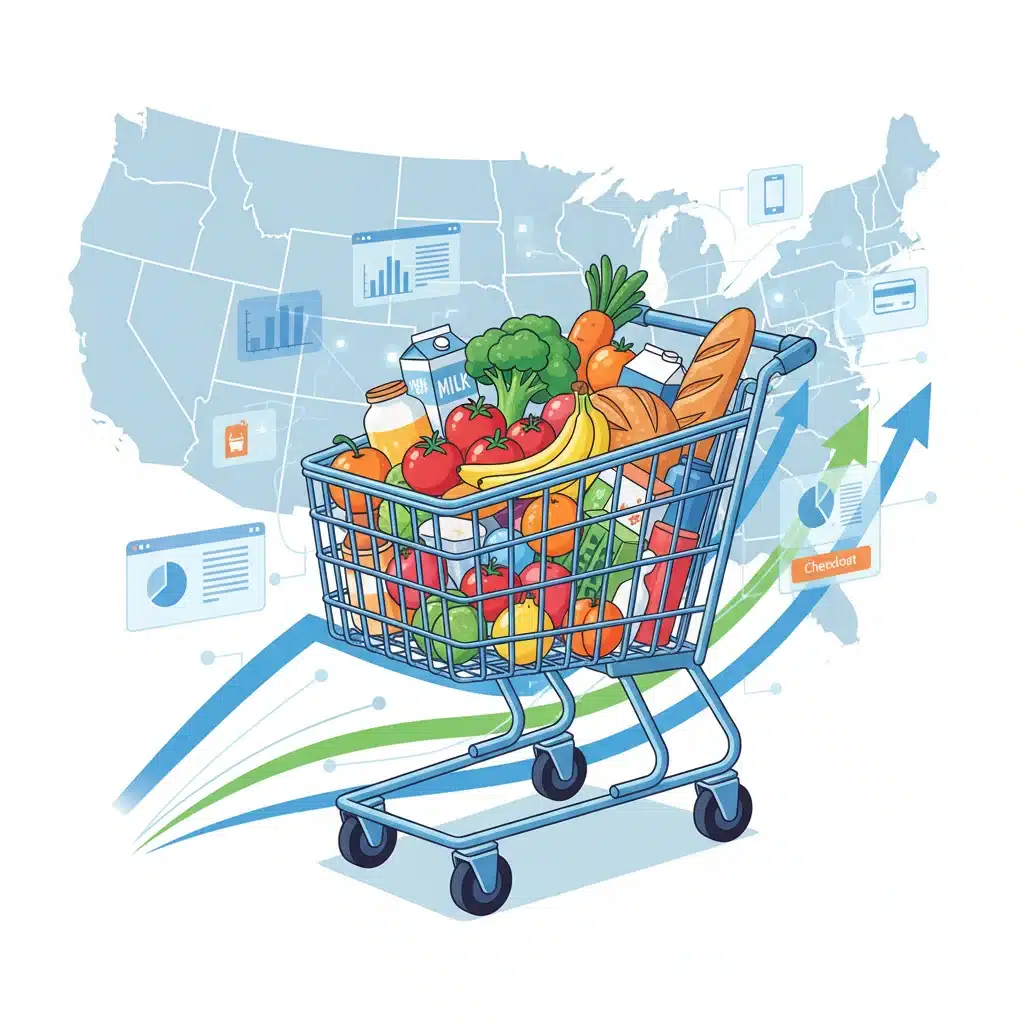
Unlocking 2026 Growth: Analyzing the 8% Increase in US Online Grocery Spending and Its Market Impact
The landscape of retail is in a constant state of flux, driven by technological advancements, evolving consumer preferences, and unforeseen global events. Among the most dynamic sectors, the grocery industry has undergone a seismic shift, particularly with the accelerated adoption of e-commerce. A recent projection indicates a significant 8% increase in US online grocery spending by 2026, a figure that underscores not just a trend, but a fundamental reshaping of how Americans acquire their food and household essentials. This anticipated surge in online grocery growth presents both immense opportunities and formidable challenges for retailers, technology providers, and consumers alike.
For years, the idea of buying groceries online was a niche concept, embraced by early adopters or those with specific needs. However, the COVID-19 pandemic acted as an unprecedented catalyst, forcing millions of consumers to embrace digital shopping channels for their everyday essentials. What began as a necessity has, for many, evolved into a preferred mode of shopping due to its convenience, efficiency, and often, wider selection. This article delves deep into the factors fueling this projected 8% increase, examines its multifaceted impact on the market, and explores the strategic imperatives for businesses aiming to thrive in this evolving environment of online grocery growth.
The Driving Forces Behind the 8% Online Grocery Growth
Several key factors are converging to propel the anticipated 8% increase in US online grocery spending by 2026. Understanding these drivers is crucial for any stakeholder looking to capitalize on or adapt to this significant market shift.
Consumer Behavior Evolution and Digital Adoption
The most prominent driver is the sustained shift in consumer behavior. The pandemic forced many initially hesitant shoppers online, and a significant portion of these consumers have found the experience to be superior in terms of convenience and time-saving. Younger generations, already digitally native, are leading this charge, but older demographics are also increasingly comfortable with online platforms. The ease of creating shopping lists, comparing prices, and scheduling deliveries around busy schedules has cemented online grocery shopping as a viable, often preferred, alternative to traditional in-store visits. This digital adoption is not a fleeting trend but a fundamental change in how consumers interact with their grocery providers, directly contributing to online grocery growth.
Technological Advancements and Infrastructure Improvements
The technological backbone supporting online grocery has matured significantly. Improved e-commerce platforms offer intuitive user interfaces, personalized recommendations, and seamless checkout processes. Furthermore, advancements in logistics and fulfillment, including automation in warehouses, optimized delivery routes, and the proliferation of last-mile delivery services, have made the online grocery experience more reliable and efficient. Dark stores, micro-fulfillment centers, and automated picking systems are becoming more commonplace, enabling faster delivery times and better inventory management, all of which fuel further online grocery growth.
Expanded Retailer Offerings and Competition
The competitive landscape has intensified, with traditional grocery chains, big-box retailers, and pure-play e-commerce giants all vying for market share. This increased competition has led to a wider array of services, including various delivery options (same-day, next-day, scheduled), curbside pickup, and subscription models. Retailers are investing heavily in their online infrastructure, recognizing that a robust digital presence is no longer optional but essential for survival and growth. This investment and innovation directly contribute to the overall expansion of online grocery growth.
Convenience and Time-Saving as Premium Values
In an increasingly time-constrained world, convenience has become a paramount factor for consumers. Online grocery shopping eliminates the need for travel to the store, navigating aisles, and waiting in checkout lines. This saved time can be reallocated to other activities, making it a highly attractive proposition. The ability to shop anytime, anywhere, from a mobile device further enhances this convenience, making online grocery a staple for many households seeking to optimize their daily routines. This emphasis on convenience is a powerful engine for continued online grocery growth.
The Impact on the US Grocery Market
An 8% increase in US online grocery spending by 2026 is not merely a statistical projection; it represents a profound shift with far-reaching implications across the entire grocery ecosystem. The impact will be felt by retailers, suppliers, technology providers, and consumers.
For Retailers: A Strategic Imperative for Adaptation
For grocery retailers, this surge in online grocery growth necessitates a strategic re-evaluation of their operations. Those who fail to adapt risk losing market share to more agile competitors. Key areas of impact include:
- Omnichannel Integration: The line between physical and digital shopping is blurring. Retailers must create seamless omnichannel experiences where customers can transition effortlessly between online browsing, in-store shopping, and various pickup/delivery options. This means integrating inventory management, loyalty programs, and customer service across all touchpoints.
- Supply Chain and Logistics Optimization: Meeting the demands of increased online orders requires robust and efficient supply chains. This includes investing in automation for picking and packing, optimizing last-mile delivery routes, and potentially developing micro-fulfillment centers closer to urban populations to ensure freshness and speed.
- Data Analytics and Personalization: Online platforms generate vast amounts of data on consumer preferences, purchasing habits, and browsing behavior. Retailers can leverage this data to offer highly personalized recommendations, targeted promotions, and a more tailored shopping experience, thereby enhancing customer loyalty and driving further online grocery growth.
- Labor Force Transformation: The shift to online means a change in the required workforce. While fewer cashiers might be needed, there will be a greater demand for personal shoppers, delivery drivers, and logistics managers. Training and retaining this new workforce will be crucial.
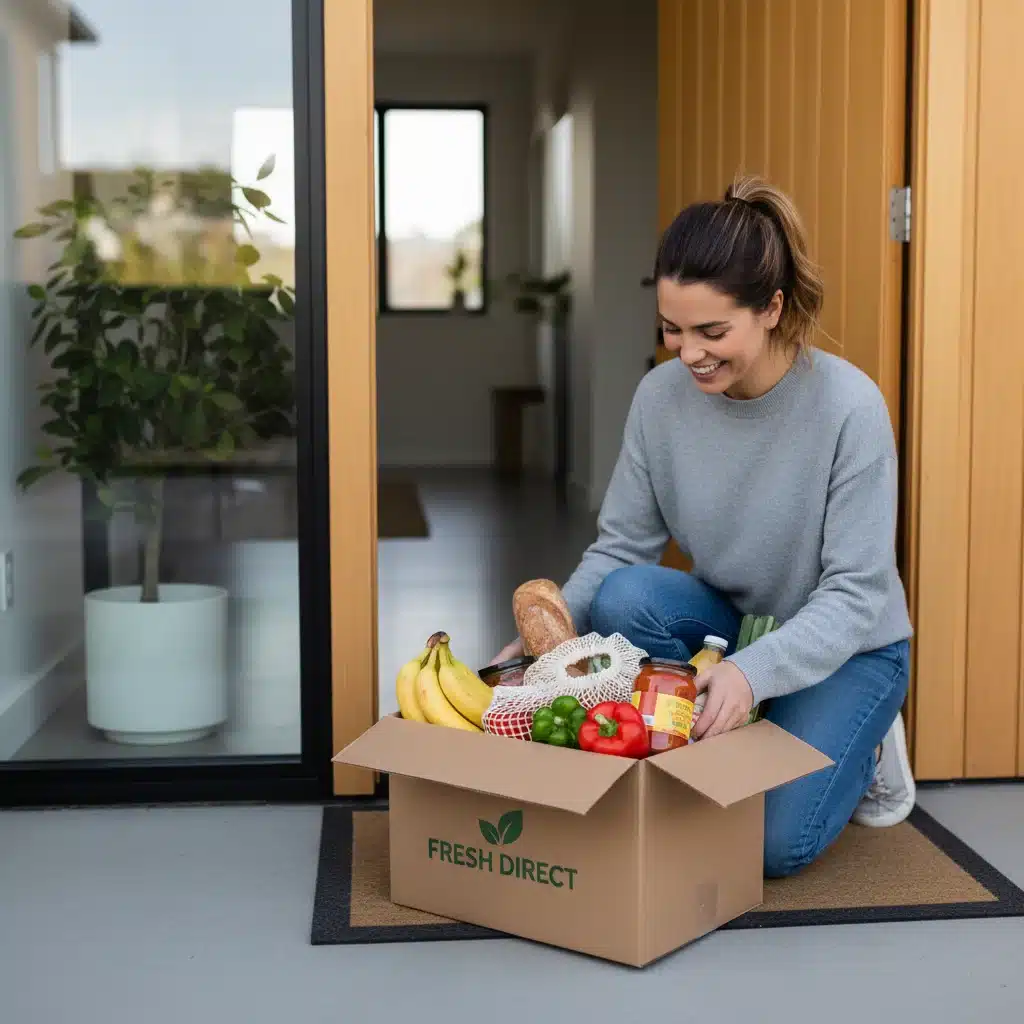
For Suppliers and Brands: New Opportunities and Challenges
Grocery suppliers and CPG (Consumer Packaged Goods) brands will also experience significant changes due to online grocery growth:
- Digital Shelf Optimization: Just as physical shelf space is competitive, so is the digital shelf. Brands need to invest in high-quality product images, detailed descriptions, and customer reviews to stand out online. SEO for product listings becomes paramount.
- Direct-to-Consumer (D2C) Strategies: Some brands may explore or expand their D2C channels, bypassing traditional retailers to build direct relationships with consumers. This offers greater control over branding, pricing, and customer data.
- Packaging Innovation: Packaging needs to be optimized not just for in-store appeal but also for durability during transit, ease of opening for the consumer, and sustainability.
- Data Sharing and Collaboration: Closer collaboration with retailers on data sharing can help suppliers understand online purchasing trends better, leading to more effective product development and marketing strategies.
For Consumers: Enhanced Options and Expectations
Consumers stand to benefit from increased online grocery growth through:
- Greater Convenience and Flexibility: The ability to shop anytime, anywhere, and choose from various delivery or pickup options.
- Wider Product Selection: Online platforms often have a larger inventory than physical stores, offering more specialty items or niche brands.
- Price Transparency and Comparison: It’s easier to compare prices across different retailers and find deals online.
- Personalized Experiences: Retailers can leverage data to offer tailored recommendations and promotions, making shopping more efficient and enjoyable.
However, consumers may also face challenges such as potential delivery fees, minimum order requirements, and the occasional substitution or quality issue with fresh produce, which retailers are continually working to address.
Challenges and Considerations for Sustained Online Grocery Growth
While the trajectory for online grocery growth is upward, several challenges and considerations need to be addressed to ensure sustained success and profitability in this sector.
Profitability and Unit Economics
One of the persistent challenges for online grocery is achieving profitability. The costs associated with picking, packing, and last-mile delivery can significantly erode margins, which are already thin in the grocery business. Retailers are experimenting with various models, including subscription services, delivery fees, and minimum order values, to offset these costs. Automation and optimized logistics are key to improving unit economics and ensuring that online grocery growth translates into sustainable business models.
Maintaining Product Quality and Freshness
For fresh produce, meats, and dairy, quality and freshness are paramount. Consumers expect the same, if not better, quality from online orders as they would get by selecting items themselves in-store. This requires sophisticated cold chain management, efficient picking processes, and rapid delivery. Any lapse in quality can quickly lead to customer dissatisfaction and churn, hindering online grocery growth.
Labor Shortages and Workforce Management
The demand for personal shoppers and delivery drivers has surged, leading to potential labor shortages and increased labor costs. Retailers must invest in fair wages, benefits, and positive working conditions to attract and retain a reliable workforce. The integration of automation also requires retraining existing staff and hiring new personnel with specialized skills, presenting a significant human resources challenge for continued online grocery growth.
Technological Integration and Cybersecurity
As online platforms become more central to operations, seamless technological integration across all systems (inventory, POS, logistics, customer service) is critical. Furthermore, with increased data collection, robust cybersecurity measures are essential to protect sensitive customer information and maintain trust. Data breaches can severely damage a brand’s reputation and impede online grocery growth.
Environmental Impact and Sustainability
The environmental footprint of increased deliveries, packaging waste, and energy consumption in fulfillment centers is a growing concern. Retailers are under pressure to adopt more sustainable practices, such as using electric delivery vehicles, optimizing delivery routes to reduce emissions, offering reusable packaging options, and minimizing food waste. Addressing these environmental concerns is not just good for the planet but also increasingly important for appealing to environmentally conscious consumers and ensuring long-term online grocery growth.
Strategic Imperatives for Future Success
To capitalize on the projected 8% increase in US online grocery spending, businesses must adopt forward-thinking strategies. These imperatives are designed to position companies for sustained success in a rapidly evolving market.
Invest in Robust Technology and Infrastructure
The foundation of successful online grocery operations lies in cutting-edge technology. This means investing in scalable e-commerce platforms, advanced inventory management systems, and sophisticated logistics software. Retailers should explore automation in fulfillment centers, including robotics for picking and packing, to improve efficiency and reduce costs. A seamless and intuitive user experience on websites and mobile apps is also crucial for customer satisfaction and retention, directly supporting online grocery growth.
Prioritize the Customer Experience
In a competitive market, customer experience is a key differentiator. This encompasses everything from the ease of ordering to the quality of delivered items and responsive customer service. Personalization, through AI-driven recommendations and tailored promotions, can significantly enhance the shopping journey. Ensuring accurate orders, timely deliveries, and hassle-free returns or issue resolution will build trust and loyalty, which are vital for sustained online grocery growth.
Embrace an Omnichannel Approach
The future of grocery retail is not purely online or offline, but a harmonious blend of both. Retailers must develop a truly omnichannel strategy that allows customers to seamlessly interact with the brand across all touchpoints. This could mean ordering online and picking up in-store (click-and-collect), browsing in-store and ordering for home delivery, or using digital tools within a physical store. Integrating loyalty programs and customer data across these channels provides a unified and convenient experience, fostering further online grocery growth.
Innovate in Fulfillment and Last-Mile Delivery
Efficient and cost-effective fulfillment is the backbone of online grocery. Businesses should continually innovate in this area, exploring various models such as micro-fulfillment centers, dark stores, and partnerships with third-party delivery services. Experimenting with different delivery windows, subscription models for free delivery, and even autonomous delivery solutions (where feasible) can provide a competitive edge and drive online grocery growth.
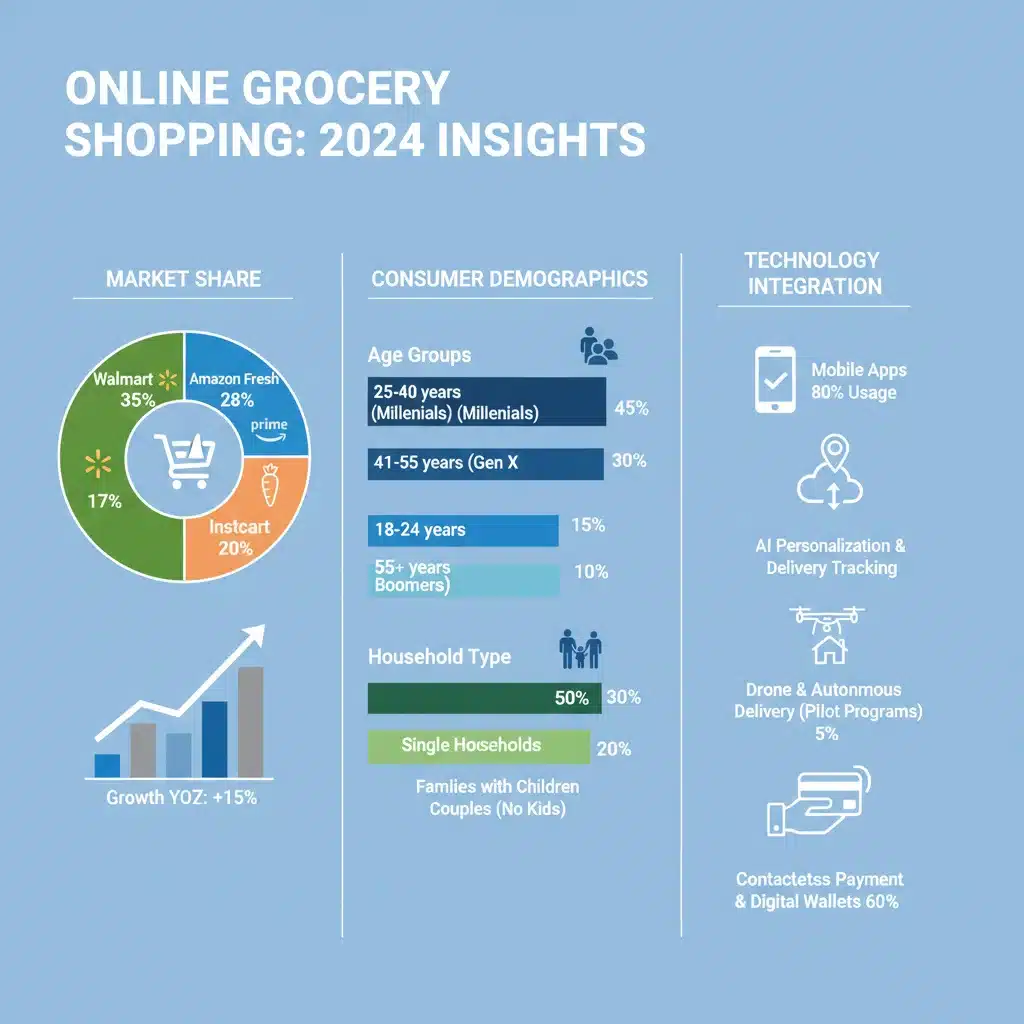
Focus on Sustainability and Ethical Practices
Modern consumers are increasingly conscious of the environmental and social impact of their purchasing decisions. Retailers and brands that prioritize sustainability in their operations – from sourcing and packaging to delivery logistics and waste reduction – will resonate more strongly with these consumers. Transparent communication about ethical practices can build brand loyalty and contribute positively to online grocery growth.
Leverage Data Analytics for Informed Decision-Making
The digital realm generates an abundance of data. Retailers must invest in robust data analytics capabilities to extract actionable insights from this information. Understanding purchasing patterns, popular products, peak shopping times, and customer demographics can inform inventory management, marketing campaigns, and strategic planning. This data-driven approach is essential for optimizing operations, identifying growth opportunities, and sustaining online grocery growth.
Build Strong Supplier Relationships
Collaboration with suppliers is more critical than ever. Strong relationships can ensure a consistent supply of high-quality products, facilitate joint marketing efforts, and enable quicker adaptation to changing consumer demands. Shared data and forecasting can lead to more efficient supply chains, benefiting both retailers and suppliers in the pursuit of online grocery growth.
The Future of Grocery: A Hybrid Model
The 8% increase in US online grocery spending by 2026 solidifies the notion that online grocery is not a temporary phenomenon but a permanent fixture in the retail landscape. However, it’s unlikely to completely replace traditional in-store shopping. Instead, the future of grocery retail will likely be a hybrid model, where physical stores evolve into experience centers, hubs for click-and-collect, or even micro-fulfillment centers, while online channels handle the bulk of routine purchases.
Consumers will continue to seek the best of both worlds: the convenience and efficiency of online shopping for staples and bulk items, combined with the sensory experience, immediate gratification, and social interaction that physical stores offer for discovery, fresh produce selection, and specialty items. Retailers who master this hybrid approach, seamlessly integrating their digital and physical presences, will be best positioned to capture the growing market share and achieve lasting success in the era of accelerated online grocery growth.
The journey to 2026 will be marked by continuous innovation, intense competition, and a relentless focus on meeting the evolving needs of the modern consumer. Businesses that embrace these changes, invest wisely in technology and infrastructure, and prioritize customer satisfaction will not only survive but thrive in this dynamic new chapter of US online grocery.
Conclusion: Navigating the Evolving Landscape of Online Grocery Growth
The projected 8% increase in US online grocery spending by 2026 serves as a powerful indicator of a fundamental and irreversible shift in consumer behavior and retail dynamics. This isn’t merely a bump in the road; it’s a new superhighway being constructed for how Americans access their food. The drivers behind this growth are multifaceted, rooted in the undeniable appeal of convenience, amplified by technological advancements, and solidified by a competitive market eager to meet evolving demands.
For retailers, the message is clear: adaptation is not optional. It is a strategic imperative. The businesses that will flourish are those that embrace omnichannel strategies, invest heavily in robust technological infrastructure, optimize their supply chains for efficiency and freshness, and leverage data to create personalized, compelling customer experiences. The delicate balance of achieving profitability while maintaining high standards of quality and service remains a critical challenge, one that will demand continuous innovation and strategic foresight.
Suppliers and brands, too, must recalibrate their approaches, focusing on digital shelf optimization, considering direct-to-consumer models, and innovating in packaging to meet the demands of e-commerce logistics. The entire ecosystem is being reshaped, requiring greater collaboration and agility across the board.
Ultimately, the consumer stands to gain from this intensified competition and innovation, enjoying greater convenience, broader selection, and more personalized shopping journeys. However, their expectations will also continue to rise, pushing retailers to constantly refine their offerings and address concerns around quality, sustainability, and delivery reliability.
The future of grocery retail in the US is undoubtedly hybrid, a sophisticated blend of digital efficiency and physical engagement. The ability to seamlessly integrate these two realms, offering flexibility and choice to the consumer, will define market leaders. As we move towards 2026 and beyond, the narrative of online grocery growth will be one of transformation, resilience, and an unwavering commitment to meeting the demands of an increasingly digital-first consumer. Businesses that strategically navigate this evolving landscape will not only secure their place in the market but also unlock unprecedented opportunities for growth and innovation.