US Second-Hand Market Growth 2026: A Deep Dive into Consumer Trends
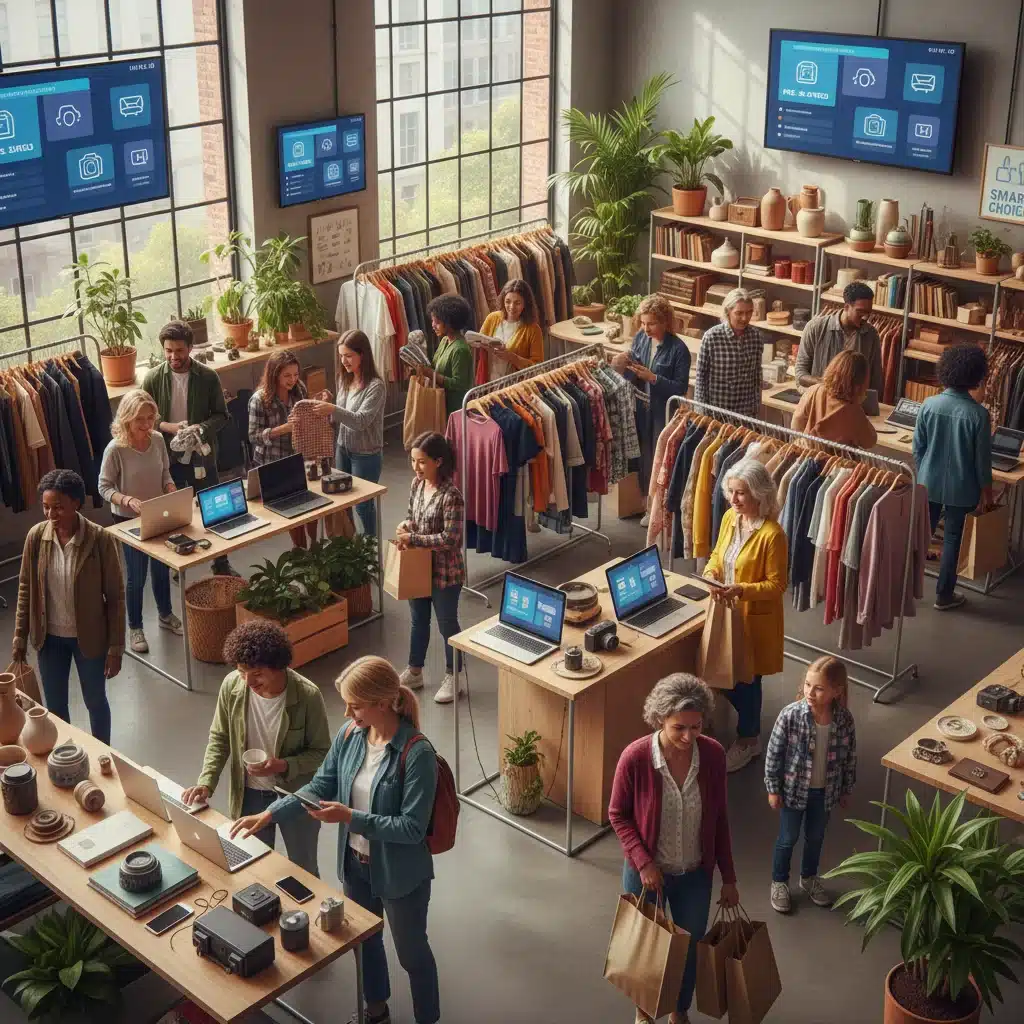
The landscape of American consumerism is undergoing a profound transformation. For decades, the allure of new, shiny products dominated purchasing habits. However, a seismic shift is underway, driven by a confluence of economic, environmental, and social factors. At the heart of this change lies the meteoric rise of the US second-hand market, an industry projected for a remarkable 15% growth by 2026. This isn’t just a fleeting trend; it’s a fundamental reorientation of how Americans acquire and dispose of goods, signaling a deeper evolution in our relationship with consumption.
This comprehensive deep dive will explore the multifaceted drivers behind this growth, dissect the evolving demographics of the second-hand shopper, and forecast the profound implications for both consumers and businesses. From the burgeoning popularity of online resale platforms to the renewed appreciation for vintage and sustainable goods, the US second-hand market is redefining value, convenience, and ethical consumption.
The Unstoppable Momentum: Why is the US Second-Hand Market Booming?
Several powerful forces are converging to propel the US second-hand market into unprecedented territory. Understanding these drivers is crucial to grasping the longevity and significance of this trend.
Economic Prudence and Affordability
Perhaps the most immediate and impactful driver is economics. Inflationary pressures, rising cost of living, and a general tightening of household budgets have made affordability a top priority for many consumers. The second-hand market offers a compelling solution, allowing individuals to acquire quality goods at a fraction of the price of their new counterparts. This isn’t just about saving money; it’s about smart financial management and maximizing the utility of every dollar spent. From clothing and accessories to furniture, electronics, and even vehicles, the ability to stretch budgets further without sacrificing quality is a powerful incentive.
This economic prudence extends beyond individual consumers to businesses as well. Small businesses, startups, and even larger corporations are increasingly looking to the second-hand market for equipment, furniture, and supplies, recognizing the significant cost savings and sustainable benefits. This B2B segment, while often less visible, contributes substantially to the overall growth of the US second-hand market.
The Sustainability Imperative: Shopping with a Conscience
Beyond economics, a growing environmental consciousness is profoundly influencing consumer behavior. The impact of fast fashion, electronic waste, and single-use products on the planet is no longer a niche concern; it’s a mainstream issue. Consumers, particularly younger generations, are actively seeking ways to reduce their environmental footprint, and buying second-hand is a highly effective and tangible method to do so.
Opting for used items extends their lifecycle, reduces demand for new production, and minimizes waste sent to landfills. This aligns perfectly with the principles of the circular economy, where resources are kept in use for as long as possible, extracting maximum value from them, then recovering and regenerating products and materials at the end of each service life. The US second-hand market is a cornerstone of this movement, offering a practical pathway to more sustainable consumption patterns.
The Thrill of the Hunt and Unique Finds
While economic and environmental factors are significant, there’s also a more visceral appeal to second-hand shopping: the joy of discovery. Unlike traditional retail, where products are uniform and predictable, the second-hand market offers a treasure trove of unique, often one-of-a-kind items. Vintage clothing, antique furniture, rare books, and discontinued electronics all hold a special allure for consumers looking to express individuality and avoid mass-produced goods.
This ‘thrill of the hunt’ fosters a sense of excitement and serendipity that traditional shopping often lacks. It transforms a mundane chore into an engaging experience, turning consumers into curators of their own unique collections. This emotional connection to discovery is a powerful, albeit often underestimated, driver of the US second-hand market‘s success.
Demographics of the Second-Hand Shopper: Who’s Driving the Growth?
The stereotype of the second-hand shopper has evolved dramatically. No longer confined to specific socioeconomic groups, the appeal of resale has broadened across all demographics. However, certain segments are particularly influential in driving the current and projected growth.
Gen Z and Millennials: The Sustainability-Driven Digital Natives
Unsurprisingly, younger generations are at the forefront of the second-hand revolution. Gen Z and Millennials, often characterized by their digital fluency and strong social consciousness, are embracing resale with unparalleled enthusiasm. They are acutely aware of environmental issues and are more likely to align their purchasing decisions with their values. For these generations, buying second-hand isn’t just about saving money; it’s a statement about their commitment to sustainability and ethical consumption.
Furthermore, these digital natives are comfortable with online platforms, which have revolutionized access to second-hand goods. Apps and websites like Depop, Poshmark, ThredUp, and The RealReal have created vibrant online communities where buying and selling used items is seamless, stylish, and socially engaging. The ease of access, combined with a desire for unique fashion and a rejection of fast fashion’s environmental toll, makes these demographics powerful accelerators for the US second-hand market.
The Mainstream Embrace: From Niche to Norm
While younger generations lead the charge, the second-hand market has successfully shed its stigma and entered the mainstream. Consumers of all ages and income levels are now open to, and actively participating in, the resale economy. This mainstream acceptance is a testament to the improved quality, convenience, and trustworthiness of second-hand platforms and stores.
The perception of second-hand items has shifted from ‘used’ to ‘pre-loved,’ ‘vintage,’ or ‘refurbished,’ carrying connotations of quality, history, and responsible consumption. This rebranding, coupled with high-profile collaborations between luxury brands and resale platforms, has elevated the status of the US second-hand market, making it a legitimate and desirable retail channel for a broad audience.
The Digital Transformation: Online Marketplaces as Growth Engines
The internet has been a game-changer for the US second-hand market, transforming it from a fragmented, often localized industry into a global, highly accessible ecosystem. Online marketplaces have not only expanded the reach of second-hand goods but have also professionalized the buying and selling experience.
Convenience and Choice at Your Fingertips
Online platforms offer unparalleled convenience. Consumers can browse vast inventories from the comfort of their homes, compare prices, read reviews, and have items delivered directly to their doorstep. This eliminates the need for extensive physical searching, making second-hand shopping as easy, if not easier, than traditional retail.
Moreover, the sheer volume and diversity of goods available online are staggering. From niche collectibles to everyday essentials, virtually anything can be found on a second-hand marketplace. This vast selection caters to a wide range of tastes and needs, attracting consumers who might not have traditionally considered second-hand options.
Building Trust and Transparency
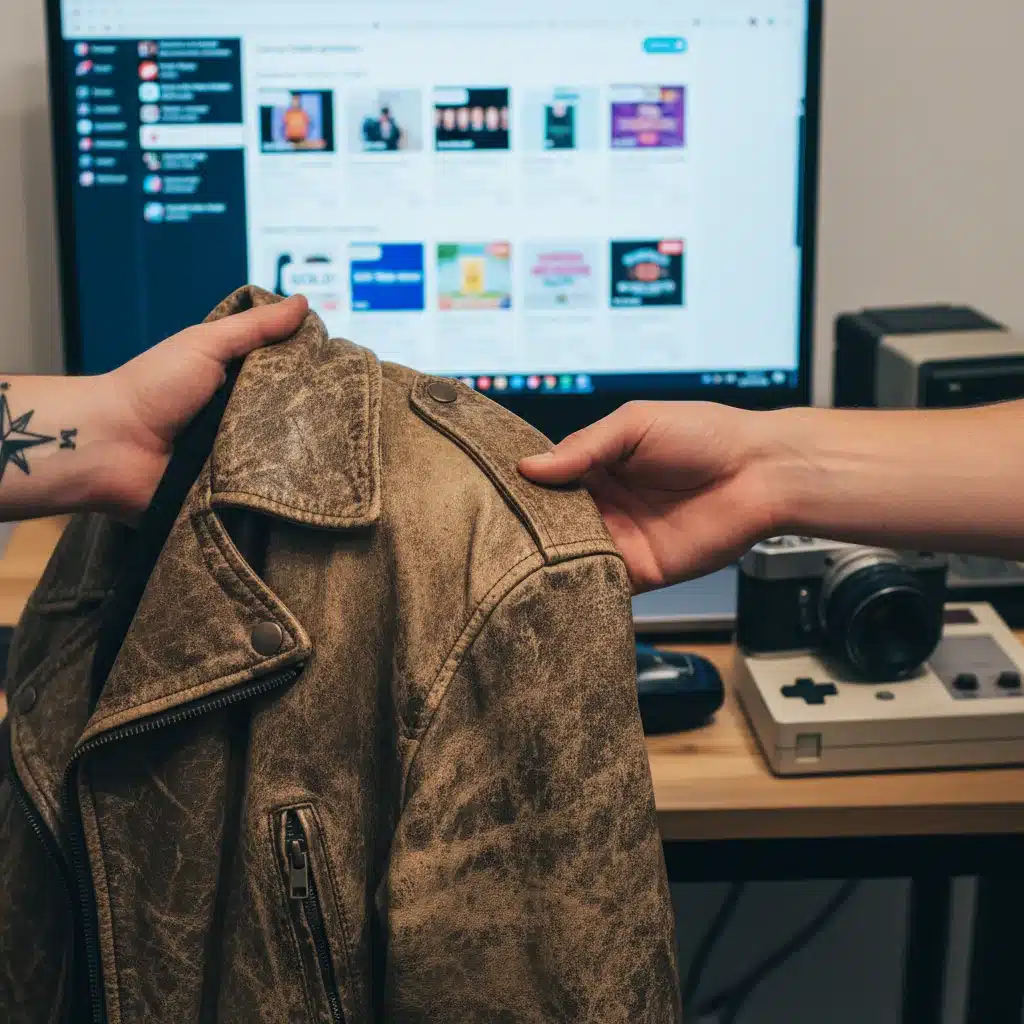
Early iterations of the second-hand market, particularly online, sometimes suffered from issues of trust and quality assurance. However, modern platforms have invested heavily in building robust systems for authentication, quality checks, and secure transactions. Features like seller ratings, buyer protection policies, and professional authentication services for luxury goods have significantly boosted consumer confidence.
This focus on trust and transparency is crucial for sustained growth. As consumers become more comfortable with the reliability of online second-hand purchases, their willingness to engage with the US second-hand market only strengthens.
Key Categories Driving the 15% Growth by 2026
While the entire US second-hand market is experiencing growth, certain categories are particularly dynamic and are expected to be major contributors to the projected 15% increase by 2026.
Apparel and Accessories: The Resale Fashion Revolution
The fashion resale market is arguably the most visible and rapidly expanding segment. Driven by Gen Z’s desire for unique styles, sustainability concerns, and the high cost of new clothing, platforms specializing in pre-loved fashion are thriving. Luxury resale, in particular, is experiencing exponential growth, with consumers seeking high-end items at more accessible price points, often with the added benefit of investment potential.
Brands are also increasingly recognizing the value of the resale market, with many launching their own take-back programs or partnering with existing platforms. This integration further legitimizes the second-hand apparel market and provides consumers with more trusted avenues for buying and selling.
Electronics: Refurbished and Renewed for Value
The electronics sector, characterized by rapid technological advancements and high price points, is another significant area of growth for the US second-hand market. Refurbished smartphones, laptops, tablets, and gaming consoles offer substantial savings without compromising on performance. Reputable refurbishers often provide warranties, making these purchases a low-risk alternative to buying new.
The environmental benefit of extending the life of electronics is also a powerful draw. Reducing electronic waste (e-waste) is a critical environmental challenge, and the second-hand market plays a vital role in mitigating this issue.
Home Goods and Furniture: Sustainable Home Decor
As consumers become more conscious about their living spaces, the second-hand market for home goods and furniture is flourishing. Vintage and antique pieces offer character and quality that are often difficult to find in mass-produced new items. Moreover, the cost savings on larger items like sofas, dining tables, and appliances can be substantial.
The rise of platforms dedicated to local pick-up and delivery of furniture has made this category more accessible, overcoming logistics challenges that once limited its growth. Consumers are increasingly embracing the idea of furnishing their homes sustainably and uniquely through second-hand finds.
Challenges and Opportunities for the Future of the US Second-Hand Market
While the growth trajectory is clear, the US second-hand market is not without its challenges. Addressing these will be key to sustaining momentum and maximizing its potential.
Ensuring Quality and Authenticity
Maintaining high standards of quality and ensuring the authenticity of products, especially in luxury goods and electronics, remains a continuous challenge. As the market grows, so does the potential for counterfeit items or misrepresentations of product condition. Platforms and sellers must continue to invest in robust authentication processes and transparent grading systems to build and maintain consumer trust.
Logistics and Scalability
For larger or more fragile items, logistics can be a hurdle. Shipping costs, packaging requirements, and the risk of damage during transit can complicate transactions. Innovations in local delivery networks, peer-to-peer shipping solutions, and partnerships with specialized logistics providers will be crucial for the continued scalability of the second-hand market for bulky goods.
Integration with Traditional Retail
The most significant opportunity lies in the deeper integration of the second-hand market with traditional retail. As major brands and retailers recognize the shift in consumer preferences, we’re seeing more examples of brands launching their own resale programs, offering trade-ins, or partnering with established resale platforms. This integration not only validates the second-hand market but also creates new revenue streams and strengthens brand loyalty.
This synergy between new and used goods could lead to a more holistic retail ecosystem, where consumers seamlessly move between purchasing new and pre-loved items, driven by a blend of value, sustainability, and personal preference.
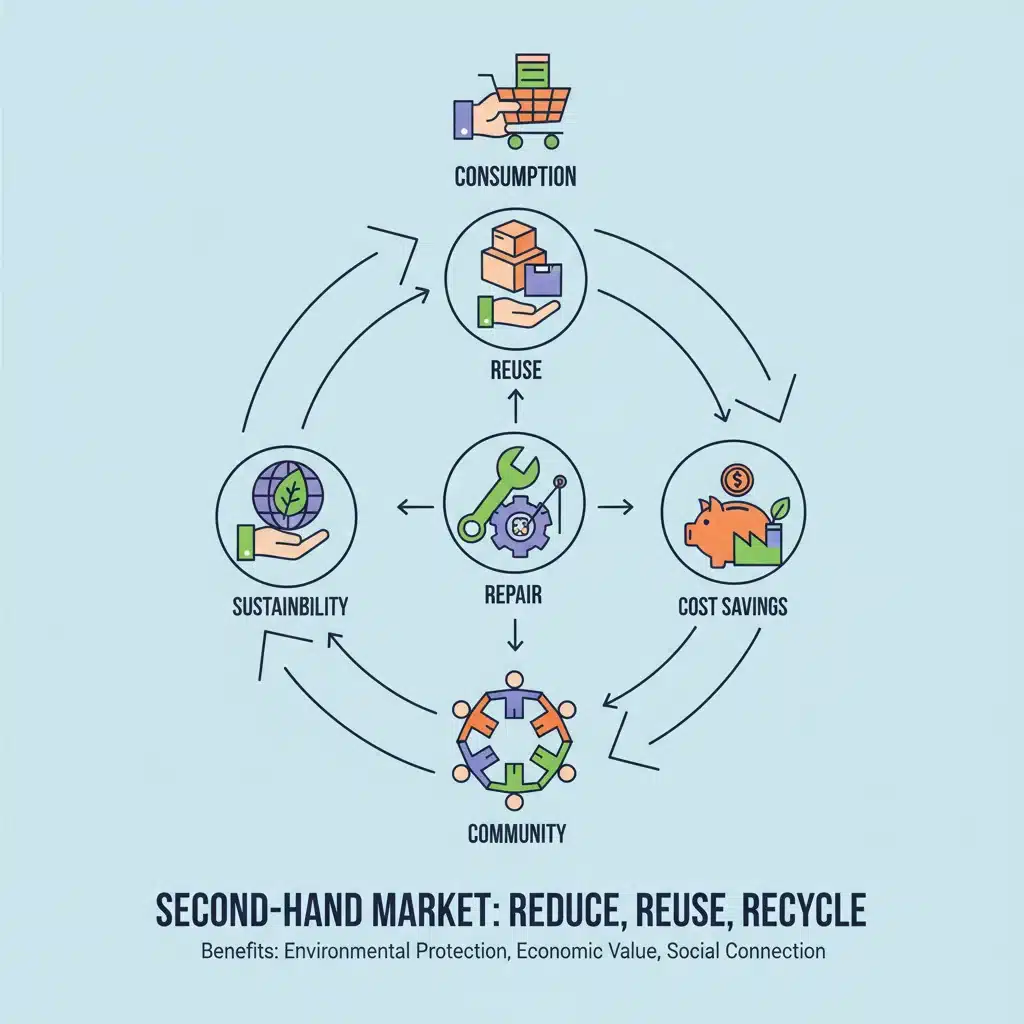
The Broader Impact: Beyond the Transaction
The growth of the US second-hand market has implications far beyond individual transactions. It is fostering a more conscious consumer culture, driving innovation, and even impacting urban development.
Fostering a Culture of Repair and Reuse
The emphasis on extending product lifecycles inherent in the second-hand market encourages a culture of repair and reuse. When items have resale value, consumers are more likely to care for them, repair them when broken, and consider their next life. This contrasts sharply with a throwaway culture and promotes a more responsible approach to ownership.
This cultural shift can also spur the growth of repair services and businesses, creating new economic opportunities and specialized skill sets within communities.
Community Building and Social Connection
Many second-hand platforms and local markets foster a strong sense of community. From online forums where enthusiasts share tips and finds, to local swap meets and vintage fairs, these spaces create opportunities for social connection and shared interests. This community aspect adds another layer of value to the second-hand experience, transforming it from a mere transaction into a social activity.
Innovation in Business Models
The success of the US second-hand market is inspiring new business models and technological innovations. Companies are developing advanced authentication technologies, AI-driven pricing algorithms, sophisticated logistics solutions, and engaging user interfaces to enhance the resale experience. This innovation isn’t just benefiting the second-hand sector; it’s pushing the boundaries of e-commerce and retail as a whole.
Conclusion: A Sustainable Future for US Consumption
The projected 15% growth of the US second-hand market by 2026 is a clear indicator of a fundamental shift in consumer behavior. Driven by economic realities, a burgeoning environmental consciousness, and the inherent appeal of unique finds, second-hand shopping has moved from the periphery to the mainstream. Younger generations, in particular, are championing this movement, leveraging digital platforms to make resale more accessible and desirable than ever before.
As we look towards 2026 and beyond, the second-hand market is poised to become an even more integral part of the American retail landscape. Its continued expansion will not only offer consumers more affordable and sustainable choices but will also challenge traditional retail models, foster innovation, and contribute to a more circular and responsible economy. Businesses that recognize and adapt to this evolving consumer landscape, embracing the principles of reuse and sustainability, will be best positioned for success in this new era of conscious consumption.
The future of retail in the US is undeniably intertwined with the vibrant and growing second-hand market, marking a pivotal moment where value, ethics, and individuality converge to redefine what it means to shop in America.